Have you ever wondered what happens when dog food is recalled? If you care about your furry friend’s health, this is something you need to know.
A dog food recall can mean serious risks for your pet, and understanding why it happens can help you keep your dog safe. You’ll learn what dog food recalls are, why they occur, and what steps you should take if your dog’s food is affected.
Keep reading to protect your best friend from hidden dangers.
Reasons For Dog Food Recalls
Dog food recalls happen when products pose risks to pets. Recalled dog food brands often face issues that threaten pet health. Understanding the reasons for dog food recalls helps pet owners stay safe. These recalls protect pets from harmful ingredients, contamination, or labeling mistakes. Pet food safety depends on strict pet food quality control during production. Common causes include contamination, ingredient problems, and errors on packaging. Each reason affects pets differently and requires immediate attention. Knowing these risks helps owners act quickly when dog food recall alerts appear.
Contamination Risks
Dog food contamination is a leading cause of pet food recalls. Contaminants can include bacteria, toxins, or foreign objects. These can cause serious pet health risks and even death. Common contaminants found in recalled dog food include:
- Salmonella: Causes vomiting, diarrhea, and fever in dogs.
- Listeria: Affects immune systems, especially in puppies or older dogs.
- Mold and mycotoxins: Lead to neurological issues and organ damage.
- Metal fragments or plastic pieces: Can cause choking or internal injuries.
Signs of contaminated dog food symptoms include lethargy, loss of appetite, and diarrhea. Pet owners should watch for these and stop feeding suspicious food immediately. Factories use pet food quality control to reduce contamination, but lapses happen. Proper storage and handling also prevent contamination at home.
| Type of Contaminant | Possible Effects on Dogs | Common Symptoms |
|---|---|---|
| Salmonella | Infection, fever | Diarrhea, vomiting, lethargy |
| Listeria | Immune system damage | Weakness, loss of balance |
| Mold/Mycotoxins | Organ damage, seizures | Vomiting, tremors |
Ingredient Quality Issues
Dog food ingredient issues often cause recalls. Poor quality or harmful ingredients put pets at risk. Some recalled dog food brands use low-grade meats or fillers. These ingredients may lack nutrients or contain harmful substances. Common ingredient problems include:
- Use of expired or spoiled raw materials.
- Presence of harmful chemicals or pesticides.
- Misuse of additives or preservatives.
- Incorrect ratios of nutrients, causing imbalances.
Low-quality ingredients can cause digestive problems, allergies, or nutrient deficiencies. Pet food recall notices often list specific ingredients to avoid. Strict pet food quality control can catch these issues early. However, sometimes suppliers fail to meet safety standards. Pet owners should check ingredient lists carefully. Choosing trusted brands reduces the risk of feeding unsafe food.
| Ingredient Issue | Potential Risk | Effect on Dogs |
|---|---|---|
| Expired Meat | Bacterial growth | Food poisoning |
| Chemical Contamination | Toxicity | Organ damage |
| Nutrient Imbalance | Health problems | Weakness, growth issues |
Labeling Errors
Dog food labeling mistakes also cause many recalls. Incorrect labels mislead pet owners about food contents. This creates serious pet health risks, especially for pets with allergies or dietary restrictions. Common labeling errors include:
- Wrong ingredient list or missing allergens.
- Incorrect nutritional information.
- Misstated expiration or batch numbers.
- Failure to declare added vitamins or minerals.
These errors may cause dogs to eat harmful ingredients unknowingly. Pet food recall alerts often warn about mislabeled products. Accurate dog food labeling helps owners make safe choices. Manufacturers must follow strict rules to avoid errors. Pet owners should read labels carefully and report any suspicious information.
| Labeling Error | Risk to Pets | Example |
|---|---|---|
| Missing Allergens | Allergic reaction | Undeclared chicken in hypoallergenic food |
| Wrong Nutritional Info | Imbalanced diet | Low protein stated as high protein |
| Incorrect Expiry Date | Feeding spoiled food | Expired date listed as current |
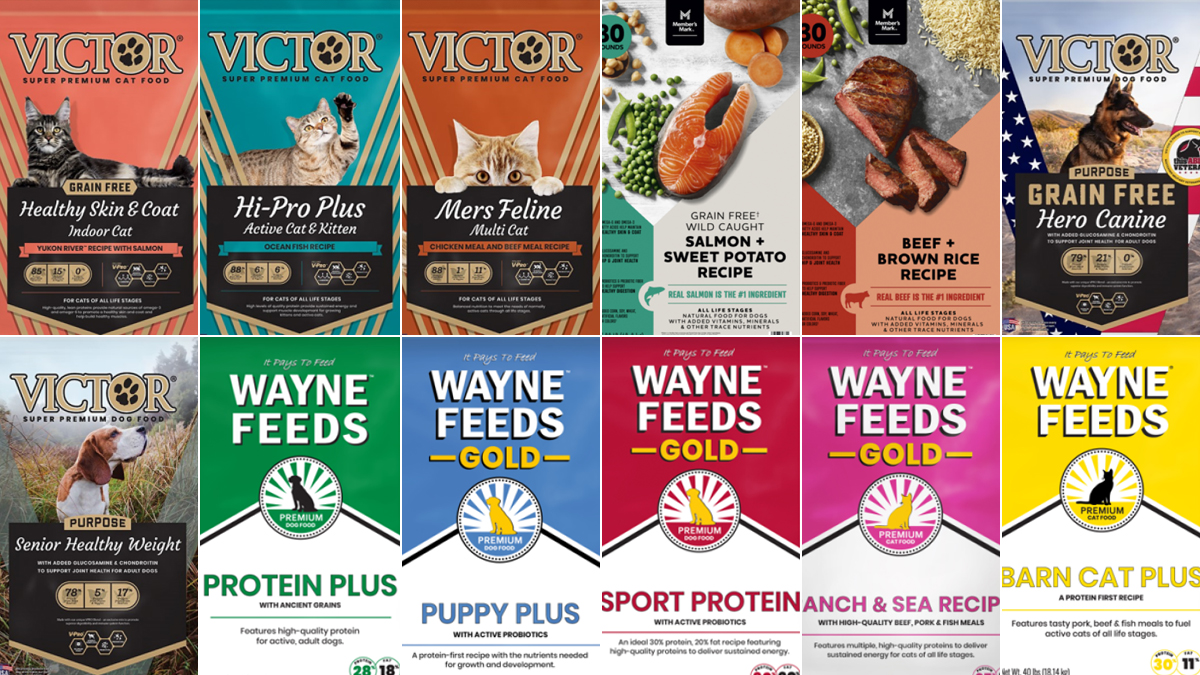
Credit: www.liftingitalia.com
Common Contaminants In Dog Food
Understanding common contaminants in dog food is vital for every pet owner. Recalled dog food brands often appear in pet food recall news due to harmful substances or contamination risks. These contaminants can cause serious health issues in dogs, leading to urgent dog food recall reasons. Identifying and avoiding these risks ensures better pet food safety and protects pets from illness. The main contaminants include bacteria, toxins, chemicals, and foreign materials that may accidentally enter the food during production.
Bacterial Contaminants
Bacterial contamination is a common cause of dog food contamination alerts. Bacteria like Salmonella and Listeria can grow in pet food, especially if it is raw or poorly processed. Salmonella in dog food is dangerous because it can infect both pets and humans. Dogs exposed to these bacteria may suffer from vomiting, diarrhea, fever, and weakness.
Common signs of bacterial contamination include:
- Unusual smell or color in the food
- Soft or slimy texture
- Pet refusal to eat
Pet food manufacturers test for bacteria, but contamination can still happen during production or packaging. Some recalled dog food brands were pulled off shelves due to bacterial contamination.
| Bacteria | Effects on Dogs | Potential Risks for Humans |
|---|---|---|
| Salmonella | Diarrhea, vomiting, fever | Food poisoning, infections |
| Listeria | Neurological problems, weakness | Serious infections, especially in pregnant women |
Preventing bacterial contamination involves proper storage and handling of dog food. Always check for pet food recall news to avoid dangerous batches.
Toxins And Chemicals
Harmful substances in dog food often include toxins and chemicals. One major toxin is aflatoxin contamination, a poisonous substance produced by certain molds. Aflatoxins can cause liver damage and even death in dogs. These toxins usually contaminate grains or corn used in pet food.
Other chemical risks include:
- Pesticide residues
- Heavy metals like lead or mercury
- Excessive preservatives or additives
Exposure to these chemicals can cause long-term health problems such as:
- Kidney damage
- Immune system suppression
- Digestive issues
Pet food companies must monitor ingredients carefully to avoid contamination. Pet food contamination by toxins often leads to urgent dog food recall reasons. Consumers should watch for dog food contamination alerts and choose trusted brands with strict quality control.
Foreign Objects
Foreign materials in pet food are unexpected objects that accidentally enter products during manufacturing. These can be metal fragments, plastic pieces, glass shards, or wood splinters. Such objects pose choking hazards or cause internal injuries to dogs.
Common foreign objects found in pet food include:
- Small metal screws or wires
- Plastic bits from packaging
- Bone fragments
- Pieces of glass or hard plastic
Pets eating food with foreign objects may show symptoms like:
- Difficulty chewing or swallowing
- Drooling or pawing at the mouth
- Vomiting or abdominal pain
Recalled dog food brands sometimes report foreign object contamination as a dog food recall reason. Manufacturers improve safety by inspecting ingredients and packaging thoroughly. Pet owners should report any unusual findings to ensure better pet food safety and avoid health risks.
Identifying Recalled Dog Food
Identifying recalled dog food is a crucial step to protect your pet’s health. Dog food recalls happen when manufacturers or authorities find unsafe dog food ingredients or contamination risks. Knowing how to spot recalled products helps prevent feeding your dog harmful food. This section explains key methods for recognizing recalled dog food. It covers dog food recall alerts, batch number verification, and signs of pet health symptoms caused by toxic dog food. Stay informed to ensure pet food safety in your home.
Recall Notices And Alerts
Recall notices and alerts are official announcements about recalled dog food brands. These alerts come from the FDA, pet food companies, or consumer safety groups. They provide details about the affected products and the reason for the recall. Checking these alerts regularly is vital for pet owner recall guidance.
Common sources for recall alerts include:
- FDA Pet Food Recall website
- Manufacturer websites and social media
- Pet food retailers and stores
- Pet health newsletters and forums
Recall notices often list:
| Information | Details |
|---|---|
| Brand Name | Name of the recalled dog food brand |
| Product Description | Type, flavor, and packaging size |
| Reason for Recall | Contamination, unsafe ingredients, or labeling errors |
| Batch Numbers | Specific batch or lot numbers affected |
| Recall Date | Date when the recall was announced |
Always read recall alerts carefully. Follow instructions to return or discard the product safely. Stay updated with new dog food recall alerts to avoid risks from dog food contamination.
Checking Batch Numbers
Batch number verification is a simple way to confirm if your dog food is part of a recall. Every pet food package has a batch or lot number. This code identifies when and where the food was made. Checking this number against recall lists helps avoid feeding unsafe dog food ingredients.
Steps for batch number checking:
- Find the batch number on the dog food package. It is usually printed near the expiration date or on the back.
- Visit trusted sources like the FDA Pet Food Recall page or the manufacturer’s website.
- Compare your package’s batch number with those listed in recall notices.
- If your batch number matches, do not feed the product to your pet.
- Follow the recall instructions for returning or disposing of the product.
Batch numbers help target only the affected products. This avoids unnecessary waste and keeps pets safe. Keep a record of your dog food batch numbers. It makes quick checks easier during pet owner recall guidance.
Recognizing Unsafe Symptoms In Pets
Feeding contaminated or recalled dog food can cause health problems. Recognizing toxic dog food signs early is vital. Watch for unusual pet health symptoms after feeding a specific dog food. These symptoms may indicate exposure to dog food contamination.
Common unsafe symptoms include:
- Vomiting or diarrhea
- Lethargy or weakness
- Loss of appetite
- Excessive drooling
- Unsteady walking or tremors
- Abdominal pain or bloating
- Increased thirst or urination
If your pet shows any of these signs, stop feeding the suspected dog food immediately. Contact your veterinarian for advice. Mention any recent feeding of recalled brands or batches. Early veterinary care helps reduce risks from unsafe dog food ingredients.
Knowing these signs helps protect your pet from serious illness. Combine this knowledge with regular checks of dog food recall alerts and batch number verification for full pet food safety.
Steps To Take After A Recall
After a dog food recall, knowing the right steps is essential for your pet’s safety. Pet food safety must be your top priority. Acting quickly helps prevent health risks from contaminated dog food. This guide explains what to do next, from disposing of affected products to monitoring dog health after recall. Follow these steps carefully to protect your furry friend from harm caused by dog food recall reasons.
Disposing Of Affected Products
Safe disposal of recalled pet food is crucial to avoid accidental feeding. Never give your dog any food that appears on dog food recall updates. Contaminated dog food can cause serious illness or death.
Here are key points for disposing of recalled products:
- Do not feed any recalled food to your pets.
- Seal the packaging tightly to prevent spills or contact.
- Wrap the food in a plastic bag to avoid contamination.
- Dispose in a secure trash bin where pets or wildlife cannot reach it.
- Follow local waste guidelines for pet food disposal.
- Do not compost recalled pet food.
| Disposal Method | Reason |
|---|---|
| Sealing in plastic bags | Prevents contamination and exposure |
| Using secure trash bins | Keeps pets and wildlife safe |
| Following local waste rules | Ensures proper handling of hazardous material |
Proper disposal stops contaminated dog food from harming pets or the environment. It also supports pet food safety efforts nationwide.
Contacting Manufacturers
Contacting pet food manufacturers is important after a recall. They provide key information and help with refunds or replacements. Contacting pet food manufacturers quickly ensures you get official updates and instructions.
Steps to contact manufacturers:
- Find the contact info on the recalled pet food package or brand website.
- Prepare details like the product name, batch number, and purchase date.
- Ask about return policies or refund options for recalled products.
- Request information on dog food recall reasons and safety precautions.
- Sign up for pet food recall alerts to get future updates.
Here is an example contact table:
| Manufacturer | Contact Method | Information to Provide |
|---|---|---|
| Brand A | Phone: 123-456-7890 Email: support@branda.com | Product code, batch number, purchase date |
| Brand B | Website form Phone: 098-765-4321 | Package details, symptoms noticed (if any) |
Prompt communication helps protect your pet and supports the recall process. Manufacturers rely on feedback to improve pet food safety.
Monitoring Pet Health
After discovering a recall, closely watch your pet for any health changes. Symptoms of pet food poisoning can show within hours or days. Early detection allows for faster treatment.
Common symptoms include:
- Vomiting
- Diarrhea
- Loss of appetite
- Weakness or lethargy
- Excessive drooling
- Seizures or shaking
Keep a log of any symptoms and your dog’s behavior. Share this with your vet for better diagnosis and care.
Steps for monitoring:
- Stop feeding all recalled brands immediately.
- Observe your pet’s eating, drinking, and bathroom habits.
- Contact your vet if you notice any concerning signs.
- Report any symptoms related to the recalled food to manufacturers and pet food recall alerts.
- Follow vet instructions for treatment or testing.
Regularly checking your dog’s condition supports monitoring dog health after recall and prevents serious illness. Stay informed through dog food recall updates for ongoing safety.
Preventing Future Risks
Preventing future risks linked to dog food recalls is essential for every pet owner. Understanding the causes behind dog food recall reasons helps protect pets from health issues caused by contaminated dog food. Taking steps to ensure pet food safety reduces the chance of recalls in pet nutrition. This section guides on preventing dog food contamination through smart choices and habits.
Choosing Reputable Brands
Choosing trusted brands is the first step in safe dog feeding practices. Reputable brands follow strict pet food quality assurance rules. They often test ingredients and finished products to avoid contamination. Here are some tips to pick reliable brands:
- Look for companies with transparent ingredient sourcing.
- Check if brands perform regular safety tests.
- Choose brands with a clean recall history.
- Prioritize brands that use natural preservatives instead of harmful chemicals.
Many top brands provide detailed information about their manufacturing processes. This helps build trust and reduces risks of recalls in pet nutrition. Below is a simple comparison of key factors in choosing dog food brands:
| Factor | Trusted Brand | Unknown Brand |
|---|---|---|
| Ingredient Transparency | High | Low |
| Recall History | Minimal or None | Frequent |
| Quality Testing | Regular and Documented | Rare or None |
Choosing reputable brands supports preventing dog food contamination and keeps pets safe.
Reading Labels Carefully
Reading pet food labels is a key skill for avoiding contaminated dog food. Labels reveal important details about ingredients and safety. Always check the following:
- Ingredient List: Look for whole, named ingredients like “chicken” instead of vague terms like “meat meal.”
- Expiration Date: Avoid products near or past expiration to maintain pet food safety.
- Recall Notices: Some brands note recalls or safety alerts on packaging.
- Certifications: Look for seals from safety organizations or quality assurance groups.
Understanding the label terms helps spot potential risks. Here is a quick guide to common label terms:
| Label Term | Meaning | Risk Level |
|---|---|---|
| By-Products | Less desirable parts of animals | Moderate |
| Meal | Dried meat or fish | Low to Moderate |
| Natural | No artificial additives | Low |
Careful label reading contributes to preventing dog food contamination by identifying safer options.
Storing Dog Food Properly
Proper storage is vital in dog food storage tips to avoid spoilage or contamination. Incorrect storage can cause bacteria growth and reduce food quality. Follow these rules for safe dog feeding practices:
- Keep dry food in a cool, dry place away from sunlight.
- Use airtight containers to protect food from moisture and pests.
- Do not store food near chemicals or cleaning products.
- Keep opened bags sealed tightly or transfer to storage bins.
- Use older food first to avoid expired pet food.
Wet or canned food must be refrigerated after opening. Store leftovers in sealed containers and use within a few days. The table below shows common storage mistakes and their risks:
| Storage Mistake | Risk |
|---|---|
| Leaving bags open | Moisture and pests can contaminate food |
| Storing in warm places | Speeds spoilage and bacteria growth |
| Mixing new and old food | Can cause spoilage of fresh food |
Following these dog food storage tips helps reduce risks and supports pet food quality assurance.
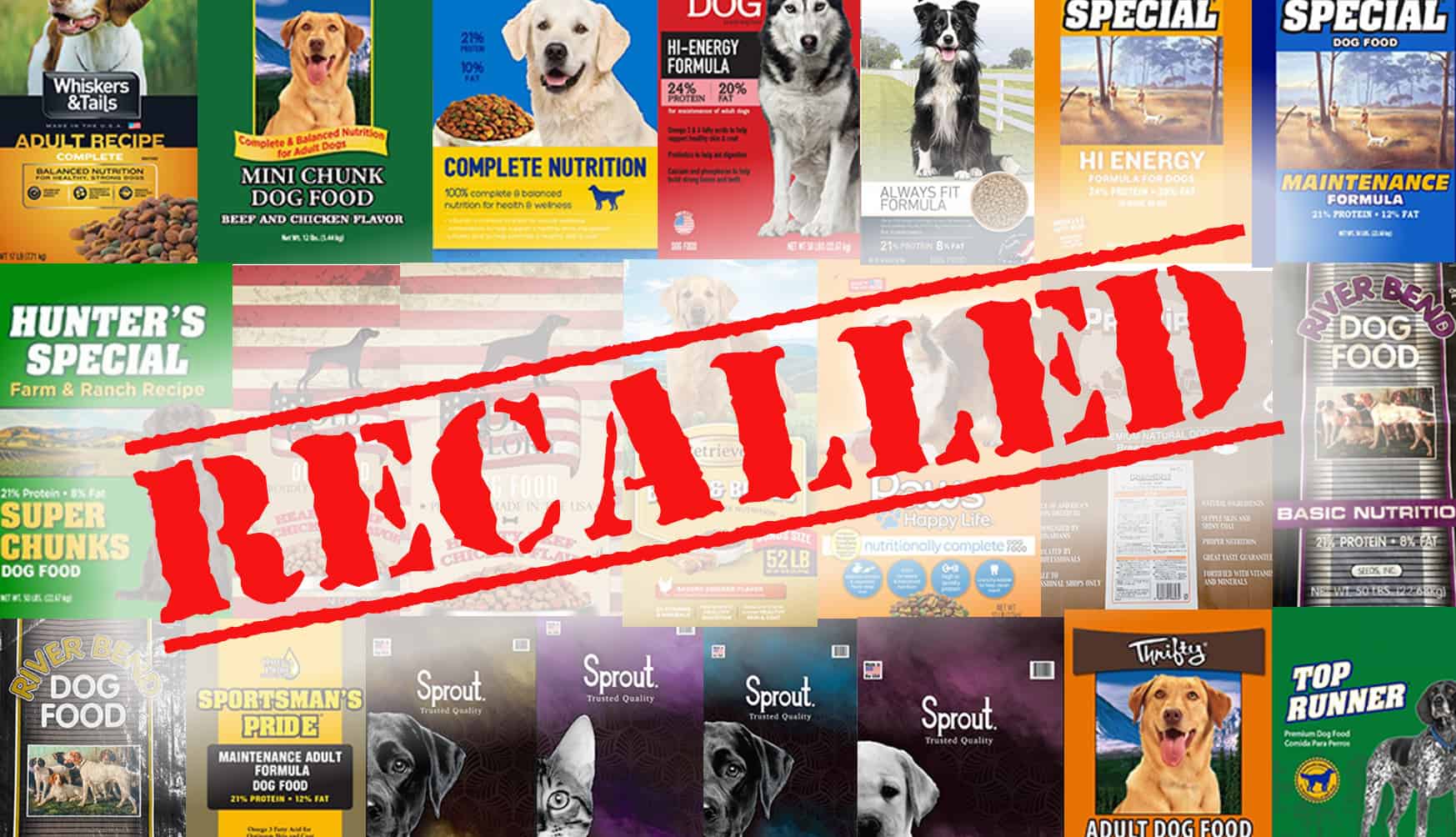
Credit: www.dogingtonpost.com

Credit: wsbt.com
FAQs For What is Dog Food Recalled
What Does Dog Food Recalled Mean?
Dog food recalled means the product is withdrawn due to safety concerns. It may contain harmful ingredients or contaminants. Recalls protect pets from health risks. Always check recall alerts before buying dog food to ensure safety.
Why Do Companies Recall Dog Food?
Companies recall dog food to prevent pet illnesses or deaths. Causes include contamination, incorrect ingredients, or labeling errors. Recalls show responsibility and protect pets. Consumers should stay updated on recalls to avoid feeding unsafe products.
How Can I Check If Dog Food Is Recalled?
You can check dog food recalls on official FDA and manufacturer websites. Pet safety organizations also provide recall alerts. Regularly monitoring these sources helps keep your pet safe from harmful food products.
What Should I Do If My Dog’s Food Is Recalled?
Stop feeding the recalled dog food immediately. Contact the manufacturer for a refund or replacement. Monitor your dog for any health issues and consult a vet if needed. Follow recall instructions carefully to ensure your pet’s safety.
Conclusion
Dog food recalls happen to protect your pet’s health. Companies find problems and stop selling unsafe products. Staying informed helps you avoid harmful food for your dog. Check recall lists often and watch your pet’s food closely. Acting fast can keep your dog safe and healthy.
Trust only reliable sources for recall news. Your dog depends on you for good care and safe food. Always choose quality dog food and stay alert to recalls. Safety first.