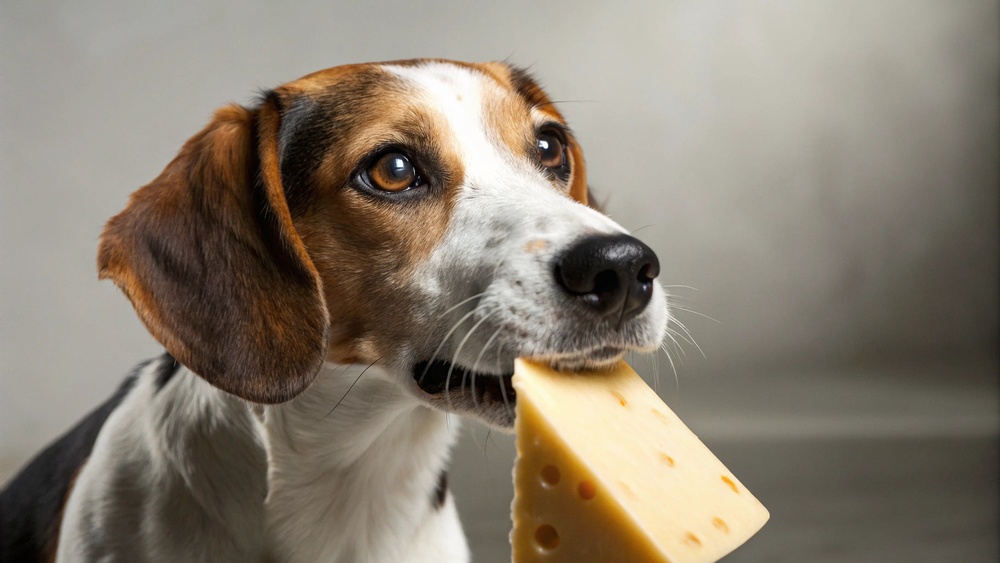
If you love to share snacks or meals with your dog, you may wonder if foods like blue cheese dressing are safe for them. Blue cheese dressing is a popular dip and salad topping for humans, known for its rich, tangy flavor.
But what happens if your dog sneaks a taste? Many pet owners make the mistake of thinking “if it’s safe for me, it must be safe for my pet. ” However, when it comes to blue cheese and the dressings made from it, the situation is more complicated.
Understanding the risks, ingredients, and possible effects of blue cheese dressing on dogs is essential for every responsible dog owner.
Let’s break down what’s inside blue cheese dressing, why it can be dangerous for dogs, and what to do if your dog eats some. You’ll also find information about safer alternatives and answers to the most common questions about this topic.
With clear explanations, practical tips, and science-backed facts, you’ll have everything you need to keep your dog safe and healthy.
What Is Blue Cheese Dressing?
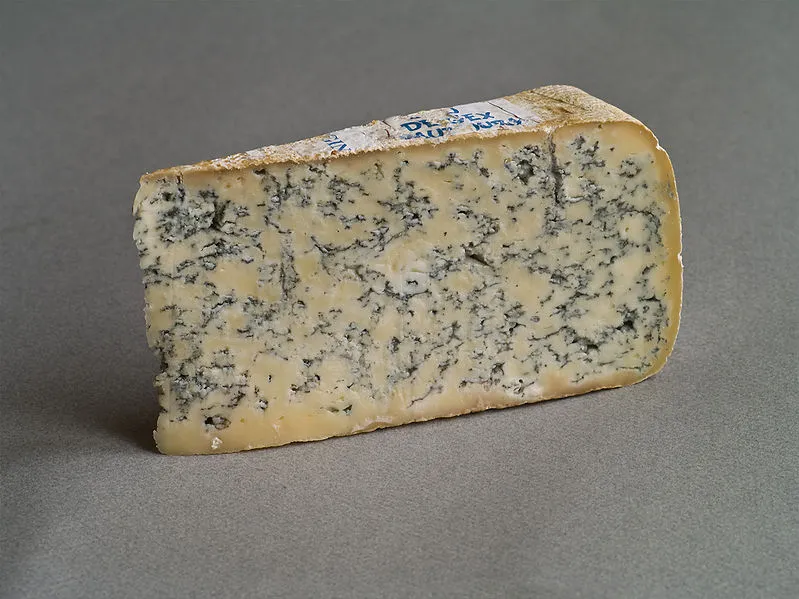
Blue cheese dressing is a creamy sauce made by blending blue cheese with ingredients like mayonnaise, sour cream, yogurt, milk, buttermilk, vinegar, garlic, and various seasonings. It’s especially popular on salads, wings, and as a dip for vegetables or chips. The strong, tangy taste comes from the veins of mold (Penicillium) that run through the blue cheese.
Many store-bought blue cheese dressings also contain preservatives, artificial flavors, stabilizers, and sweeteners. Some versions are thicker, while others are more pourable. The dressing’s flavor depends on the type of blue cheese used—such as Roquefort, Gorgonzola, or Stilton.
Here’s a simple overview of what you might find in a typical blue cheese dressing:
| Ingredient | Common Purpose |
|---|---|
| Blue cheese | Flavor, texture |
| Mayonnaise | Creaminess, fat content |
| Sour cream or yogurt | Tanginess, smooth texture |
| Buttermilk or milk | Thinning, mild flavor |
| Vinegar or lemon juice | Acidity, balance |
| Garlic, onion, herbs | Seasoning |
| Salt, pepper, sugar | Flavor adjustment |
| Preservatives, stabilizers | Shelf-life, consistency |
Can Dogs Eat Blue Cheese Dressing?
The short answer is no—dogs should not eat blue cheese dressing. While a tiny taste may not cause harm for every dog, even small amounts can be risky. The ingredients in blue cheese dressing are not suitable for dogs, and some are even toxic. Let’s look at why.
Blue Cheese Is Dangerous For Dogs
The main risk comes from the blue cheese itself. Blue cheese is made with a type of mold called Penicillium, which is safe for most humans but not for dogs. When blue cheese ages, it can produce a substance called roquefortine C. This compound is toxic to dogs and can cause serious health problems.
Symptoms of blue cheese poisoning in dogs include:
- Vomiting
- Diarrhea
- Muscle tremors
- Seizures
- High body temperature
- Rapid heart rate
Even a small amount of blue cheese can trigger these symptoms, especially in small dogs, puppies, or dogs with sensitive stomachs.
Other Harmful Ingredients In Blue Cheese Dressing
Besides blue cheese, the dressing contains several ingredients that are unhealthy or dangerous for dogs:
- Dairy (Milk, Cream, Cheese): Many dogs are lactose intolerant. Dairy can cause stomach upset, gas, or diarrhea.
- Garlic and Onion: Some recipes include garlic or onion powder. Both are toxic to dogs and can damage their red blood cells, leading to anemia.
- High Fat Content: Mayonnaise and sour cream are high in fat. Eating fatty foods can cause pancreatitis (inflammation of the pancreas), which is very painful and sometimes life-threatening for dogs.
- Salt and Sugar: Excess salt can cause dehydration and salt poisoning. Added sugar is bad for a dog’s weight and teeth.
- Artificial Ingredients: Preservatives, artificial flavors, and stabilizers can upset your dog’s digestive system or cause allergic reactions.
Why Some Dogs Get Sick Faster Than Others
Some dogs are more sensitive to these ingredients than others. Factors that raise the risk include:
- Size: Small dogs get sick from lower amounts.
- Age: Puppies and older dogs have weaker immune systems.
- Health status: Dogs with liver, kidney, or stomach problems are more at risk.
- Breed: Some breeds (like Boxers, Schnauzers, or Miniature Poodles) are prone to pancreatitis from fatty foods.
:max_bytes(150000):strip_icc()/Wedge-Salad-with-Candied-Bacon-and-Gorgonzola-Dressing-single-FT-MAG-RECIPE-0824-053a4841d2ee4861b5d77df59191dc72.jpg)
Credit: www.foodandwine.com
What Happens If A Dog Eats Blue Cheese Dressing?
If your dog eats blue cheese dressing, the effects depend on how much they ate, their size, and their health. Here’s what could happen:
Mild Reactions
If a dog eats a very small lick or taste, they may have mild symptoms such as:
- Upset stomach
- Soft stools
- Mild gas
These symptoms usually pass within a day, but you should watch for any signs of worsening.
Moderate To Severe Reactions
If a dog eats a larger amount, especially if the dressing contains garlic or onion, more serious problems can appear:
- Vomiting and diarrhea that won’t stop
- Shaking, trembling, or twitching muscles
- Rapid breathing or fast heartbeat
- High fever
- Signs of pain (whining, restlessness)
- Loss of coordination or trouble walking
In the worst cases, a dog can have seizures or collapse. This is a medical emergency.
Table: How Much Blue Cheese Dressing Is Dangerous?
The following table shows approximate risk levels for dogs of different sizes:
| Dog Size | Risk After Eating 1 Tbsp | Possible Symptoms |
|---|---|---|
| Small (under 10 lbs) | High | Vomiting, tremors, diarrhea |
| Medium (10-40 lbs) | Moderate | Stomach upset, diarrhea |
| Large (over 40 lbs) | Low to moderate | Mild symptoms or none |
Note: Even for large dogs, repeated exposure increases the risk.
What Should You Do If Your Dog Eats Blue Cheese Dressing?
If you discover your dog has eaten blue cheese dressing, stay calm but act quickly. Here’s what you should do:
- Remove any remaining dressing so your dog can’t eat more.
- Check the ingredient label. Look for blue cheese, garlic, onion, and other harmful ingredients.
- Monitor your dog for the next 24 hours. Watch for vomiting, diarrhea, shaking, or signs of pain.
- Call your veterinarian if your dog ate more than a small lick, is very small or young, or shows any symptoms.
- Do not try to make your dog vomit unless your vet tells you to. Some ingredients can cause more harm if vomited.
- Bring the dressing container with you if you visit the vet. This helps the vet know what your dog ate.
- Provide water to keep your dog hydrated, but don’t force them to eat or drink.
When To Go To The Vet Immediately
Go to the vet right away if your dog shows any of these signs:
- Muscle tremors or seizures
- Trouble breathing
- High fever (panting, red gums)
- Collapse or loss of consciousness
- Pale gums or weakness
Quick action can save your dog’s life in severe cases.
The Science Behind Blue Cheese Toxicity In Dogs
Many pet owners wonder why blue cheese is dangerous for dogs when humans eat it safely. The answer lies in biochemistry and how a dog’s body handles certain toxins.
Roquefortine C And Dogs
Roquefortine C is a substance created by the mold Penicillium roqueforti, used in making blue cheese. While humans tolerate it well, dogs are very sensitive to it. Roquefortine C can affect the nervous system, causing muscle tremors, seizures, and even death in high doses.
A study published in the *Journal of Veterinary Emergency and Critical Care* found that dogs exposed to roquefortine C developed serious symptoms within a few hours. The toxin is especially concentrated in aged blue cheeses.
Why Are Dogs So Sensitive?
Dogs have a different metabolism than humans. Their liver and kidneys are not as effective at breaking down some mycotoxins (toxins from molds). This makes even small amounts much more dangerous for them.
Other Toxins In Blue Cheese Dressing
Some dressings use artificial sweeteners like xylitol, which is deadly to dogs in tiny amounts. Even if the dressing doesn’t list xylitol, it’s best to be cautious. Garlic and onion powders are often “hidden” in ingredient lists as “natural flavors,” so always check the full label.
Why Do Dogs Want To Eat Blue Cheese Dressing?
Many dogs are drawn to strong smells and creamy textures. Blue cheese dressing is high in fat, salt, and protein, which dogs naturally crave. Some dogs are persistent beggars, and owners may give in to “puppy eyes,” not realizing the risk.
The Problem With Feeding Table Scraps
Feeding dogs human food, especially fatty or flavored foods, can lead to:
- Obesity
- Digestive issues
- Behavior problems (begging, stealing food)
While the occasional safe treat is okay, blue cheese dressing is never a good choice.
Safe Alternatives To Blue Cheese Dressing For Dogs
If you want to share a treat with your dog, there are much safer options. Here are some ideas for healthy, dog-friendly snacks:
- Plain yogurt: Unsweetened, unflavored yogurt is a good source of calcium and probiotics for most dogs.
- Cottage cheese: In small amounts, low-fat cottage cheese is usually safe.
- Peanut butter: Choose xylitol-free, unsalted peanut butter in moderation.
- Fresh vegetables: Carrots, cucumber, and green beans make crunchy, healthy snacks.
- Homemade dog-safe dips: Mix mashed pumpkin or sweet potato with a little plain yogurt.
Table: Human Foods Vs. Dog-safe Alternatives
Here’s how blue cheese dressing compares to dog-friendly options:
| Human Snack | Dog-Friendly Alternative | Notes |
|---|---|---|
| Blue cheese dressing | Plain yogurt | No toxic mold, lower fat |
| Ranch dressing | Pumpkin puree | Easy to digest |
| Sour cream dip | Low-fat cottage cheese | Less lactose, safer in small amounts |
| Cheese cubes | Carrot sticks | Low-calorie, crunchy |
Even with safe alternatives, always introduce new foods in small amounts and watch for allergies or stomach issues.
Non-obvious Dangers Many Owners Miss
Many well-meaning owners accidentally put their dogs at risk due to a few lesser-known dangers:
- Leftovers on plates: Dogs often lick plates left on coffee tables or counters. Small amounts of blue cheese dressing can add up over time and cause chronic health problems.
- Hidden ingredients: Some “light” or “diet” dressings contain xylitol or other artificial sweeteners, which are extremely toxic to dogs.
- Party foods: When hosting guests, people might drop food, or kids may feed dogs scraps without asking. Supervise your dog during parties or gatherings.
Credit: www.cheese.com
Tips For Preventing Accidents
Keeping your dog safe means being alert and creating good habits:
- Store salad dressings and dips in the refrigerator or a high cupboard.
- Keep trash cans secured and out of reach.
- Teach guests and children not to feed dogs from the table.
- Train your dog to leave human food alone with commands like “leave it” or “off.”
What To Tell Pet Sitters Or Family
If someone else cares for your dog, make sure they know:
- Never give blue cheese or any cheese-based dressings.
- Only use dog treats or approved snacks.
- How to recognize signs of poisoning and who to call in an emergency.
The Long-term Risks Of Feeding Dogs Human Foods
While a one-time accident may not cause long-term harm if treated quickly, regular feeding of human foods like blue cheese dressing can lead to:
- Chronic pancreatitis: Regular fatty food can inflame the pancreas.
- Obesity: Dressings are high in calories, leading to weight gain.
- Food allergies: Dairy and artificial ingredients can trigger skin, ear, or stomach problems.
Dogs that get used to eating rich, salty foods may also become pickier and refuse their regular, balanced dog food.
If You Think Your Dog Ate Blue Cheese Dressing
If you’re unsure whether your dog ate something dangerous, it’s always better to check with your veterinarian. Don’t wait for symptoms to get worse. You can also contact the ASPCA Animal Poison Control Center or your country’s pet poison helpline for advice.
For more detailed toxic food information, you can visit ASPCA’s official list.
Frequently Asked Questions
Is Any Type Of Blue Cheese Safe For Dogs?
No. All types of blue cheese, including Roquefort, Gorgonzola, and Stilton, contain the same mold that produces roquefortine C. This toxin is dangerous to all dogs.
Can A Small Amount Of Blue Cheese Dressing Kill My Dog?
While death is rare from a tiny lick, even a small amount can cause serious symptoms like vomiting, tremors, or seizures—especially in small or sensitive dogs. Never risk it.
My Dog Ate Blue Cheese Dressing But Seems Fine. Should I Worry?
Some dogs may not show symptoms right away. Keep a close eye for 24 hours. If you notice vomiting, diarrhea, shaking, or weakness, call your vet. Remember, some effects can be delayed.
What Should I Do If My Dog Ate Blue Cheese Dressing With Garlic Or Onion?
Garlic and onion are both toxic to dogs. If your dog ate dressing containing these, call your veterinarian immediately—even if your dog seems okay. Early treatment prevents worse problems.
Are There Any Cheeses That Are Safe For Dogs To Eat?
Some plain cheeses (like mozzarella or cheddar) can be given in tiny amounts as treats, but only if your dog is not lactose intolerant. Always avoid blue cheeses, cheeses with herbs, or any with added flavors.
Blue cheese dressing is a big “no” for dogs. The unique mold in blue cheese, combined with dairy, fats, and sometimes toxic seasonings, makes this dressing a risky snack for any dog. Even small amounts can cause upset stomach, tremors, or even life-threatening symptoms. Always keep blue cheese dressing and similar foods out of your dog’s reach and encourage family and guests to do the same. If your dog does eat some, don’t wait—contact your vet for advice. For a happy, healthy pet, stick to treats made for dogs, and remember: what’s tasty for you could be trouble for your furry friend.

Credit: coevalchicago.com