Can Dogs Eat Goat Cheese?
If you’re a dog owner who enjoys cheese, you’ve probably wondered if your furry friend can share your snack. Goat cheese is becoming more popular, and its creamy taste makes it a favorite for many people. But is it safe for dogs?
The answer isn’t just “yes” or “no. ” It depends on many things, from your dog’s health to the type of goat cheese you offer. Let’s take a close look at whether dogs can eat goat cheese, what benefits or risks it brings, and how to make the best choice for your pet.
What Is Goat Cheese?
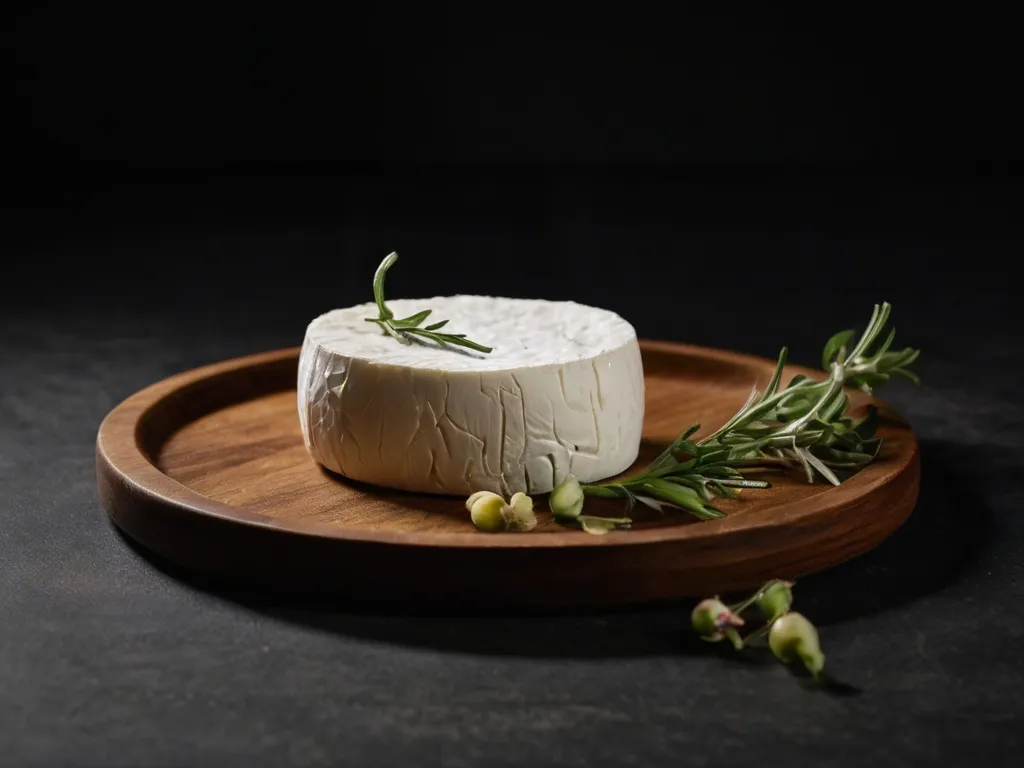
Goat cheese, also called chèvre, is cheese made from goat’s milk. It comes in many forms—soft, hard, fresh, or aged. Most goat cheese is white and has a tangy flavor. Some types are creamy and spreadable, while others are crumbly or firmer.
The main ingredients in goat cheese are:
- Goat’s milk
- Rennet (an enzyme that helps milk curdle)
- Salt
- Bacterial cultures
Some goat cheeses include herbs, garlic, or even fruit. These extras can change how safe the cheese is for dogs.
Why Do People Feed Cheese To Dogs?
Cheese is often used as a dog treat for several reasons:
- Dogs love the taste and smell.
- It can hide medicine or pills.
- It’s a high-reward training treat.
But not all cheeses are equal, and not all dogs react the same way. Goat cheese is often thought to be easier to digest than cow’s milk cheese, but this isn’t true for every dog.

Credit: www.woolyyarn.com
Nutritional Value Of Goat Cheese
Goat cheese is rich in nutrients. Here is a quick comparison of goat cheese and cow cheese (cheddar):
| Nutrient (per 28g/1oz) | Goat Cheese | Cow Cheddar Cheese |
|---|---|---|
| Calories | 75 | 115 |
| Protein | 5g | 7g |
| Fat | 6g | 9g |
| Lactose | 0.1g | 0.2g |
| Calcium | 40mg | 200mg |
| Sodium | 130mg | 180mg |
Goat cheese has fewer calories and less fat than cheddar cheese. It is also lower in lactose and sodium, which can make it easier for some dogs to digest.
Can Dogs Eat Goat Cheese Safely?
The short answer is: Most healthy dogs can eat small amounts of plain goat cheese. But there are important details to consider.
Dogs That Can Eat Goat Cheese
- Healthy adult dogs with no history of allergies or food intolerance can usually have a small bite.
- Dogs that tolerate dairy products without stomach upset are less likely to have problems.
Dogs That Should Avoid Goat Cheese
- Lactose-intolerant dogs: Even though goat cheese has less lactose, some dogs cannot digest it at all.
- Dogs with pancreatitis or a history of digestive problems.
- Dogs on a low-fat or low-sodium diet, often due to heart or kidney problems.
- Puppies under 3 months, as their stomachs are more sensitive.
Health Benefits Of Goat Cheese For Dogs
While goat cheese is not a must-have food for dogs, it can provide some benefits if fed in moderation:
- Easier to Digest: Goat cheese has smaller fat globules and less lactose than cow cheese. Some dogs find it easier on their stomachs.
- Good Source of Protein: Protein helps build strong muscles and supports body repair.
- Contains Probiotics: Some goat cheese has live cultures that can help with healthy digestion.
- Essential Fats: Goat cheese contains medium-chain fatty acids, which may support energy levels.
- Calcium and Minerals: These are important for strong bones and teeth.
However, these benefits only matter if your dog can digest cheese without problems.
Risks And Side Effects Of Goat Cheese
There are several risks to watch for if you feed your dog goat cheese:
1. Lactose Intolerance
Some dogs, especially adults, lose the ability to digest lactose as they grow older. Even the lower lactose in goat cheese can cause:
- Gas
- Diarrhea
- Vomiting
- Abdominal pain
This may not happen right away, and signs can be mild or severe.
2. High Fat Content
Cheese is a high-fat food. Too much fat can lead to:
- Weight gain
- Pancreatitis (a painful, dangerous condition)
- Upset stomach
Some breeds, like Miniature Schnauzers and Yorkshire Terriers, are more at risk for pancreatitis.
3. High Sodium Levels
Most cheeses, including goat cheese, contain a lot of sodium. Too much sodium can cause:
- Thirst
- Dehydration
- High blood pressure
- Problems for dogs with heart or kidney disease
4. Additives And Flavors
Goat cheese with herbs, garlic, onions, or chives can be dangerous. Garlic and onions are toxic to dogs, even in small amounts.
5. Allergic Reactions
A small number of dogs may be allergic to goat’s milk protein. Signs of allergy include:
- Itching or skin redness
- Ear infections
- Vomiting or diarrhea
6. Calories And Obesity
Even a small piece of cheese adds calories. If you give cheese often, your dog may gain weight, leading to other health problems.
7. Mold And Spoilage
Never feed spoiled or moldy cheese to dogs. Some molds produce toxins that are very harmful.
How Much Goat Cheese Can A Dog Eat?
Portion size is key. Even for healthy dogs, goat cheese should be an occasional treat, not a daily food.
- For small dogs (under 10kg): 1/2 teaspoon to 1 teaspoon
- For medium dogs (10-25kg): Up to 1 tablespoon
- For large dogs (over 25kg): Up to 2 tablespoons
This is per serving, given no more than once or twice a week.
Tip: Always introduce new foods slowly and watch for any signs of trouble.
Types Of Goat Cheese And Dog Safety
Not all goat cheese is the same. Let’s look at the most common types:
| Type of Goat Cheese | Texture | Dog Safety | Notes |
|---|---|---|---|
| Fresh (soft) | Creamy, spreadable | Usually safe | Choose plain, unsalted |
| Aged (hard/crumbly) | Firm, tangy | Often higher in salt | Limit portion size |
| Flavored (herbs, garlic, etc.) | Varies | Often unsafe | Avoid due to toxic ingredients |
| Goat cheese with fruit | Soft with chunks | Check fruit type | Some fruits are toxic (e.g., raisins) |
Best choice: Plain, soft goat cheese with no added herbs or flavors.
When Goat Cheese Is Dangerous For Dogs
Some situations make goat cheese especially risky:
- Dogs with pancreatitis: Even small amounts of fat can trigger attacks.
- Dogs with kidney or heart disease: The salt content is harmful.
- Dogs with food allergies: If your dog reacts to milk or cheese, avoid all dairy.
- If cheese contains raisins, garlic, or onion: These are toxic ingredients.
If you are unsure about your dog’s health, check with your vet before offering any cheese.
How To Safely Give Goat Cheese To Your Dog
If you want to let your dog try goat cheese, follow these steps for safety:
- Read the label: Choose plain goat cheese without added salt, herbs, or flavors.
- Serve a tiny amount: Start with a piece the size of your pinky nail.
- Watch for reactions: For the next 24 hours, look for vomiting, diarrhea, gas, or itching.
- Do not use as a meal: Cheese should only be a treat, not a main part of your dog’s diet.
- Avoid regular feeding: Too much, even of a safe food, can cause trouble over time.
Pro tip: Use cheese only as a special treat for training, giving medicine, or reward.
Credit: www.cheese.com
Special Cases: Puppies, Seniors, And Dogs With Health Problems
Puppies
Puppies have sensitive stomachs. Their bodies are not used to digesting dairy, so even small amounts can cause diarrhea. It’s best to avoid cheese, including goat cheese, for puppies under 3 months old.
Senior Dogs
Older dogs may have more trouble digesting lactose. If your senior dog has never had cheese, don’t start now. If they have enjoyed it before without trouble, you can give a small taste as a treat.
Dogs With Allergies
If your dog has food allergies, especially to milk or beef, goat cheese may still trigger a reaction. Try only a small amount and watch closely.
Dogs With Chronic Health Issues
Dogs with pancreatitis, diabetes, kidney disease, or obesity should not eat cheese unless your vet approves. The fat and salt can make these conditions worse.
Comparing Goat Cheese To Other Cheeses For Dogs
You might wonder if goat cheese is safer than other popular cheeses. Here’s a quick comparison:
| Cheese Type | Lactose Content | Fat Content | Sodium Content | Dog Safety |
|---|---|---|---|---|
| Goat cheese | Low | Moderate | Moderate | Better for some dogs |
| Cottage cheese | Low | Lower | Lower | Often recommended |
| Cream cheese | Moderate | High | High | Use rarely |
| Cheddar cheese | Low | High | High | Use rarely |
| Blue cheese | Low | High | High | Avoid (toxic mold) |
Key insight: Cottage cheese is often the safest cheese for dogs. Goat cheese is better than high-fat, high-salt cheeses but must be plain and given in moderation.
Practical Examples: When Goat Cheese Might Help
- Giving medicine: A little goat cheese can hide pills or tablets.
- Training: For a hard-to-motivate dog, a tiny bit of cheese can be a high-value reward.
- Encouraging eating: If your dog is sick and not eating, a small cheese crumble might tempt them to eat. But always check with your vet first.
Common Mistakes When Giving Cheese To Dogs
Many owners make errors without realizing it. Here’s what to avoid:
- Giving too much cheese at once.
- Choosing cheese with added herbs or flavors.
- Not watching for signs of stomach upset.
- Using cheese as a daily treat.
- Not considering existing health problems.
Signs Your Dog Cannot Tolerate Goat Cheese
Watch for these warning signs after your dog eats cheese:
- Loose stools or diarrhea
- Vomiting
- Bloating or gas
- Excessive scratching or licking
- Red, inflamed skin
- Lethargy or weakness
If any of these happen, stop all cheese and call your vet if symptoms are serious.
Alternatives To Goat Cheese For Dogs
If you want to give your dog a tasty treat, but goat cheese isn’t right, try these safer options:
- Plain cooked chicken or turkey: Low fat, easy to digest.
- Carrot sticks: Crunchy and good for teeth.
- Apple slices (no seeds): Sweet, with fiber.
- Cottage cheese (low-fat, plain): Less fat and salt than most cheeses.
- Dog-safe commercial treats: Many are low in fat and made for sensitive stomachs.
Pro tip: Always introduce new treats slowly, one at a time.
What Vets Say About Dogs And Cheese
Most veterinarians agree: cheese is not toxic, but it’s not “health food” for dogs. If you want to include cheese in your dog’s diet, use it only as an occasional treat. Pay attention to your dog’s individual reaction, and never give cheese if your vet advises against it.
According to the American Kennel Club, “Cheese can be a great treat for your dog as long as it is given in small amounts and your dog isn’t lactose intolerant.” (AKC)
Non-obvious Insights For Dog Owners
- Cheese can hide dangerous pills. If your dog is on medication, always check with your vet before hiding pills in cheese. Some drugs should not be taken with dairy, as it can reduce the drug’s effect.
- Soft cheeses spoil quickly. Goat cheese goes bad faster than hard cheese. If you give your dog cheese, make sure it is fresh, not moldy or out of date. Some molds are highly toxic to dogs.

Credit: www.houndsy.com
Final Thoughts: Should You Feed Your Dog Goat Cheese?
Goat cheese can be a safe, occasional treat for most healthy dogs—if you choose plain cheese and give it in very small amounts. Watch your dog for any signs of stomach upset or allergy, and avoid cheese if your dog has health problems.
Always check the label for added flavors or toxic ingredients. Remember, your dog does not need cheese to stay healthy, so it’s better as a rare treat than a regular snack.
The most important advice is to know your own dog. If they have never tried cheese, start with a tiny piece and watch carefully. When in doubt, ask your vet.
Frequently Asked Questions
Is Goat Cheese Toxic To Dogs?
No, plain goat cheese is not toxic to most dogs. However, cheese with garlic, onion, or other additives can be dangerous. Always check the label before sharing any cheese with your dog.
How Do I Know If My Dog Is Lactose Intolerant?
Signs of lactose intolerance include diarrhea, gas, vomiting, or stomach pain after eating dairy. Not all dogs are lactose intolerant, but it’s common, especially in adults. If you see these signs, avoid all dairy products.
Can Goat Cheese Help My Dog Take Medicine?
Yes, a small piece of goat cheese can hide pills and make medicine easier to give. Always ask your vet if the medication is safe to take with dairy, as some drugs don’t mix well with cheese.
What Should I Do If My Dog Eats Flavored Goat Cheese With Garlic Or Onion?
Garlic and onion are toxic to dogs. If your dog eats goat cheese with these ingredients, call your vet right away. Watch for vomiting, weakness, or pale gums, as these are signs of poisoning.
How Often Can I Give My Dog Goat Cheese?
Give goat cheese no more than once or twice a week and only in small amounts. Cheese should be a treat, not part of your dog’s daily diet. Too much can cause weight gain or stomach upset.
If you want to learn more about cheese and dogs, check reliable resources like the Dog Health Wikipedia page.
The bottom line: Goat cheese is safe for most dogs in small amounts, but always put your dog’s health first. When unsure, your vet is the best source of advice.