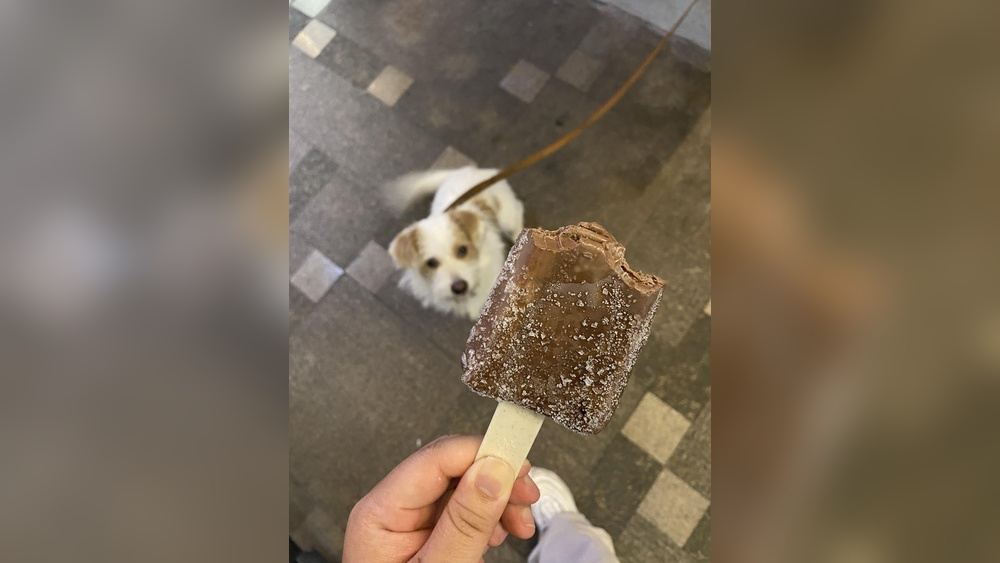
Dogs and popsicles—a combination that sounds fun and harmless, especially on hot summer days. You may have seen cute videos of dogs licking bright, icy treats or perhaps wondered if your own pup can enjoy a popsicle while you cool off.
But is it really safe to let your dog eat popsicles? The answer is not as simple as it seems. While sharing food with your pet can be an act of love, not every human treat is safe for dogs.
Some popsicles are fine, others can be dangerous, and knowing the difference can keep your furry friend healthy and happy.
In this article, you’ll discover everything you need to know before letting your dog taste that icy snack. You’ll learn about the ingredients to avoid, safe homemade recipes, what to do if your dog eats a dangerous popsicle, and how to turn this treat into a healthy part of their diet.
We’ll also clear up common myths and answer the most frequent questions dog owners have about popsicles. Let’s find out if popsicles are truly a cool treat for your canine, or if they hide risks you need to know.
What Are Popsicles Made Of?
Before deciding if dogs can eat popsicles, it’s important to understand what popsicles are made from. Most store-bought popsicles contain a mix of water, sugar, flavorings, artificial colors, and preservatives. Some contain real fruit juice, while others rely on synthetic ingredients. There are also popsicles made with dairy, chocolate, or even sweeteners like xylitol, which are highly dangerous for dogs.
Homemade popsicles can be much simpler, using only fruit, yogurt, peanut butter, or broth. These versions can be safer for dogs, but only if you choose ingredients wisely.
Many people are surprised to learn that the wrong popsicle can cause more harm than good. For example, artificial sweeteners (especially xylitol), chocolate, or grapes in popsicles are toxic to dogs, even in small amounts.
Are Popsicles Safe For Dogs?
The safety of popsicles for dogs depends entirely on the ingredients. Here’s what you need to consider:
Store-bought Popsicles
Most commercial popsicles are not safe for dogs. Here’s why:
- High Sugar Content: Excess sugar can lead to obesity, dental problems, and even diabetes in dogs.
- Artificial Sweeteners: Some popsicles contain xylitol, which is deadly for dogs. Even a small amount can cause a dangerous drop in blood sugar or liver failure.
- Artificial Colors and Flavors: These additives can upset your dog’s stomach and may trigger allergies.
- Chocolate or Grape Flavors: Both are toxic to dogs and should be avoided at all costs.
Homemade Popsicles
Homemade popsicles can be a safe, tasty treat—if you use dog-friendly ingredients. Pure fruit, plain yogurt, unsweetened peanut butter, or even low-sodium broth can be frozen into popsicles that your dog will love. The key is avoiding any ingredient known to be harmful.
Frozen Fruit
Some fruits are safe and refreshing for dogs, like bananas, blueberries, watermelon, and strawberries. But avoid grapes and raisins, which are toxic even in small amounts.
Dairy Concerns
Some dogs are lactose intolerant. While a small amount of yogurt is often safe, too much dairy can cause diarrhea or stomach upset.

Credit: www.reddit.com
Dangerous Ingredients In Popsicles
Understanding the dangers hidden in some popsicles is crucial for every dog owner. Here are the top ingredients to avoid:
- Xylitol: This artificial sweetener is extremely toxic to dogs. Found in some “sugar-free” popsicles, it can cause vomiting, loss of coordination, seizures, and even death.
- Chocolate: Even a small amount can be fatal for dogs due to the compound theobromine.
- Grapes and Raisins: Both can cause kidney failure in dogs.
- Caffeine: Sometimes present in chocolate or coffee-flavored treats.
- Macadamia Nuts: Rare, but sometimes added to ice cream-based popsicles.
- Alcohol: Never give a dog any popsicle containing alcohol.
- Onion or Garlic Powder: Sometimes hidden in savory popsicles or broths.
Even natural fruit popsicles can be dangerous if they contain seeds or pits. For example, apple seeds and peach pits contain cyanide.
Benefits Of Dog-safe Popsicles
When made with the right ingredients, popsicles can offer several benefits for your dog:
- Hydration: Dogs can lose water quickly in hot weather. A popsicle made with water or broth helps keep them hydrated.
- Cooling Effect: Licking a cold treat can help lower a dog’s body temperature and prevent overheating.
- Mental Stimulation: Chewing and licking a popsicle takes time and keeps a dog’s mind busy.
- Nutritional Boost: Using fruits or vegetables can add vitamins and fiber.
- Training Tool: Small popsicles make great rewards during obedience training or after exercise.
However, remember that popsicles should be an occasional treat, not a daily snack.
How To Make Safe Popsicles For Dogs
If you want to share a popsicle with your dog, making them at home is the best option. Here’s a step-by-step guide:
Step 1: Choose Dog-friendly Ingredients
Some of the best ingredients include:
- Banana
- Blueberries
- Strawberries
- Apple (no seeds)
- Pumpkin puree (unsweetened)
- Plain Greek yogurt
- Unsweetened peanut butter (xylitol-free)
- Low-sodium chicken or beef broth
- Carrots
- Watermelon (no seeds or rind)
Step 2: Prepare The Mix
- Wash all fruits and vegetables.
- Remove seeds, pits, and rinds.
- Blend the ingredients with water or yogurt to a smooth consistency.
Step 3: Freeze
- Pour the mixture into ice cube trays, silicone molds, or small paper cups.
- Insert a dog biscuit or carrot stick as a “handle.”
- Freeze for at least 3 hours until solid.
Step 4: Serve
- Pop the treat out of the mold and give it to your dog outside or on a wipeable surface to avoid mess.
Sample Recipe: Banana & Blueberry Yogurt Pops
- 1 ripe banana
- ½ cup blueberries
- 1 cup plain Greek yogurt
- ¼ cup water
Blend all ingredients until smooth, pour into molds, and freeze.
Tips For Success
- Start with small popsicles, especially for small breeds.
- Avoid adding sugar or honey.
- If your dog has allergies, stick to one ingredient at a time.
Table: Safe Vs. Unsafe Popsicle Ingredients For Dogs
Here’s a quick reference guide:
| Safe Ingredients | Unsafe Ingredients |
|---|---|
| Banana, Blueberries, Apple (no seeds), Carrot, Pumpkin, Watermelon (no seeds/rind) | Xylitol, Chocolate, Grapes/Raisins, Artificial Sweeteners, Onion/Garlic Powder |
| Plain Greek Yogurt, Unsweetened Peanut Butter (xylitol-free), Low-sodium Broth | Macadamia Nuts, Alcohol, Caffeine, High-Sugar Syrups |
How Often Can Dogs Eat Popsicles?
Popsicles should be an occasional treat, not a regular part of your dog’s diet. Most veterinarians recommend that treats make up no more than 10% of your dog’s daily calories. For a 30-pound dog, that’s about 50-60 calories from treats per day.
Too many popsicles can lead to:
- Weight gain
- Upset stomach
- Diarrhea
Stick to 1-2 small popsicles per week for most dogs. Always observe your dog for signs of allergies or digestive upset after giving a new treat.
Popsicles For Puppies And Senior Dogs
Puppies
Puppies have sensitive stomachs and may be more prone to diarrhea. Avoid popsicles with dairy or many ingredients. Try freezing plain water or a little low-sodium broth in a small mold.
Senior Dogs
Older dogs may have dental problems or difficulty chewing hard treats. Let popsicles thaw a bit before serving to make them easier to lick. Be extra cautious with ingredients, as some seniors are more sensitive to food changes.
Commercial Dog Popsicles: Are They Safe?
Several brands now sell popsicles made just for dogs. These are usually free of dangerous ingredients, but always check the label. Look for:
- Short, simple ingredient lists
- No added sugar or salt
- No artificial colors or preservatives
Still, homemade popsicles are usually cheaper and fresher.
Table: Comparison Of Popular Dog Popsicle Brands
Here’s how a few popular dog popsicle brands compare:
| Brand | Main Ingredients | Calories per Treat | Artificial Additives |
|---|---|---|---|
| Frosty Paws | Water, Whey, Soy Flour, Meat By-Products | 40 | Some flavors contain artificial flavors |
| Pup Cup Pops | Pumpkin, Peanut Butter, Yogurt | 35 | No |
| Dogsters | Water, Milk, Peanut Butter | 45 | Some flavors contain guar gum |
Always read the ingredient list even if the product is marketed for dogs.
Can Popsicles Help Dogs In Hot Weather?
Heatstroke is a real risk for dogs, especially in summer. Popsicles can help cool your dog, but they are not a replacement for shade, water, and proper care. Watch for signs of overheating such as excessive panting, drooling, or weakness.
Give popsicles:
- During the coolest part of the day
- In moderation to avoid stomach upset
- Alongside plenty of fresh water
Never use popsicles as the only way to cool your dog.
Homemade Popsicle Ideas For Dogs
Looking for inspiration? Try these creative combinations:
- Peanut Butter & Banana: Blend 1 banana with 2 tablespoons of xylitol-free peanut butter and a splash of water.
- Carrot & Apple: Puree cooked carrot and apple (no seeds) with a little water.
- Berry Yogurt: Blend strawberries or blueberries with plain yogurt.
- Frozen Broth Cubes: Freeze low-sodium chicken or beef broth in ice cube trays.
- Pumpkin Pops: Use unsweetened pumpkin puree and mix with water or a little yogurt.
For dogs with allergies, try a single-ingredient popsicle such as frozen mashed sweet potato.
Myths And Misunderstandings
Dog owners often believe some common myths about dogs and popsicles. Here’s the truth:
- Myth: “All fruit popsicles are safe for dogs.”
Fact: Some fruits, like grapes or cherry pits, are toxic.
- Myth: “Sugar-free popsicles are healthier for dogs.”
Fact: Many sugar-free products contain xylitol, which is deadly to dogs.
- Myth: “Dogs need popsicles to stay cool in summer.”
Fact: While popsicles can help, fresh water and shade are much more important.
:strip_icc()/GettyImages-528847309-076a71566dee468cb67f08a5ea744c53.jpg)
Credit: www.thesprucepets.com
What To Do If Your Dog Eats A Harmful Popsicle
If your dog accidentally eats a popsicle with dangerous ingredients, act fast:
- Check the Ingredients: Identify what your dog ate. Look for xylitol, chocolate, grapes, or artificial sweeteners.
- Call Your Veterinarian: If the popsicle contains any toxic ingredient, call your vet or an animal poison hotline immediately.
- Watch for Symptoms: Vomiting, diarrhea, shaking, weakness, or seizures are signs of poisoning.
- Do Not Wait: Quick action can save your dog’s life.
If the popsicle only contained sugar, monitor for upset stomach or diarrhea. For more serious ingredients, emergency care is needed.
Table: Symptoms Of Popsicle Ingredient Poisoning In Dogs
| Toxic Ingredient | Possible Symptoms | Time to Onset |
|---|---|---|
| Xylitol | Vomiting, weakness, seizures, collapse | 10-60 minutes |
| Chocolate | Restlessness, rapid breathing, tremors | 6-12 hours |
| Grapes/Raisins | Vomiting, loss of appetite, kidney failure | 6-24 hours |
Practical Tips For Serving Popsicles To Dogs
- Serve outside or on a washable surface to avoid sticky messes.
- Supervise your dog: Popsicles can be a choking hazard, especially for small breeds or if served on a stick.
- Break into smaller pieces for small or senior dogs.
- Introduce new ingredients slowly to watch for allergies.
- Avoid wooden sticks: Dogs might chew and swallow them, causing injury.
Non-obvious Insights Most Owners Miss
- Cold Sensitivity: Some dogs are sensitive to cold foods and may shiver or avoid eating popsicles. Start with a small amount and see how your dog reacts.
- Dental Issues: Dogs with dental problems might find hard popsicles painful. Let popsicles thaw slightly or use softer ingredients.
- Ingredient Interactions: Combining multiple safe ingredients can still upset a sensitive stomach. Always test new treats one ingredient at a time.
- Boredom Buster: Popsicles can help reduce boredom and destructive behavior, especially if stuffed with a favorite toy or treat inside.
- Calorie Counting: Even healthy popsicles add calories. Adjust your dog’s regular food if you give treats often.
When Should Dogs Not Have Popsicles?
Skip popsicles if your dog:
- Has a history of allergies
- Is lactose intolerant
- Has diabetes (avoid all sugary treats)
- Is overweight
- Has had pancreatitis or digestive problems
If you’re unsure, ask your veterinarian before introducing new treats.
How Popsicles Fit Into A Healthy Dog Diet
Treats like popsicles should never replace a complete, balanced diet. Use popsicles:
- As occasional rewards
- For training
- To help with hot weather
Always provide fresh water and a high-quality dog food as the main part of your dog’s nutrition. If you make popsicles a regular habit, reduce other treats to avoid weight gain.

Credit: www.youtube.com
Final Thoughts
Popsicles can be a fun, refreshing treat for your dog—if you make smart, safe choices. Most store-bought popsicles are not suitable due to high sugar, artificial additives, or toxic ingredients. Homemade popsicles, using dog-safe fruits, yogurt, or broth, are the best option.
Always check ingredients carefully, offer popsicles in moderation, and watch for any unusual symptoms. With a little planning, you can help your dog enjoy summer just as much as you do.
For more information about dog nutrition and safety, check reliable resources like the ASPCA Animal Poison Control Center.
Frequently Asked Questions
Can Dogs Eat Popsicles Made For Humans?
Most human popsicles are not safe for dogs. They often contain too much sugar, artificial sweeteners like xylitol, or other additives that can harm dogs. Always check the ingredients before sharing.
What Is The Safest Popsicle Flavor For Dogs?
Simple flavors made from pureed banana, blueberries, or plain yogurt are usually safe. Avoid any flavors with chocolate, grapes, or artificial sweeteners.
How Can I Tell If A Popsicle Has Xylitol?
Check the ingredient list on the packaging. Xylitol may also be listed as “sugar alcohol. ” If you’re not sure, do not give the popsicle to your dog.
Are There Any Store-bought Popsicles That Are Safe For Dogs?
A few brands make popsicles specifically for dogs, with simple, dog-safe ingredients. Always check the label for anything that might be unsafe.
What Should I Do If My Dog Has Diarrhea After Eating A Popsicle?
Stop giving popsicles and offer plenty of water. If diarrhea lasts more than 24 hours or your dog shows other symptoms like vomiting, call your veterinarian.
With the right knowledge, you can safely let your dog enjoy a cool treat—without risking their health.