Can Dogs Eat Dates?
When I’m enjoying a sweet snack, my dog often looks up with hopeful eyes. That makes me ask: can dogs eat dates? Dates are the chewy, sweet fruit from the date palm. They show up in kitchens worldwide as snacks, natural sweeteners, and recipe ingredients. But dogs have different digestion than we do. Some fruits that are healthy for people can cause trouble for pets. In this article I’ll explain whether dates are safe for dogs, what benefits and risks to watch for, how to feed them safely, and common mistakes to avoid. I’ll also share a bit of the science behind dates and canine nutrition so you can make smarter choices for your dog.
What Are Dates?
Dates are the fruit of the date palm. These trees grow mainly in the Middle East and North Africa. People have eaten dates for thousands of years. We use them as a sweet snack, a natural sugar substitute, or an energy boost. Dates are packed with natural sugar, fiber, and some key minerals.
A typical date is:
- About 2–3 inches long
- Brown to dark brown in color
- Soft and chewy, with a pit inside
There are many varieties, like Medjool, Deglet Noor, and Barhi. Medjool dates are usually the biggest and sweetest. Dates are often harvested ripe and left to dry. Drying concentrates their sugar, making them sweeter than fresh fruit. You’ll find dates in energy bars, smoothies, and many traditional dishes.
Nutritional Profile Of Dates
Dates are high-energy. Here is the average nutrition per 100 grams (about 4–5 dates):
| Nutrient | Amount |
|---|---|
| Calories | 277 |
| Sugar | 63 grams |
| Fiber | 7 grams |
| Potassium | 696 mg |
| Magnesium | 54 mg |
| Vitamin B6 | 0.2 mg |
Most calories come from natural sugars like glucose and fructose. Dates also supply fiber, which helps digestion, and potassium, which supports heart and muscle function.
They contain small amounts of iron, calcium, and vitamin K. These micronutrients can help bone and blood health, but the amounts are modest. Even though the sugar is “natural,” it is still high—much higher than most common fruits.
Are Dates Safe For Dogs?
Short answer: yes, dates are not toxic to dogs. Unlike grapes, raisins, or chocolate, dates don’t contain known dog poisons. That said, “safe” does not mean “ideal.” Dates pack a lot of sugar and calories. Eating too many can cause weight gain, digestive upset, or worsen blood sugar control in diabetic dogs.
If your dog has never tried dates, start with a tiny piece first. Watch for any stomach upset, allergic signs, or behavioral change. I always offer a small test portion and watch my dog for several hours. That slow approach lowers the risk of surprises.
Dates Vs. Other Fruits
Some fruits are dangerous for dogs—grapes and raisins can cause kidney failure. Other fruits, such as apples and bananas, are safer in small amounts. Dates sit in the middle. They’re not poisonous, but they aren’t the best daily snack either because of high sugar and sticky texture.
Here’s a quick comparison of popular fruits for dogs:
| Fruit | Safe for Dogs? | Key Risks |
|---|---|---|
| Dates | Yes (in moderation) | High sugar, pit hazard |
| Grapes/Raisins | No | Toxic, causes kidney failure |
| Apples | Yes (without seeds) | Seeds contain cyanide |
| Bananas | Yes | High sugar |
| Cherries | No (pit and stem toxic) | Cyanide in pit/stem |
Insight: Many owners forget that non-toxic fruits can still cause problems if fed too often. The main issue with dates is sugar, not toxicity. For dogs with special health needs, even safe fruits can be risky if offered frequently.
Health Benefits Of Dates For Dogs
Dates contain nutrients that can help dogs in small amounts. Potential benefits include:
- Quick energy boost: The natural sugars in dates give fast energy. This can help a very active dog briefly, such as a working or agility dog.
- Digestive support: Dates provide fiber. That can ease mild constipation in some dogs. But the fiber is concentrated—only a tiny amount is needed.
- Minerals: Potassium and magnesium support heart, muscle, and nerve function. These help overall wellness but are usually covered by balanced dog food.
- Antioxidants: Dates contain flavonoids, carotenoids, and phenolic acids. These antioxidants help reduce oxidative stress and may help inflammation in older dogs.
Dates also offer small amounts of vitamin B6, which supports metabolism and brain health. Still, the sugar load makes them poor candidates for daily snacks. I treat dates like a specialty reward rather than a regular treat.
How Much Is Enough?
Dogs don’t need dates in their diet. Dates are a treat. If you give them, keep portions small. For a medium dog, never more than one date per day. For a small dog, limit to half or a quarter of a date.
Practical tip: Dates work best when a dog needs quick energy—during long hikes or after illness. For everyday training treats, choose lower-sugar options to avoid calorie overload.
Risks And Side Effects Of Dates For Dogs
Dates are safe in small amounts, but they carry risks. Here’s what to watch for:
Sugar Overload
Dates are very sweet. Too much sugar can cause:
- Weight gain
- Raised blood sugar
- Risk of diabetes or worsening diabetes
- Dental problems, like tartar and cavities
Dogs don’t process sugar like people do. If your dog is overweight, diabetic, or has dental disease, skip dates entirely. I avoid sugary snacks for dogs with any metabolic issues.
Digestive Problems
The fiber in dates is helpful in tiny amounts, but too much can cause:
- Diarrhea
- Gas
- Stomach upset
Start with very small pieces if your dog isn’t used to fiber-rich foods. If stool softens or your dog develops loose stools after dates, stop feeding them and check with your vet.
Pit Hazard
Date pits are hard and can cause choking or an intestinal blockage. Always remove pits before feeding dates. I slice dates open and fish out the pit every time. Don’t let a dog swallow a whole date with the seed.
Allergic Reactions
Some dogs have food sensitivities. Signs of an adverse reaction can include:
- Itching or hives
- Swelling of face or throat
- Vomiting
- Diarrhea
Stop feeding dates at the first sign of an allergy. Introduce new foods slowly and watch for any reaction for 24–48 hours.
Mold And Spoiled Dates
Like any dried fruit, dates can spoil or grow mold if stored poorly. Moldy dates can cause stomach upset or worse. Keep dates in a sealed container in a cool, dry place. If they smell off, look shriveled beyond normal, or show visible mold, toss them.
Hidden insight: Pet owners sometimes forget that dried fruit can go bad. I check bulk packages regularly and never feed dates that look or smell wrong.

Credit: www.thedodo.com
How To Feed Dates To Your Dog Safely
If you choose to give dates, follow these steps:
- Choose fresh, intact dates: Pick soft, moist, mold-free dates. Avoid overly dry, hard ones that can be tough to chew.
- Remove the pit: Slice the date and pull out the seed. Never give a dog a date with a pit inside.
- Cut into small pieces: Dice dates into tiny bits to reduce choking risk. Small dogs need smaller pieces.
- Limit portion size: Keep servings small. One small piece per day is enough for most dogs. For medium dogs, limit to one date max per day.
- Watch your dog: Observe for allergies, digestive changes, or unusual behavior after feeding dates.
Practical Example
If your dog weighs 40 pounds, offer half a Medjool date, cut into tiny pieces. For a 10-pound dog, a quarter of a date is plenty. For giant breeds, a whole date once in a while is okay, but I still favor smaller portions.
Safe Serving Ideas
- Mix small date pieces into your dog’s regular food as an occasional flavor boost.
- Use tiny date bits as a special reward in training sessions.
- Add dates to homemade dog treats, but check all other ingredients for safety (avoid xylitol, chocolate, certain nuts, and artificial sweeteners).
I sometimes make energy balls for long hikes. A safe combo is oats, a small amount of mashed banana or pumpkin, xylitol-free peanut butter, and a little date—finely chopped. Keep the date amount minimal and only give one small ball as an occasional treat.
Common mistake: Don’t combine dates with other sugary snacks. Even homemade treats can add up quickly in sugar and calories.
Dates In Commercial Dog Treats
Some commercial dog treats use dates or date syrup for sweetness and fiber. Read the label. Avoid products with added refined sugar, artificial flavors, or ingredients not intended for dogs. Natural fruit is usually better, but total sugar still matters.
Treats marketed for humans that contain dates are not automatically safe for dogs. Make sure the product is formulated for canine consumption and free of toxic ingredients.
Comparing Dog Treats With And Without Dates
| Treat Type | Contains Dates? | Calories per Treat | Added Sugar? |
|---|---|---|---|
| Natural Fruit Treat | Yes | 25 | No |
| Biscuit Treat | No | 35 | Yes |
| Meat-Based Treat | No | 40 | No |
Treats with dates can be lower in calories than some biscuits. Still, they carry natural sugar. Pick treats with simple ingredients and minimal sugar. For everyday rewards, choose vegetables or lean-meat treats.
When Should You Avoid Dates For Dogs?
Avoid dates if:
- Your dog has diabetes or blood sugar issues.
- Your dog is overweight or on a calorie-restricted plan.
- Your dog has dental disease or poor oral hygiene.
- Your dog has known food allergies or sensitivities.
- You can’t supervise your dog while it eats (choking risk).
If in doubt, check with your veterinarian. Puppies, seniors, and dogs with pancreatitis or chronic digestive problems are more sensitive to excess sugar and fiber. I generally avoid giving dates to dogs in these groups.
The Science Behind Dates And Dog Nutrition
Dogs are omnivores. They can eat both animal and plant foods. But their diet should be heavy on animal protein and fat. Fruits and carbs play a minor role.
Research shows dogs can digest simple sugars, but large amounts strain the pancreas and liver. Fiber can be helpful for gut health, but too much causes loose stools. Dates provide both sugar and fiber—so moderation is essential.
The Association of American Feed Control Officials (AAFCO) recommends dog food be low in sugar and balanced in fiber. Dates do not belong in a regular, balanced dog food formula. They are best reserved for rare treats.
Research On Dates In Animal Diets
A study in the Journal of Animal Science tested dates in animal feed. Small amounts did not harm dogs, but they didn’t improve long-term health either. The main effect was a short-lived energy boost. Nutritionists note dogs aren’t adapted to regular sweet fruit intake. Their systems absorb sugar quickly, causing spikes in blood glucose. Use dates sparingly as a treat, not a staple.
Useful tip: If your dog needs more fiber or specific vitamins, consult your vet for targeted supplements or a vetted diet plan. Dates are not a reliable source for correcting nutritional deficiencies.

Credit: vetic.in
Alternatives To Dates For Dogs
If you want to give your dog something sweet, consider these lower-sugar options:
- Apple slices (no seeds)
- Banana pieces (small amounts)
- Blueberries
- Carrot sticks
- Pumpkin puree (plain, not pie filling)
These choices are lower in sugar and safer for more frequent rewards. You can also try cucumber slices, seedless watermelon (no rind), or cooked sweet potato. Many vegetables help with dental health since they add crunch.
Comparing Dates And Alternatives
Sugar content per 100 grams:
| Food | Sugar (g/100g) | Fiber (g/100g) | Safe for Dogs? |
|---|---|---|---|
| Dates | 63 | 7 | Yes (in moderation) |
| Apple | 10 | 2.4 | Yes (remove seeds) |
| Banana | 12 | 2.6 | Yes |
| Carrot | 4.7 | 2.8 | Yes |
| Pumpkin | 2 | 2.5 | Yes |
Non-obvious insight: Many people assume bananas are as sugary as dates. They’re not—dates have roughly five times the sugar. For daily treats, prefer apples or carrots. They’re crunchy and help clean teeth, too.
How To Spot Problems After Feeding Dates
Watch for these signs after your dog eats dates:
- Vomiting or diarrhea
- Lethargy or unusual hyperactivity
- Swollen or painful abdomen
- Signs of choking or trouble breathing
If you notice any of these, call your veterinarian. If your dog swallowed a pit, watch for signs of intestinal blockage: persistent vomiting, refusing food, or constipation. Blockages may show up hours or days later, so keep observing your dog closely.
Mild gas or soft stools are common if your dog isn’t used to fiber. If that happens, stop feeding dates and choose a gentler treat option.
Real-life Experiences: Owners Share Their Stories
I’ve heard many owner stories. Two typical ones:
- Sarah from Texas: “I gave my golden retriever a small piece of date for training. He liked it, but the next day he had mild diarrhea. Now I stick to blueberries.”
- Luis from California: “My dog ate a whole date, pit included. He started coughing and threw up the pit. Luckily, no harm done. Now I always remove pits and cut dates into tiny bits.”
These stories highlight the need for moderation and preparation. Some dogs love dates. Others find them too sticky or rich.
Expert Recommendations
Veterinarians and pet nutritionists generally agree: dates are safe in tiny amounts, but they are not necessary for a healthy diet. Common professional advice includes:
- Use dates only as a rare treat
- Always remove pits
- Watch for digestive issues
- Pick low-sugar alternatives for everyday snacks
If your dog has health issues, consult your vet before adding new human foods. You can find more guidance from the ASPCA. I check with my vet when trying new treats, especially for dogs with medical histories.
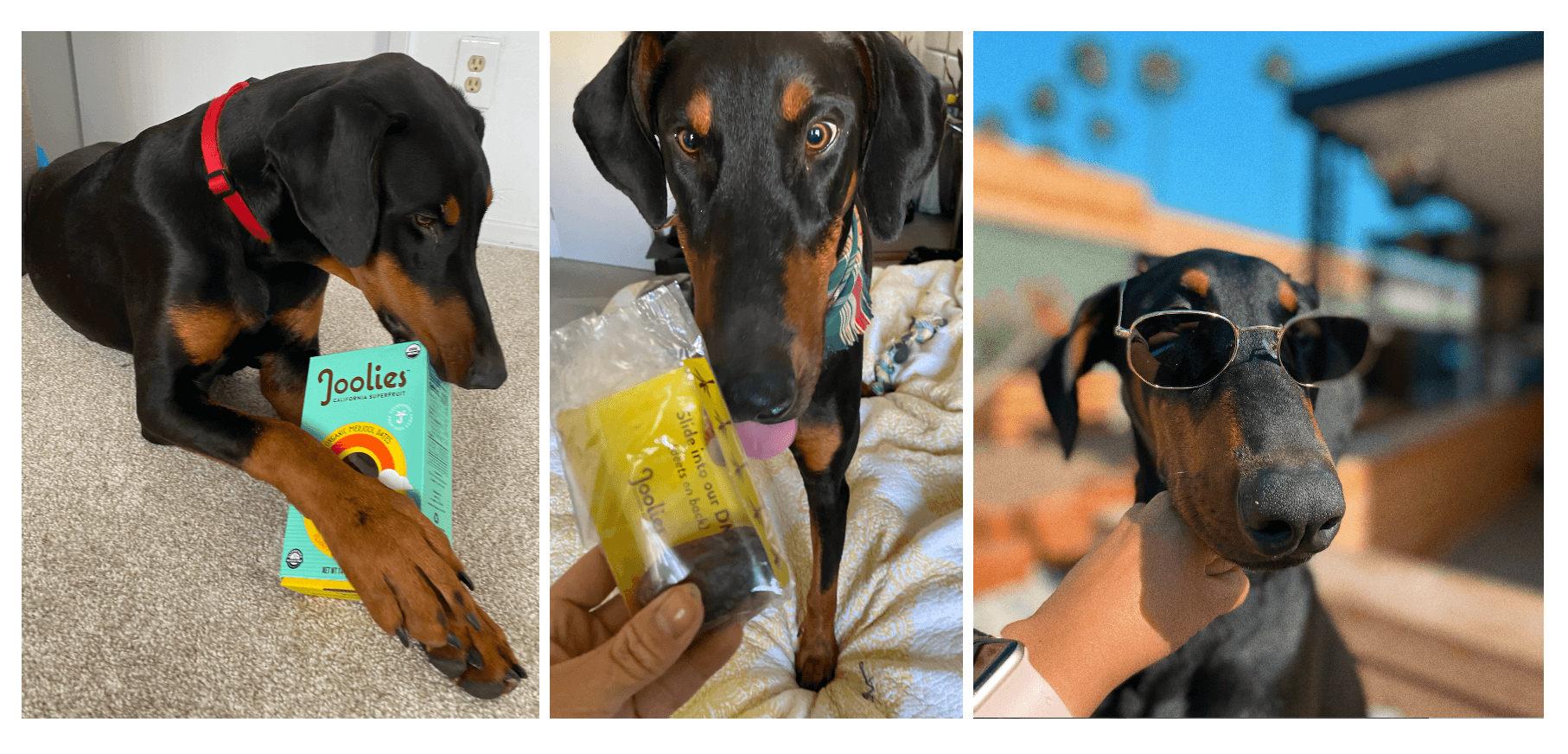
Credit: blog.joolies.com
Frequently Asked Questions
Can Dogs Eat Dates Every Day?
No. Dates are high in sugar and calories. Daily feeding risks weight gain, diabetes, and digestive upset. Keep dates as an occasional treat only.
Are Date Pits Dangerous For Dogs?
Yes. Pits are choking hazards and can cause intestinal obstruction. Remove pits before feeding dates.
How Many Dates Can I Give My Dog?
For most dogs, one small piece (less than half a date) is safe. A medium dog can have one whole date at most. Small dogs should get a quarter of a date. Start tiny and watch for side effects.
What Should I Do If My Dog Eats A Whole Date With The Pit?
Stay calm and monitor your dog. If your dog chokes, vomits, or seems in pain, call your vet immediately. Many dogs pass pits without issue, but blockages can occur and need prompt attention.
Are Dried Dates Better Or Worse Than Fresh Dates For Dogs?
Both fresh and dried dates have similar sugar and fiber. Dried dates can be stickier and harder, increasing choking risk. Always cut into small pieces and remove the pit, no matter which type you use.
Final Thoughts
Yes—dogs can eat dates, but only in very small amounts and with care. Dates are not toxic, but their high sugar content makes them a risky snack for many dogs. Remove the pit, cut dates into tiny pieces, and use them as an occasional reward, not a daily treat. If you prefer a safer regular snack, choose low-sugar fruits and vegetables like apples or carrots. When in doubt, consult your veterinarian. Your dog’s long-term health matters more than a tasty human treat.
If you have more questions about feeding human foods to dogs, or want a simple, vet-approved homemade treat recipe that uses dates safely, tell me your dog’s weight and health status—I’ll personalize suggestions based on that.