No, puppies should not eat adult dog food long-term; they need puppy-formulated nutrition.
As a veterinarian-adjacent writer with years of hands-on experience feeding and raising litters, I’ll walk you through whether can puppies eat adult dog food, why it matters, and how to handle real-life situations. This guide explains nutrient differences, risks, timing for switching, transition steps, and practical tips I’ve learned working with breeders and new pet parents. Read on to make the best, evidence-based choice for your growing dog.
Why diet matters for growing puppies
Puppies grow fast. Their bodies need more calories and different nutrients than adult dogs. Proper nutrition supports bone growth, brain development, immune health, and steady weight gain.
Getting diet right in the first months reduces the risk of lifelong problems. When asking can puppies eat adult dog food, remember growth needs are the main reason to choose life-stage food. Tailoring food to age helps avoid growth plate problems and nutrient gaps.

Key differences between puppy and adult dog food
Puppy formulas are made for growth. Adult food is made to maintain weight and health. The differences include:
- Higher calories per cup in puppy food to fuel growth and play.
- More protein and higher-quality protein for muscle and tissue development.
- Increased calcium and phosphorus in controlled ratios to support bone growth.
- Added DHA and omega fatty acids for brain and eye development.
- Smaller kibble sizes and textures for tiny mouths and developing teeth.
- Different vitamin and mineral balances to meet higher developmental needs.
These differences explain why the question can puppies eat adult dog food usually has a firm "not as a habit" answer.
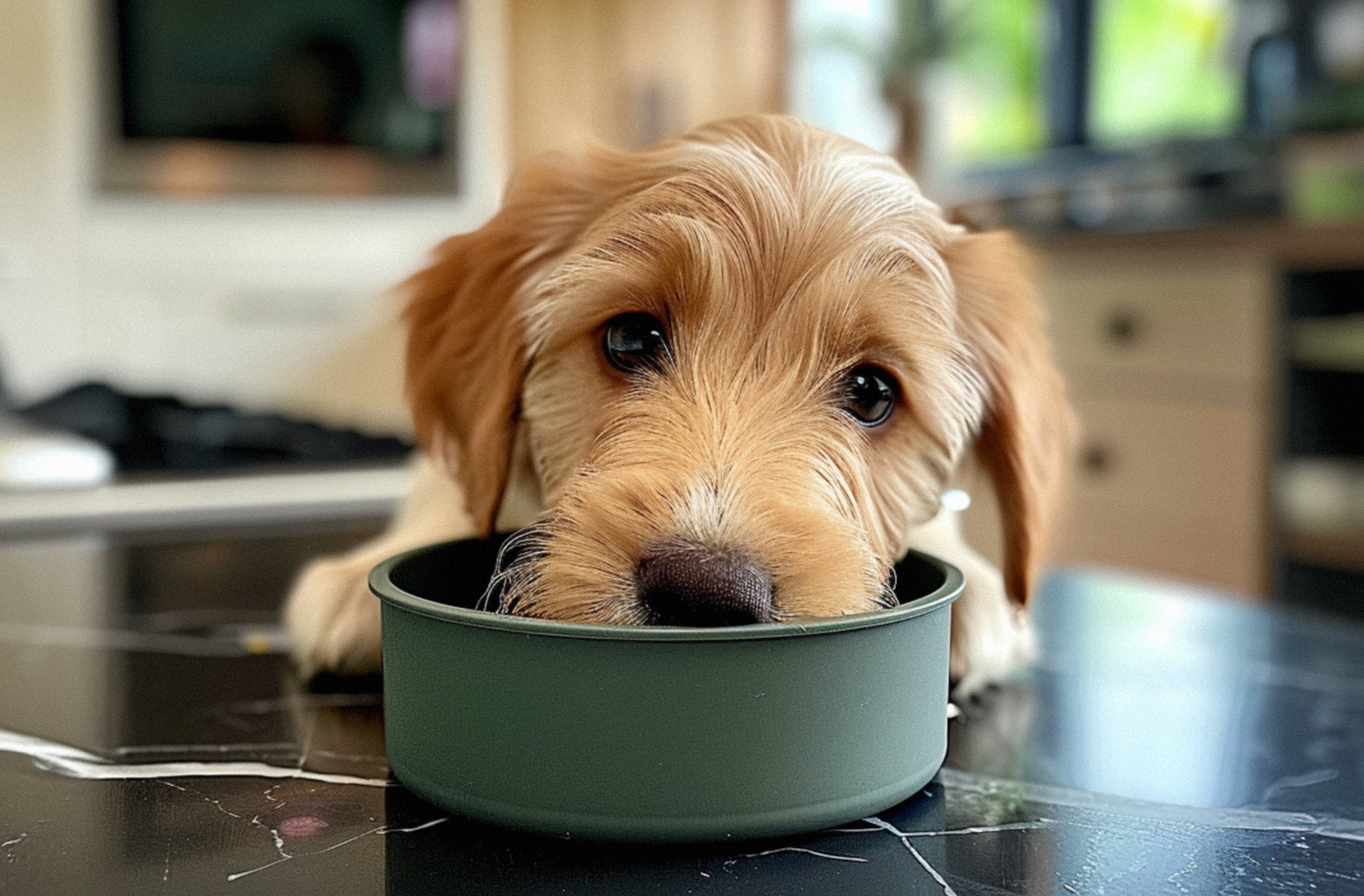
Risks of feeding puppies adult dog food
Feeding adult dog food to puppies regularly can cause problems. Short-term effects may include upset stomach or poor weight gain. Long-term risks are more serious:
- Nutrient deficiencies that slow growth or weaken immunity.
- Improper calcium-phosphorus balance that can harm bone and joint development.
- Underconsumption of calories leading to stunted growth.
- Overconsumption of certain minerals causing metabolic stress in some breeds.
- Increased risk of obesity if adult food is too calorie-dense in the wrong balance for a growing pup.
These risks depend on breed, age, and the specific adult formula. For many puppies, adult food simply does not match developmental needs.

When can puppies eat adult dog food?
The timing depends on the puppy’s size and breed. General guidelines:
- Small breeds: often ready for adult food around 9 to 12 months.
- Medium breeds: usually transition between 12 and 14 months.
- Large and giant breeds: may remain on puppy food until 12 to 24 months, based on growth monitoring.
- Emergency or short-term situations: a single meal of adult food is okay, but avoid making it routine.
Always consult your veterinarian about breed-specific timing. If you’re asking can puppies eat adult dog food for a particular pup, factor in growth rate, body condition, and vet advice.
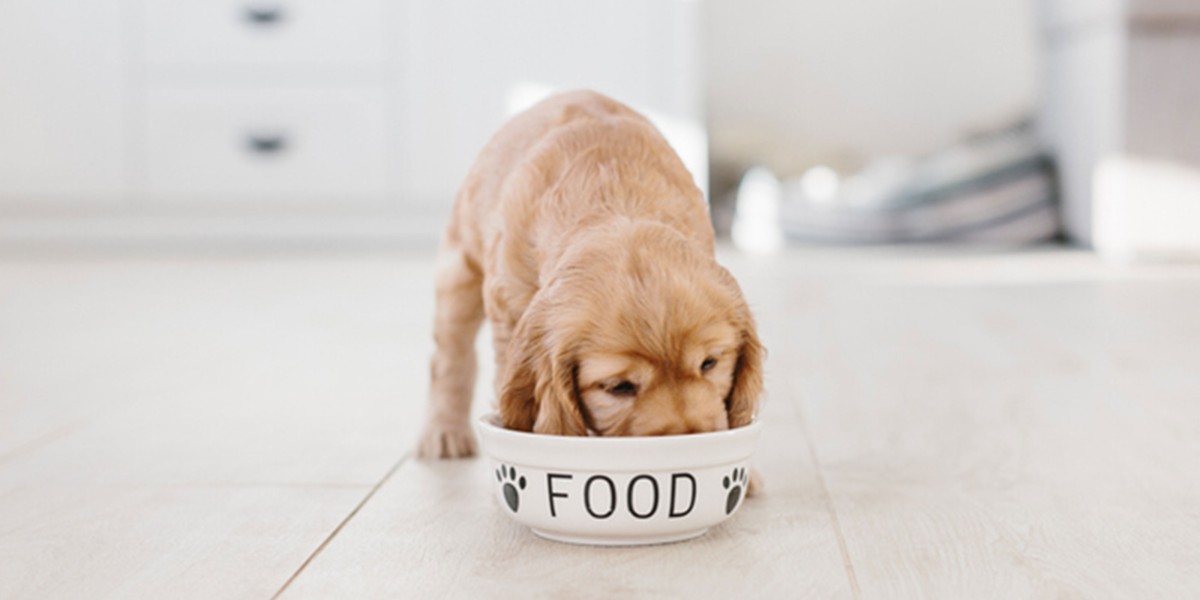
How to transition from puppy to adult food safely
Switch gradually to reduce digestive upset. A simple plan:
- Day 1–3: 75% puppy food + 25% adult food.
- Day 4–6: 50% puppy food + 50% adult food.
- Day 7–9: 25% puppy food + 75% adult food.
- Day 10: 100% adult food, if tolerated.
Monitor stool, appetite, energy, and weight throughout the switch. If diarrhea, vomiting, or appetite loss occurs, slow the transition or consult your vet.
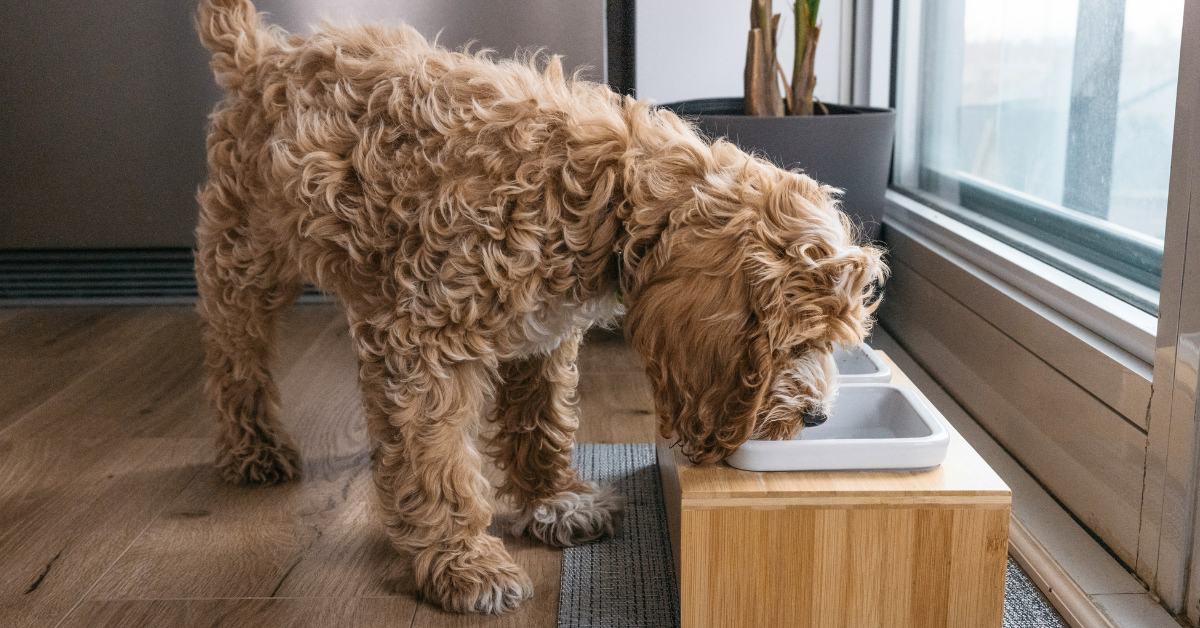
Feeding schedule and portioning by age and size
Feed by age and body condition, not just the cup on the bag. Tips:
- 6–12 weeks: 3–4 small meals daily to match puppy stomach size.
- 3–6 months: 3 meals daily while growth is rapid.
- 6–12 months: move to 2–3 meals daily as appetite steadies.
- After maturity: 2 meals daily usually suffice.
Adjust portions using the feeding guide on the puppy food, then tweak based on weight, activity, and vet checks. If you switch to adult food, reduce or adjust calories to prevent excess weight gain.

Signs adult food isn't right for your puppy
Watch for clear signals your puppy needs a different diet:
- Soft stools, diarrhea, or vomiting after meals.
- Slower growth or weight loss when expected to gain.
- Poor coat quality or dullness.
- Low energy or poor play drive.
- Joint or bone complaints in large-breed pups.
If you see these signs while feeding adult food, switch back to puppy formula and consult a veterinarian.
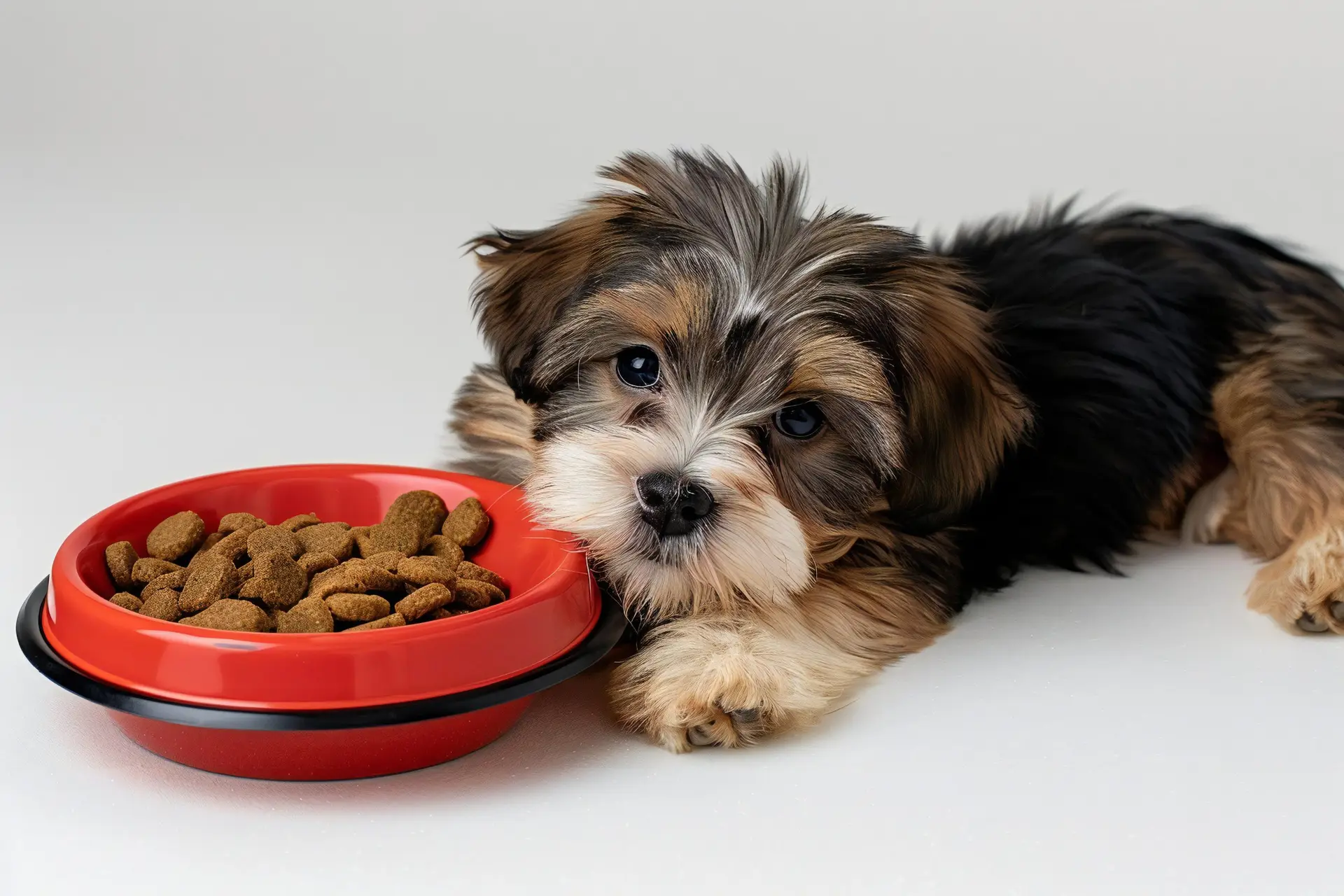
My experience: lessons learned and practical tips
I’ve helped multiple families with early feeding mistakes. One common error is switching too soon to adult food to save money. Result: loose stools and slower weight gains that needed correction.
Practical tips I use and recommend:
- Buy a high-quality puppy formula from a reputable brand.
- Look for life-stage feeding statements on the bag to confirm suitability.
- Keep growth charts and monthly weight logs for puppies.
- If cost is a concern, ask your vet for budget-friendly puppy diet options or quantity feeding tips.
- Always consult your vet for breed-specific advice, especially for large breeds.
These steps kept my litters healthy and reduced growth-related issues.

Frequently Asked Questions of can puppies eat adult dog food
Can puppies eat adult dog food for one meal?
Yes. A single meal of adult dog food is unlikely to harm a healthy puppy, but it should not become a habit. Return to puppy-formulated food as soon as possible.
Is there any puppy older than which can eat adult dog food?
Puppies typically switch between 9 and 24 months, depending on breed size. Follow your veterinarian’s guidance for the right timing.
Will adult dog food cause diarrhea in puppies?
It can, especially if switched abruptly or if the adult food has different fat or fiber content. Transition slowly and watch for digestive upset.
Can feeding adult food stunt a puppy’s growth?
Chronic feeding of adult food that lacks puppy-level nutrients may impair growth or bone health. Use puppy formulas during key growth phases to avoid this risk.
Are homemade adult diets okay for puppies?
Homemade adult diets often lack balanced puppy nutrients unless formulated by a veterinary nutritionist. Consult a professional before using homemade food for growing pups.
Conclusion
Puppies need food designed for growth, so can puppies eat adult dog food is a question best answered with caution: short-term is okay, but long-term use risks nutrient gaps and growth problems. Follow life-stage feeding, monitor your pup closely, and transition slowly when the time comes. Take action now by checking your pup’s food label, tracking weight, and scheduling a vet check to confirm the right diet. Share your puppy feeding story or questions below — I’d love to help.