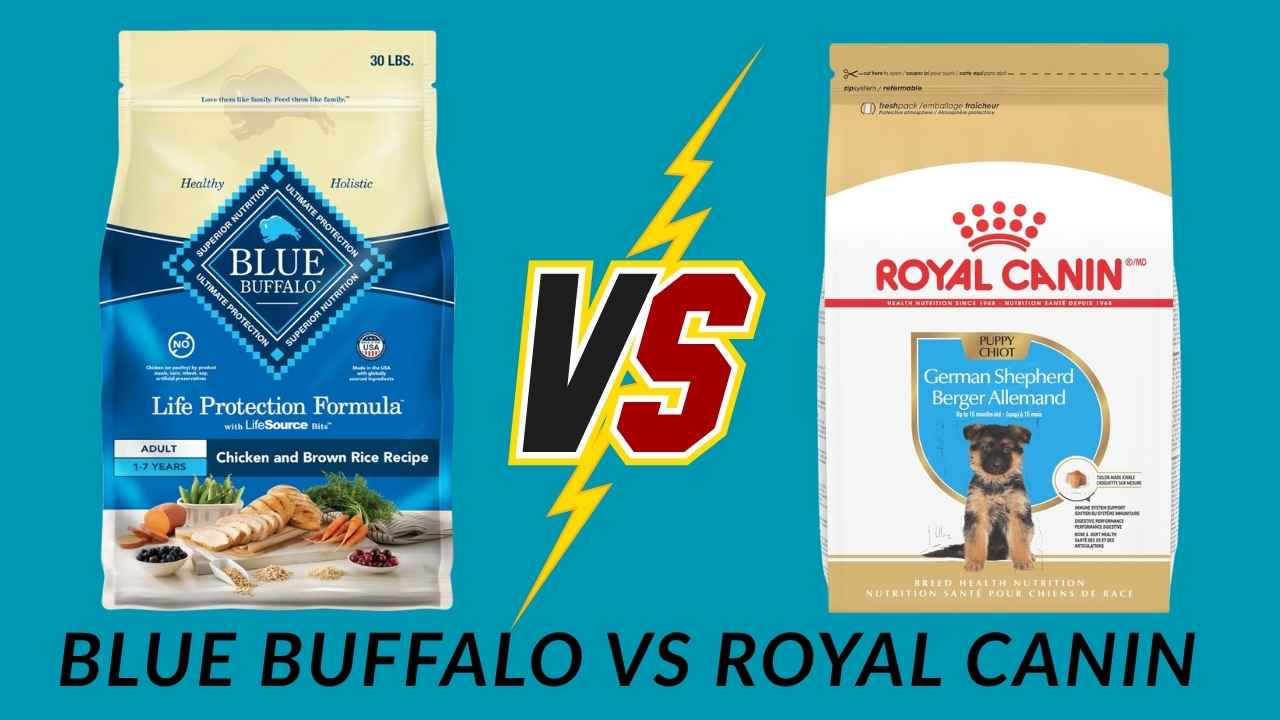
Choosing between Blue Buffalo vs Royal Canin can feel like standing in the pet food aisle, staring at endless colorful bags, wondering what’s actually best for your furry friend. I’ve been there too — overwhelmed, comparing labels, and feeling guilty about every decision. Both brands are popular and trusted, but they take very different approaches to pet nutrition.
Let’s talk honestly about what sets them apart, based on real experiences and what both vets and pet owners have shared. I’ll walk you through how each brand works, what pet parents have noticed, and how you can choose what’s right for your dog.
Why Choosing the Right Food Matters
Feeding your dog isn’t just about filling their bowl — it’s about giving them energy, health, and comfort every single day. The right food can make a huge difference in their coat, digestion, and even mood. And when the price of good food keeps climbing, many of us start asking: “Is there a better (and more affordable) option out there?”
That’s how many dog (and cat) owners end up comparing Blue Buffalo vs Royal Canin. Both are well-known, both are marketed as “premium,” and both have loyal fans — but the experiences are mixed.
Royal Canin: Science and Specificity
Let’s start with Royal Canin, the brand known for its breed-specific formulas and strong reputation among veterinarians.
Royal Canin focuses heavily on research. They don’t just make “one-size-fits-all” food — instead, they study different dog breeds and create recipes tailored to each one. For example, a Chihuahua’s food has smaller kibble and higher energy content compared to a Great Dane’s, which needs larger kibble and controlled calories for joint health.
What people like about Royal Canin:
- It’s vet-recommended, especially for dogs with medical or dietary issues.
- The brand offers targeted nutrition for breeds, sizes, and specific conditions (like urinary health, allergies, or sensitive digestion).
- Many owners say their dogs have fewer stomach problems and more consistent energy after switching to Royal Canin.
But not everyone’s thrilled about it.
Common complaints about Royal Canin:
- The price is steep — many owners said their bags now cost around $60–$70, which adds up fast.
- Some find the ingredients list less “natural” compared to newer brands like Blue Buffalo.
- A few owners mentioned that while it works well, it doesn’t always seem worth the high cost for healthy dogs.
If your dog has a health condition or your vet specifically recommends it, Royal Canin is often a safe bet. But for everyday feeding, especially when budgets are tight, many people start exploring other options.
Blue Buffalo: Natural Ingredients and Mixed Experiences
Now let’s look at the other side — Blue Buffalo, the brand you’ve probably seen in commercials promising “real meat, real ingredients, no by-products.”
Blue Buffalo markets itself around being natural and wholesome. Their foods often feature ingredients like deboned chicken, brown rice, sweet potatoes, cranberries, and oatmeal. There are no artificial colors, flavors, or preservatives. For many owners, that sounds like exactly what they want — simple, clean nutrition.
Why people switch to Blue Buffalo:
- It’s more affordable than Royal Canin (often nearly half the price).
- The ingredient list feels more natural and “human-like.”
- There’s a wide range of formulas — from grain-free to life-stage-specific blends for puppies, adults, and seniors.
However, experiences with Blue Buffalo vary quite a bit. Some owners report their dogs thrived on it — shinier coats, more energy, and solid digestion. Others weren’t so lucky.
What some pet owners didn’t like:
- A few noticed digestive issues like bloating or overeating (especially with the Blue Wilderness formula).
- Some reported their dogs acted hungrier or gained weight faster.
- There have been recall concerns in the past, and a few vets are cautious about recommending it because of quality consistency.
One owner shared that their dog seemed to eat twice as much Blue Buffalo as before and looked bloated after meals. Another said their vet “flat out called Blue Buffalo garbage” and preferred brands like Royal Canin or Hill’s Science Diet for their research-based formulations.
Still, others said their dogs loved Blue Buffalo and had zero problems — showing that it really depends on the individual dog.
Price vs. Performance
This is often where the Blue Buffalo vs Royal Canin debate gets personal.
Royal Canin can cost almost double, depending on the formula and bag size. But many owners justify it because their dogs stay healthy on it — and they’d rather spend on prevention than on vet visits later.
Blue Buffalo, on the other hand, feels budget-friendly and premium at once. For someone feeding multiple pets, that price difference really adds up. It’s easy to see why people want to try it, especially when Royal Canin keeps climbing in price.
Yet, as several owners mentioned, cheaper food that doesn’t agree with your dog’s stomach can end up costing more in vet bills. The key takeaway from most real-world experiences is: “What works for one dog might not work for another.”
Ingredient Comparison: What’s Really in the Bag?
When comparing Blue Buffalo vs Royal Canin, the ingredient list is where most people start forming opinions. On the surface, Blue Buffalo looks more “natural,” while Royal Canin reads more like a science project — but there’s a reason for that difference.
Blue Buffalo Ingredients: Real Meat and Whole Foods
Blue Buffalo takes pride in using real meat as the first ingredient. For example, you’ll often see “deboned chicken” or “salmon” listed first, followed by grains like brown rice or oatmeal. The brand also includes fruits and vegetables such as sweet potatoes, blueberries, and peas, which make the ingredient list feel wholesome and familiar.
You’ll also find Blue Buffalo’s signature “LifeSource Bits” — those small, dark kibbles mixed in with the regular food. They’re packed with antioxidants, vitamins, and minerals, designed to stay potent even after cooking.
Why pet parents like this approach:
- It feels closer to a natural diet — minimal processing, recognizable ingredients.
- Dogs with allergies or grain sensitivities often do well with their grain-free or limited-ingredient lines.
- The brand avoids by-product meals and artificial preservatives, which appeals to owners who want clean, honest food.
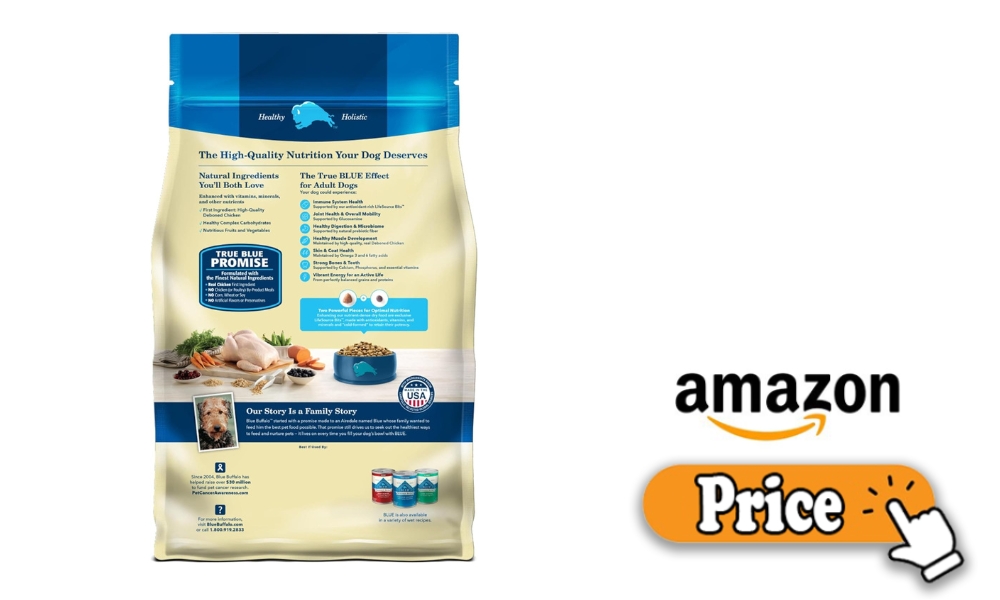
But that doesn’t automatically make it perfect. Some owners found that their dogs struggled with digestion, especially when switching too quickly. The high-protein, grain-free recipes — like Blue Wilderness — can be a bit rich for certain breeds or sensitive stomachs.
One dog owner mentioned their pup started eating too fast and seemed bloated after switching to Blue Buffalo. Another said their dog began itching more, and their vet suspected a chicken-based sensitivity — something quite common in many dogs.
Royal Canin Ingredients: Designed by Science, Not Nature
At first glance, Royal Canin’s ingredient list might seem less appealing. You’ll often see things like “chicken by-product meal” or “corn gluten meal” instead of whole meats. And yes, that can sound like “cheap fillers.” But here’s the thing — Royal Canin’s entire philosophy is built on nutritional precision, not marketing.
Every single Royal Canin formula is designed around the dog’s breed, size, and health condition. For example:
- Bulldog formulas include extra joint support and specific kibble shapes that reduce gulping.
- Yorkshire Terrier food adds omega fatty acids to maintain long, silky coats.
- Urinary SO (a prescription line) helps dissolve bladder stones — something no regular food can do safely.
In other words, Royal Canin focuses on function over form. The ingredients might not look “fancy,” but they’re precisely balanced for digestibility and absorption.
Why many vets stand by Royal Canin:
- Every formula is backed by research and clinical testing.
- The food is made to support specific health outcomes, not just general nutrition.
- It’s consistent in quality, with very few recall issues over the years.
That said, some dog owners can’t look past the fact that corn, wheat, and by-products are so common in their recipes. And honestly, if your dog doesn’t need a breed-specific or medical diet, the high cost can feel hard to justify.
Digestibility and Sensitivity: How Dogs React
This is where things get personal — because digestion varies from dog to dog.
Many owners said their dogs thrived on Royal Canin, especially those with sensitive stomachs, skin allergies, or chronic issues like pancreatitis. The formulas are mild, consistent, and designed to prevent flare-ups.
Meanwhile, some dogs love Blue Buffalo and digest it perfectly fine. Owners often describe their coats as shinier and their stools as firm and healthy. But for others, especially when switching from vet-recommended food, gas, bloating, or loose stools can happen in the first few weeks.
From experience (and reading countless owner stories), the trick with Blue Buffalo is transitioning slowly — over at least 10–14 days. Mixing small portions with your dog’s old food helps the gut adjust gradually.
Royal Canin, in contrast, tends to be gentler from the start, especially for dogs used to processed kibble diets. It’s formulated to be easy on digestion, even if it looks less “whole-food” on paper.
Nutritional Philosophy: Nature vs. Research
The biggest difference between Blue Buffalo vs Royal Canin is their philosophy.
- Blue Buffalo believes in natural, whole-food ingredients with minimal processing. Their goal is to mirror what dogs might eat in a more natural environment — protein-rich, grain-balanced, and free of artificial additives.
- Royal Canin, on the other hand, believes that science should guide nutrition. They focus on measurable health results: better digestion, improved coat health, and reduced allergies. Their formulas are tested and refined in lab settings, often in partnership with vets.
Neither is “right” or “wrong” — they just cater to different kinds of pet owners. If you lean toward natural wellness and want transparency in ingredients, Blue Buffalo fits that philosophy. If you trust vet-backed formulas and want guaranteed performance, Royal Canin delivers exactly that.
Real-Life Experiences: What Pet Owners Are Saying
Now that we’ve compared ingredients and philosophy, let’s talk about what really matters — how dogs (and cats) actually do on each food. Because no matter how fancy a label sounds, your pet’s reaction tells the real story.
Across different households, pet parents have shared both wins and frustrations with Blue Buffalo vs Royal Canin, and the experiences often depend on each pet’s unique needs.
When Royal Canin Wins
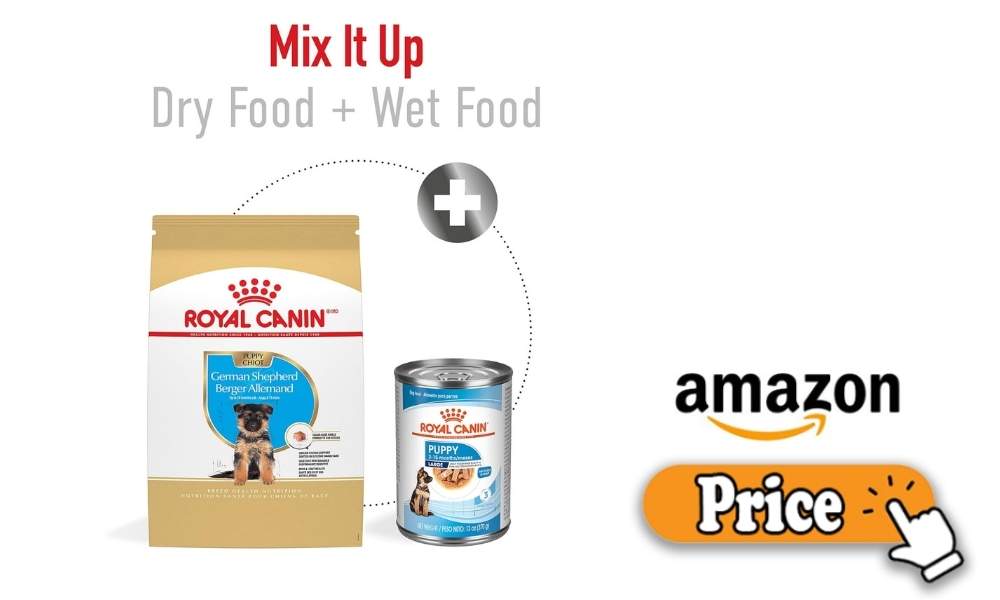
Many pet owners stick with Royal Canin for one simple reason — it works. Especially for pets with medical issues or sensitive systems, the difference can be noticeable in just a few weeks.
Owners of breeds like French Bulldogs, German Shepherds, and Labradors often mention fewer skin issues, less scratching, and better digestion. Some said their vet recommended it after trying several other foods without success.
One common theme: pets with chronic problems — like allergies, stomach sensitivity, or urinary issues — seem to respond especially well to Royal Canin’s specialized formulas.
Real-world improvements owners noticed:
- Shinier coats and less shedding after a few months.
- Fewer vet visits for stomach troubles.
- More stable weight management, especially for indoor pets.
- Noticeably smaller, firmer stools (a sign of high digestibility).
But the main downside people keep bringing up? The price. Royal Canin is expensive, and prices have only gone up in recent years. Some owners said they now pay around $65–$70 a bag, which feels steep when feeding large dogs.
Still, for pets with specific health needs, most agreed it’s worth the cost. One pet parent summed it up perfectly: “I’d rather spend money on food than on vet bills later.”
When Blue Buffalo Works Better
On the other hand, Blue Buffalo shines for many pets who don’t need prescription-style nutrition but still deserve good quality food.
Owners who switched from grocery-store brands noticed big improvements — better energy, fewer stomach upsets, and much healthier coats. Many dogs also seem to love the taste. Some even called it “the first food my picky eater actually finishes.”
Blue Buffalo’s variety is another plus. Whether your dog prefers grain-free, limited-ingredient, or high-protein formulas, there’s a version that fits. And for owners managing multiple pets, it’s easier to buy one affordable, high-quality food instead of paying for several specialized ones.
Positive results owners shared:
- Dogs appeared more energetic and playful.
- Coat quality improved — less dullness, more shine.
- Affordable price point for “premium-level” ingredients.
That said, some owners noticed that their dogs ate more than usual, as if the food wasn’t quite filling enough. Others mentioned gas or soft stools when switching too fast or using the high-protein “Wilderness” line.
Still, the overall sentiment is that Blue Buffalo is a great choice for healthy dogs without medical concerns — especially if you prefer natural ingredients and want to avoid heavy filler use.
Vets’ Perspective
Veterinarians tend to favor Royal Canin, and there’s a clear reason for that. It’s a research-driven brand with formulas tested under strict quality control. Each bag has predictable nutrient levels — something that’s very important in medical or breed-specific diets.
Vets often say they trust Royal Canin because of the scientific backing, not because it’s more “premium.”
Blue Buffalo, on the other hand, earns mixed reactions. Some vets appreciate the focus on natural ingredients but caution that the nutrient balance can vary slightly between batches. This inconsistency isn’t usually a problem for healthy dogs, but for sensitive ones, it can make a difference.
That doesn’t mean Blue Buffalo is “bad” — it just means it’s more suited for everyday feeding, while Royal Canin is better for targeted nutrition.
Taste and Palatability
Let’s be honest — none of this matters if your dog won’t eat the food.
When it comes to taste, many owners said their dogs preferred Blue Buffalo. It smells fresher, feels less processed, and has more natural flavor. Some even said their dogs “went crazy” for it compared to the plainer smell of Royal Canin.
Royal Canin’s kibble tends to be blander, but it’s designed that way intentionally — to prevent overeating and to suit dogs with sensitive stomachs. So, while some dogs love it right away, others might take a few days to warm up to it.
If your dog is a picky eater or used to table scraps, Blue Buffalo might win here. But for dogs with special diets or sensitive digestion, Royal Canin’s mild flavor works better long-term.
Final Verdict: Blue Buffalo vs Royal Canin — Which Should You Choose?
At the end of the day, choosing between Blue Buffalo vs Royal Canin isn’t about which brand is “better.” It’s about what fits your dog’s unique needs, lifestyle, and health. Both are strong contenders, but they serve different purposes — and that’s what makes this comparison so interesting.
Let’s wrap things up with a simple breakdown.
🦴 Choose Blue Buffalo if:
- You want natural, wholesome ingredients with real meat as the first ingredient.
- Your dog is generally healthy and doesn’t need a prescription diet.
- You prefer to avoid artificial colors, flavors, and preservatives.
- You’re looking for variety — from grain-free to high-protein to limited-ingredient formulas.
- Your dog is a picky eater who prefers richer-tasting food.
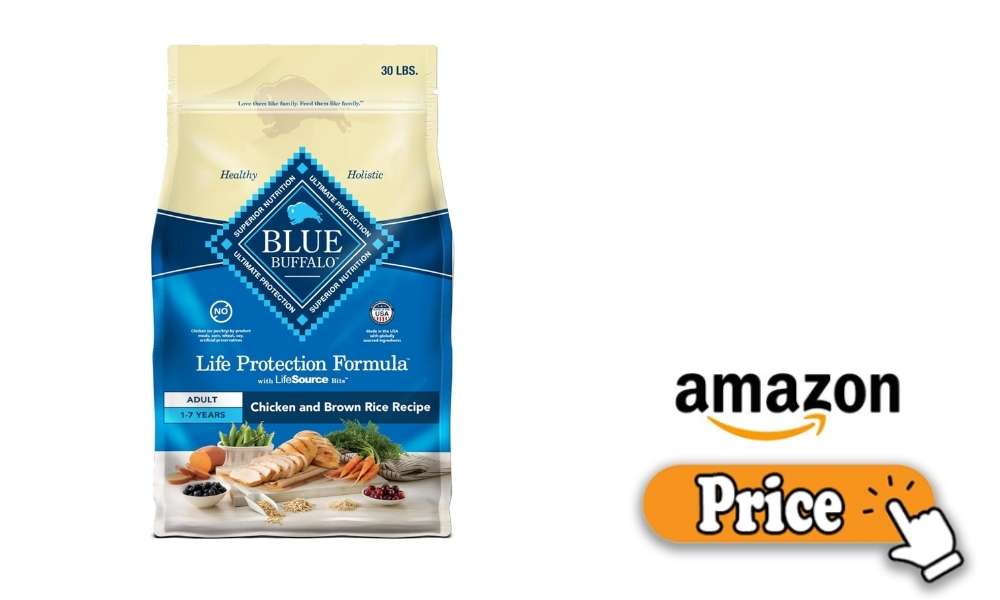
Blue Buffalo feels more like the “modern, clean-label” option. It’s perfect for owners who think of their dog’s food the same way they think about their own diet — closer to nature, simple, and minimally processed.
However, it’s not always the best choice for sensitive dogs or those with medical needs. You’ll want to introduce it slowly and watch how your dog reacts during the first few weeks.
🧬 Choose Royal Canin if:
- Your dog has specific health conditions — allergies, digestive problems, kidney issues, or obesity.
- You want breed-specific or age-specific formulas backed by veterinary science.
- You trust veterinary-tested and research-driven nutrition.
- Your dog does best on consistent, easily digestible food.
- You’re willing to pay more for reliability and precision.
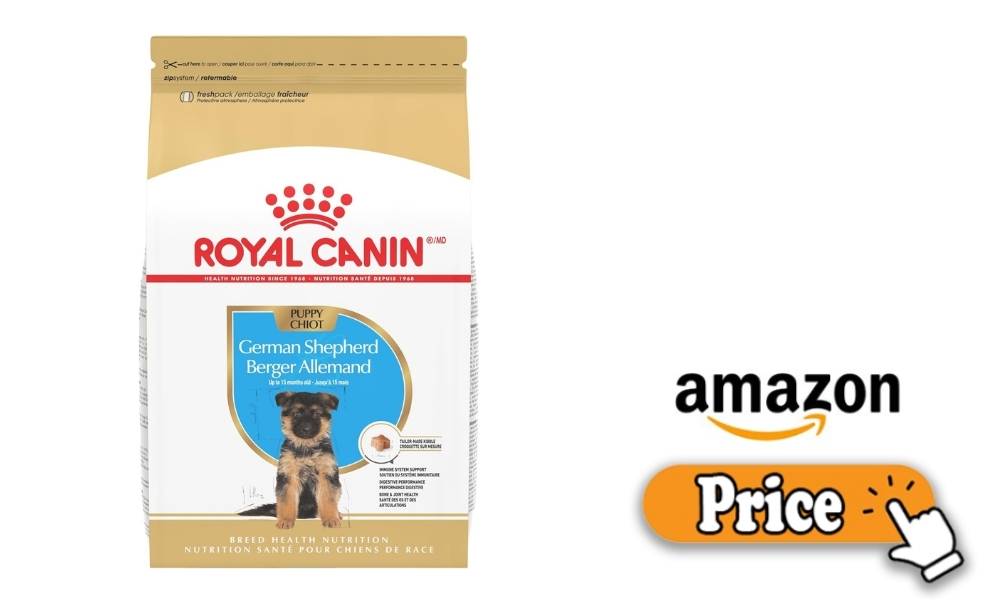
Royal Canin is less about “natural ingredients” and more about exact nutrition. Every bag has a precise balance of protein, fat, fiber, and micronutrients. If your vet ever says, “This is what your dog needs,” chances are it’s a Royal Canin formula.
The tradeoff is cost — it’s pricey. But many owners believe the results justify the expense, especially when it helps their pets live more comfortably.
My Take: Finding the Balance
From personal experience (and talking to many pet parents), I’ve learned that there’s no single “best” dog food — only the best fit for your dog’s body, habits, and sensitivities.
I’ve seen active dogs thrive on Blue Buffalo Wilderness, bouncing around with shiny coats and wagging tails. I’ve also seen older or sensitive dogs find relief with Royal Canin Gastrointestinal or Breed-Specific formulas, finally eating without discomfort.
If you’re still unsure, here’s a simple tip:
- Try Blue Buffalo first if your dog is healthy and you want a natural formula.
- Go with Royal Canin if your dog has health issues or if your vet recommends it.
And remember — transition slowly. Mix the new food with the old one over a week or two to avoid stomach upsets.
FAQs for Blue Buffalo vs Royal Canin
Which is better, Blue Buffalo or Royal Canin?
It depends on your dog’s needs. Blue Buffalo focuses on natural ingredients, while Royal Canin uses science-based nutrition for precise health support.
Is Blue Buffalo good for dogs with allergies?
Yes, Blue Buffalo has limited ingredient and grain-free options for sensitive dogs. But always check with your vet before changing your dog’s diet.
Why do vets recommend Royal Canin more often?
Vets trust Royal Canin because it’s backed by decades of scientific research and clinical testing, making it ideal for dogs with specific health issues.
Does Blue Buffalo have more protein than Royal Canin?
Not always. Blue Buffalo’s Wilderness line is high in protein, but most Royal Canin formulas are balanced for digestion and breed-specific needs.
Which brand is safer: Blue Buffalo or Royal Canin?
Both are safe, but Royal Canin has a cleaner recall record and fewer FDA investigations, making it a more consistent choice for long-term feeding.
Final Thoughts
The Blue Buffalo vs Royal Canin debate doesn’t have a one-size-fits-all answer. Both brands have earned their reputation, just in different ways.
- Blue Buffalo appeals to pet parents who prioritize ingredient quality and natural nutrition.
- Royal Canin stands out for its scientific precision and breed- or condition-specific options.
No matter which you choose, your dog’s energy, coat, digestion, and mood will tell you everything you need to know. So, observe, adjust, and always involve your vet if something feels off.
Because at the end of the day, the best dog food isn’t about the brand name on the bag —
it’s about seeing your furry friend healthy, happy, and full of life.