Wondering how much dog food you should give your furry friend? Getting the right amount is crucial for your dog’s health and happiness.
Too little, and your pet might feel hungry or miss out on important nutrients. Too much, and you risk weight gain and related health problems. You’ll discover simple tips to find the perfect portion size tailored to your dog’s breed, age, and activity level.
Keep reading to make sure you’re feeding your dog just right—because your best friend deserves nothing less.
Factors Affecting Dog Food Portions
Understanding the right amount of food for your dog is not always simple. Many things affect how much your dog should eat daily. Knowing these factors helps you give the right portions. This keeps your dog healthy and happy.
Breed And Size
Different dog breeds need different food amounts. Small breeds eat less than large breeds. Bigger dogs burn more energy and need more food. For example, a Chihuahua eats less than a Labrador.
Age And Life Stage
Puppies need more food to grow strong. Older dogs need fewer calories because they move less. Adult dogs need a balanced amount to keep weight steady. The life stage changes the portion size.
Activity Level
Active dogs burn more calories and need more food. Dogs that rest most of the day need less food. Working dogs or dogs that play a lot need bigger portions. Match the food amount to the activity level.
Health Conditions
Some health issues change how much a dog should eat. Dogs with certain diseases may need special diets. Overweight dogs need smaller portions to lose weight. Always follow your vet’s advice for health-related feeding.
Calculating Daily Food Amounts
Calculating the right daily amount of dog food is key to keeping your pet healthy. Dogs need enough food to have energy but not too much to gain weight. The amount depends on their size, age, and activity level. Knowing how to measure their food helps you avoid overfeeding or underfeeding.
Use clear steps to figure out the right portion. Start by understanding the labels on dog food packages. Then, use simple formulas based on your dog’s weight. Finally, remember to include any treats or snacks in the total daily food amount.
Reading Dog Food Labels
Dog food labels show daily feeding guidelines. These usually list the amount for different weight ranges. Find your dog’s weight on the label to see the suggested amount. Remember, these are general guidelines. Your dog’s needs may differ based on health and activity.
Look for the feeding chart on the package. Check if the amount is for dry or wet food. Measure the food with a proper cup or scale. Accurate measurement helps feed your dog the right portion every day.
Using Weight-based Formulas
Weight-based formulas help calculate daily food needs more precisely. A common method is to feed 2-3% of your dog’s body weight in food. For example, a 20-pound dog might eat 0.4 to 0.6 pounds of food daily.
This formula can change based on your dog’s age and activity. Puppies and active dogs need more food. Older or less active dogs need less. Adjust the amount as needed to keep your dog healthy.
Adjusting For Treats And Snacks
Treats and snacks add extra calories. They count toward your dog’s daily food intake. Too many treats can cause weight gain. Reduce the main meal amount if you give many treats.
Choose healthy treats in small amounts. Keep treats under 10% of your dog’s daily calories. This balance helps maintain a healthy diet without overfeeding.
Meal Frequency And Timing
Meal frequency and timing play a key role in your dog’s health. Feeding your dog the right amount at the right times keeps their energy steady. It also helps with digestion and behavior. Different dogs need different feeding schedules. Age, size, and activity level all affect meal timing. Understanding these needs helps you provide the best care for your dog.
Puppies Vs Adult Dogs
Puppies need more meals than adult dogs. Their small stomachs cannot hold much food. Feeding them 3 to 4 times a day suits their growth needs. Adult dogs usually do well with 2 meals a day. This helps maintain weight and energy. Older dogs might need fewer meals or smaller portions. Adjust meals based on your dog’s age and health.
Splitting Daily Portions
Dividing the daily food amount into smaller meals keeps dogs comfortable. It stops them from eating too fast or feeling hungry. Smaller meals aid digestion and prevent bloating. For puppies, split food into 3 or 4 meals. Adults get 2 meals, one in the morning, one in the evening. This keeps their metabolism balanced throughout the day.
Feeding Schedules Tips
Feed your dog at the same times every day. Dogs thrive on routine and feel secure with set meal times. Avoid feeding right before or after exercise. Wait at least 30 minutes after play or walks. Use measured portions to control weight and prevent overeating. Watch your dog’s behavior and adjust the schedule if needed. Consistency and attention keep your dog healthy and happy.

Credit: thorfamilylaw.com
Types Of Dog Food And Their Portions
Choosing the right type of dog food and the correct portion size is key for your pet’s health. Different foods have different calorie counts and nutrient levels. This affects how much you should feed your dog daily. Understanding types of dog food helps you serve the right amount for your dog’s needs.
Dry Kibble
Dry kibble is the most popular dog food type. It is easy to store and serve. Kibble has a balanced mix of nutrients. Portion sizes depend on the dog’s weight and activity level. Usually, the package has feeding guidelines. Measuring cups help control portions well.
Wet Food
Wet food contains more moisture than kibble. It often appeals to picky eaters. Wet food is richer in calories per serving. Dogs need smaller portions compared to dry food. Check the label for recommended amounts. Wet food can be mixed with dry kibble too.
Raw Diets
Raw diets include fresh meat, bones, and organs. They provide natural nutrients and proteins. Portion sizes vary by dog size and metabolism. Raw feeding requires careful handling for safety. Consult a vet to get the right portions. Raw diets often need supplements for balance.
Homemade Meals
Homemade meals allow full control over ingredients. They must be balanced with proteins, carbs, and fats. Portion sizes depend on the recipe and dog’s needs. It is important to avoid harmful foods. Working with a vet or nutritionist ensures proper portions. Homemade meals can be tailored for allergies or sensitivities.
Signs Of Overfeeding And Underfeeding
Knowing the signs of overfeeding and underfeeding helps keep your dog healthy. Both can cause serious problems if not noticed early. Watch your dog closely for changes in body and behavior. These clues show if the food amount is right or needs adjusting.
Weight Gain And Obesity
Excess food causes weight gain fast. Your dog’s belly may look rounder than usual. Fat can build around the chest and hips. Obesity leads to joint pain and heart issues. Regular weight checks help catch this early. A healthy dog should have a visible waistline.
Weight Loss And Malnutrition
Too little food causes weight loss quickly. You may see ribs and spine more clearly. Lack of energy and dull coat are common signs. Malnutrition weakens the immune system and muscles. Proper feeding supports steady growth and strength. Always adjust food if your dog loses weight.
Behavioral Changes
Feeding problems show in your dog’s mood. Overfed dogs may become lazy or less active. Underfed dogs often seem restless or anxious. Both can show irritability or less interest in play. Watch eating habits and energy levels daily. These changes help identify feeding issues early.
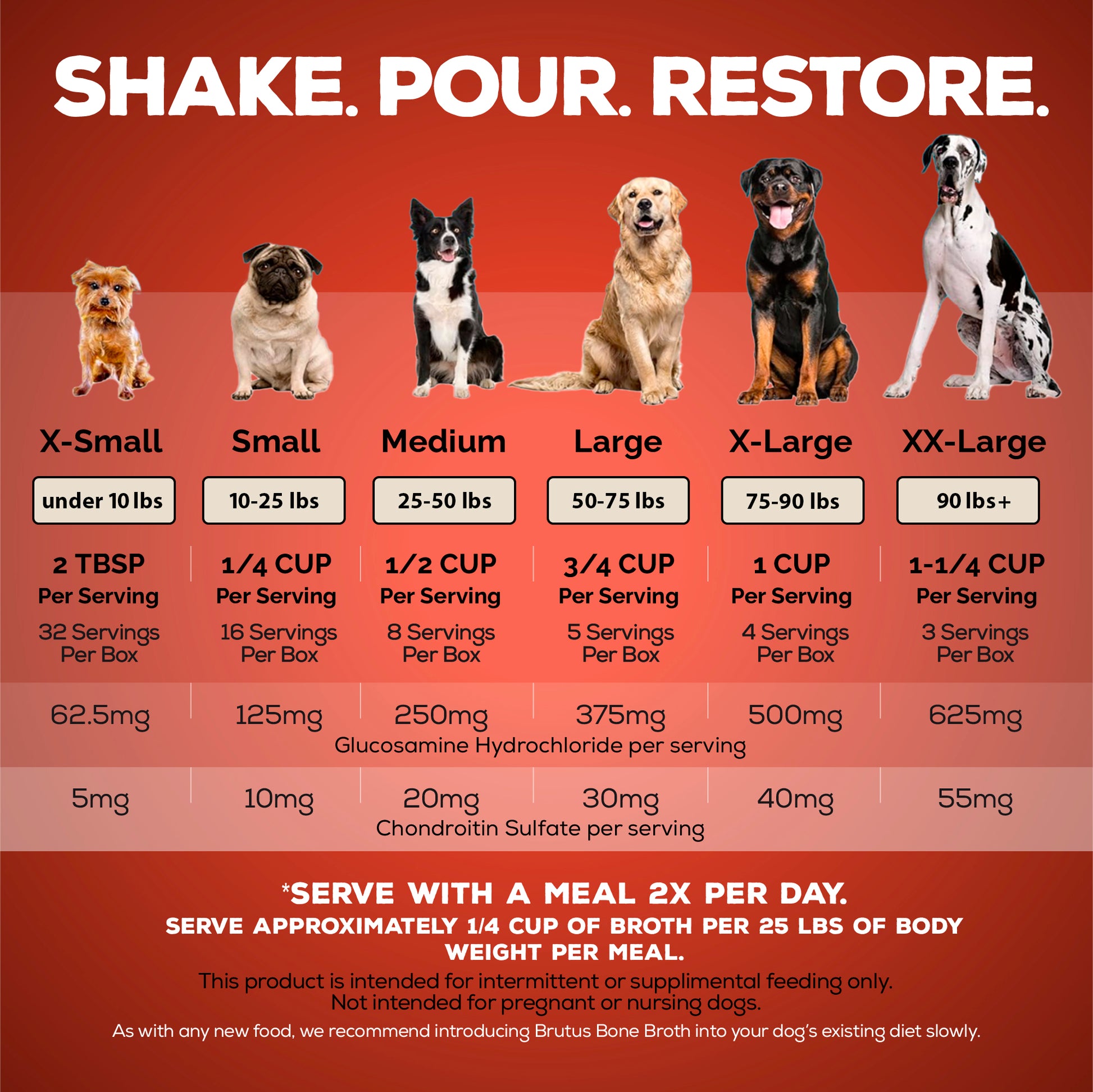
Credit: brutusbroth.com
Adjusting Portions Over Time
Adjusting your dog’s food portions over time is very important. Dogs have different needs as they grow and age. Serving the right amount keeps them healthy and happy. You can avoid problems like obesity or malnutrition by changing portions carefully.
Growth Phases
Puppies need more food than adult dogs. They grow fast and use lots of energy. Feed them nutrient-rich food in bigger portions. As they reach adulthood, reduce the amount slowly. Watch their weight and energy to guide you.
Senior Dog Needs
Older dogs usually need fewer calories. Their activity level drops, and metabolism slows. Feeding too much can cause weight gain. Choose food made for seniors, and cut portions slightly. Keep an eye on their health and adjust as needed.
Seasonal Changes
Dogs may need different food amounts in cold or hot months. In winter, they burn more calories to stay warm. Increase portions a bit if they spend time outside. In summer, they might eat less due to heat. Adjust portions to match their activity and weather.
Tools To Measure Dog Food Portions
Measuring dog food portions is key for your pet’s health. It helps control their weight and keeps them active. Using the right tools makes portion control simple and accurate. These tools save time and reduce waste. Here are some popular tools to measure dog food portions.
Measuring Cups And Scales
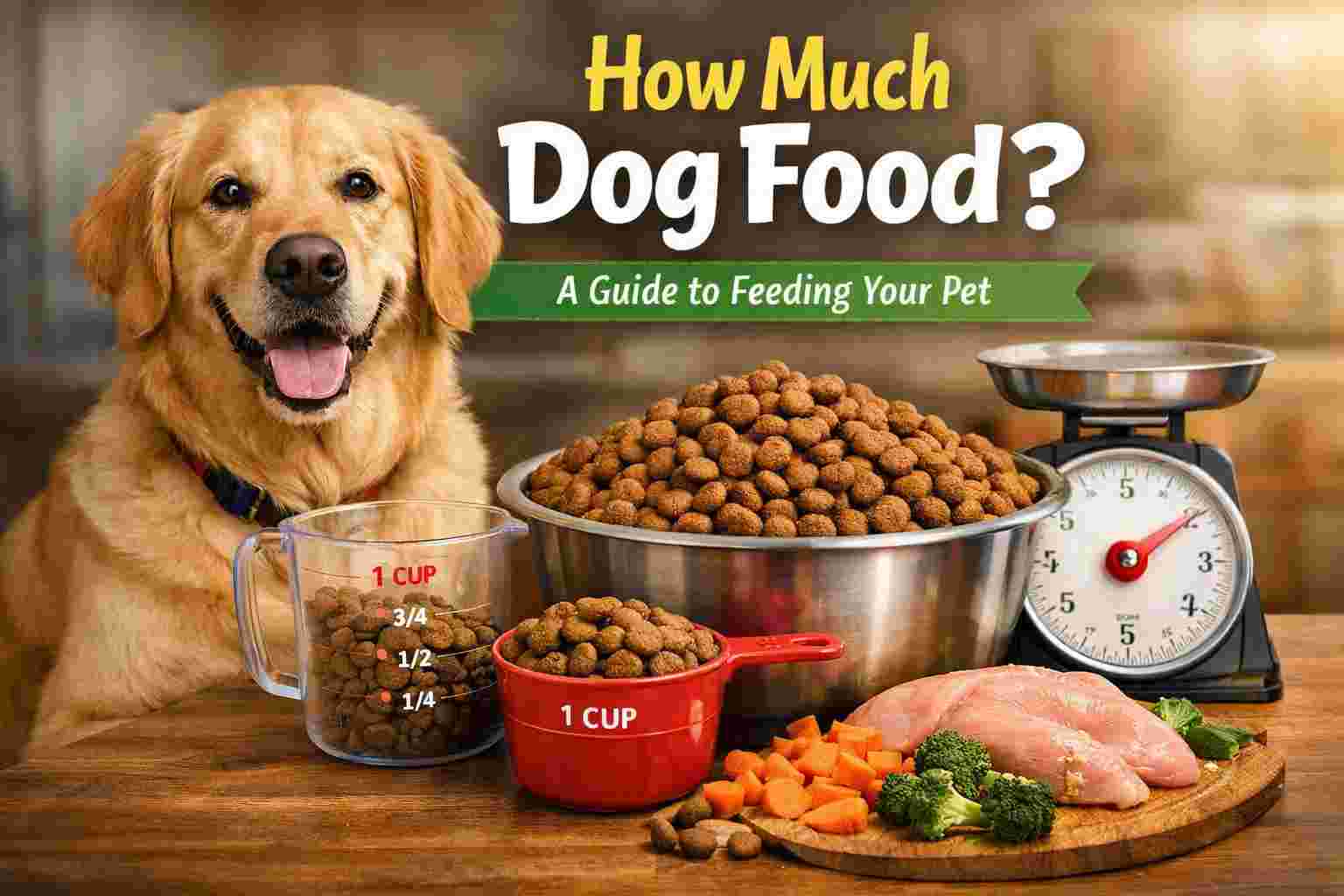
Measuring cups are easy and quick to use. They come in various sizes for dry or wet food. Use a cup marked with clear lines for accuracy. Food scales give exact weight in grams or ounces. Scales work well for both dry and canned food. They help you follow feeding guidelines precisely.
Automatic Feeders
Automatic feeders release the right food amount at set times. They prevent overfeeding and keep your dog on a schedule. Many models allow portion size adjustments. These feeders are great for busy pet owners. They keep feeding consistent and reduce guesswork.
Tracking Apps
Tracking apps help monitor your dog’s food intake. Enter portion sizes and feeding times easily. Some apps suggest portion amounts based on your dog’s weight. They also track treats and snacks given. Apps provide reminders to feed your dog on time.

Credit: www.advancedresources.com
Frequently Asked Questions
How Much Dog Food Should I Feed Daily?
The daily amount depends on your dog’s weight, age, and activity. Check the food package guidelines. Typically, dogs eat 2-3% of their body weight in food daily. Adjust portions based on your dog’s health and lifestyle for best results.
Does Dog Breed Affect Food Quantity?
Yes, breed influences food needs. Larger breeds usually require more calories and food than smaller breeds. Active breeds burn more energy and need extra food. Always tailor feeding amounts to breed-specific energy requirements and health conditions.
How Often Should I Feed My Dog Per Day?
Most adult dogs eat twice daily, morning and evening. Puppies need 3-4 meals a day for growth. Feeding frequency varies by age, health, and activity. Consistent meal times help maintain digestion and behavior.
Can Overfeeding Harm My Dog?
Yes, overfeeding can cause obesity, diabetes, and joint issues. It reduces lifespan and quality of life. Monitor portions carefully and consult a vet to prevent overfeeding risks.
Conclusion
Feeding your dog the right amount keeps them healthy and happy. Check your dog’s weight and activity to decide food portions. Adjust food as your dog grows or changes habits. Always follow feeding guidelines on the dog food package. Watch your dog for signs of hunger or fullness.
Proper feeding helps avoid health problems like obesity. A healthy dog means more fun and less worry. Keep learning and caring for your dog every day.