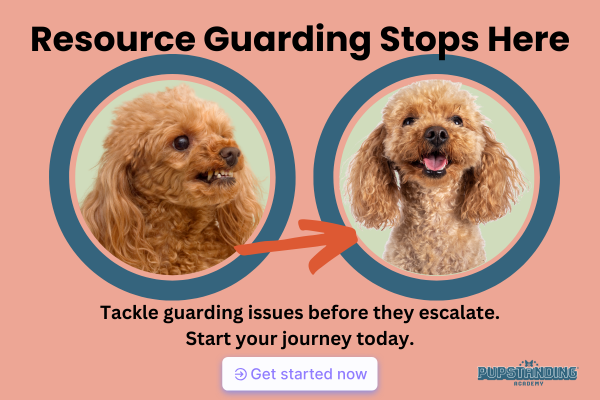
Does your dog growl, snap, or stiffen when you get near their food, toys, or even their favorite spot? This behavior is called resource guarding, and it can be stressful for both you and your furry friend.
But here’s the good news—you can stop it. Imagine having a calm, trusting relationship where your dog feels safe and you feel in control. You’ll discover simple, effective steps to help your dog share and feel secure. Keep reading, because understanding and managing resource guarding will transform your time together.
What Is Resource Guarding
Resource guarding is a common behavior in dogs. It means a dog tries to protect things it values. These things can be food, toys, or even a favorite resting spot.
Dogs show guarding by growling, snapping, or standing stiff near their item. This behavior comes from instinct. It helps them keep important resources safe.
What Triggers Resource Guarding?
Dogs guard resources when they feel unsure or scared. They may think someone will take their food or toy. Protecting these items feels like safety to them.
Common Signs Of Resource Guarding
Watch for growling, barking, or snapping when you approach your dog’s items. Some dogs freeze or stare hard. These signs warn you to back off.
Why Dogs Guard Resources
Guarding comes from a survival instinct. Dogs want to keep things they need to live. This behavior can be stronger in some breeds or dogs with past trauma.
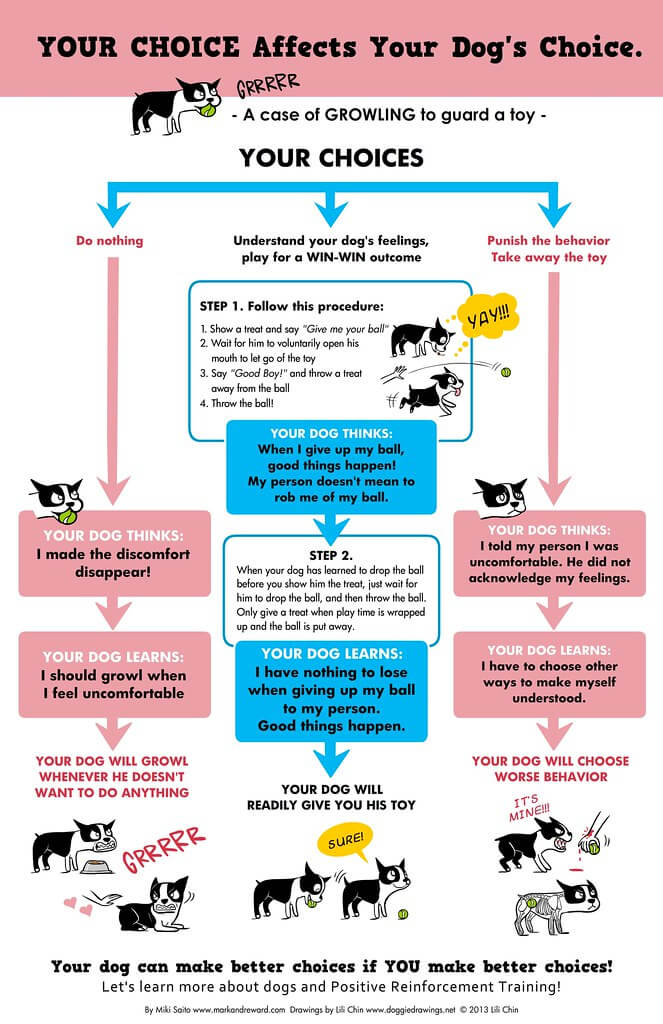
Credit: spcanevada.org
Common Triggers
Resource guarding happens when dogs protect things they value. These can be toys, food, or even spaces. Knowing what triggers this behavior helps to prevent it.
Triggers are situations or items that make your dog feel the need to guard. Recognizing these triggers is the first step to stopping guarding.
Food And Treats
Many dogs guard their food or treats. They may growl or snap if someone comes too close. This behavior is common in dogs that feel insecure about their meals.
Toys And Chews
Toys and chews often cause guarding. Dogs may act possessive over favorite items. They see these as valuable and want to keep them safe.
Sleeping Areas
Some dogs guard their bed or crate. These places feel like their safe zone. They may react if someone tries to enter without permission.
Human Attention
Dogs can guard people too. They might protect their owner from others. This can happen if the dog feels jealous or protective.
Signs To Watch For
Resource guarding in dogs can lead to tension and safety issues at home. Recognizing the signs early helps prevent problems. Watch your dog carefully to spot these behaviors.
Growling And Snapping
Growling is a clear warning sign. It means your dog feels threatened. Snapping shows more serious discomfort. These behaviors protect their prized items.
Stiff Body And Raised Hackles
A stiff posture signals tension. Your dog may freeze or stand very still. Raised hackles, the fur along the back, show fear or aggression.
Guarding Specific Items
Your dog may protect food, toys, or beds. They may move away with the item. This behavior shows a strong desire to keep the object safe.
Snatching Items Quickly
Snatching food or toys fast means your dog fears losing them. This sudden action is a defense tactic. It often happens when people approach.
Refusing To Move Or Drop
Your dog might stiffen and not let go. They resist when asked to drop or leave. This can escalate if pressure increases.
Safe Training Environment
Creating a safe training environment is key to stopping resource guarding in dogs. Dogs feel more relaxed and open to learning in calm spaces. A quiet place helps your dog focus without distractions. Safety reduces fear and stress, which often cause guarding behaviors.
Choose a spot where your dog feels comfortable. Make sure no other pets or people interrupt training sessions. Keep the area free from loud noises and sudden movements. This peaceful setting makes your dog trust you more.
Use Calm And Gentle Body Language
Approach your dog slowly and calmly. Avoid staring directly into their eyes. Soft movements help your dog stay calm. Sudden actions might scare them or increase guarding. Speak in a gentle, low voice to soothe your dog.
Remove High-value Items Temporarily
Take away toys or food your dog guards during training. Use low-value items instead. This lowers the chance of a guarding reaction. It also helps your dog learn to share and relax around objects.
Keep Training Sessions Short And Positive
Limit sessions to a few minutes at a time. Short sessions keep your dog interested and less stressed. End each session on a good note with praise or treats. Positive experiences build trust and reduce guarding.
Ensure Everyone Follows The Same Rules
All family members must use the same training methods. Consistency helps your dog understand what is expected. Mixed signals can confuse your dog and increase guarding. Agree on commands and rewards before training.
Positive Reinforcement Techniques
Positive reinforcement techniques help change your dog’s behavior gently. They focus on rewarding good actions instead of punishing bad ones. This method builds trust and makes learning fun for your dog. It is very effective for stopping resource guarding.
You reward your dog each time they show calm and share their items. This encourages them to keep behaving well. Consistency and patience are key to success with positive reinforcement.
Using Treats Effectively
Treats are powerful rewards for dogs. Use small, tasty treats your dog loves. Give treats right after your dog shows good behavior. This helps your dog connect the reward with the right action.
Start by asking your dog to drop the item gently. Once they do, give a treat immediately. Repeat this often. Gradually, your dog will learn that sharing leads to treats.
Keep treats handy during training. Avoid giving too many at once. Use treats to reward calmness around toys or food. This reduces guarding instincts over time.
Clicker Training Basics
Clicker training uses a small device that makes a clicking sound. The click marks the exact moment your dog does something right. Follow the click with a treat to reinforce good behavior.
First, teach your dog to understand the click means a reward is coming. Click and treat several times until your dog notices the sound.
Next, use the clicker when your dog shares or stays calm near their items. Click at the right moment, then give a treat. This helps your dog learn what actions earn rewards.
Clicker training is clear and fast. It helps stop resource guarding by encouraging positive actions. With practice, your dog will choose calm and sharing over guarding.
Desensitization Methods
Desensitization methods help reduce a dog’s fear and protectiveness. These methods teach dogs to feel safe around triggers that cause guarding. Gradual exposure to these triggers lowers stress and stops guarding behavior.
Desensitization works best with patience and consistency. Start with low-level triggers and slowly increase intensity. Reward calm behavior to encourage positive associations.
Identify Your Dog’s Triggers
First, find what causes your dog to guard. Common triggers include food bowls, toys, or bones. Watch your dog’s body language closely. Signs like growling or stiff posture show guarding.
Start With Low-level Exposure
Begin near the trigger but stay far enough to avoid a reaction. For example, stand several feet from the dog’s food bowl. Let your dog see the trigger without feeling threatened. Praise calm behavior with treats or soft words.
Gradually Increase Exposure
Slowly move closer to the trigger over days or weeks. Observe your dog’s response at each step. If your dog shows stress, pause or step back. Always reward calmness and patience.
Pair Exposure With Rewards
Give tasty treats or affection during exposure. This links the trigger to positive experiences. Over time, your dog learns the trigger is safe, not scary. Keep rewards consistent to build trust.
Use Controlled Practice Sessions
Practice desensitization in quiet, distraction-free places. Repeat sessions daily but keep them short. End each session on a good note to keep your dog eager.
Counter-conditioning Steps
Counter-conditioning helps change your dog’s feelings about their guarded resources. It teaches them to see people as a source of good things, not threats. This process takes patience and consistency. Small, positive steps build trust and reduce guarding behavior.
Start With Low-value Items
Choose items your dog cares less about. This reduces stress during training. Offer a tasty treat while your dog has the item. This helps your dog link people approaching with good rewards.
Use High-value Treats
Bring out special treats that your dog loves. Give these only during training sessions. This makes your dog excited when you come near their things. High-value treats help create a strong positive connection.
Approach Slowly And Calmly
Move toward your dog’s resource in small steps. Watch your dog’s body language closely. Stop if your dog shows signs of stress. Calm, gentle actions help your dog stay relaxed.
Drop Treats Near The Resource
Place treats on the ground near the guarded item. Do this while your dog watches. Your dog learns that your approach means treats, not danger. Repeat this many times for success.
Gradually Increase Interaction
After your dog stays calm, try touching the item briefly. Reward your dog immediately after. Slowly increase the time you spend near or touching the item. Patience is key to prevent setbacks.
Keep Training Sessions Short
Short sessions work best for learning and focus. Five to ten minutes daily is enough. End on a positive note with treats and praise. This keeps your dog eager for the next session.
Credit: www.preventivevet.com
Managing Feeding Time
Managing feeding time is a key step to stop resource guarding in dogs. Dogs often feel protective over their food. This can cause stress and aggression during mealtime. Creating a calm and safe feeding environment helps reduce this behavior. Clear boundaries and routines give your dog confidence and lower tension.
Separate Feeding Areas
Feed dogs in different spaces to avoid competition. Separate feeding areas stop fights over food. Use barriers or different rooms to keep dogs apart. This prevents guarding behavior by reducing stress. Each dog feels safe eating alone. It helps build trust and calmness around food.
Controlled Access To Toys
Limit access to toys during feeding time. Toys can cause guarding if dogs feel possessive. Put toys away before meals to avoid conflicts. Only allow toys when dogs are calm and relaxed. This teaches dogs to share and lowers guarding instincts. Controlled access reduces the chance of fights over possessions.
Avoiding Punishment
Stopping resource guarding in dogs needs patience and care. Avoiding punishment plays a key role in this process. Dogs guard resources because they feel scared or threatened. Punishing them can make this fear worse. It may cause more guarding or even aggression.
Using gentle methods builds trust and helps dogs feel safe. This way, they learn to share without fear. Avoid punishment to keep the training positive and effective.
Understanding Your Dog’s Feelings
Dogs guard because they worry about losing their food or toys. This behavior comes from a natural need to protect. Punishing dogs can increase their stress and fear. Instead, try to see things from your dog’s view. This helps you respond calmly and kindly.
Using Positive Reinforcement
Reward your dog for good behavior around their items. Give treats or praise when they stay calm near food or toys. Positive reinforcement teaches your dog sharing is safe. It encourages them to repeat good actions without fear.
Creating Safe Spaces
Give your dog a quiet place for eating and resting. Avoid disturbing them when they are in this space. This reduces stress and lowers guarding behavior. Dogs feel safer when they have their own spot.
Replacing Fear With Trust
Approach your dog gently and calmly. Never grab their food or toys quickly. Slowly offer treats or new toys to build trust. This shows your dog you mean no harm. Trust reduces guarding and helps your dog relax.

Credit: www.pamsteele.org
When To Seek Professional Help
Resource guarding can become a serious problem in dogs. Some dogs protect their food, toys, or space very strongly. This can lead to biting or aggressive behavior. Knowing when to get help is very important for safety and peace in your home.
Professional help means working with a dog trainer or behaviorist. They understand dog behavior well. They can create a plan to stop guarding safely. Sometimes, owners try to fix guarding alone but the problem grows worse. Recognizing the signs that need expert help keeps everyone safe.
Signs That Show You Need Professional Help
Watch for aggressive growling or snapping. If your dog bites, do not wait. Sudden intense guarding is a red flag. Fearful or highly anxious behavior around food or toys also needs attention. These signs can be hard to handle alone.
When Guarding Affects Family Life
Guarding can make daily life hard. If family members feel unsafe or avoid feeding times, help is needed. Kids at home make this more urgent. A professional can teach safe ways to manage feeding and playtime.
How Professionals Can Help
Experts use safe training methods to reduce guarding. They teach dogs to share and feel secure. Professionals also guide owners on handling and feeding routines. Their goal is to build trust and calmness around resources.
Choosing The Right Professional
Look for trainers with experience in dog aggression. Certified animal behaviorists are a good choice. Avoid trainers who use harsh punishment. The right expert uses kindness and patience for best results.
Maintaining Long-term Progress
Maintaining long-term progress is key to stopping resource guarding in dogs. Training should not end once the behavior improves. Consistency and vigilance help keep your dog calm and trusting. This section explains how to maintain progress over time.
Consistent Practice
Practice training exercises daily. Short, frequent sessions work best. Use positive rewards to encourage good behavior. Repeat commands and exercises to build habits. Consistency helps your dog understand what is expected. Avoid skipping practice to prevent setbacks.
Monitoring Behavior Changes
Watch your dog closely for new signs of guarding. Changes may appear during stress or excitement. Early detection allows for quick action. Note any growling, stiff body posture, or guarding actions. Keep a journal to track behavior over time. This record helps identify patterns and triggers.
Frequently Asked Questions
What Is Resource Guarding In Dogs?
Resource guarding is when a dog defends food, toys, or spaces. It’s a natural behavior to protect valued items from others.
How Can I Identify Resource Guarding Behavior?
Look for growling, snapping, or stiff body posture when your dog has items. These signs indicate guarding or anxiety around possessions.
Why Do Dogs Develop Resource Guarding Habits?
Dogs guard resources due to instinct, fear of loss, or past trauma. It often stems from insecurity or competition for limited resources.
Can Resource Guarding Be Stopped Safely?
Yes, with consistent training and patience. Use positive reinforcement and avoid punishment to reduce guarding without causing fear.
Conclusion
Stopping resource guarding in dogs takes patience and care. Consistent training helps your dog feel safe. Reward calm behavior near prized items. Avoid punishing your dog, as it may worsen guarding. Small steps build trust between you and your pet.
Remember, every dog learns at their own pace. With time, your dog can share without fear. Keep sessions short and positive for best results. Your effort creates a happier, more relaxed dog. Trust grows, and guarding fades away slowly but surely.