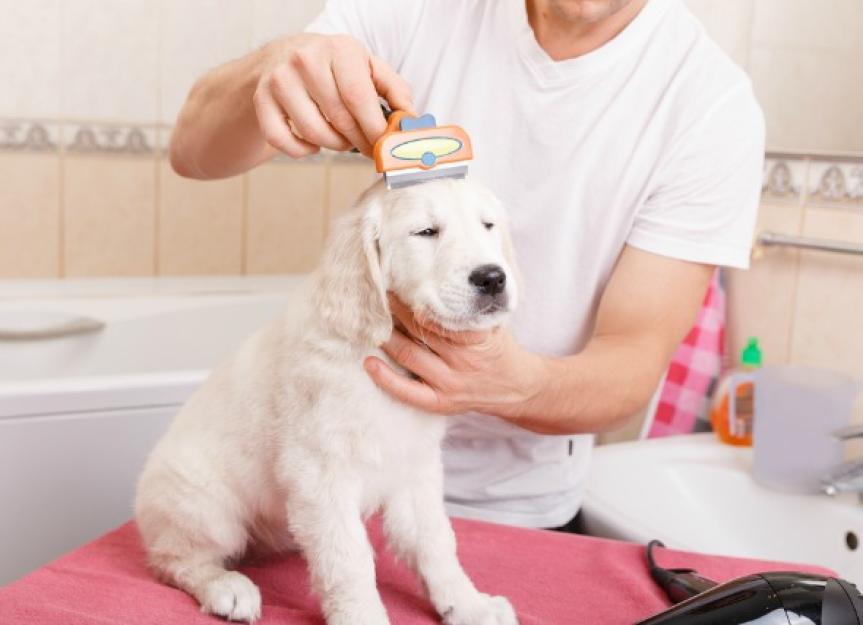
Dog grooming at home is easy for beginners when you follow a calm, simple routine.
If you want to learn dog grooming for beginners at home, you’re in the right place. I’ve seen how much easier grooming becomes when you break it into small steps, use the right tools, and keep your dog relaxed from the start. With the right approach, home grooming can save money, reduce stress, and help you spot skin, coat, or ear issues early.
Why home grooming matters for beginners
Dog grooming for beginners at home is more than just making your dog look neat. It helps keep the coat clean, the skin healthy, the nails short, and the ears clear. It also gives you a chance to notice changes like lumps, mats, redness, fleas, or dryness before they turn into bigger problems.
I’ve found that many new pet owners feel nervous at first because grooming sounds technical. The truth is, most beginners do best when they start with the basics and build confidence over time. Think of it like learning to cook a simple meal before trying a five-course dinner.
Home grooming also strengthens trust. When your dog learns that brushing, touching paws, and cleaning ears are normal, vet visits and professional grooming appointments often become easier too.
What you need before you start
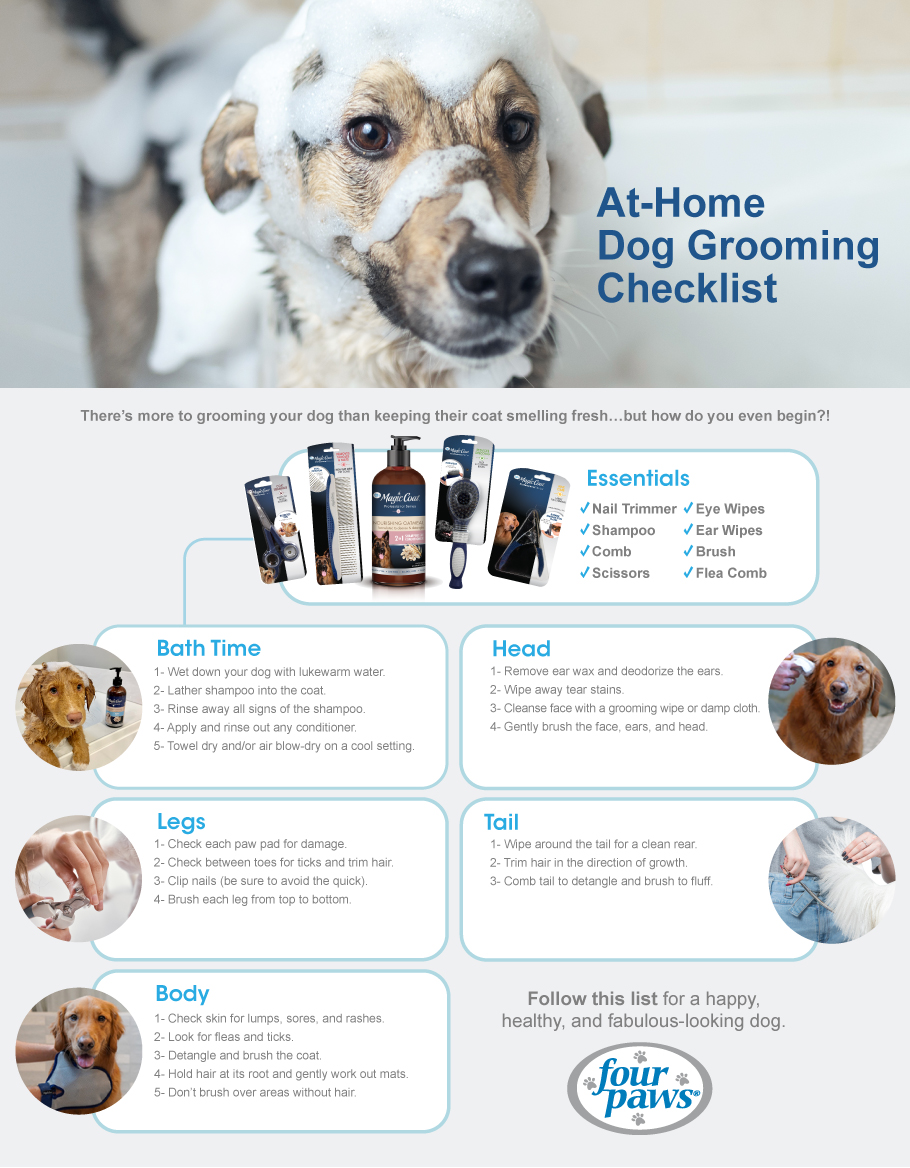
A good setup makes dog grooming for beginners at home much less stressful. You do not need a salon full of tools. You just need the basics and a quiet place where your dog feels safe.
Start with these essentials:
- A slicker brush for removing loose fur and small tangles
- A comb for checking hidden mats, especially behind ears and under legs
- Dog shampoo made for pets, not human shampoo
- Nail clippers or a nail grinder made for dogs
- Cotton balls or soft gauze for ear cleaning
- Towels that you do not mind getting wet
- A non-slip mat for the tub, sink, or grooming area
- Treats for positive reinforcement
For dogs with thick coats, a deshedding tool may also help. For curly coats, a detangling spray can make brushing easier. I always tell beginners to buy fewer tools first and learn how to use them well. A simple kit is better than a drawer full of gear you never use.
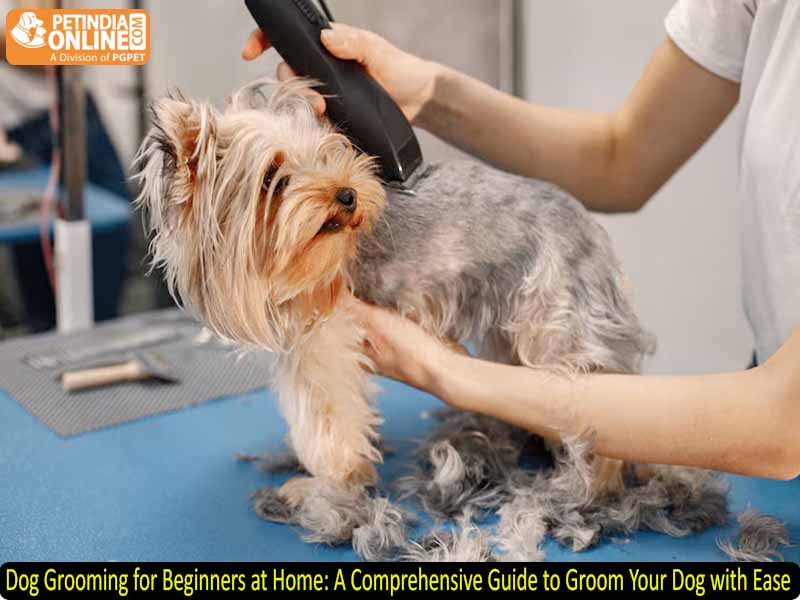
Step-by-step dog grooming for beginners at home
Dog grooming for beginners at home works best when you follow the same order each time. Dogs like patterns. A steady routine lowers anxiety and helps you stay organized.
1. Brush before bathing
Always brush your dog before giving a bath. Water can tighten mats and make them harder to remove. If you skip this step, small knots can turn into painful tangles.
Work in short sections:
- Start at the back and move forward
- Brush the legs, chest, and tail
- Check behind the ears and under the collar
- Use a comb after brushing to catch hidden tangles
If you meet a mat, do not yank it. Hold the fur near the skin and gently work it apart. If it is tight or close to the skin, consider a professional groomer.
2. Bath your dog the right way
Use lukewarm water and wet the coat slowly. Many dogs do better when you avoid spraying their face directly. I have seen nervous dogs relax a lot when the bath starts calmly instead of all at once.
Use a dog shampoo and massage it into the coat. Focus on dirty areas like paws, belly, and behind the ears. Rinse very well because leftover shampoo can irritate the skin.
Helpful bath tips:
- Keep water out of the ears and eyes
- Use a gentle voice
- Keep the bath short
- Reward calm behavior with treats
Dogs with sensitive skin may need a vet-approved shampoo. If your dog has allergies, always check with your veterinarian before using a new product.
3. Dry the coat carefully
After the bath, wrap your dog in a towel and press gently to absorb water. Do not rub too hard, especially on long coats, because that can create tangles. Some dogs are fine air-drying, while others need a low-heat dryer designed for pets.
If you use a dryer, keep it on a cool or low setting and hold it at a safe distance. The goal is comfort, not speed. In my experience, rushing this step is one of the biggest beginner mistakes.
4. Trim nails slowly
Nail trimming is one of the most important parts of dog grooming for beginners at home. Overgrown nails can affect posture and make walking uncomfortable. But this step can be scary, so go slow.
If your dog has clear nails, you may be able to see the quick, which is the pink area with blood vessels. Trim only a little at a time. If your dog has dark nails, take off tiny pieces and stop if you see a gray or chalky center.
Simple nail care tips:
- Trim only the tip at first
- Use sharp clippers made for dogs
- Keep styptic powder nearby in case you nick the quick
- Reward each paw
- Stop if your dog becomes too stressed
If nail trimming feels too hard, a vet or groomer can show you the safe angle to use. That little bit of guidance can save a lot of worry.
5. Clean ears gently
Ears should be checked during every grooming session. Look for dirt, odor, redness, or extra wax. If the ears smell bad or look inflamed, call your vet rather than cleaning them deeper on your own.
To clean healthy ears:
- Put a little dog-safe ear cleaner on a cotton ball or gauze
- Wipe only the outer ear and visible areas
- Never insert cotton swabs into the ear canal
- Stop if your dog pulls away in pain
Breeds with floppy ears often need more regular ear checks because moisture can get trapped. This is one of those small habits that can prevent big discomfort later.
6. Trim around eyes, paws, and sanitary areas
Some dogs need light trimming around the eyes, paw pads, and rear area. This helps with comfort, cleanliness, and visibility. If you are new, use blunt-tipped grooming scissors and trim only small amounts.
A few beginner safety rules:
- Keep scissors pointed away from the skin
- Work in good light
- Hold the fur away from the body before cutting
- Trim a little, then stop and check
If your dog has a very thick or curly coat, this step may be better left to a professional until you feel more confident.
How often should you groom your dog?
Dog grooming for beginners at home works best when you match the routine to your dog’s coat, activity level, and skin needs. A short-haired dog may need less brushing, while a long-haired or double-coated dog may need more frequent care.
A simple schedule looks like this:
- Brushing: daily for long coats, 2 to 3 times a week for shorter coats
- Bathing: every 4 to 8 weeks for many dogs, depending on lifestyle and coat type
- Nail trimming: about every 3 to 4 weeks
- Ear checks: weekly
- Hair trimming: as needed
Keep in mind that active dogs, dogs who love mud, or dogs with allergies may need more frequent attention. On the other hand, overbathing can dry the skin. Balance is the key.
Common mistakes beginners make
Dog grooming for beginners at home gets much easier once you know what not to do. Most mistakes happen because people move too fast or use the wrong products.
Common errors include:
- Using human shampoo, which can upset a dog’s skin balance
- Bathing without brushing first
- Cutting nails too short
- Pulling mats instead of loosening them
- Getting water in the ears
- Skipping dry time and leaving the coat damp
- Trying to do everything in one rushed session
I once watched a new pet parent try to do a full grooming session while the dog was already tired and restless. The result was a stressed dog, a wet bathroom, and a lot of frustration. The lesson was simple: short sessions often work better than one big battle.
How to keep your dog calm during grooming
A calm dog makes dog grooming for beginners at home much easier. You do not need perfection. You just need to make grooming feel safe and predictable.
Try these calming methods:
- Start grooming when your dog is already relaxed
- Use treats before, during, and after each step
- Keep sessions short at first
- Use a steady, gentle voice
- Take breaks when your dog needs them
- Reward small wins, like allowing paw handling
You can also practice handling outside of grooming time. Touch the paws, ears, tail, and muzzle for a few seconds at a time. This helps your dog get used to being touched, which is useful for both grooming and vet care.
When to call a professional groomer or vet
Home grooming is useful, but it has limits. Some situations need expert help. Knowing when to step back is part of being a responsible pet owner.
Call a professional groomer or vet if you notice:
- Severe mats close to the skin
- Broken skin, sores, or bleeding
- Strong odor from the ears
- Signs of pain when touching paws or ears
- Aggressive fear during grooming
- A coat that is too thick or tangled for safe trimming
If your dog has a skin condition, ear infection, or anxiety issue, your vet can guide you on safer grooming habits. That advice is often worth more than any tool you buy.
Benefits of dog grooming at home
Dog grooming for beginners at home has some real advantages. It can save money, but the bigger value is the bond you build with your dog. Regular grooming also helps you spot changes early, which can support better overall health.
Main benefits include:
- Lower grooming costs over time
- Better awareness of skin, coat, and ear health
- Less fear of handling and touch
- A stronger bond with your dog
- More control over timing and products
I like to think of home grooming as routine maintenance for a car. You may not notice the value every day, but over time, small care steps prevent bigger problems.
Simple grooming routine for beginners
If you want a practical starting point, use this easy routine for dog grooming for beginners at home:
- Brush the coat for 5 to 10 minutes
- Check ears, eyes, and paws
- Bathe only when needed
- Dry the coat completely
- Trim nails a little at a time
- Clean ears if they look dirty but healthy
- Finish with praise or treats
This routine keeps things simple and repeatable. Once it feels normal, you can add more advanced steps if your dog needs them.

Frequently Asked Questions
How do I start dog grooming for beginners at home?
Start with brushing, nail checks, and gentle handling before moving to baths or trims. Keep the first sessions short so your dog learns that grooming is safe and normal.
What is the easiest dog grooming task for beginners?
Brushing is usually the easiest place to begin. It helps you get used to your dog’s coat, spot mats early, and build trust before trying trimming or nail care.
Can I use human shampoo on my dog?
It is not a good idea because human shampoo can irritate a dog’s skin. Always use a shampoo made for dogs, and ask your vet if your dog has sensitive skin.
How often should I bathe my dog at home?
Many dogs do well with a bath every 4 to 8 weeks, but it depends on coat type, activity level, and skin health. Some dogs need more frequent cleaning, while others need less.
What should I do if my dog hates grooming?
Go slower, shorten each session, and reward calm behavior often. If your dog shows fear or aggression, a professional groomer or veterinarian can help you build a safer plan.
Conclusion
Dog grooming for beginners at home does not have to feel overwhelming. When you start with brushing, use the right tools, and move at your dog’s pace, the whole process becomes easier and safer. Small, steady habits can improve comfort, cleanliness, and trust over time.
The best approach is simple: be patient, stay gentle, and keep learning as you go. Your dog does not need a perfect groom every time, but they do need calm, consistent care. Start with one step this week, and if this guide helped you, explore more pet care tips or leave a comment with your biggest grooming question.