For many dogs in the United States, fresh dog food can be a good option. But “fresh” does not always mean healthier. A fresh diet is better only when it is complete and balanced for your dog’s life stage, made with sound nutrition practices, stored safely, and fed in the right amount.
Dry kibble can also support excellent health. The best choice depends on the recipe, your dog’s needs, your budget, and your ability to store and serve the food safely.

What Does “Fresh Dog Food” Mean?
Fresh dog food usually means cooked food made from ingredients such as meat, vegetables, grains, and legumes. It is often sealed and kept in the refrigerator or freezer. Some fresh diets are gently cooked. Others are raw.
In this article, “fresh dog food” means commercially prepared, cooked, refrigerated or frozen food unless stated otherwise. homemade food and raw food have different safety and nutrition concerns.
A fresh diet is not automatically:
- Higher in protein
- Better for allergies
- Free from preservatives
- More complete
- Safer than kibble
- Suitable for every dog
The label matters more than the word “fresh.”
In the United States, look for a nutritional adequacy statement from the Association of American Feed Control Officials (AAFCO) or wording that says the food is complete and balanced for a specific life stage.
Common life stages include:
- Growth and development
- Adult maintenance
- All life stages
- Gestation and lactation
A puppy, adult dog, senior dog, and pregnant dog may need different nutrient levels. A diet made for adult maintenance may not meet the needs of a growing puppy.

Is Fresh Dog Food Healthier Than Kibble?
Fresh dog food may offer practical benefits, but current evidence does not show that all fresh diets are healthier than all kibble diets.
Fresh food often contains more water than dry food. This can help increase total fluid intake. It may also be easier for some dogs to chew and more appealing to picky eaters.
However, kibble can be nutritionally complete, convenient, less costly, and easier to measure. Some dry foods also support dental care when used as part of a wider oral-health plan, although ordinary kibble does not replace tooth brushing or veterinary dental care.
The main health question is not whether food is fresh. It is whether the diet provides the right nutrients in the right amounts.
Potential benefits of fresh dog food
Fresh food may help in these situations:
- A dog refuses dry food but eats moist food
- A dog needs more moisture in the diet
- A dog has trouble chewing hard food
- A veterinarian recommends a specific therapeutic diet
- A carefully selected recipe helps manage calorie intake
- The owner can follow safe storage and portion rules
Some dogs may also enjoy better appetite and meal satisfaction. That is useful, but enjoyment alone does not prove better long-term health.
Possible limits of fresh dog food
Fresh diets can also create problems:
- They often cost more than kibble.
- They need refrigerator or freezer space.
- They spoil faster after opening.
- Portions can be easy to misjudge.
- Some recipes are not complete and balanced.
- High-fat recipes may upset some dogs.
- Homemade versions may lack key vitamins or minerals.
- Switching too fast can cause diarrhea or vomiting.
A food can look wholesome and still have a poor nutrient profile. Meat, vegetables, and rice do not automatically supply enough calcium, iodine, zinc, copper, vitamin D, or other nutrients.

How to Tell If Fresh Dog Food Is Complete and Balanced
The most important label check is the nutritional adequacy statement.
A suitable statement may say the food is “complete and balanced” for adult maintenance, growth, or all life stages. It may also state that the food meets AAFCO nutrient profiles or passed an AAFCO feeding trial.
These phrases are not identical:
- Formulated to meet AAFCO nutrient profiles: The recipe was designed to match stated nutrient targets.
- Animal feeding test using AAFCO procedures: The food was tested through a feeding protocol.
- Intermittent or supplemental feeding only: The food is not meant to be the sole diet.
A fresh topper may be useful, but it should usually make up only a small part of the daily diet unless a veterinary professional confirms that it is complete.
Label details worth checking
Look for:
- The target life stage
- Calorie information
- Feeding instructions
- Manufacturer contact details
- Batch or lot information
- Storage instructions
- A clear ingredient list
- A nutritional adequacy statement
Ingredients can help you understand what is in the food, but they do not tell you whether the full recipe is nutritionally balanced.
Also check whether the calorie information is listed per package, tray, cup, or ounce. These units are not interchangeable.
For example, a dog that needs 600 calories per day could gain weight if the owner serves one full package without checking whether that package contains 800 calories.

Fresh Dog Food vs. Kibble: A Practical Comparison
The table below compares common differences. These are general patterns, not guarantees for every brand or recipe.
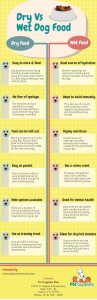
| Feature | Fresh cooked food | Dry kibble |
|---|---|---|
| Water content | Usually high | Usually low |
| Storage | Refrigerator or freezer | Pantry in a sealed container |
| Shelf life after opening | Often short | Usually longer |
| Cost | Often higher | Often lower |
| Portion control | Depends on package and scale | Often simple by cup or weight |
| Palatability | Often appealing to dogs | Varies by recipe and dog |
| Nutrition | Depends on formulation | Depends on formulation |
| Convenience | Requires more planning | Usually easy to serve |
| Dental effect | Soft texture | May provide some chewing, but does not replace dental care |
| Food safety | Needs cold storage and careful handling | Still needs clean storage, but is less perishable |
The strongest choice is the one you can feed consistently, measure correctly, and store safely.
A premium-looking fresh diet is not useful if it sits at room temperature for too long or causes your dog to gain excess weight.

When Fresh Dog Food May Make Sense
Fresh food may be worth considering when your dog has a clear reason to change diets.
Your dog will not eat dry food
Some dogs prefer moist food. If a complete and balanced fresh diet improves eating, it may be a reasonable choice.
Still, a sudden loss of appetite can signal pain or illness. Contact a veterinarian if your dog stops eating, loses weight, vomits, has diarrhea, or shows other changes.
Your dog needs more moisture
Moist food can increase water intake. This may be helpful for some dogs, but it is not a treatment for kidney disease, urinary disease, or another medical problem unless your veterinarian recommends it.
Your dog needs careful calorie control
Fresh food may list calories more clearly by package or gram. A kitchen scale can help you serve steady portions.
Weight loss should be gradual. Ask your veterinarian for a target weight and daily calorie plan, especially if your dog is obese or has another health condition.
Your veterinarian recommends a special diet
Dogs with kidney disease, pancreatitis, diabetes, food allergies, or other conditions may need a specific nutrient profile. A general fresh recipe may not meet that need.
Veterinary therapeutic diets are designed for medical goals. Do not replace one with a standard fresh food without professional advice.

When Fresh Dog Food May Not Be the Best Choice
Fresh food may be a poor fit when storage, cost, or nutrition cannot be managed well.
Avoid relying on a fresh diet if:
- The food has no complete-and-balanced statement.
- The recipe is intended only as a topper.
- You cannot keep it cold as directed.
- Your dog needs a medical diet.
- Your dog gains weight on the serving plan.
- The recipe causes repeated stomach problems.
- The food uses unclear nutrition information.
- You cannot maintain the cost over time.
A consistent, balanced kibble is usually better than an expensive fresh diet that is fed in uneven amounts or replaced often.
The same applies to homemade food. The UC Davis School of Veterinary Medicine has reported that many homemade dog diet recipes may lack essential nutrients. If you want to cook for your dog, work with a board-certified veterinary nutritionist and use a recipe made for your dog.

Is Raw Fresh Dog Food Safe?
Raw food is not the same as cooked fresh food. Raw meat can carry bacteria such as Salmonella, Listeria, and certain strains of E. coli.
The U.S. Food and Drug Administration warns that raw pet food may expose pets and people to harmful bacteria. The risk can affect children, older adults, pregnant people, and anyone with a weak immune system.
Freezing does not reliably remove every food safety risk. Dogs can also shed some bacteria without obvious illness.
If you feed any raw product, discuss the risks with your veterinarian. Cooked fresh food is generally easier to manage from a food safety standpoint, but it still requires proper storage and clean handling.

How to Switch Your Dog to Fresh Food
Change food slowly unless your veterinarian gives different instructions.
A simple transition may look like this:
- Feed about 75% old food and 25% new food for two to three days.
- Move to a 50/50 mix for two to three days.
- Feed about 25% old food and 75% new food for two to three days.
- Offer 100% new food if your dog has normal stools and a good appetite.
Some dogs need a slower change over two weeks or more.
Stop and contact your veterinarian if your dog has repeated vomiting, severe diarrhea, blood in the stool, weakness, signs of pain, or refuses food. A small change in stool can happen during a diet transition, but ongoing symptoms need attention.
Feed by calories or grams when possible. Cups and package portions can vary by food density.
Keep opened food cold according to the package directions. Use clean bowls. Do not leave perishable food out for long periods. When in doubt, discard food that smells spoiled, looks unusual, or was stored outside the recommended temperature range.

How Much Fresh Food Should a Dog Eat?
The correct amount depends on calories, not just volume.
A dog’s calorie needs can change with:
- Body weight
- Age
- Activity
- Neuter status
- Breed type
- Health
- Body condition
- Treat intake
Start with the package guide, then watch your dog’s body condition. A healthy dog should have a visible waist from above and a slight abdominal tuck from the side. You should be able to feel the ribs under a thin layer of fat.
Treats and toppers count. Ideally, most daily calories should come from a complete and balanced food. The American Animal Hospital Association recommends paying attention to total calorie intake, body condition, and diet quality.
Recheck your dog’s weight after two to four weeks. If weight rises or falls too fast, adjust the portion with veterinary guidance.

How to Choose a Fresh Dog Food
Use this short checklist before buying:
- Confirm the food is complete and balanced.
- Choose the correct life stage.
- Check calories per package or gram.
- Review storage and serving rules.
- Ask who formulates the recipe.
- Look for quality-control information.
- Confirm the company can answer nutrition questions.
- Check whether the food suits your dog’s medical needs.
- Calculate the monthly cost.
- Plan how to transition back if supply or storage becomes a problem.
The World Small Animal Veterinary Association (WSAVA) recommends evaluating the company behind a pet food, not just the ingredient list. Useful questions include whether the company employs qualified nutrition experts, tests finished products, and has quality-control systems.
Marketing terms such as “human-grade,” “natural,” and “premium” do not replace a complete-and-balanced statement. They may describe certain features, but they do not prove that a food is the best choice for your dog.

Common Mistakes to Avoid
The most common error is assuming that fresh ingredients guarantee a balanced diet. They do not.
Other mistakes include:
- Changing food overnight
- Measuring food only by eye
- Ignoring treats and chews
- Feeding a topper as the main diet
- Choosing food by ingredient names alone
- Leaving refrigerated food out too long
- Failing to check package calories
- Using a puppy diet for an adult dog without a reason
- Treating fresh food as a cure for disease
- Continuing a food that causes ongoing symptoms
A food change should have a clear goal. That goal might be better appetite, more moisture, easier portion control, or a veterinarian-approved medical plan. Without a goal, it becomes hard to tell whether the change helps.

Frequently Asked Questions
Is fresh dog food better for dogs with allergies?
Not automatically. Food allergies require identifying and avoiding the trigger. A fresh recipe may help only if its ingredients fit a careful elimination diet or another plan made with a veterinarian. Common proteins can still cause allergies, whether they are fresh or dry.
Is fresh dog food better for puppies?
Only if it is complete and balanced for growth or all life stages. Puppies need precise amounts of energy, calcium, phosphorus, and other nutrients. Large-breed puppies may need additional feeding control. Ask your veterinarian before using a new puppy diet.
Can fresh dog food cause diarrhea?
Yes. A fast transition, rich recipe, high fat content, food spoilage, or an ingredient intolerance can cause diarrhea. Move more slowly and seek veterinary care for severe, bloody, or ongoing diarrhea.
Does fresh dog food help dogs lose weight?
It can help if it provides appropriate calories and you measure portions accurately. Fresh food is not inherently low calorie. Weight loss plans should account for treats, activity, medical issues, and body condition.
Can I mix fresh food with kibble?
Yes, if both foods fit your dog’s needs. Reduce the amount of kibble to account for the calories in the fresh food. If the fresh food is not complete and balanced, keep it as a small topper rather than a main diet.
Bottom Line: Is Fresh Dog Food Better?
Fresh dog food can be better for an individual dog when it is complete and balanced, safely handled, correctly portioned, and suited to the dog’s health needs.
It is not automatically better than kibble. A well-made dry food can provide excellent nutrition, while a poorly balanced fresh diet can create serious nutrient gaps.
Before switching, check the adequacy statement, calories, life-stage label, storage rules, and company nutrition standards. Then change foods slowly and monitor appetite, stool, weight, and energy. For puppies, seniors with health problems, and dogs on therapeutic diets, involve your veterinarian first.