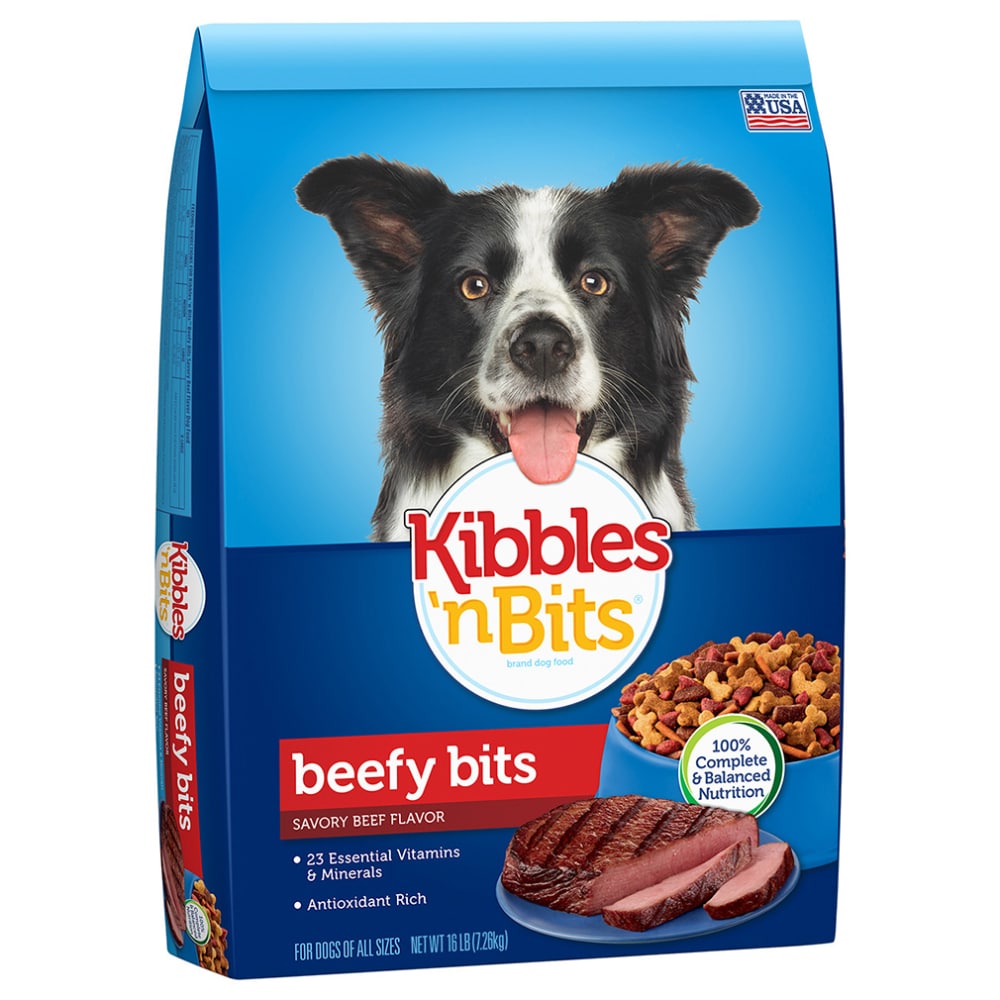
Kibble dog food is dry, heat-cooked pet food made from grains, proteins, fats, vitamins, and minerals.
Kibble dog food is one of the most common ways to feed dogs in the United States. It is convenient, easy to store, and made to provide complete nutrition when the recipe meets established nutrient standards. Still, not every kibble suits every dog, so understanding its ingredients, benefits, limits, and feeding guidelines matters.
Kibble Dog Food Explained
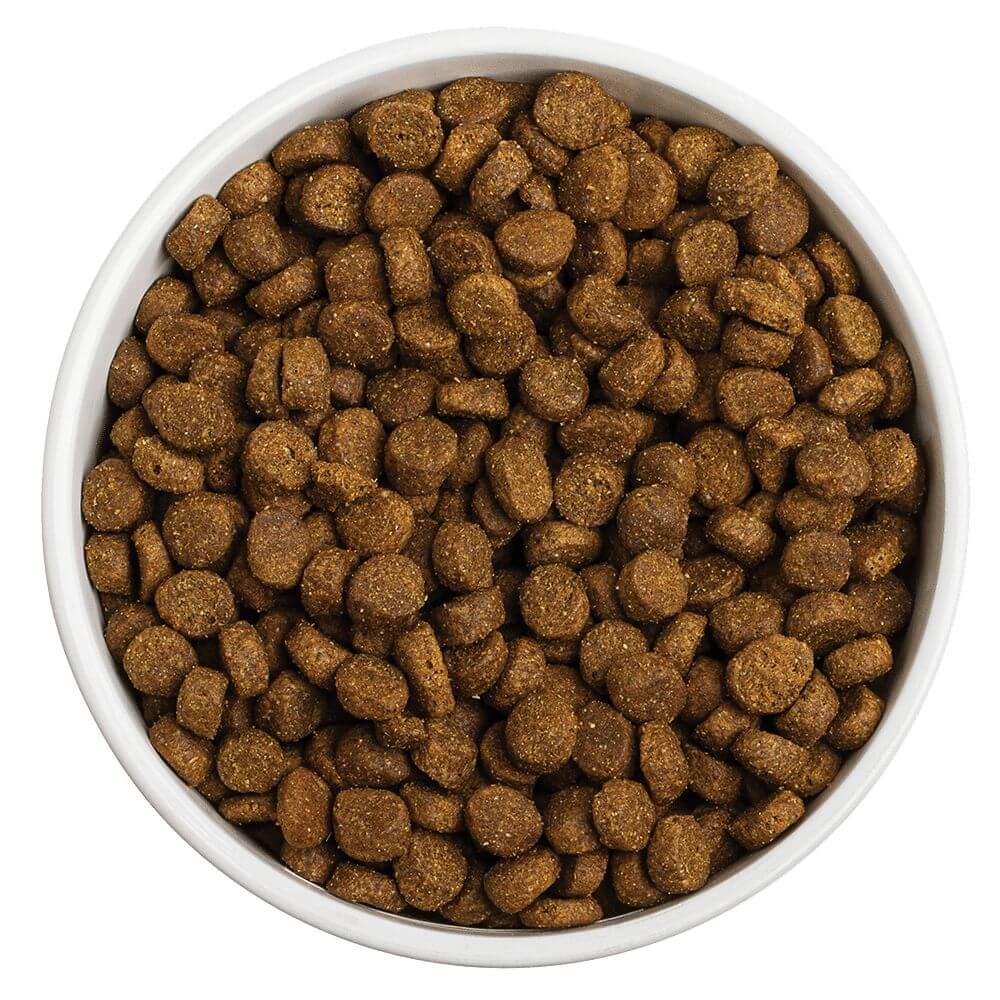
Kibble dog food is a type of dry dog food formed into small pieces, often called nuggets, pellets, or biscuits. Manufacturers mix ingredients into a dough, cook the mixture under heat and pressure, shape it, and dry it until it reaches a low moisture level.
Most dry dog food contains a mix of:
• Animal or plant proteins for muscle repair and body tissue
• Carbohydrates that provide energy and help form the kibble shape
• Fats for energy, skin health, taste, and nutrient absorption
• Vitamins and minerals for bones, nerves, blood, and immune function
• Fiber to support normal digestion
• Preservatives that help keep the food safe and fresh
The cooking method is called extrusion in many commercial formulas. Heat makes the food easier to digest and helps reduce harmful bacteria. Manufacturers may then spray fat or flavor coatings onto the kibble to improve taste.
Kibble dog food is not one single recipe. It can be made for puppies, adult dogs, senior dogs, large breeds, small breeds, working dogs, or dogs with special health needs. The label and nutrient profile are more important than the word “kibble” alone.
How Kibble Dog Food Is Made
The production process helps explain why kibble looks and feels different from fresh or canned food. Each step affects the food’s texture, shelf life, and nutrient content.
1. Ingredient selection
Manufacturers first choose ingredients such as meat meals, poultry, fish, grains, peas, potatoes, oils, and fiber sources. They also add vitamins and minerals to help the finished food meet a dog’s nutritional needs.
A meat meal is different from fresh meat. It has had much of its water removed, so it can provide a concentrated source of protein. This does not automatically make it good or bad, but it should be judged alongside the full ingredient list and nutrient analysis.
2. Mixing and grinding
The ingredients are ground into a fairly even blend. This helps each piece contain a similar amount of nutrients. The mix may include water so it can move through the cooking equipment.
3. Cooking and shaping
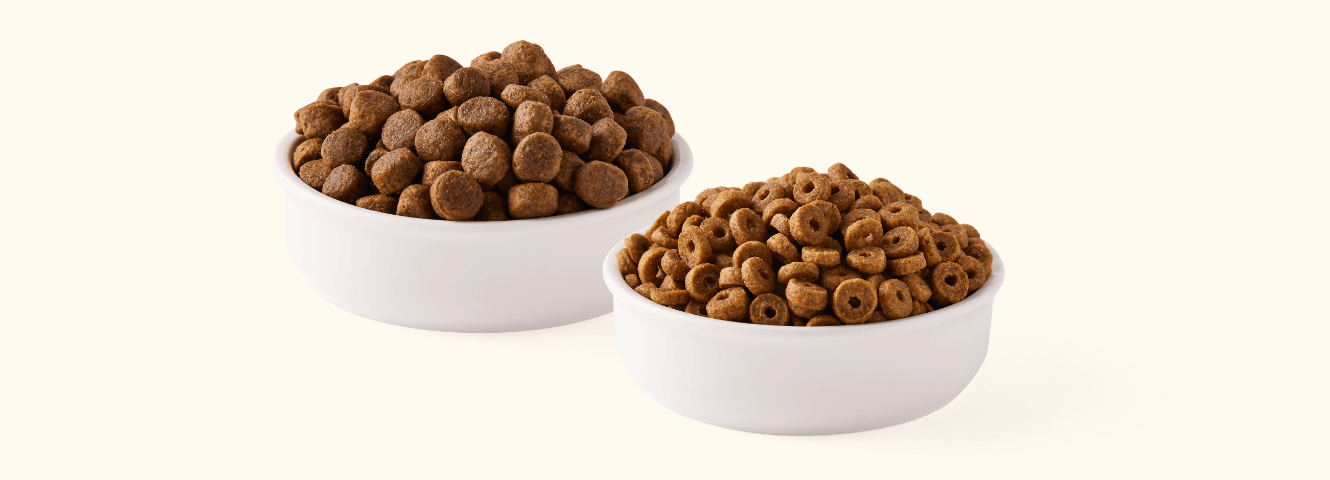
Heat and pressure cook the mixture. The dough then passes through a die that gives the kibble its shape. Some pieces are round, while others are shaped like stars, rings, or small bones.
4. Drying and coating
The cooked pieces are dried to lower moisture. Afterward, manufacturers may add oils, vitamins, minerals, or flavor coatings. The final moisture content is often much lower than that of canned or fresh food.
Cooking can reduce some heat-sensitive nutrients. For this reason, manufacturers often add certain vitamins and minerals after cooking. Reputable companies test their products for nutrient levels, safety, and consistency.
Is Kibble Dog Food Healthy?
Kibble dog food can be healthy when it is complete, balanced, safe, and suitable for a dog’s life stage. The key issue is not whether the food is dry. The key issue is whether it supplies the right nutrients in the right amounts.
In the United States, pet food labels use nutritional standards developed by the Association of American Feed Control Officials, commonly called AAFCO. A food labeled “complete and balanced” should meet a defined nutrient profile or pass a feeding trial for a stated life stage.
Look for a nutritional adequacy statement on the package. It may say the food is intended for:
• Growth, which includes puppies
• Maintenance, which is for adult dogs
• All life stages
• A specific purpose, such as intermittent or supplemental feeding
A healthy kibble dog food should also come from a company that uses quality control, nutrient testing, and clear labeling. Ingredient names alone cannot tell the whole story. A long ingredient list does not always mean better food, and a short list does not always mean poor food.
Dogs also have different needs. A healthy adult Labrador may do well on a standard adult formula, while a growing Great Dane, a diabetic dog, or a dog with kidney disease may need a very different diet.

Benefits of Kibble Dog Food
Kibble dog food remains popular because it offers practical benefits for both dogs and their families.
Convenience and storage
Dry food is easy to measure and store. An unopened bag can last for months when kept in a cool, dry place. It also creates less mess than wet food.
Once opened, the bag should be sealed well. Heat, air, light, and moisture can damage fats and reduce freshness. Use a clean, airtight container if possible, but keep the original package or lot number in case you need product information later.
Easy portion control
Kibble pieces are simple to weigh or measure. This helps owners control calories, which is important because excess weight can increase the risk of joint disease, diabetes, breathing problems, and reduced mobility.
A measuring cup is better than guessing, but a kitchen scale is even more accurate. Feeding guides are starting points, not exact rules. Your dog’s weight, activity, age, body shape, and health should guide adjustments.
Lower cost
Dry food often costs less per meal than canned food or many fresh diets. It also has a longer shelf life after opening. This makes kibble dog food a practical option for many households.
Less odor and mess
Kibble usually has less odor than wet food. It is also easier to use in puzzle toys, training games, travel bowls, and automatic feeders.
Dental support, with limits
Some dry foods may help reduce plaque through mild mechanical rubbing. However, ordinary kibble does not clean a dog’s teeth like brushing. Many dogs swallow kibble quickly, and tartar can still build up.
Daily brushing with dog-safe toothpaste is the most useful home dental habit. Special dental diets may help some dogs, but they should not replace veterinary dental care.

Limitations of Kibble Dog Food
Kibble dog food is useful, but it is not perfect for every dog or every situation.
Low moisture content
Dry food contains far less water than canned food. Most dogs can meet their water needs by drinking, but some dogs drink very little. Dogs with certain urinary, kidney, or bladder concerns may benefit from increased moisture, based on veterinary advice.
You can add warm water to kibble to soften it and increase moisture. Serve softened food promptly, since it can spoil faster than dry pieces.
Calorie density
Small pieces can contain many calories. This is easy to overlook, especially when treats, table scraps, dental chews, and toppers are added.
Treats should usually make up no more than about 10% of a dog’s daily calories. The rest should come from a complete diet unless a veterinarian provides a different plan.
Possible food sensitivities
Some dogs react poorly to certain ingredients. Signs may include itchy skin, repeated ear infections, vomiting, loose stool, or excessive gas. These signs can have many causes, so do not assume a food allergy without veterinary guidance.
A true elimination diet is carefully planned and usually lasts several weeks. Randomly switching foods may make the problem harder to identify.
Palatability differences
Some dogs love crunchy food. Others prefer wet food, fresh food, or a mix. A dog may reject kibble because of taste, texture, dental pain, nausea, stress, or an underlying illness.
A sudden loss of appetite deserves attention, especially if it comes with vomiting, diarrhea, pain, weakness, or weight loss.

How to Choose the Best Kibble Dog Food
Choosing kibble dog food does not need to feel like solving a puzzle. Start with your dog, then assess the product.
Check the life stage
Choose food made for your dog’s current stage:
• Puppy food for growing dogs
• Adult maintenance food for mature dogs
• Senior formulas when they suit the dog’s needs
• Large-breed puppy food for dogs expected to become large adults
Puppies have special needs for energy, protein, calcium, and other nutrients. Large-breed puppies can be harmed by poorly balanced mineral intake, so use a formula designed for appropriate growth.
Read the adequacy statement
Look for a statement that says the food is complete and balanced for your dog’s life stage. Foods labeled for intermittent or supplemental feeding should not usually be the main diet.
Compare calories
Calories may be listed per cup, kilogram, or can. Two foods can have similar ingredients but very different calorie levels. Calorie information helps you set a better portion.
Consider the ingredient list, but do not stop there
Ingredients appear by weight before cooking. Fresh meat contains a lot of water, so its position may change after processing. Meat meals can appear lower on the list while still supplying concentrated protein.
Instead of chasing one “perfect” ingredient, consider:
• The complete nutrient profile
• Calorie content
• Protein and fat levels
• Your dog’s stool quality and body condition
• The company’s quality testing and contact information
• Whether the food fits your veterinarian’s advice
Make changes slowly
A sudden diet change can cause loose stool. Move to a new kibble dog food over about seven days:
Days 1 and 2: Feed about 75% old food and 25% new food.
Days 3 and 4: Use half old food and half new food.
Days 5 and 6: Use 25% old food and 75% new food.
Day 7: Feed the new food alone if your dog is doing well.
Some dogs need a slower change. If severe diarrhea, repeated vomiting, or refusal to eat occurs, contact a veterinarian.

Feeding Kibble Dog Food Correctly
The feeding guide on a bag is useful, but it is not a prescription. Start with the suggested amount, then watch your dog’s body condition over several weeks.
You should be able to feel your dog’s ribs under a thin layer of fat. The waist should be visible from above, and the abdomen should rise slightly when viewed from the side. A heavy fat covering, no visible waist, or reduced movement may signal that portions need adjustment.
Follow these habits:
• Measure each meal instead of filling the bowl freely.
• Keep fresh water available at all times.
• Count treats and food toppers as part of daily calories.
• Feed puppies more often than many adult dogs.
• Store food in a cool, dry place.
• Wash bowls often to remove oils and residue.
• Check the expiration date and package condition.
• Avoid feeding spoiled, wet, moldy, or insect-contaminated food.
In my experience helping people troubleshoot feeding problems, the most common mistake is not the brand. It is portion drift. A cup slowly becomes a little more than a cup, treats become frequent, and the dog gains weight without anyone noticing. A simple scale and a weekly body check can prevent that quiet change.

Kibble Dog Food Compared With Wet and Fresh Food
Kibble dog food, wet food, and fresh diets can all play a role in a dog’s feeding plan. The best choice depends on nutrition, safety, cost, health needs, and what the dog will reliably eat.
Dry food is usually easiest to store and measure. Wet food provides more moisture and often appeals to picky eaters. Fresh food may offer a different texture, but it requires careful storage and must still be complete and balanced.
Some families combine dry and wet food. This can work well, but total calories still matter. Mixing foods without adjusting portions may lead to weight gain.
Home-prepared diets need special care. Meat, rice, vegetables, and supplements may look wholesome but can lack key nutrients when used as a long-term diet. Veterinary nutrition specialists can help create a balanced recipe when home cooking is necessary.
Raw diets also carry food safety concerns for pets and people. Claims that raw food is always superior are not supported by strong evidence. Discuss major diet changes with a veterinarian, especially when children, older adults, pregnant people, or immunocompromised family members live in the home.

When to Ask a Veterinarian
A veterinarian can help when your dog has a medical condition, unusual symptoms, or ongoing trouble with food. Diet may be part of treatment for allergies, kidney disease, urinary stones, diabetes, pancreatitis, and digestive disorders.
Ask for professional advice if your dog has:
• Ongoing vomiting or diarrhea
• Sudden weight loss or weight gain
• Repeated ear or skin problems
• Pain while chewing
• Trouble swallowing
• Excessive thirst or urination
• A poor appetite lasting more than a day
• A known kidney, liver, heart, or digestive condition
Prescription diets are made for specific medical goals. They are not the same as ordinary “premium” or “natural” foods. Never replace a veterinary diet without discussing the change with the veterinary team.
Frequently Asked Questions About Kibble Dog Food
Is kibble dog food good for dogs?
Yes, kibble dog food can be a healthy main diet when it is complete and balanced for the dog’s life stage. Choose a formula that matches your dog’s health, activity, size, and calorie needs.
Can dogs eat kibble every day?
Most healthy dogs can eat a suitable complete and balanced kibble every day. Offer fresh water, measure portions, and monitor body weight, stool quality, energy, and appetite.
Is dry kibble better than wet food?
Neither is always better. Kibble is convenient and easy to portion, while wet food offers more moisture and may be easier for some dogs to eat.
Does kibble clean a dog’s teeth?
Regular kibble may provide limited mechanical rubbing, but it does not replace tooth brushing or professional dental care. Dental health depends on the dog, the food’s design, and a complete dental routine.
Can puppies eat adult kibble?
Puppies should usually eat food made for growth or all life stages. Adult maintenance food may not provide the right nutrient balance for healthy puppy development.
How long does an opened bag of kibble last?
Use opened kibble according to the package guidance and store it in a cool, dry, airtight place. Buy a bag size your dog can finish while the food is still fresh, and discard food that smells rancid or shows mold or moisture damage.
Conclusion
Kibble dog food is dry, cooked food designed to deliver key nutrients in a convenient form. It can support good health when it is complete and balanced, fed in the right amount, stored safely, and matched to your dog’s age and needs.
Focus less on marketing words and more on the nutrition statement, calorie content, quality controls, and your dog’s response. Measure meals, protect dental health, provide water, and involve your veterinarian when health concerns appear.
Use this guide to review your dog’s current food today, then make changes slowly and thoughtfully. Explore trusted veterinary resources, and share your feeding questions or experiences in the comments.