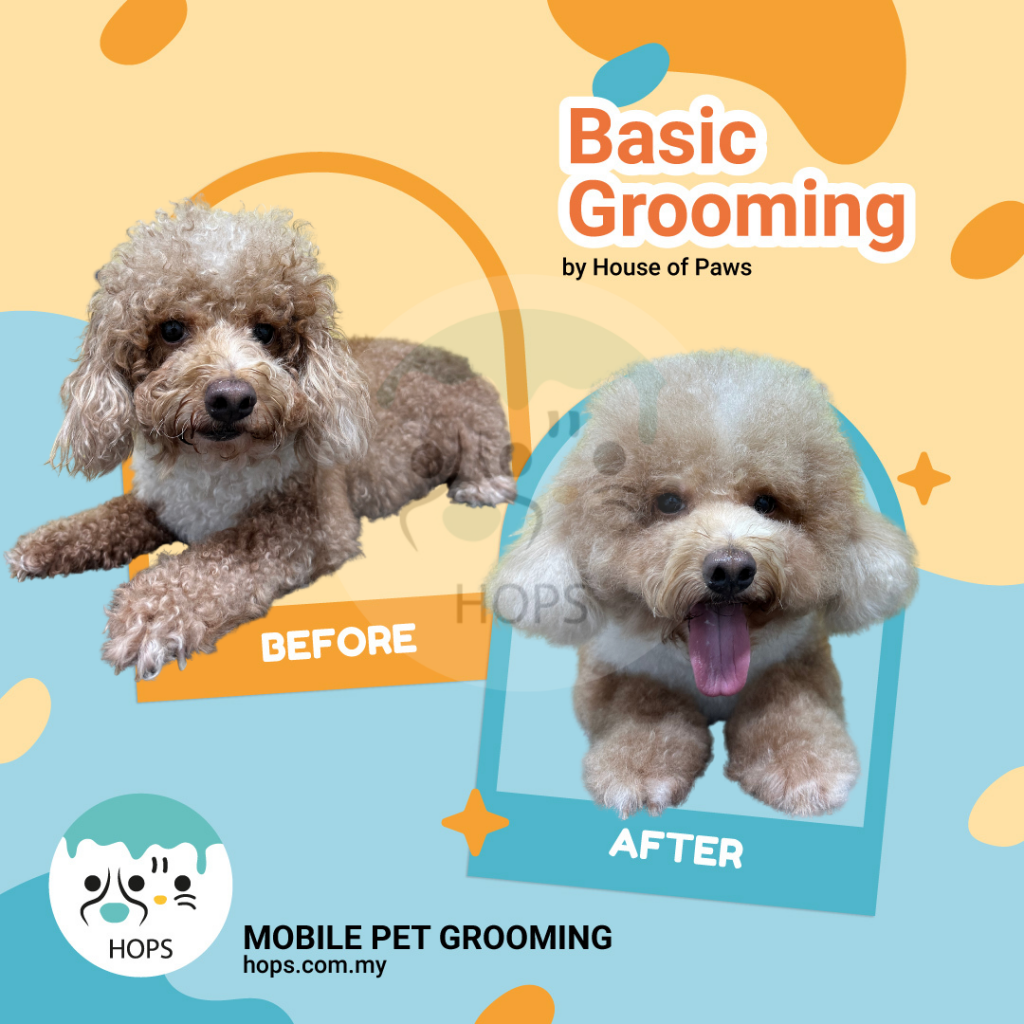
Basic grooming for dogs keeps them clean, comfortable, healthy, and easier to check for early problems.
If you want your dog to look good and feel good, basic grooming for dogs is one of the easiest habits to build. I’ve seen how a simple routine can prevent mats, catch skin issues early, and make home life calmer for both pets and people. In this guide, I’ll walk you through the essentials of basic grooming for dogs, from brushing and bathing to nail care and ear checks, in a way that feels practical and easy to follow.

What Basic Grooming for Dogs Really Means
Basic grooming for dogs is not just about looks. It is a regular care routine that helps keep your dog’s coat, skin, paws, ears, teeth, and nails in good shape. Think of it like routine maintenance for a car. Small checks done often can prevent bigger problems later.
A solid grooming routine usually includes:
• Brushing the coat
• Bathing when needed
• Trimming nails
• Cleaning ears
• Checking eyes, skin, paws, and teeth
• Managing shedding and tangles
In my experience, many dog owners wait until a dog smells bad or the coat starts to mat before they groom. That usually makes the job harder. A little basic grooming for dogs done on a schedule saves time, stress, and money.
Why Basic Grooming for Dogs Matters
Basic grooming for dogs supports both comfort and health. A clean coat can help reduce dirt buildup and shedding around the home. More importantly, grooming gives you a close look at your dog’s body, which makes it easier to spot cuts, lumps, fleas, ticks, redness, or sore spots.
Here are the biggest benefits:
• Health checks become part of the routine
• Mats and tangles are easier to prevent
• Nail overgrowth and paw pain are less likely
• Ears stay cleaner and less prone to odor
• Your dog may feel calmer with regular handling
Veterinary groups and animal welfare experts consistently stress that grooming is part of preventive care, not just beauty care. That matters because early attention often leads to easier treatment if something is wrong.
Brushing: The Foundation of Basic Grooming for Dogs
Brushing is the easiest place to start with basic grooming for dogs. It removes loose hair, spreads natural oils, and helps keep the coat smooth. It also gives you a daily chance to notice skin problems before they get worse.
How often you brush depends on coat type:
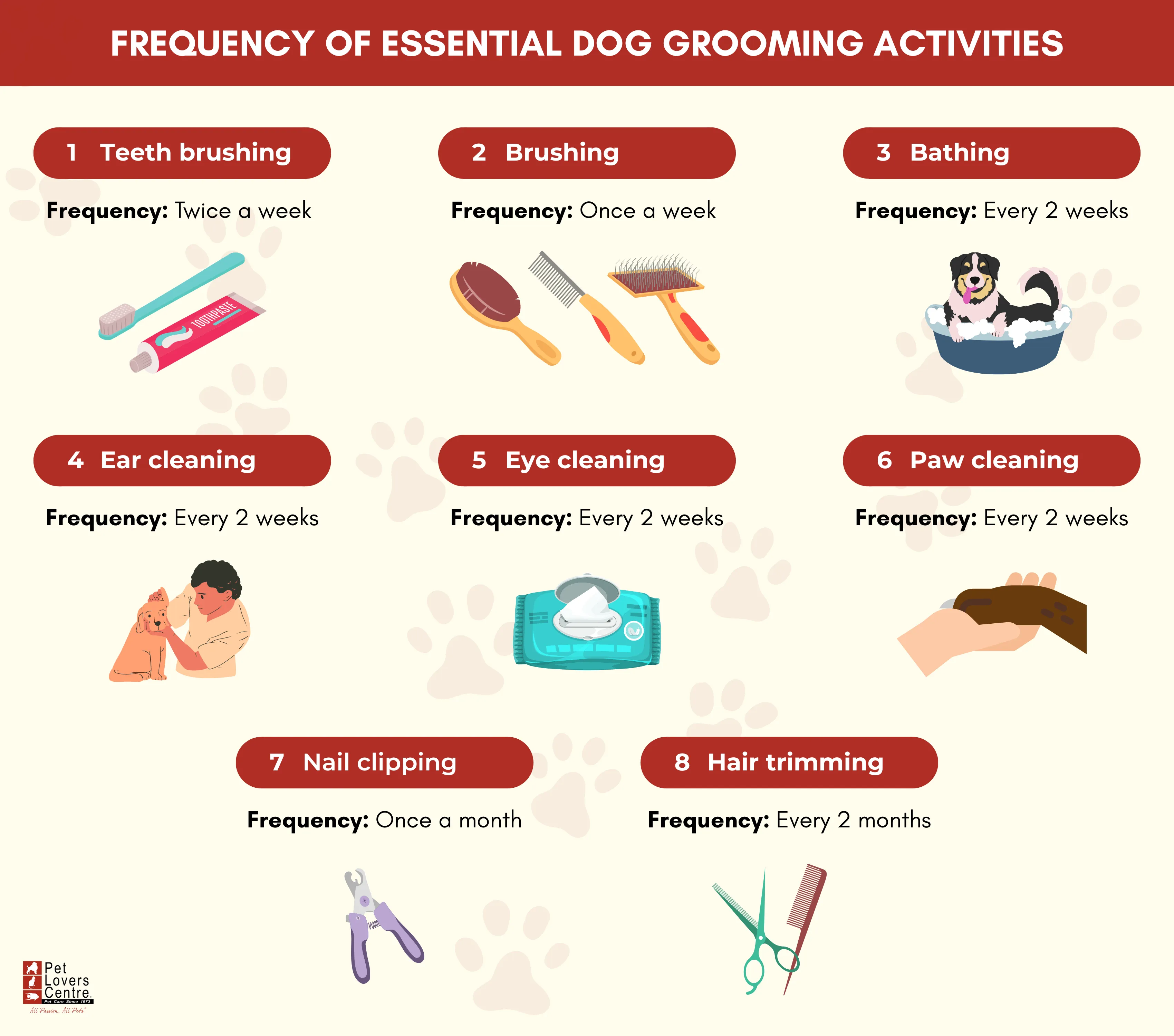
• Short coat: once or twice a week
• Medium coat: several times a week
• Long or curly coat: daily or near daily
• Heavy shedding dogs: more often during seasonal shedding
Use the right tool for the coat. A slicker brush works well for many medium and long coats. A bristle brush is often good for short coats. A de-shedding tool can help with heavy shedders, but use it gently so you do not irritate the skin.
One mistake I made early on was brushing too fast. I thought I was saving time, but I was only skimming the top layer. Slow brushing, section by section, works much better and is kinder to the dog.
Bathing: How Often Should You Wash Your Dog?
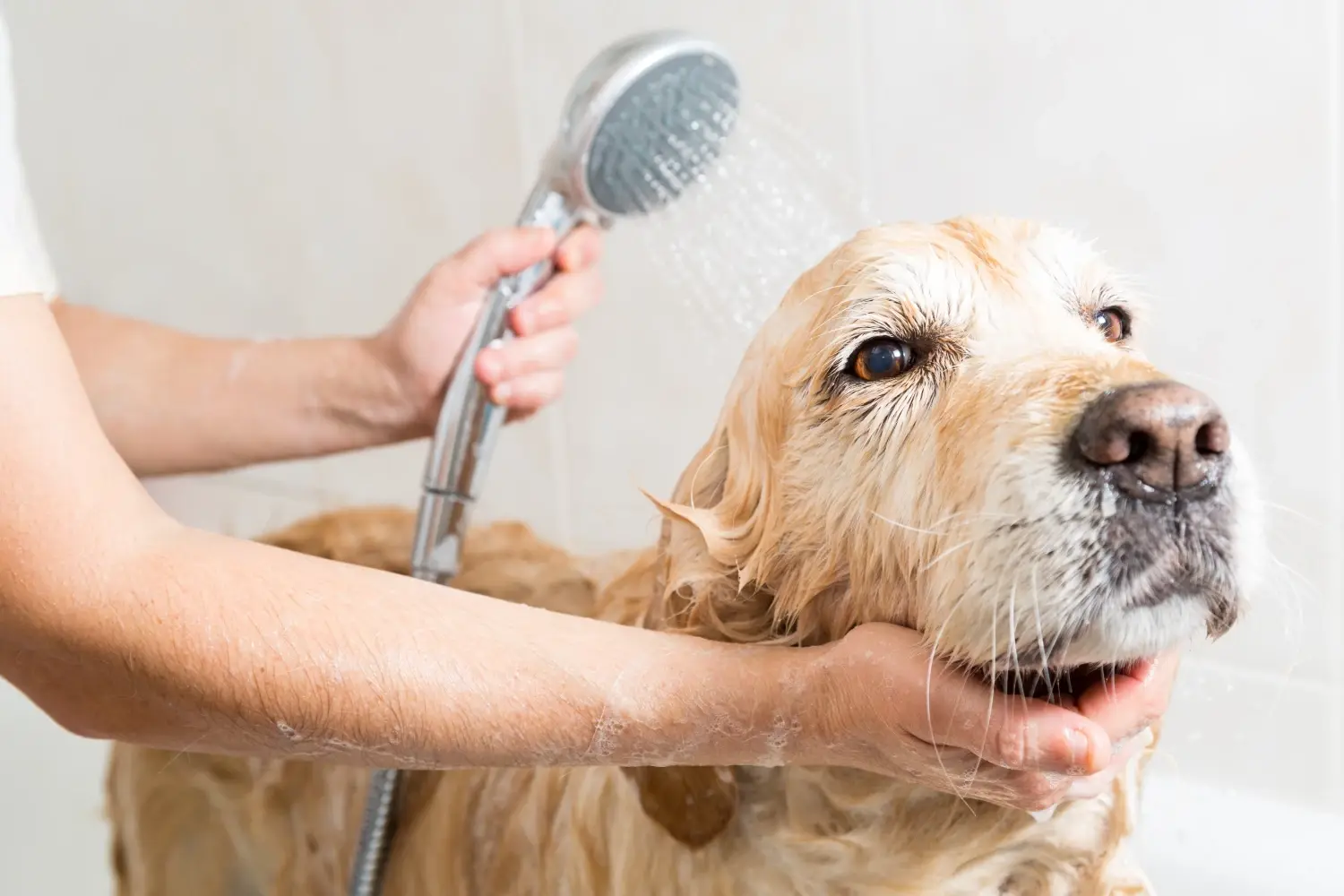
Bathing is another key part of basic grooming for dogs, but more is not always better. Dogs do not need daily baths unless a veterinarian recommends it for a skin problem. Too much bathing can dry out the skin and strip natural oils.
A good general guide is:
• Every 4 to 8 weeks for many dogs
• More often for dogs that get dirty often
• Less often for dogs with dry or sensitive skin, unless advised by a vet
Use a dog-specific shampoo, not human shampoo. Dog skin has a different pH balance, and human products can cause irritation. If your dog has allergies, sensitive skin, or a medical issue, ask a veterinarian which shampoo is safest.
A few bath tips that help:
• Brush before the bath to remove tangles
• Use lukewarm water
• Keep shampoo away from eyes and ears
• Rinse very well
• Dry thoroughly, especially in cool weather
A half-rinsed coat can lead to itchiness. I learned that the hard way with a dog who kept scratching after bath day. The shampoo was fine. The rinse was the problem.
Nail Care: Small Step, Big Comfort
Nail trimming is one of the most overlooked parts of basic grooming for dogs. Long nails can change how a dog walks, which may lead to discomfort or joint strain over time. If you hear nails clicking on the floor, they may already be too long.
Signs your dog needs a nail trim:
• Nails touch the ground when standing
• Clicking sounds on hard floors
• Toes spread outward
• The dog seems hesitant on stairs or slippery floors
You can use dog nail clippers or a grinder. If you trim at home, take off small bits at a time. Dogs with dark nails can be harder to trim safely because the quick is not easy to see. In that case, trimming tiny amounts and going slowly is the safest approach.
If you are nervous, that is normal. I still tell people not to rush nail care. A calm session with treats is better than one stressful cut.
Ear Cleaning: Keep It Gentle and Simple
Ear care is part of basic grooming for dogs, especially for breeds with floppy ears or lots of hair in the ear canal. Dirty or moist ears can trap debris and make it easier for bacteria or yeast to grow.
You do not need to clean ears every day. In many dogs, a once-a-week check is enough. Clean only if the ears look dirty and use a vet-approved ear cleaner. Never push cotton swabs deep into the ear canal.
Watch for warning signs like:
• Bad smell
• Redness
• Head shaking
• Excess wax
• Scratching at the ears
• Discharge
If you see these signs, it is best to call a veterinarian. Ear problems can get painful fast, so this is one area where a little caution goes a long way.
Eye, Teeth, and Paw Care
Basic grooming for dogs also includes small daily checks that many people skip. These checks take only a minute or two, but they can make a big difference.
Eye care:
• Wipe away light crust with a soft, damp cloth
• Watch for redness, squinting, or discharge
• Get veterinary help if the eyes look cloudy or painful
Teeth care:
• Brush teeth with dog toothpaste if your dog tolerates it
• Aim for several times a week, or daily if possible
• Offer vet-approved dental chews if brushing is hard at first
Paw care:
• Check pads for cuts, cracks, or stuck debris
• Trim hair between the toes if it traps dirt or snow
• Wipe paws after walks in mud, salt, or pollen
I like to think of these checks as the “dashboard lights” of dog care. They do not take long, but they tell you a lot.
Basic Grooming for Dogs by Coat Type
Not every dog needs the same grooming routine. Coat type matters a lot, and matching your routine to the coat makes basic grooming for dogs much easier.
Short-haired dogs:
• Brush weekly to reduce shedding
• Bathe when dirty or smelly
• Check skin for dandruff or irritation
Long-haired dogs:
• Brush often to prevent mats
• Focus on behind the ears, under the legs, and around the tail
• Consider professional grooming if mats form often
Curly-coated dogs:
• Brush regularly to prevent tangles
• Keep up with professional trims if needed
• Watch for hidden mats close to the skin
Double-coated dogs:
• Brush more during shedding seasons
• Do not shave unless a vet or groomer advises it
• Use tools made for undercoat removal
Knowing the coat type helps you avoid common mistakes, like brushing too hard or bathing too often. It also keeps the routine realistic, which matters if you want to stick with it.
How to Make Grooming Easier for You and Your Dog
The best basic grooming for dogs routine is one your dog can actually tolerate. Start small and build trust. Short sessions work better than one long, stressful one.
Try these ideas:
• Start when your dog is calm and slightly tired
• Use treats and praise
• Touch paws, ears, and tail often so handling feels normal
• Keep tools nearby so the routine is quick
• End on a positive note, even if you only brushed for two minutes
A big lesson from experience: dogs learn the tone of the session. If you stay relaxed, they usually settle faster. If you act tense, they often get tense too. Grooming is part skill and part timing.
When to Call a Professional Groomer or Vet
Home grooming is great, but it has limits. Some dogs need a professional groomer for coat maintenance, dematting, or breed-specific trims. Others may need a veterinarian if skin, ear, or nail issues look serious.
Call a professional if:
• Mats are tight or close to the skin
• Your dog is fearful or reactive during grooming
• Nails are overgrown or bleeding
• Ears smell bad or look infected
• The skin is red, flaky, or very itchy
It is smart to ask for help before a small problem becomes a big one. A good groomer can also teach you the right tools and techniques for your dog’s coat.
Basic Grooming Tools Every Dog Owner Should Have
You do not need a huge setup to get started with basic grooming for dogs. A simple kit is enough for most homes.
Useful tools include:
• Brush suited to your dog’s coat
• Dog comb for tangles and finishing
• Dog shampoo
• Nail clippers or grinder
• Vet-approved ear cleaner
• Soft towels
• Dog toothpaste and toothbrush
• Treats for positive reinforcement
Buy tools based on your dog, not on the fanciest product. I have seen owners spend a lot on grooming gadgets they never use. A few good tools used regularly are better than a crowded drawer of extras.
Frequently Asked Questions of Basic grooming for dogs
How often should I groom my dog?
Most dogs do best with brushing at least once a week, while long-haired or curly-coated dogs may need daily care. Bathing is usually needed every 4 to 8 weeks, depending on your dog’s coat, lifestyle, and skin condition.
Can I use human shampoo on my dog?
It is better not to. Human shampoo can irritate a dog’s skin because the pH is different, so dog-specific shampoo is the safer choice.
What is the most important part of basic grooming for dogs?
Brushing is often the most important because it prevents mats, reduces shedding, and helps you spot skin problems early. For many dogs, it is also the easiest habit to build.
How do I know if my dog’s nails are too long?
If the nails click on the floor or touch the ground when your dog is standing, they are likely too long. Long nails can affect posture and comfort, so regular trimming matters.
Should I clean my dog’s ears every week?
Not always. Some dogs only need a weekly check, while others may need more care if they have floppy ears or a history of ear issues. Clean only when needed and use a vet-approved product.
What if my dog hates grooming?
Start slow and keep sessions short. Use treats, soft praise, and gentle handling, and build up tolerance over time. If your dog is very anxious, a professional groomer or trainer can help.
Conclusion
Basic grooming for dogs is one of the simplest ways to protect your dog’s comfort and health. Brushing, bathing, nail care, ear checks, and small daily inspections all work together to prevent bigger problems later. When you build a calm routine and use the right tools, grooming becomes less of a chore and more of a caring habit.
If you start with just one step this week, make it brushing or a quick paw check. Small actions add up fast, and your dog will feel the difference. Keep learning, stay consistent, and if you found this guide helpful, explore more dog care tips or leave a comment with your biggest grooming question.