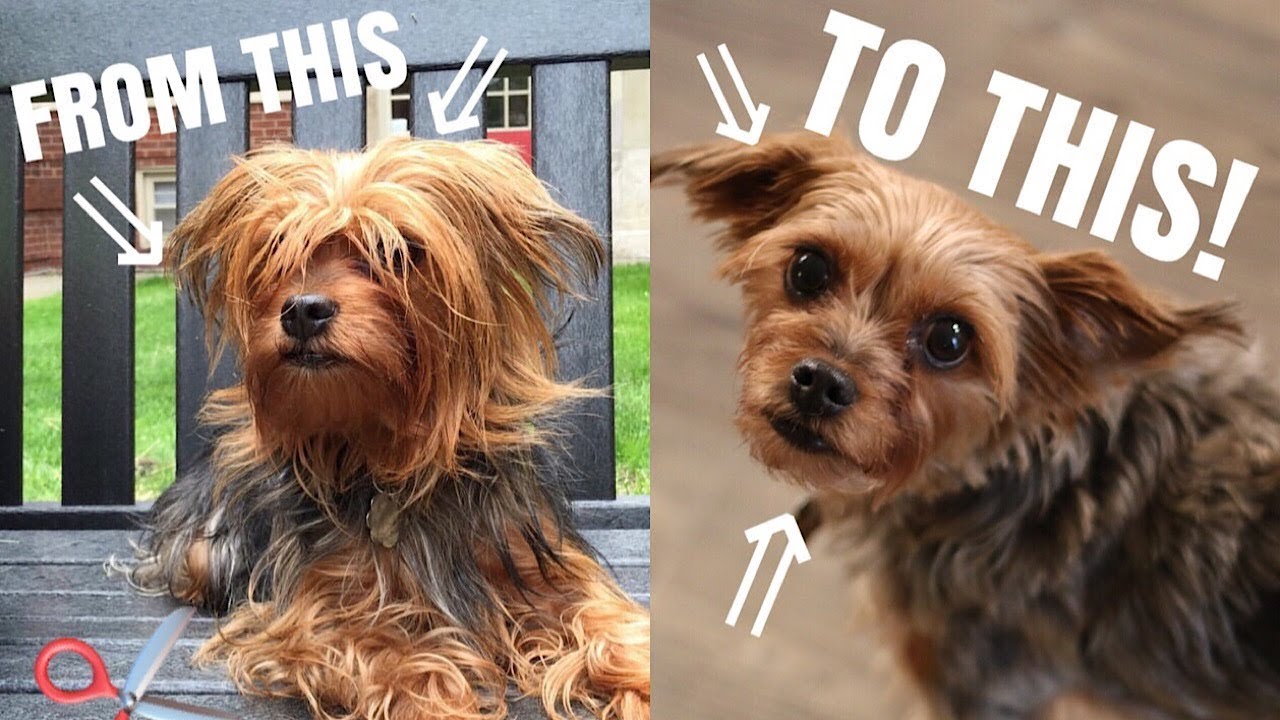
You can thin a dog’s coat with scissors by lifting small sections and snipping lightly, never cutting into the skin.
Thinning a dog’s coat with scissors can help reduce bulk, improve comfort, and make grooming easier when done the right way. I’ve seen many pet owners reach for scissors first, but the real skill is knowing when to use them, how much to remove, and how to keep the coat natural-looking and safe. If you want a cleaner, lighter coat without creating uneven patches or irritating your dog’s skin, this guide will walk you through the process step by step.
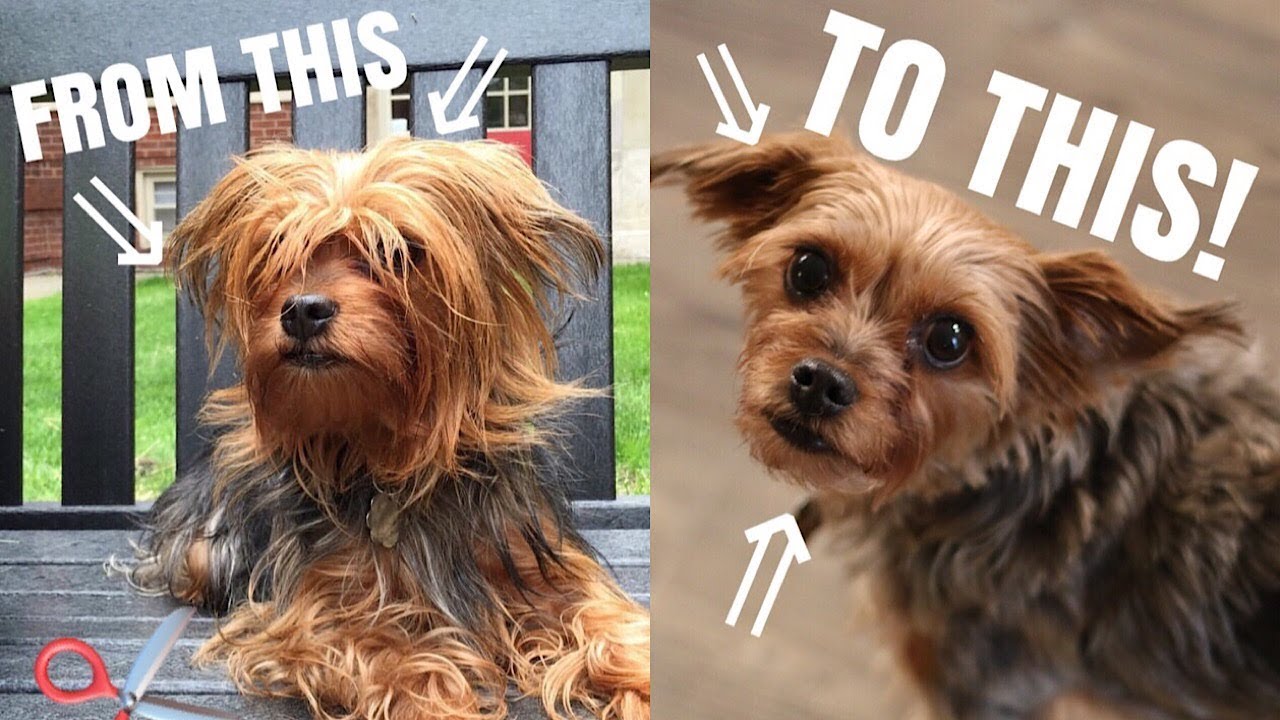
Why people thin a dog’s coat with scissors
A thick coat can trap heat, hold dirt, and tangle more easily. In some dogs, especially those with long or fluffy coats, thinning helps the coat lie better and makes brushing much easier.
It can also improve comfort in small ways. For example, I once worked with a doodle mix that kept matting behind the ears and under the legs, even with regular brushing. A careful trim with scissors made daily grooming simpler and kept the dog far more relaxed.
Still, thinning is not the same as shaving. You want to reduce excess bulk, not remove too much coat or change the coat’s protective function.
Before you start: know when scissors are the right tool
Not every coat should be thinned with scissors. Some coats are better handled with brushing tools, de-shedding tools, clippers, or professional grooming.
Scissors are most useful when:
• The coat is fluffy or bulky in small areas
• You want to shape around the feet, legs, chest, or tail
• You are removing light volume, not large amounts of hair
• Your dog has mats that are too close to the skin for safe brushing, but only at the surface level
Scissors are less useful when:
• The coat is tightly matted
• The dog has a double coat that should not be thinned aggressively
• You need a very even finish over large areas
• Your dog moves a lot or does not tolerate grooming well
In many cases, a professional groomer or veterinarian can tell you whether thinning is a good idea for your dog’s coat type.
Tools you need for safe thinning
Using the right tools matters as much as the technique. Dull scissors can pull the hair and make grooming stressful, while sharp, well-made grooming scissors give cleaner cuts.
Gather these basics:
• Straight grooming scissors for general trimming
• Thinning shears for light blending, if available
• A fine-tooth comb for lifting coat sections
• A slicker brush for detangling before trimming
• Treats to keep your dog calm and rewarded
• A towel or non-slip mat for better footing
I always suggest grooming scissors made for pets, not craft scissors or kitchen shears. Pet grooming tools are designed to cut cleanly and reduce the chance of snagging.
How to thin a dog’s coat with scissors step by step
Start slow. The safest way to thin a dog’s coat with scissors is to remove tiny amounts at a time and check your progress often.
- Brush the coat first
Brush out tangles and loose hair before using scissors. This helps you see the natural shape of the coat and prevents cutting through hidden knots.
- Hold the hair away from the skin
Lift a small section of coat with your comb or fingers. Keep a clear view of the area you are trimming so you do not accidentally cut too deep.
- Snip only the ends
Cut just the tips of the hair in short, controlled snips. Think of it like trimming the top of grass, not mowing the lawn.
- Work in small sections
Move slowly across the area you want to thin. Small sections help you keep the cut even and prevent choppy spots.
- Check the shape as you go
Step back every few minutes and look at the overall coat. A good trim should look soft and natural, not sliced or patchy.
- Use thinning shears for blending
If you have thinning shears, use them lightly to soften edges and blend thicker areas. These are helpful around the legs, chest, and feathering, where a natural finish matters most.
- Reward your dog often
Give treats, praise, and breaks. A calm dog makes the whole process safer and easier.
Best areas to thin with scissors
Some parts of the coat are easier and safer to thin than others. Focus on areas where bulk builds up but where you can still see what you are doing clearly.
Good areas include:
• Around the feet
• Feathering on the legs
• The chest and neck line
• The tail fringe
• Light bulk around the ears
• Small puffed areas on long coats
Be extra careful around sensitive zones:
• Near the eyes
• Around the ears with thin skin
• Under the legs where skin folds can hide
• The belly, if your dog is squirmy
The safer your grip and the slower your motion, the better the result.
Common mistakes to avoid
I’ve seen most mistakes happen when someone tries to rush. Thinning a dog’s coat with scissors takes patience more than skill.
Avoid these common problems:
• Cutting too much at once
• Using blunt scissors
• Snipping too close to the skin
• Trying to fix uneven spots by taking off more hair
• Cutting mats instead of brushing or safely removing them
• Trimming a double coat too aggressively
One of the biggest mistakes is chasing perfection. A dog coat should look tidy and comfortable, not over-shaped like a human haircut.
How to thin different coat types
Different coats respond differently to scissors. Knowing the coat type helps you choose the right approach.
Long, single coats
These coats often benefit from light thinning to reduce bulk and improve movement. Use scissors in very small amounts so the coat still falls naturally.
Curly or wavy coats
Curly coats can look uneven fast if too much is removed. Use scissors for shaping and light thinning, but keep the texture soft and balanced.
Double coats
Double coats need special care. In many cases, you should not thin the undercoat with scissors unless a groomer recommends it for a specific reason.
Fine or silky coats
These coats can show every mistake. Use only tiny snips and avoid over-thinning, since the coat may lose its smooth look quickly.
Safety tips that protect your dog
Dog grooming should feel calm, not stressful. Safety comes first every time.
Keep these habits in mind:
• Use sharp, clean scissors
• Keep the blades pointed away from the skin
• Never trim when your dog is moving too much
• Work in a bright area
• Stop if your dog shows stress, fear, or discomfort
• Check for skin irritation, cuts, or hidden mats before trimming
If your dog has skin issues, sores, hotspots, or heavy matting, it is better to see a groomer or vet before using scissors.
When to stop and call a groomer
Sometimes thinning a dog’s coat with scissors is a simple home task. Other times, it is best left to a professional.
Call a groomer if:
• The coat is heavily matted
• Your dog is anxious or hard to handle
• You need a major shape correction
• The coat is thick, dense, or double layered
• You are unsure how short to go
Professional groomers have experience with coat types, safe body handling, and grooming tools. That experience can save your dog from stress and keep the coat in better condition.
Care after thinning
After grooming, brush the coat again and look for any uneven spots. A small finishing trim may help, but do not keep cutting once the coat already looks balanced.
You can also:
• Give your dog a treat and a calm break
• Check the skin for nicks or redness
• Brush regularly to prevent tangles
• Repeat light maintenance trims as needed
A little upkeep often works better than one big trim. Think of it like trimming a hedge a little at a time instead of hacking it down all at once.
What experts generally recommend
Most grooming professionals recommend caution with scissors, especially on thick or double-coated dogs. Animal care groups and grooming standards commonly stress that the coat should be maintained in a way that supports skin protection, comfort, and normal coat function.
That is why light, controlled scissor work is preferred for shaping and minor thinning, while severe matting, coat loss, or skin concerns should be handled by a professional. In my experience, the best results always come from respecting the coat instead of fighting it.
Frequently Asked Questions of How to thin a dogs coat with scissors
Can I thin my dog’s coat with regular scissors?
You can, but it is not the best choice. Grooming scissors are safer, sharper, and easier to control, which lowers the risk of pulling hair or nicking skin.
Is it okay to thin a double coat with scissors?
Usually, only lightly and in specific areas. Double coats protect the dog from heat, cold, and sun, so thinning too much can cause problems.
How do I keep the coat from looking choppy?
Use small snips, work in sections, and step back often to check the shape. Thinning shears can also help blend the cut so it looks softer and more natural.
How often should I thin my dog’s coat?
It depends on the breed, coat length, and how fast the hair grows. Many dogs only need light maintenance every few weeks, while others need grooming more often.
What if my dog hates grooming?
Keep sessions short, use treats, and stop before your dog gets overwhelmed. If your dog stays anxious, a professional groomer may be the safest option.
Conclusion
Thinning a dog’s coat with scissors can be a simple and useful grooming skill when done with care. The key is to work slowly, remove only a little hair at a time, and always keep your dog’s comfort in mind.
If you focus on gentle technique, the right tools, and your dog’s coat type, you can keep the coat neat without damaging its natural look or function. Try the method carefully, stay patient, and learn your dog’s needs as you go. If this guide helped you, explore more grooming tips, share your experience, or leave a comment with your questions.