
Making dry food for dogs at home is possible, but making a complete and balanced diet is much harder than mixing meat, grains, and vegetables. A safe homemade dry food recipe needs the right calories, protein, fat, vitamins, minerals, and amino acids for your dog’s age, size, and health.
For most dogs, the safest home approach is to make a baked dry food for occasional use or as a topper. If you want homemade food to replace commercial dog food, ask a board-certified veterinary nutritionist to create and review the recipe. Follow the recipe exactly. Small changes can upset the nutrient balance.
This guide focuses on U.S. pet-care standards, including guidance from the U.S. Food and Drug Administration, AAFCO nutrient profiles, and veterinary nutrition resources from UC Davis School of Veterinary Medicine.

What You Need Before Making Homemade Dry Dog Food
You need a tested recipe, accurate measurements, safe ingredients, and a way to dry the food without burning it. A kitchen scale is far more useful than measuring cups because ingredient weight is more exact.
Gather:
- A digital kitchen scale
- A food processor or grinder
- Mixing bowls
- A baking sheet
- Parchment paper
- A rolling pin or flat-bottomed glass
- A knife or pizza cutter
- An oven or food dehydrator
- An airtight storage container
- A refrigerator or freezer
You also need your dog’s basic details:
- Age
- Current body weight
- Activity level
- Breed or expected adult size
- Body condition
- Known diseases
- Food allergies
- Current medicines
- Whether the dog is pregnant, nursing, or growing
These details affect the recipe. A food for an adult Labrador may not suit a growing puppy. A recipe for a healthy dog may be unsafe for a dog with kidney disease, pancreatitis, diabetes, or urinary problems.
Choose the right type of homemade dry food
There are three common types:
| Type | Main use | Can it replace a complete diet? |
|---|---|---|
| Baked dog food | Meal or treat | Only if professionally formulated |
| Dehydrated dog food | Meal or topper | Only if professionally formulated |
| Crunchy treats | Reward or snack | No |
Home-baked food often contains more moisture than commercial kibble. It may look dry on the outside while still holding moisture inside. That moisture can allow mold to grow during storage.
Commercial kibble is usually made by extrusion. This process combines controlled heat, pressure, and drying. A home oven does not automatically reproduce that process or make a food shelf-stable.
Use ingredients dogs can safely eat
Common ingredients in homemade dog food include:
- Cooked lean meat, such as turkey, beef, chicken, or pork
- Cooked eggs
- Oats, rice, barley, or another suitable grain
- Plain pumpkin
- Carrots
- Green beans
- Sweet potatoes
- Peas
- Plain unsweetened yogurt, if tolerated
Avoid:
- Onions, garlic, leeks, and chives
- Grapes and raisins
- Chocolate and cocoa
- Macadamia nuts
- Xylitol, also called birch sugar
- Alcohol
- Caffeine
- Raw yeast dough
- Cooked bones
- Large amounts of salt
- Fatty scraps and grease
- Seasoning blends
“Natural” does not mean nutritionally complete. Meat alone is low in calcium and lacks the full balance of nutrients a dog needs.

A Simple Baked Dry Dog Food Recipe for Occasional Use
This recipe is best used as a treat, training food, or meal topper. It is not a complete diet. Keep it to a small part of your dog’s daily calories unless a veterinary professional approves a larger amount.
Ingredients
- 1 pound cooked lean ground turkey or chicken
- 2 cups cooked plain oats or brown rice
- 1 cup plain pumpkin
- 1 cooked egg
- 1 cup cooked carrots or green beans
- 2 to 4 tablespoons water, only if needed
Do not add salt, oil, garlic, onion, butter, gravy, or seasoning.
Step-by-step method
Cook the meat fully.
Brown the ground meat in a pan. Break it into small pieces. Drain excess fat. Poultry should reach a safe internal temperature of 165°F, according to USDA food-safety guidance. Ground meats such as beef and pork should reach 160°F.Cook the grains and vegetables.
Use plain cooked oats or rice. Steam or boil the vegetables until soft. Let all ingredients cool before mixing.Blend the mixture.
Add the meat, grains, pumpkin, egg, and vegetables to a food processor. Pulse until the mixture forms a thick paste. Add a little water if it will not hold together.Spread the dough.
Heat the oven to 325°F. Line a baking sheet with parchment paper. Spread the mixture into a thin, even layer about ¼ inch thick.Score the pieces.
Use a knife or pizza cutter to mark small squares. Small pieces are easier to portion and dry more evenly.Bake.
Bake for about 30 to 45 minutes. The edges should feel firm. The center should no longer look wet.Break and dry again.
Separate the pieces. Return them to the oven at 200°F to 225°F for another 1 to 3 hours. Turn them once or twice. The goal is to remove moisture, not to brown the food heavily.Cool completely.
Place the pieces on a rack. Do not seal warm food in a container. Trapped steam can create moisture and shorten storage life.Store safely.
Keep the food in the refrigerator for up to three to four days, or freeze it in small portions. Because a home oven cannot confirm a commercial shelf-stable process, do not assume this food can sit in the pantry for weeks.
Signs the food is ready
The pieces should be:
- Firm throughout
- Dry to the touch
- Free of wet centers
- Free of visible steam after cooling
- Free of mold or sour odors
If the pieces bend, feel soft inside, or leave moisture on the container, dry them longer or refrigerate them. When in doubt, freeze the batch.
How much should you feed?
Start with a small amount. A sudden diet change can cause loose stool or vomiting.
As a general rule, treats and toppers should make up no more than about 10% of a healthy dog’s daily calories. The exact amount depends on the dog and the food’s calorie content. Homemade food can vary widely in calories, so portion size by weight and monitor body condition.
How to Make Homemade Dry Dog Food Complete and Balanced
A complete diet must provide every required nutrient in suitable amounts. That includes more than protein, fat, carbohydrates, and fiber.
Important nutrients include:
- Calcium and phosphorus
- Vitamin A
- Vitamin D
- Vitamin E
- B vitamins
- Zinc
- Copper
- Iodine
- Iron
- Essential fatty acids
- Essential amino acids
- Choline
- Adequate calories
The amounts must also be balanced. For example, adding extra calcium without considering phosphorus can create a mineral imbalance. This matters even more in puppies, because poor calcium and phosphorus balance can harm bone growth.
Why common recipes fail
Many online recipes use a simple pattern:
- Meat
- Rice
- Vegetables
- Oil
That pattern may provide calories, but it does not prove nutritional completeness. Meat-heavy recipes often contain too little calcium. Some recipes also lack iodine, vitamin D, vitamin E, zinc, or copper.
A daily multivitamin made for people does not solve the problem. Human supplements may contain unsafe amounts of certain nutrients, and they may not supply the correct canine nutrient balance.
Use a veterinary-formulated supplement correctly
Some commercial canine vitamin-and-mineral premixes are designed to balance specific homemade recipes. They are not interchangeable. Each product may require a specific type and amount of meat, grain, oil, or carbohydrate.
If a recipe calls for a supplement:
- Use the exact product named in the recipe.
- Weigh ingredients instead of guessing.
- Do not substitute another brand without professional advice.
- Do not remove the supplement because the food already contains vegetables.
- Recheck the recipe if your dog’s weight, age, or health changes.
A veterinary nutritionist can calculate a diet using current nutrient standards, such as AAFCO profiles for the correct life stage. The nutritionist can also account for medical conditions and calorie needs.
Puppies and special-needs dogs need extra care
Do not use a general adult recipe for:
- Puppies
- Pregnant or nursing dogs
- Dogs with kidney disease
- Dogs with liver disease
- Dogs with pancreatitis
- Dogs with diabetes
- Dogs with urinary stones
- Dogs with severe allergies
- Dogs that are underweight or obese
These dogs may need different levels of calories, minerals, protein, fat, or fiber. Ask your veterinarian before changing the diet.
How to Dry Homemade Dog Food Safely
Drying reduces moisture, but it does not remove every food-safety risk. It also does not guarantee that the food will be shelf-stable.
Use these safety steps:
- Wash your hands before and after handling raw meat.
- Keep raw meat away from produce and finished food.
- Clean cutting boards, bowls, and counters with hot soapy water.
- Cook meat to a safe internal temperature.
- Dry the food in a thin, even layer.
- Cool it fully before storage.
- Use clean, dry containers.
- Label each container with the date.
- Refrigerate or freeze food when its moisture level is uncertain.
- Throw away food with mold, slime, swelling, or an unusual smell.
Do not taste raw meat mixtures. Dogs can also become ill from bacteria such as Salmonella and Campylobacter. Raw ingredients can expose people in the home to these germs, even when the dog appears healthy.
Do not feed cooked bones. Cooking makes bones brittle. They can splinter and cause choking, mouth injuries, intestinal blockage, or internal damage.

Common Problems and How to Fix Them
The food falls apart
Possible causes:
- The mixture is too dry.
- The pieces are too thick.
- There is not enough binding moisture.
- The food was moved before it set.
What to do:
Pulse the mixture again with a small amount of water. Spread it more thinly. Score the pieces before baking. Let the food cool before breaking it apart.
The food stays soft inside
Possible causes:
- The layer was too thick.
- The oven temperature was too low.
- The batch contains extra moisture.
- The pieces were stored before cooling.
What to do:
Break the pieces apart and dry them longer at a low temperature. Refrigerate or freeze the batch. Do not keep soft homemade food at room temperature.
Your dog develops diarrhea
Possible causes:
- The diet changed too quickly.
- The food contains too much fat.
- The portion was too large.
- Your dog does not tolerate an ingredient.
- The food was spoiled.
What to do:
Stop the new food and contact your veterinarian if symptoms continue. Seek prompt veterinary care for repeated vomiting, blood in stool, weakness, dehydration, a painful belly, or refusal to drink.
Your dog gains weight
Homemade food may contain more calories than expected, especially when it includes fatty meat, oils, eggs, or large portions.
Reduce the portion only with a clear calorie plan. A veterinarian can help set a safe weight-loss target. Do not simply remove the mineral supplement from a complete recipe, because that can create a nutrient imbalance.
Your dog refuses the food
Some dogs dislike a new smell or texture. Offer a gradual transition over about a week if your veterinarian agrees:
- Days 1–2: mostly the old food
- Days 3–4: half old food and half new food
- Days 5–6: mostly new food
- Day 7: new food
Slow down if your dog develops digestive upset.

Homemade Dry Food vs. Commercial Kibble
Homemade baked food gives you control over the ingredients and may help when a dog has a known intolerance. It also takes time and requires careful storage.
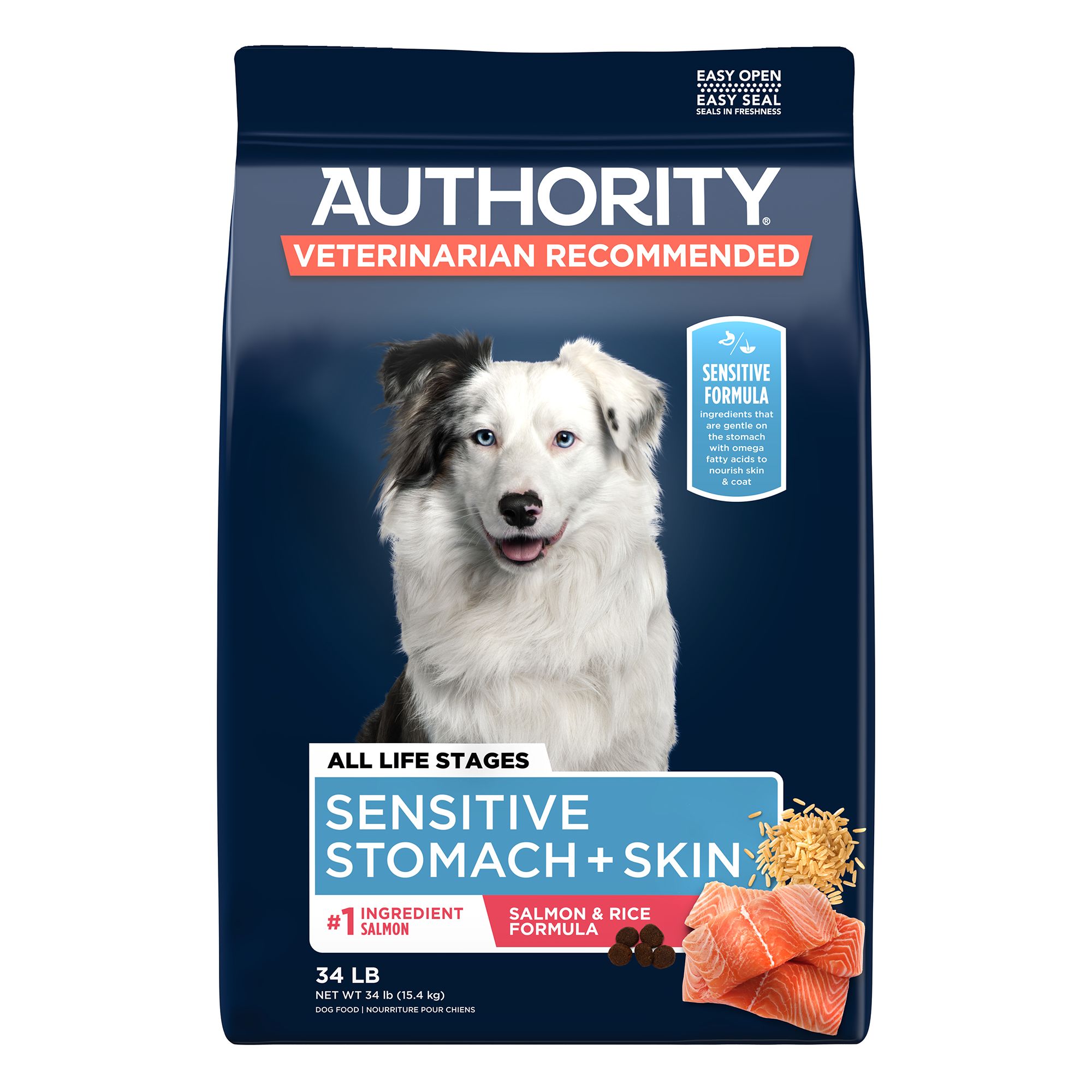
Commercial dry food is usually easier to portion and store. A product labeled “complete and balanced” for your dog’s life stage has met a defined nutritional standard when fed as directed. That label does not mean every product is identical, but it gives the owner a useful starting point.
| Consideration | Homemade dry food | Commercial kibble |
|---|---|---|
| Ingredient control | High | Depends on the product |
| Nutrient precision | Requires formulation | Usually standardized |
| Storage | Often needs refrigeration or freezing | Usually easier |
| Cost | Varies; time adds work | Varies by brand and formula |
| Medical diets | Needs professional design | Prescription options may be available |
| Portion consistency | Can vary by batch | Usually more consistent |
The best choice depends on your dog’s needs, your ability to measure and store food, and whether a qualified professional has reviewed the recipe.

Frequently Asked Questions
Can dogs eat homemade dry food every day?
Only if the recipe is complete and balanced for that dog’s life stage and health. A general internet recipe should not replace the main diet every day.
Can I make dry dog food without meat?
Yes, but a meat-free diet needs careful formulation. Dogs need specific amino acids and nutrients, and plant-based ingredients can change how well some nutrients are absorbed. Use a veterinary nutritionist for a meat-free diet.
Is an air fryer good for making dog kibble?
An air fryer can brown or dry small pieces, but it does not prove that the food is complete, safe, or shelf-stable. Use a low heat setting and monitor the food closely. Refrigerate or freeze homemade batches unless you can verify their moisture and safety.
Can I add vitamins to any homemade dog food?
No. Supplements are not universal fixes. The correct product and dose depend on the full recipe, your dog’s life stage, and health. Too much of some vitamins or minerals can be harmful.
How long does homemade dry dog food last?
That depends on moisture, ingredients, drying, and storage. For a home-baked recipe, refrigeration for three to four days or freezing is a cautious approach. Discard any food that develops mold, an odd smell, or a wet, slimy texture.
Key Takeaways
- Homemade dry dog food can work as a topper or treat without being a complete diet.
- A daily replacement diet should be formulated for your dog by a veterinary nutrition professional.
- Meat, rice, and vegetables alone do not meet all canine nutrient needs.
- Cook meat fully and avoid toxic foods, cooked bones, onion, garlic, grapes, raisins, and xylitol.
- Home-baked food may not be shelf-stable. Refrigerate or freeze it unless its safety has been verified.
- Introduce new food slowly and watch for digestive problems.
- Puppies and dogs with medical conditions need professional diet advice.
Conclusion
To make dry food for dogs at home, cook safe ingredients, blend them into a paste, spread the mixture thinly, bake it, dry it again, cool it fully, and store it cold. That method can produce a useful homemade topper or occasional treat.
The harder task is making a food that supplies every nutrient in the right amount. For a complete daily diet, use a recipe created for your individual dog by a veterinary nutritionist and follow it without casual substitutions. This protects your dog from the slow nutrient deficiencies that may not show until serious problems develop.