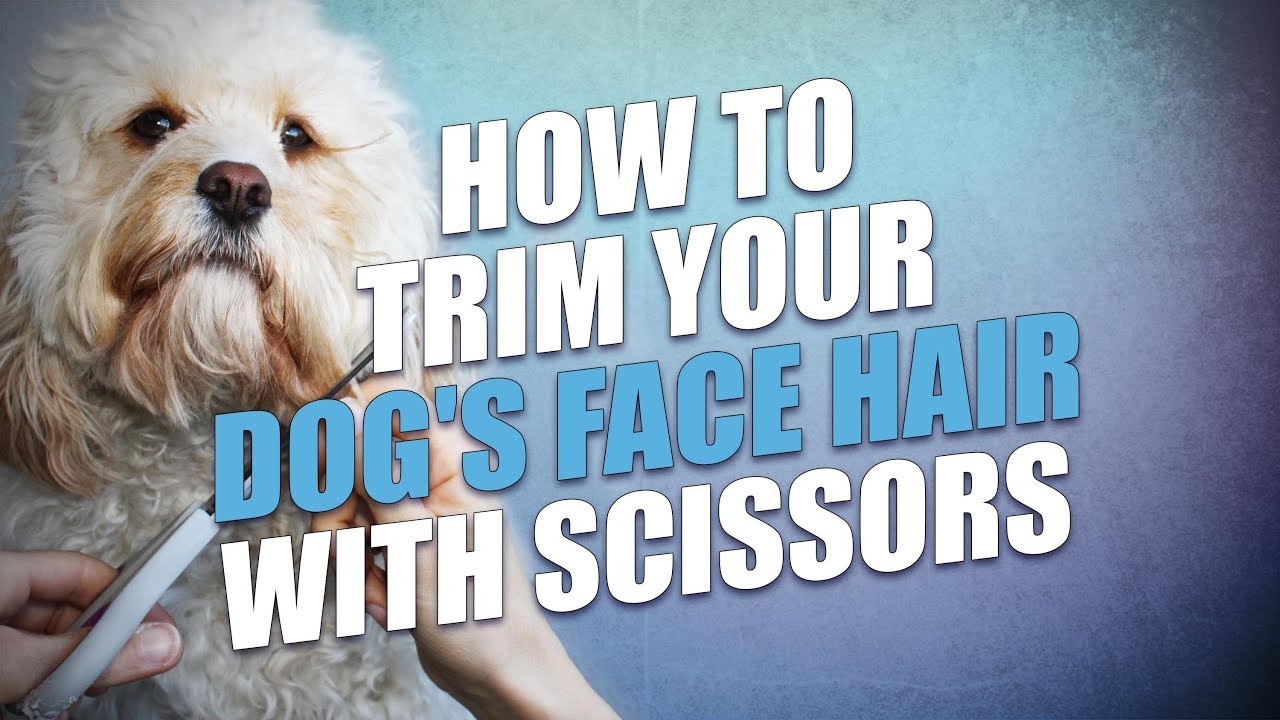
You can cut dog hair with scissors safely by working slowly, using the right tools, and trimming only small sections at a time.
If you want a neat, comfortable groom without the stress of clippers, scissors can be a smart choice. I’ve found that how to cut dog hair with scissors is less about “giving a haircut” and more about shaping, smoothing, and protecting your dog’s coat with patience and control.

Why scissors can be a great grooming tool
Scissors give you more control than clippers in many spots. That matters when you are working around the face, paws, ears, and tail. It also helps when your dog gets nervous around noise.
In my experience, scissors are especially useful for touch-ups between full grooms. They can help tidy up uneven fur, trim feathering, and keep long coats from collecting dirt. Used the right way, how to cut dog hair with scissors becomes a simple, low-stress grooming skill.
Some dogs also do better with scissors than clippers because the sound and vibration are less intense. That said, scissors are not the best choice for every coat type. Very thick or matted fur often needs professional grooming first.
What you need before you start
Good prep makes a big difference. I learned early on that rushing into a trim usually leads to crooked lines and a stressed-out dog. A calm setup is half the job.
Here’s what you should gather:
- Grooming scissors: Straight scissors work well for general trimming.
- Curved scissors: These help shape rounded areas like paws or faces.
- Thinning shears: These reduce bulk without making harsh cut lines.
- Fine-tooth comb: This lifts fur and shows what actually needs trimming.
- Dog brush: Brush out tangles before you cut dog hair with scissors.
- Treats: Rewards help your dog stay relaxed and cooperative.
- Towels or a grooming mat: These help keep the area clean and stable.
Choose scissors made for pets, not kitchen or craft scissors. Pet grooming scissors are designed for safety and smoother cutting. They also tend to be sharper, which means cleaner cuts and less pulling.
How to cut dog hair with scissors safely
Start with a clean, brushed coat. Never cut tangled or matted hair first, because you can accidentally nick the skin underneath. If the fur is dirty, wash and dry it first so the coat lies naturally.
Follow these steps:
Brush the coat fully
Remove knots and loose hair first. This helps you see the true length and shape of the fur.Hold the hair between your fingers or comb
Lift a small section at a time. This gives you better control and keeps the skin safe.Trim little by little
Cut off small amounts, then check your work. It is easy to remove more hair later, but impossible to put it back.Keep the scissors pointed away from the body
Angle the blades so they never point toward the skin. This is one of the most important safety habits.Use short, smooth snips
Do not make wide, fast cuts. Slow trimming gives a cleaner finish.Step back often
Look at the coat from different angles. What seems even up close can look uneven from a distance.
When I first learned how to cut dog hair with scissors, my biggest mistake was trimming too much at once. Small snips may feel slower, but they save you from lopsided results and accidental cuts.
Best areas to trim with scissors
Scissors are not for every part of the dog, but they shine in certain spots. Think of them as a detail tool, like a paintbrush for finishing edges.
Good areas to trim include:
- Around the paws: Remove long fur that collects dirt or hides between toes.
- Around the ears: Clean up stray hairs, but stay away from the ear canal.
- Around the face: Shape the muzzle and cheeks carefully for better visibility.
- Under the tail: Trim long hair for cleanliness and comfort.
- Feathering on legs and chest: Even out long, wispy coat areas.
- Sanitary areas: Keep the fur neat and manageable for hygiene.
Be extra careful near eyes, lips, ears, and paw pads. These areas need gentle hands and very small snips. If your dog moves a lot, stop and reset instead of forcing it.
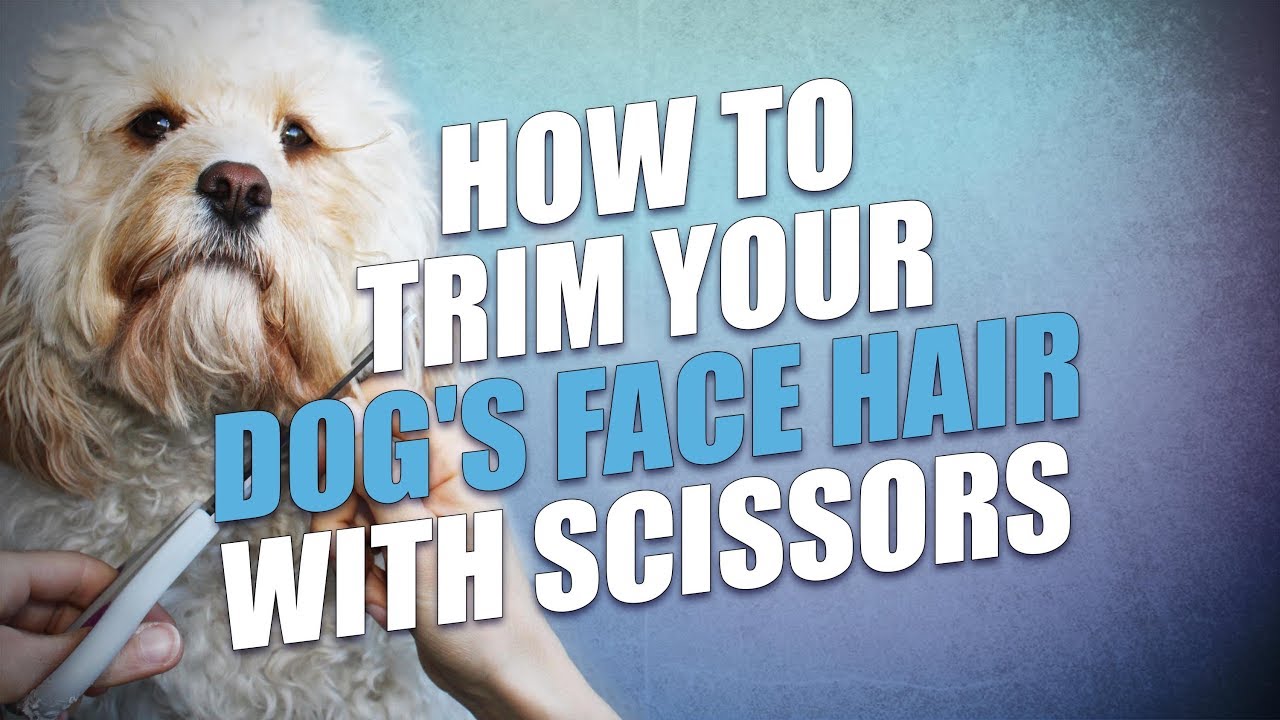
How to cut dog hair with scissors around the face
The face needs the most patience. Dogs blink, twitch, and turn their heads, so this area should never be rushed. I always recommend using one hand to steady the fur and the other to make tiny cuts.
Use these tips:
- Comb the hair downward first so you can see the shape.
- Trim a little at a time around the eyes and muzzle.
- Keep the scissors parallel to the face, not pointed inward.
- Stop if your dog starts squinting, shaking, or pulling away.
- Praise and reward often to keep the experience positive.
For dogs with long bangs or heavy facial fur, trimming can improve vision and comfort. But if the coat is very dense or your dog is nervous, a groomer may be the safer choice. Knowing when to stop is part of good grooming.
How to cut dog hair with scissors on paws and legs
Paw trimming is one of the most practical uses for scissors. Long hair around the feet can trap mud, slip on floors, and hide burrs. I’ve seen many dogs walk better once the fur between the pads is cleaned up.
A simple method works best:
- Lift one paw gently.
- Comb the fur out and down.
- Trim only the hair that sticks past the paw shape.
- Snip carefully between the pads if needed, but avoid the skin.
- Check the foot from the top and sides for balance.
For legs, keep the shape natural. Do not try to force a perfect salon look unless you have practice. A soft, even trim usually looks better than a sharp, overworked one.
Common mistakes to avoid
Even good dog owners make mistakes when they cut dog hair with scissors. The good news is that most of them are easy to avoid once you know what to watch for.
Watch out for these problems:
- Cutting too much at once: This leads to uneven patches.
- Skipping brushing: Tangled fur hides the true coat length.
- Using dull scissors: Dull blades pull hair instead of cutting it cleanly.
- Cutting wet fur without planning: Wet hair can shrink as it dries.
- Working too fast: Fast hands increase the risk of injury.
- Trimming in a noisy, stressful space: A calm setting helps your dog stay still.
Another big mistake is trying to fix every tiny flaw. Dog grooming is not about perfect symmetry. It is about comfort, hygiene, and a clean overall look.
Tips for nervous dogs
Some dogs hate being groomed, even with scissors. That does not mean the process cannot work. It just means you need a gentler pace and more trust.
Try this approach:
- Let your dog sniff the scissors first.
- Start with a short session of only a few minutes.
- Pair each calm moment with a treat or praise.
- Groom after exercise when your dog is more relaxed.
- Stop before your dog gets overwhelmed.
I have found that ending on a good note matters more than finishing the whole haircut in one go. If your dog learns that grooming always feels safe, future sessions get much easier. That trust is worth more than speed.
When to stop and call a professional
Scissors are helpful, but they are not always enough. Some coats and some situations need a professional groomer or vet.
Get help if your dog has:
- Severe matting close to the skin
- Skin irritation, sores, or signs of infection
- Very thick fur that is hard to section
- Fearful or aggressive grooming behavior
- A breed coat that needs specialized shaping
Professional groomers are trained to manage difficult coats and safety risks. If you feel unsure, that is a smart reason to pause. Good grooming is supposed to help your dog, not stress both of you out.
How often should you trim with scissors
The right schedule depends on the breed, coat length, and lifestyle. Dogs with long or fast-growing hair may need touch-ups every 2 to 6 weeks. Shorter coats may only need occasional cleanup.
Focus on function first:
- Trim when fur blocks vision.
- Trim when hair touches the ground too much.
- Trim when paw fur starts collecting debris.
- Trim around sanitary areas as needed.
- Trim feathering when it looks untidy or uneven.
Regular brushing helps you go longer between trims. It also keeps the coat easier to manage. In many cases, consistent brushing is the secret behind better results when you cut dog hair with scissors.
A simple home grooming routine that works
A good routine keeps grooming calm and predictable. Dogs usually do better when they know what to expect. I like to think of it as small, steady upkeep instead of one big stressful event.
A basic routine can look like this:
- Brush the coat once or twice a week.
- Check for mats behind ears, under legs, and around the tail.
- Trim small areas as needed.
- Finish with praise, treats, and a break.
- Clean and store your scissors safely.
This routine saves time later. It also helps you spot skin issues, burrs, and tangles early. That makes how to cut dog hair with scissors much easier and much safer.
Frequently Asked Questions
Can I use regular scissors to cut my dog’s hair?
It is better to use pet grooming scissors. Regular scissors may be dull, less precise, and more likely to pull the hair or injure the skin.
Is it safe to cut dog hair around the eyes?
Yes, but only with very small, careful snips and a steady hand. If your dog moves a lot, it is safer to leave that area to a professional groomer.
Should I cut dog hair when it is wet or dry?
Dry fur is usually easier to shape because you can see the natural length and line. Wet fur can shrink after drying, which may lead to cutting too much.
How do I keep my dog calm during a trim?
Use short sessions, treats, soft praise, and a quiet space. Let your dog rest often so grooming does not feel like a struggle.
What should I do if I accidentally cut too much hair?
Do not try to “fix” it by cutting more all over the place. Let the coat grow out and focus on even trimming next time.
Conclusion
Learning how to cut dog hair with scissors is really about patience, safety, and small, careful steps. With the right tools, a calm setup, and a gentle hand, you can keep your dog neat and comfortable without turning grooming into a battle.
Start with simple touch-ups, work slowly, and pay attention to your dog’s body language. The more you practice, the more natural it will feel, and the better your results will get. If you found this guide useful, try the tips on your next grooming session and share your experience or questions in the comments.