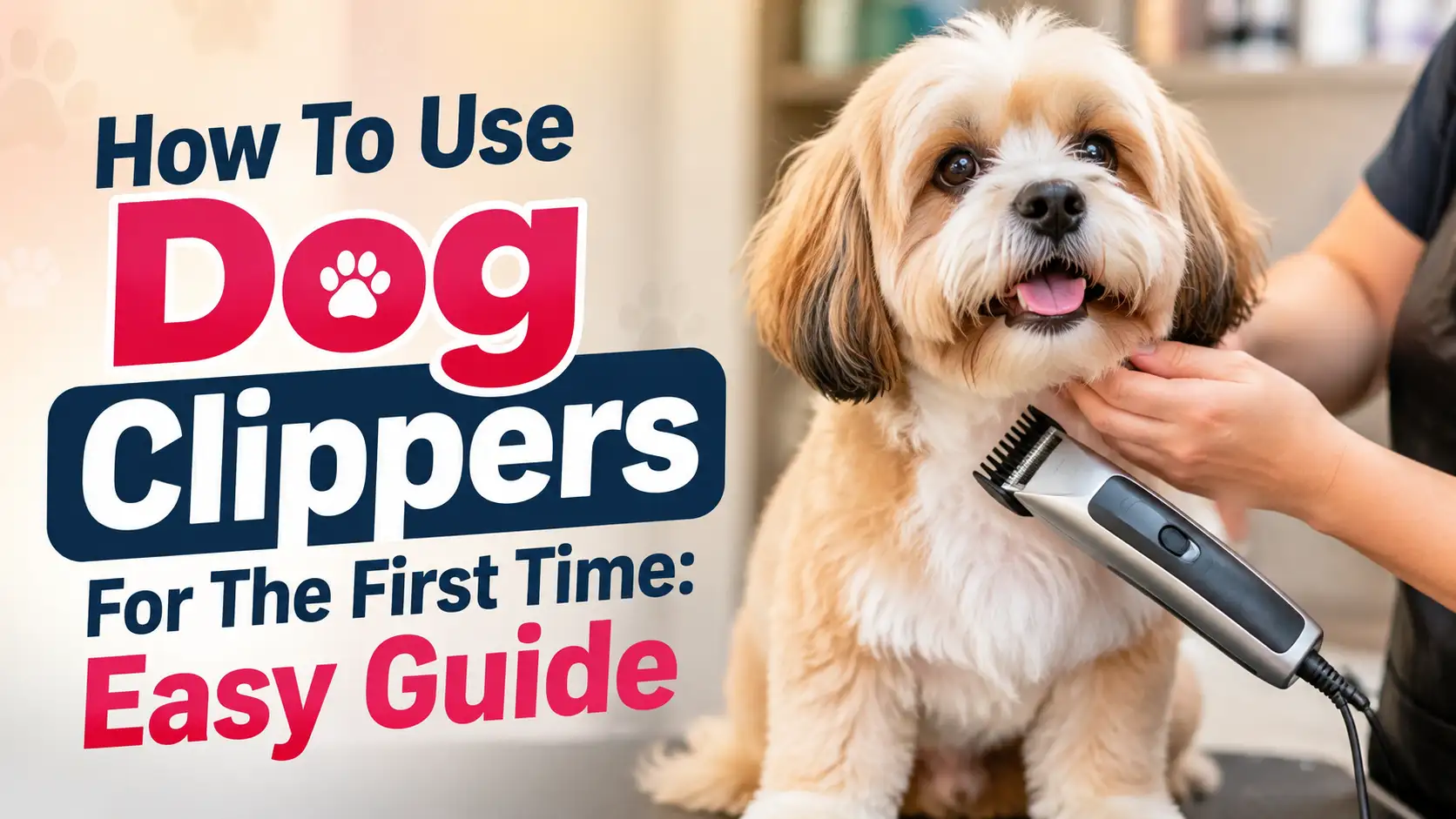
Use calm hands, start slow, and let the clippers do the work with short, gentle passes.
If you’re learning how to use dog clippers for the first time, the biggest win is not speed. It is control. The first grooming session is really about helping your dog feel safe while you learn how the blades, guard combs, coat type, and clipper speed all work together. Done right, dog clippers can turn a messy coat into a neat one without stress, nicks, or a bad first memory.
What you need before you start
Before you turn on the clippers, set yourself up for success. I learned early that most first-time grooming problems happen before the blade ever touches the coat. A calm setup saves time, builds trust, and makes how to use dog clippers for the first time much easier.
You will want:
- Dog clippers made for pet grooming, not human hair clippers
- Clean blades or guard combs
- A slicker brush and comb
- Dog-safe shampoo and a towel
- Treats for positive reinforcement
- A quiet, bright space with non-slip flooring
- A small brush or blade oil for maintenance
A few things matter a lot here. Human clippers often struggle with thick dog coats and can overheat. Grooming clippers are designed for denser hair, smoother cutting, and safer use on pets.

Choose the right clippers for your dog
Not all clippers work the same way. The best choice depends on your dog’s coat, size, and comfort level. If you are figuring out how to use dog clippers for the first time, picking the right tool can make the whole job feel less like a battle.
Corded vs cordless clippers
Corded clippers give steady power. That can help if your dog has a thick coat or you are doing a full groom. Cordless clippers offer more freedom and can be easier to handle around small, wiggly dogs.
For first-time users, cordless clippers can feel less intimidating. Still, make sure the battery lasts long enough for the job. If your dog has a double coat or mats, a stronger corded model may be the better choice.
Blade types and guard combs
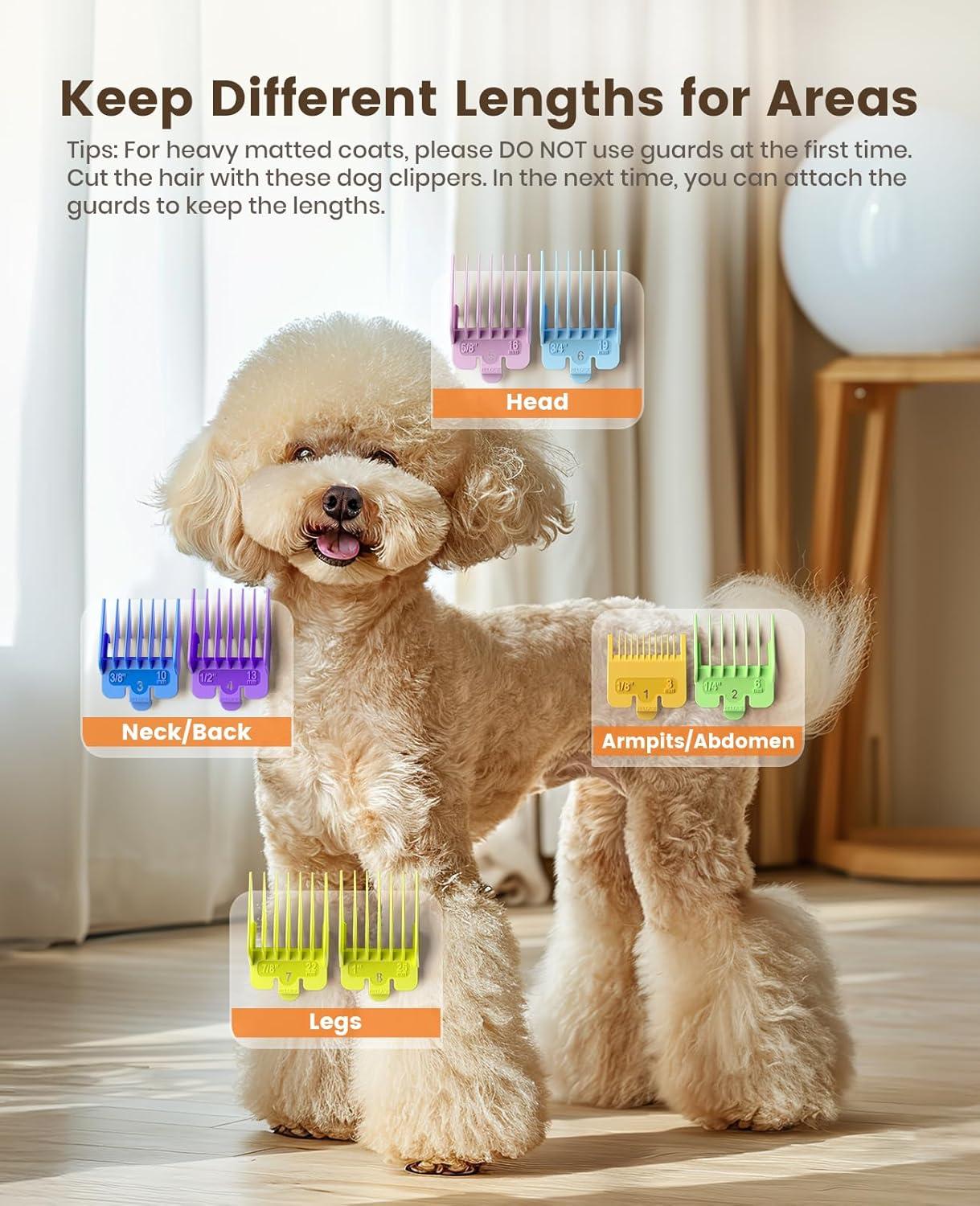
Blade size matters. Shorter blades cut closer to the skin, while longer blades leave more coat. Guard combs help you keep a safe, even length, which is helpful when you are still learning how to use dog clippers for the first time.
Common beginner-friendly choices include:
- Guard combs for more control
- Medium-length blades for basic trimming
- Stainless steel blades that stay sharp longer
If you are unsure, start with a longer cut. You can always trim a little more later, but you cannot put hair back.
Prepare your dog and the coat
Good prep is half the job. I have seen many first-timers blame the clippers when the real issue was an unbrushed, dirty, or tangled coat. If the hair is full of knots, the blades can snag and pull.
Brush first, always
Brush your dog before clipping. This removes loose fur, tangles, and debris. It also helps you find mats early.
If you hit a mat, do not force the clipper through it. That can hurt your dog and may damage the blades. For tight mats, it is often safer to use a detangling tool or trim carefully around the area.
Bathe and dry the coat
A clean coat cuts better. Dirt, oil, and loose undercoat can clog blades fast. After bathing, dry the coat fully unless your clipper instructions say otherwise.
Wet hair clumps and can pull. Dry, brushed hair gives you a much cleaner finish. This one step makes how to use dog clippers for the first time feel far easier.
Check the skin
Look for sores, bumps, ticks, rashes, or hot spots. Avoid clipping over irritated skin. If the skin looks red or tender, stop and ask a vet or groomer what is safe.
Get your dog comfortable with the clippers
The first sound of clippers can be the hardest part for many dogs. Some freeze. Some back away. Some act like you turned on a leaf blower in the living room.
Let your dog hear and smell the clippers first
Turn the clippers on near your dog without touching them. Let your dog listen and investigate. Offer treats and soft praise.
Do this for a few minutes before you start. This simple step can reduce fear and make how to use dog clippers for the first time much smoother.
Touch the body before clipping
Once your dog is calm, lightly touch the clippers to the body without cutting. Start on a less sensitive area, like the back or side. Keep the first contact short.
If your dog pulls away, pause and reset. Pushing through fear usually makes the next session harder.
How to use dog clippers for the first time step by step
This is the part most people want to get right. The key is to work slowly, use light pressure, and follow the direction that gives the cleanest, safest cut for your dog’s coat type.
1. Start with a calm dog and a steady grip
Hold your dog gently but securely. Keep one hand on the dog if needed, especially around the head or feet. A grooming table, non-slip mat, or stable surface can help a lot.
Stay relaxed yourself. Dogs pick up on tension fast, and a nervous hand can make them nervous too.
2. Test the clippers on a small area
Pick a low-risk spot first, such as the shoulder or side. Make one short pass. Check the result before you keep going.
This is one of the smartest habits when learning how to use dog clippers for the first time. It lets you confirm the blade length, clip direction, and your dog’s comfort.
3. Move with the coat
In many cases, you should clip in the direction the hair grows. This helps reduce pulling and gives a smoother finish. Some styles may call for a different approach, but for beginners, following the coat is usually safest.
Use slow, even strokes. Think of it like mowing a small lawn, not shaving a face.
4. Keep the skin taut in loose areas
Areas like the belly, armpits, and inner thighs have loose skin. Gently stretch the skin with your free hand so the blade glides more smoothly. This can help prevent folds from catching.
Be extra careful in these zones. They are common spots for accidental nicks if you rush.
5. Work in sections
Do not try to clip the whole dog at once. Break the coat into small areas:
- Neck and shoulders
- Back and sides
- Chest and belly
- Legs
- Feet
- Tail area
Short sections help you stay organized. They also make it easier to stop if your dog gets tired.
6. Use the right angle
Hold the clippers flat against the coat. Do not dig the blade into the skin. Let the clipper slide smoothly with light pressure.
If the blade starts to drag, stop and check for hair buildup, dull blades, or a mat. A forced cut usually means something needs attention.
7. Check your work often
After each section, brush away loose hair and look at the finish. Step back and compare both sides. Small corrections are easier than fixing one big mistake later.
This habit matters a lot when learning how to use dog clippers for the first time because it helps you catch uneven spots early.
Common body areas and how to handle them
Different parts of the dog’s body need different levels of care. Some areas are simple. Others are like the tricky corners of a puzzle.
Face and ears
Be very careful around the face. Many beginners avoid this area on the first try, and that is perfectly fine. If you do trim here, use a quiet clipper and work very slowly.
Never rush near the eyes, lips, or ears. A safer first-time goal is often just to tidy around the edges, not shape the whole face.
Paws and pads
Feet can be sensitive. Hair between the paw pads may need trimming, but this area requires patience. Hold the paw gently and keep the blade away from the pads themselves.
If your dog keeps pulling the paw back, stop and try again later. The goal is safety, not forcing cooperation.
Belly and groin
These are delicate areas with thin skin and sudden movements. Use light pressure and short strokes. Many dogs are ticklish here, so expect some wiggles.
If your dog gets too anxious, skip the area and come back later. There is no prize for finishing in one pass.
Armpits and joints
Hair here mats easily, but the skin also folds and moves. Tension on the skin helps, but do not stretch too hard. Work in tiny sections and keep your strokes controlled.
Avoid the most common beginner mistakes
I have made a few of these myself, and I have seen nearly all of them in first-time groomers. The good news is that they are easy to prevent once you know what to look for.
Clipping dirty or tangled coat
This is one of the fastest ways to dull blades and irritate skin. Always brush and clean the coat first.
Using dull blades
Dull blades pull hair instead of cutting it cleanly. If the clipper feels like it is snagging, stop. Clean, oil, or replace the blade.
Going too fast
Speed creates mistakes. First-time grooming is a slow task, and that is normal. You will improve with practice.
Forcing the dog to stay still
A stressed dog moves more, not less. Keep sessions short and give breaks. Positive reinforcement works better than pressure.
Forgetting blade care
Blades heat up. They also collect hair and debris. Check them often so the clipper stays safe and effective.
Keep the clipper cool and clean
A hot blade can irritate skin fast. During long sessions, touch the blade often to see if it feels warm. If it is hot, stop and let it cool.
To care for the clipper:
- Brush hair away from the blade often
- Oil the blade as directed by the manufacturer
- Swap blades if they become dull or hot
- Stop if you smell burning or hear the motor strain
Good clipper care is not just about the tool. It protects your dog’s skin and makes how to use dog clippers for the first time much safer.
Make the first session short and positive
Your first grooming session does not need to be perfect. It just needs to end well. A short, successful session is better than a long, stressful one.
A good first goal might be:
- Trim one small section
- Clean up the feet
- Lightly neaten the back
- Practice turning the clippers on and off calmly
Praise your dog, give a treat, and stop while things are still going well. That positive ending helps your dog trust the process next time.
When to stop and call a professional
Sometimes the safest choice is to hand the job to a groomer. That is not failure. It is good judgment.
Consider professional help if:
- Your dog has severe mats close to the skin
- Your dog is scared, reactive, or hard to restrain
- The coat is very thick or double-coated
- The skin is irritated or injured
- You are not sure which blade to use
A skilled groomer can also show you safe handling tips. For some pet owners, one lesson from a pro can make how to use dog clippers for the first time much less stressful.
Helpful grooming habits that make future sessions easier
The first groom teaches both of you. After that, regular maintenance makes everything simpler. A little routine prevents the “giant fluff emergency” that many dog owners know too well.
Try these habits:
- Brush your dog several times a week
- Check for mats behind the ears, under the legs, and around the collar
- Keep blades clean and sharp
- Use short grooming sessions before the coat gets overgrown
- Reward calm behavior every time
These small steps build a positive grooming routine. Over time, how to use dog clippers for the first time becomes just the first chapter in an easy habit.
Frequently Asked Questions
How do I calm my dog before using clippers?
Start with a quiet room, short exposure, and treats. Let your dog hear the clippers before touching any fur, and keep the first session brief.
Can I use human clippers on my dog?
It is not a good idea for most dogs. Pet clippers are made for thicker coats and usually cut more safely and efficiently on dog hair.
How do I know which blade to use?
Start with a longer guard comb or blade if you are unsure. A longer cut is safer for beginners because it leaves more coat and reduces the chance of trimming too close.
What if my dog keeps moving?
Pause and give your dog a break. Use a calm voice, slow movements, and short sessions, since forcing the groom often makes the problem worse.
How often should I use dog clippers?
It depends on coat type and breed. Many dogs need trimming every 4 to 8 weeks, but curly or fast-growing coats may need more frequent maintenance.
Conclusion
Learning how to use dog clippers for the first time is mostly about patience, preparation, and calm control. When you start with a clean coat, the right clipper, and short gentle strokes, the process becomes much less scary for both you and your dog.
Take it one section at a time, keep the session positive, and do not worry about perfection. Every careful pass teaches you something useful. If you found this guide helpful, explore more grooming tips, subscribe for future pet care advice, or leave a comment with your biggest first-time clipping question.