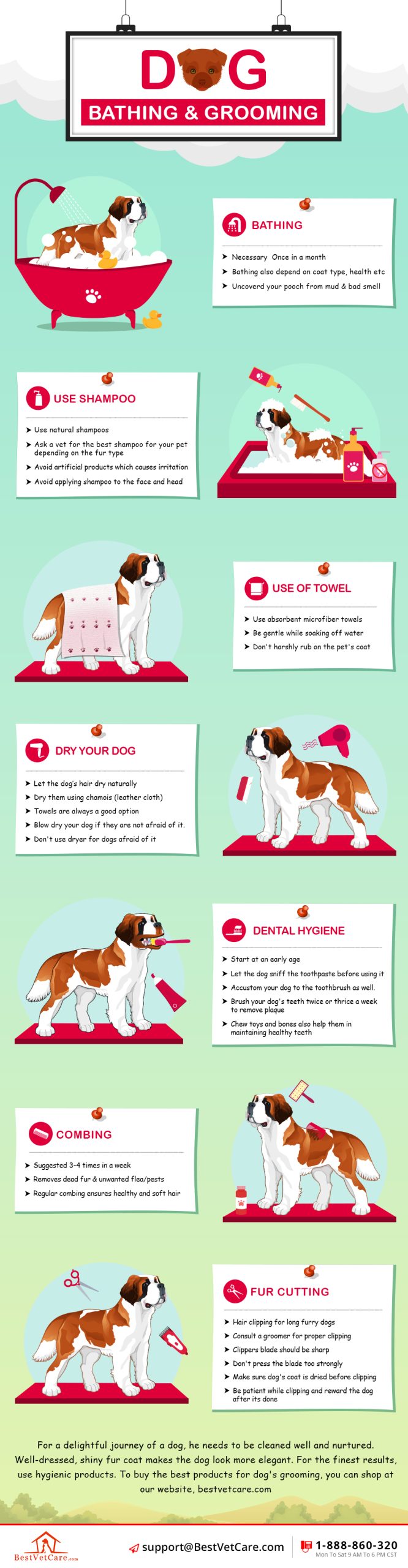
Dog grooming tips for beginners help you keep your dog clean, comfortable, and healthy at home.
If you are new to grooming, this guide will walk you through the basics with the same practical advice I’d give a friend. Dog grooming tips for beginners are not just about making a dog look nice; they also help you spot skin issues, reduce shedding, prevent mats, and build trust with your pet. With the right tools, a calm routine, and a little patience, home grooming can feel much less intimidating than it seems at first.
Why dog grooming matters
Dog grooming is part hygiene, part health care, and part bonding. A clean coat helps reduce odor, while regular brushing can remove dirt, loose fur, and debris before they turn into bigger problems. For many dogs, grooming also gives you a chance to check for cuts, parasites, ear irritation, or sore spots.
I learned early on that grooming is easiest when you treat it like a normal routine, not a special event. The more often you handle your dog’s paws, ears, and coat, the more relaxed they usually become. That small habit can save you from a lot of stress later.
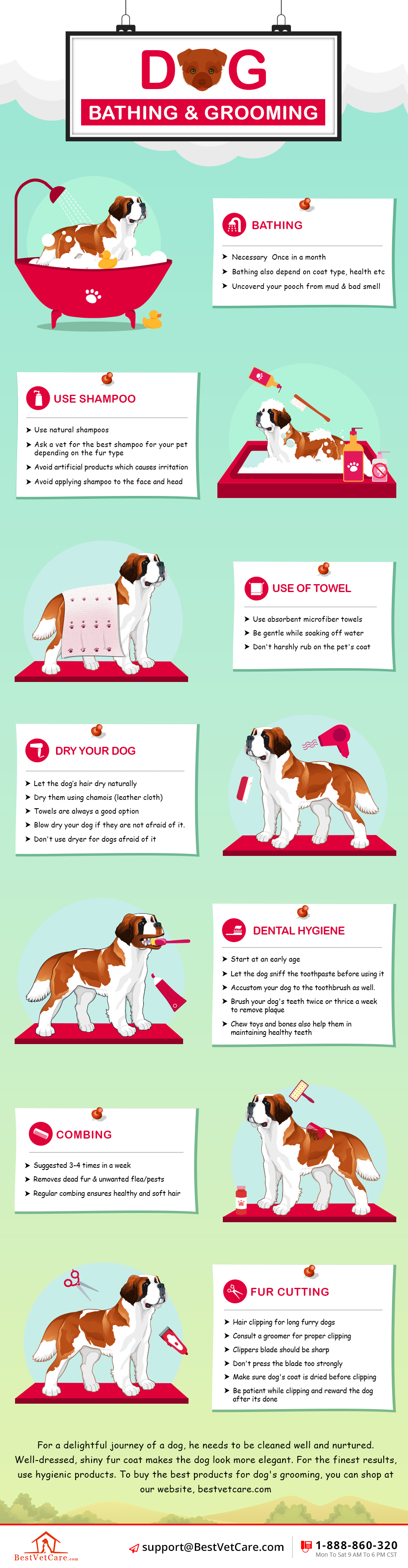
Build the right grooming setup
Before you start, gather the basic tools you need. Good dog grooming tips for beginners always start with simple preparation, because rushing into grooming usually makes dogs nervous and makes mistakes more likely.
A starter grooming kit often includes:
• A slicker brush for removing loose hair and small tangles
• A comb for finishing the coat and checking for hidden mats
• Dog nail clippers or a nail grinder
• Dog shampoo made for canine skin
• A microfiber towel
• Cotton balls for ear cleaning only if advised by your vet
• A blow dryer on a cool or low setting if your dog tolerates it
• Treats for calm behavior and rewards
Choose tools based on your dog’s coat type. A short-haired dog may only need a brush and nail care, while a doodle, poodle, or spaniel-type coat may need more frequent detangling. Using the wrong brush can make grooming harder and even hurt your dog’s skin.
Start with brushing before bathing
One of the most helpful dog grooming tips for beginners is to brush first, not after the bath. Water can tighten tangles and turn small knots into mats. Brushing before the bath also helps remove loose fur, which keeps your drain and tub cleaner.
Here is a simple brushing routine:
- Let your dog sniff the brush first.
- Start with short sessions of 2 to 5 minutes.
- Brush in the direction of coat growth.
- Work gently around sensitive spots like the belly, tail, and behind the ears.
- Stop if you hit a knot and use a comb or detangling spray if needed.
If your dog gets uneasy, pause and reward calm behavior. In my experience, a few short positive sessions work much better than one long battle. Think of brushing like learning to dance together; the rhythm matters more than speed.
Bathe your dog the safe way
Bathing is a big part of dog grooming tips for beginners, but too much bathing can dry out skin. Most dogs do fine with a bath every few weeks, though this depends on coat type, activity level, and any skin issues. Dogs with allergies or oily coats may need a different schedule, so your vet can help if you are unsure.
Use these bathing basics:
• Use lukewarm water, not hot water
• Wet the coat fully before applying shampoo
• Use a dog shampoo made for canine skin
• Avoid getting soap in the eyes, ears, and nose
• Rinse very well, since leftover shampoo can irritate skin
• Dry with a towel and, if safe, a cool or low dryer setting
Never use human shampoo on a dog unless a veterinarian tells you otherwise. Human products can upset the skin’s natural balance and lead to itching or dryness. I made that mistake once with a rescue dog years ago, and the scratching afterward was a good reminder that “close enough” is not good enough in grooming.
Keep nail trims calm and small
Nail care can be the hardest part of dog grooming tips for beginners because many dogs dislike having their paws handled. Still, long nails can affect posture, walking, and joint comfort over time. If you hear nails clicking on the floor, they may already be too long.
A few tips make nail trimming easier:
• Trim just a little at a time
• Use sharp, dog-safe clippers or a grinder
• Hold the paw gently but firmly
• Trim away from the quick, the sensitive inner part of the nail
• Have styptic powder ready in case of a small bleed
• Reward your dog after every paw, not just at the end
If your dog has dark nails, trim even more carefully because the quick is harder to see. When in doubt, cut less. It is better to take off a tiny bit more often than to cut too far once.
Clean ears and eyes with care
Healthy ears and eyes are easy to overlook, but they matter a lot. Good dog grooming tips for beginners include simple checks for redness, odor, discharge, or swelling. These can be early signs of infection or irritation.
For ears:
• Look inside the ear flap for redness or dirt
• Wipe only the outer ear with a vet-approved cleaner if needed
• Never push cotton swabs deep into the ear canal
• Stop if your dog flinches, cries, or smells something unusual
For eyes:
• Use a soft, damp cloth to wipe away mild discharge from the corner
• Wipe gently away from the eye
• Call your vet if you notice thick discharge, squinting, or cloudiness
Ear and eye care should be gentle and simple. If a dog seems painful, do not force it. That is one of the most important signs that a grooming issue may be medical, not cosmetic.
Learn your dog’s coat type
Not all coats need the same care. This is where many dog grooming tips for beginners go wrong, because people copy advice meant for a different breed or coat texture. A Labrador, Shih Tzu, Husky, and Poodle all need very different grooming routines.
Basic coat types include:
• Short coats: usually need weekly brushing and regular baths
• Double coats: need frequent brushing, especially during shedding seasons
• Curly coats: need more detangling and professional trimming
• Long coats: need daily or near-daily brushing to avoid mats
• Wire coats: may need special care like hand-stripping or trimming
If your dog’s coat mats often, schedule more brushing between baths. If your dog sheds heavily, tools like an undercoat rake can help, but use them carefully and not too aggressively. Reading the coat correctly is like reading your dog’s comfort level; it tells you what they need before the problem gets bigger.
Make grooming a positive habit
The best dog grooming tips for beginners are really about training your dog to enjoy the process. You are not just washing fur. You are teaching trust.
Try this approach:
• Keep first sessions short
• Use treats right away
• Speak in a calm, friendly voice
• End before your dog gets overwhelmed
• Repeat the routine on the same days if possible
• Praise stillness and cooperation
Consistency matters more than perfection. Dogs remember how grooming feels, not whether you finished every step the first time. When grooming becomes predictable, most dogs relax faster.
Know when to call a professional groomer
Home grooming is great, but it has limits. Some dogs need help from a professional groomer, especially if the coat is heavily matted, the dog is anxious, or the breed needs specialized trimming. A pro can also help you learn safe techniques for your specific dog.
You may want professional grooming if:
• The coat has tight mats close to the skin
• Your dog is too stressed for safe home grooming
• Nail trims feel unsafe
• Your dog has breed-specific styling needs
• You need help with de-shedding or full haircuts
I often recommend a hybrid approach for beginners: do brushing, basic baths, and simple nail maintenance at home, then visit a groomer for more advanced work. That balance saves money, lowers stress, and gives you room to build confidence.
Avoid common beginner mistakes
Even careful dog owners make mistakes at first. The good news is that most grooming errors are easy to avoid once you know what to watch for. Strong dog grooming tips for beginners should always include these warnings.
Common mistakes include:
• Using the wrong shampoo or brush
• Bathing too often and drying out the skin
• Skipping brushing before the bath
• Cutting nails too short
• Ignoring mats until they get painful
• Rushing a nervous dog
• Forgetting to reward calm behavior
One mistake I see often is people waiting until the dog “looks dirty” before grooming. By then, the coat may already have tangles or hidden skin issues. A light weekly routine is much easier than a huge cleanup later.
Build a simple grooming routine
A routine keeps grooming manageable. You do not need a full spa day at home. A little structure is enough.
Here is a beginner-friendly schedule:
• Daily or every other day: quick coat check and light brushing if needed
• Weekly: deeper brushing, ear check, and paw inspection
• Every 2 to 6 weeks: bath, depending on coat and lifestyle
• Every 3 to 4 weeks: nail trim or grinder session
• As needed: face wipe, sanitary trim, and professional grooming visits
Adjust this routine to your dog’s needs. Active dogs, senior dogs, and dogs with allergies may need different care. The point is to create a rhythm that you can actually keep.
Frequently Asked Questions of Dog grooming tips for beginners
How often should a beginner groom a dog?
Most dogs do best with regular brushing once or twice a week, plus nail checks every few weeks. Bathing depends on coat type and activity, but overbathing can dry the skin.
What is the easiest dog grooming task for beginners?
Brushing is usually the easiest place to start. It helps your dog get used to handling and gives you a simple way to spot tangles, shedding, and skin issues early.
Can I use human shampoo on my dog in an emergency?
It is better to use dog shampoo whenever possible. Human shampoo can irritate a dog’s skin because the pH balance is different, so stick with dog-safe products unless a vet says otherwise.
How do I know if my dog has a mat that is too bad to fix at home?
If the mat is tight, close to the skin, or painful to touch, it is safer to contact a professional groomer or vet. Pulling at severe mats can hurt your dog and damage the skin.
What if my dog is scared of grooming?
Start with tiny steps and reward calm behavior often. Short, positive sessions help more than forcing the full routine, and some dogs may need help from a groomer or trainer.
Should I trim my dog’s coat at home?
Basic trimming around the face, paws, or sanitary areas may be fine for some dogs if you feel confident. For full haircuts or breed-specific styles, a professional groomer is usually the safest choice.
Conclusion
Dog grooming tips for beginners work best when you keep things simple, gentle, and consistent. Start with brushing, use the right tools, bathe with care, and make nail trims and ear checks part of a regular routine. Most of all, take your time and let your dog learn that grooming is safe, predictable, and worth relaxing for.
If you stay patient, you will build skill and confidence faster than you think. Try one new grooming step this week, keep it short, and notice how your dog responds. For more practical pet care advice, keep exploring trusted resources and share your own grooming wins or questions in the comments.