Can Dogs Eat Mixed Vegetables With Corn?
Dogs are part of our families, so it’s natural to wonder if the foods we eat are safe for them. Many owners want to give their dogs a healthy treat, and mixed vegetables with corn often seem like a good choice. But is it really safe? And what should you know before adding these foods to your dog’s bowl? This article explains everything you need to know about feeding mixed vegetables with corn to your dog. You’ll learn about the benefits, risks, best ways to prepare them, and important tips for your pet’s health.
Are Mixed Vegetables With Corn Safe For Dogs?
Most common mixed vegetables with corn are safe for dogs in small amounts. Dogs are omnivores, which means they can eat both meat and vegetables. However, their digestive system is different from humans. Not all vegetables are good for dogs, and some can even be dangerous.
Usually, mixed vegetables include carrots, peas, green beans, and corn. All these are non-toxic for dogs. Still, the way you prepare and serve them matters a lot. If you add butter, salt, onion, garlic, or other seasonings, the meal could become harmful.
Always serve vegetables plain and cooked, not raw or spiced.
Nutritional Value Of Mixed Vegetables With Corn
Feedingeding vegetables gives dogs extra nutrients. Here’s a look at what common mixed vegetables with corn provide:
| Vegetable | Main Nutrients | Calories (per 100g) |
|---|---|---|
| Carrots | Vitamin A, fiber, potassium | 41 |
| Peas | Protein, vitamin K, manganese | 81 |
| Green beans | Vitamin C, fiber, folate | 31 |
| Corn | Carbohydrates, fiber, magnesium | 86 |
These vegetables offer fiber for healthy digestion, vitamins for immune support, and a few calories for energy. Corn is higher in carbohydrates than the other vegetables. This gives dogs a quick energy boost, but too much can add extra calories.
Benefits Of Mixed Vegetables With Corn For Dogs
Giving your dog mixed vegetables with corn has several benefits:
- Better digestion: The fiber in vegetables helps keep your dog’s gut healthy.
- Low-calorie treat: Plain vegetables are lower in calories than cheese or meat treats.
- Extra vitamins: Carrots and peas have vitamins that support eyesight and immunity.
- Weight management: Replacing some kibble with veggies can help overweight dogs.
- Natural antioxidants: Many vegetables have compounds that protect cells.
Some owners use vegetables as training rewards, mixing them into regular meals, or as a snack between meals. Dogs that enjoy crunchy foods often love carrots and peas.
Can All Dogs Eat Mixed Vegetables With Corn?
Most healthy adult dogs can eat mixed vegetables with corn in moderation. However, some dogs may need to avoid them:
- Dogs with diabetes: Corn and peas have more sugar and starch. These can raise blood sugar.
- Dogs with allergies: Rarely, dogs may be allergic to certain vegetables.
- Puppies: Very young dogs need special nutrition and may not digest veggies well.
- Dogs with sensitive stomachs: Some may get gas or diarrhea from vegetables.
Always introduce new foods slowly. Start with a tiny amount and watch for any signs of upset stomach, itchy skin, or other problems.
The Role Of Corn In A Dog’s Diet
Corn is a common ingredient in dog food, but it’s often debated. Here’s what to know:
- Easily digestible when cooked and ground
- Source of energy thanks to carbohydrates
- Provides fiber and small amounts of protein
But corn also has drawbacks. It’s not as nutrient-rich as other vegetables, and some dogs don’t digest it well. Whole corn kernels can pass through undigested, so it’s better to serve them cooked and chopped.
Comparing Corn To Other Vegetables
| Vegetable | Calories | Protein (g/100g) | Digestibility |
|---|---|---|---|
| Corn | 86 | 3.2 | Moderate |
| Carrot | 41 | 0.9 | High |
| Green bean | 31 | 1.8 | High |
| Pea | 81 | 5.4 | High |
Corn is not harmful, but it’s also not a superfood for dogs. Use it as a small part of the mix, not the main ingredient.
How To Prepare Mixed Vegetables With Corn For Dogs
Preparation is key to making vegetables safe and tasty for dogs. Here’s how:
1. Choose The Right Vegetables
Pick fresh or frozen vegetables like carrots, peas, green beans, and corn. Avoid anything with onions, garlic, mushrooms, or avocado, as these are toxic to dogs.
2. Wash And Cook
Wash vegetables well to remove dirt and pesticides. Cook them by steaming, boiling, or microwaving. Cooking makes them easier to digest.
3. Avoid Additives
Never use butter, oil, salt, pepper, or sauces. These can upset your dog’s stomach or raise blood pressure.
4. Chop Into Small Pieces
Cut vegetables into bite-sized pieces. This helps prevent choking and makes them easier to mix with food.
5. Cool Before Serving
Let vegetables cool to room temperature before giving them to your dog.
Example Preparation
- Ingredients: 1/4 cup carrots, 1/4 cup peas, 1/4 cup green beans, 1/4 cup corn kernels (all fresh or frozen)
- Instructions:
- Wash all vegetables thoroughly.
- Steam or boil for 5–7 minutes until soft.
- Drain and cool.
- Chop into small pieces.
- Mix together and serve 1–2 tablespoons with your dog’s regular food.
How Much Mixed Vegetables With Corn Can Dogs Eat?
Vegetables should only be a small part of your dog’s diet. Vets recommend that vegetables make up no more than 10% of a dog’s daily calories. For most medium-sized dogs, this means about 1–2 tablespoons a day.
Overfeeding vegetables can cause upset stomach, gas, or diarrhea. Too much corn or peas can add extra calories and sugar, leading to weight gain.
Portion Size Guide
| Dog Size | Weight (kg) | Daily Veggie Amount |
|---|---|---|
| Small | 2–10 | 1–2 tsp |
| Medium | 10–25 | 1–2 tbsp |
| Large | 25–45 | 2–4 tbsp |
Start with a small amount and increase slowly if your dog tolerates it well.
Risks And Precautions
While mixed vegetables with corn are mostly safe, there are some risks to know:
- Choking hazard: Whole corn kernels or large veggie pieces can cause choking, especially for small dogs.
- Digestive upset: Some dogs may get gas, diarrhea, or vomiting after eating vegetables.
- Hidden ingredients: Many canned mixed vegetables have added salt, sugar, or preservatives.
- Toxic vegetables: Onions, garlic, mushrooms, and avocado are dangerous for dogs.
Read ingredient labels if you use frozen or canned vegetables. Choose plain, no-salt-added versions.
Non-obvious tip: Dogs with food allergies can sometimes react to corn. If your dog has itchy skin, ear infections, or digestive issues, talk to your vet before adding new foods.

Credit: allurelakestorey.com
Signs Your Dog Likes Or Dislikes Mixed Vegetables With Corn
Dogs have preferences just like people. You might notice:
- Interest: Eager sniffing, wagging tail, eating vegetables first
- Disinterest: Pushing food aside, spitting out veggies, or leaving them in the bowl
If your dog doesn’t like vegetables, don’t force them. There are other healthy treat options, such as apple slices (without seeds) or cooked sweet potatoes.
Common Mistakes When Feeding Mixed Vegetables With Corn
Many owners make the following mistakes:
- Using canned veggies with salt: Too much sodium can cause health problems.
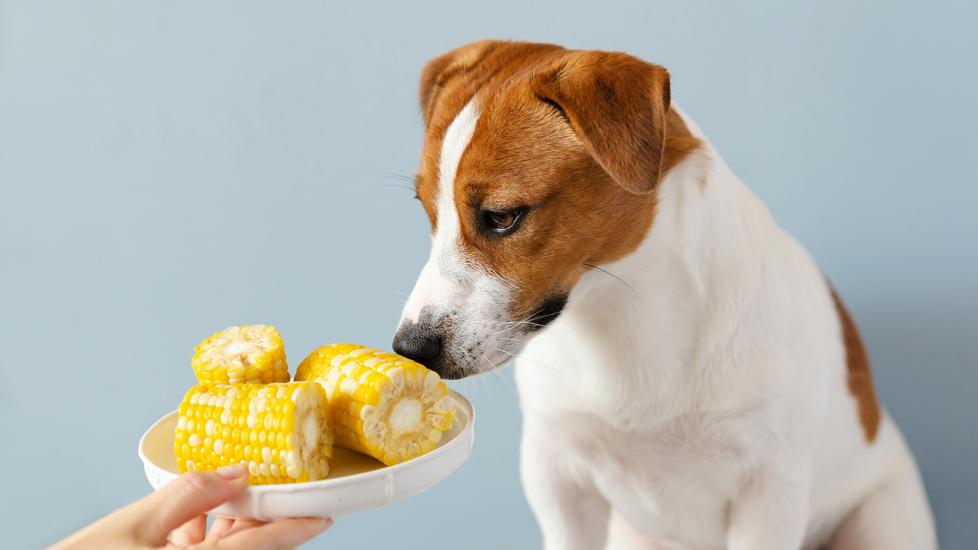
- Serving raw corn on the cob: Dogs may choke or block their intestines if they swallow the cob.
- Overfeeding: Too many vegetables can cause digestive upset.
- Not checking for allergies: Some dogs react to corn or peas.
- Adding seasonings: Even a small amount of onion or garlic can be toxic.
Non-obvious insight: Even if your dog has eaten seasoned vegetables before and seemed fine, long-term exposure to salt, onion, or garlic can harm their health over time.
Credit: www.petmd.com
Can Dogs Eat Corn Cobs Or Canned Corn?
Never give your dog corn on the cob. Dogs can’t digest the cob, and swallowing even a small piece can cause a dangerous blockage. Canned corn is usually high in salt and sugar. If you want to use it, rinse it well and use only a small amount.
When To Avoid Mixed Vegetables With Corn
Some situations call for extra caution:
- Chronic digestive problems: Dogs with ongoing diarrhea or vomiting should stick to their vet’s diet.
- Special diets: Dogs with kidney disease, diabetes, or food allergies may need to avoid certain veggies.
- After surgery: Dogs recovering from surgery often need a bland diet.
When in doubt, ask your veterinarian.

Credit: www.petmd.com
Alternatives To Mixed Vegetables With Corn
If your dog doesn’t like corn or you want other options, try these:
- Cooked sweet potato: Easy to digest and rich in vitamins
- Pumpkin: Good for sensitive stomachs
- Zucchini: Low in calories and soft when cooked
- Blueberries: High in antioxidants, but only a few at a time
Always introduce new foods one at a time.
Veterinary Opinions And Research
Veterinarians generally support giving dogs plain vegetables as a treat. They remind owners to keep portions small and watch for any negative reactions. Research shows that moderate vegetable intake may help dogs stay lean and improve digestive health. For more details, you can read the recommendations from the American Veterinary Medical Association.
FAQs For Can Dogs Eat Mixed Vegetables With Corn
Can Dogs Eat Raw Mixed Vegetables With Corn?
Dogs can eat some raw vegetables, like carrots and peas, but raw corn is hard to digest. Cooking makes all vegetables, including corn, safer and easier for your dog’s stomach.
How Often Can I Give My Dog Mixed Vegetables With Corn?
You can give your dog mixed vegetables with corn a few times a week as a treat or food topper. Just keep the amount small and watch for any signs of digestive upset.
Are Frozen Mixed Vegetables With Corn Safe For Dogs?
Yes, plain frozen mixed vegetables with corn (no sauces or seasonings) are safe for dogs. Always cook and cool them before serving.
What Vegetables Should Never Be Mixed With Corn For Dogs?
Never mix onions, garlic, mushrooms, or avocado with corn for your dog. These foods are toxic and can cause serious health problems.
Can Puppies Eat Mixed Vegetables With Corn?
Puppies have sensitive stomachs and special nutritional needs. It’s best to wait until your puppy is at least 3–4 months old and introduce vegetables in tiny amounts, under your vet’s advice.
Dogs bring joy to our lives, and sharing safe, healthy foods is one way to care for them. Mixed vegetables with corn can be a colorful, nutritious addition to your dog’s diet if served correctly. Start small, keep it plain, and watch your dog enjoy a fresh and healthy treat.