Every dog owner wants to keep their furry friends healthy and happy. But many people don’t realize that some everyday foods—safe for humans—can be dangerous, or even deadly, for dogs. Some foods may seem harmless but can cause vomiting, organ failure, or worse.
Knowing which foods are toxic to dogs is essential for every pet parent. Even a small amount of the wrong food can have serious effects. In this guide, you’ll learn about the most common toxic foods, what symptoms to watch for, and how to protect your dog from accidental poisoning.
Why Dogs React Differently To Human Foods
Dogs have different digestive systems from humans. Their bodies process foods in unique ways, and some ingredients that are safe for us can overwhelm a dog’s liver, kidneys, or nervous system. For example, theobromine in chocolate is harmless to humans but dangerous for dogs because they metabolize it much more slowly.
Even “healthy” human foods like grapes can cause unexpected harm.
Some toxic foods only cause mild symptoms if eaten in small amounts, but others can be life-threatening even in tiny doses. Understanding these differences is key to protecting your pet.
The Most Dangerous Foods For Dogs
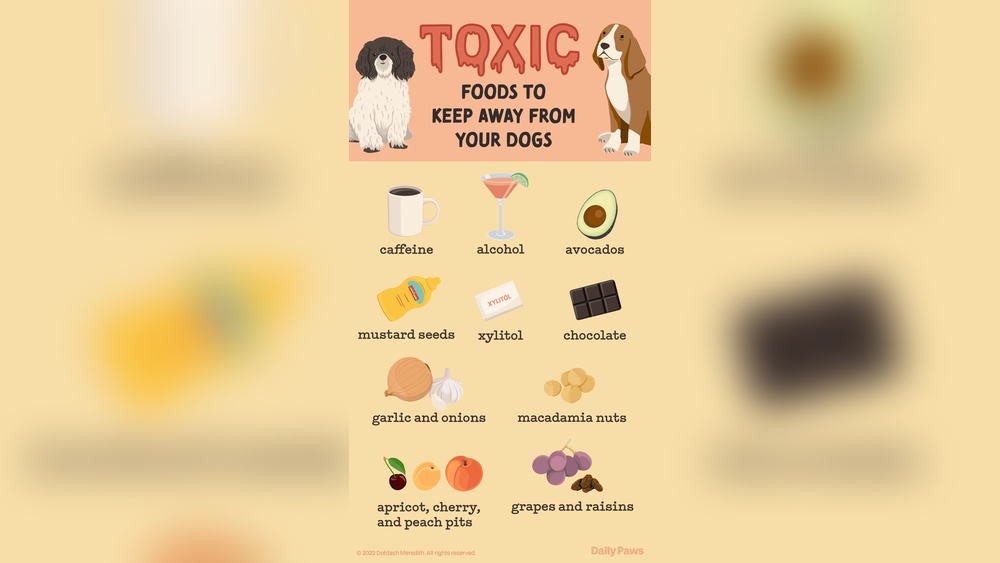
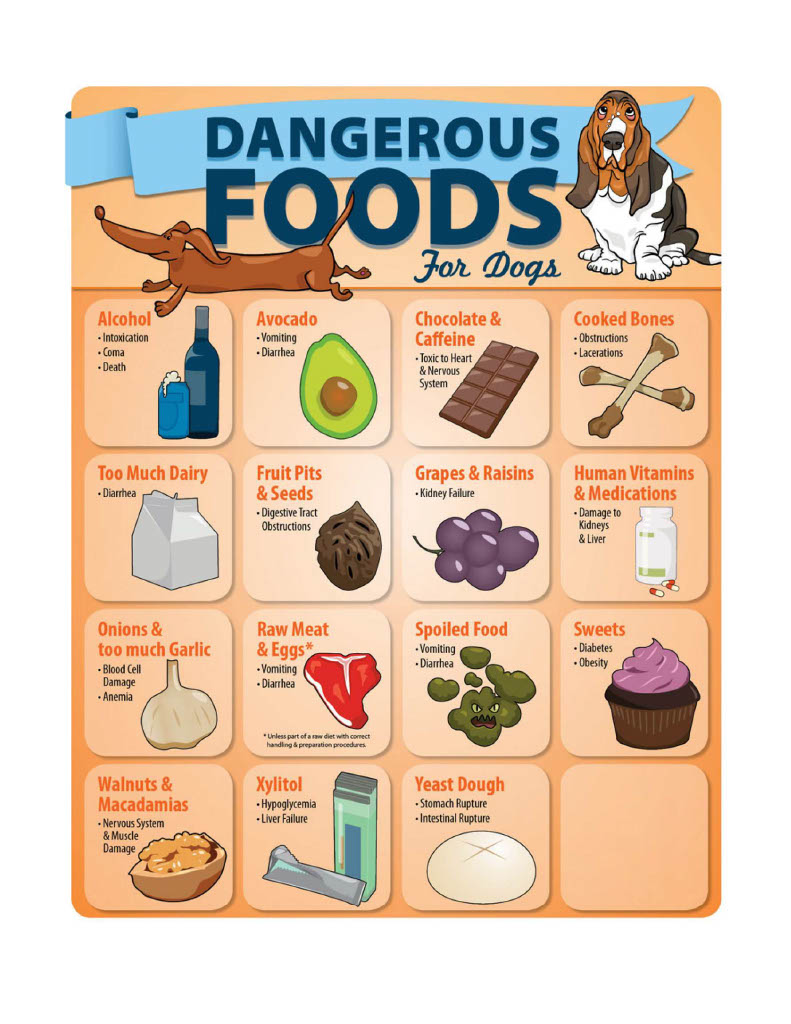
Here are some of the most common and dangerous foods that every dog owner should keep out of reach:
1. Chocolate
Chocolate is probably the best-known toxic food for dogs. It contains theobromine and caffeine, which dogs cannot process efficiently. Dark chocolate and baking chocolate have the highest levels. Eating chocolate can cause vomiting, diarrhea, rapid breathing, abnormal heart rhythm, and even death. According to the American Veterinary Medical Association, as little as 1 ounce of dark chocolate can be toxic for a medium-sized dog.
2. Grapes And Raisins
Both grapes and raisins are highly toxic to dogs. Even a small amount can cause sudden kidney failure. Symptoms may not appear right away, but can include vomiting, lethargy, and loss of appetite. The exact reason grapes are toxic is still unknown, but all types and amounts can be dangerous.
3. Onions, Garlic, Leeks, And Chives
These vegetables belong to the Allium family and are found in many cooked dishes. They contain compounds that damage a dog’s red blood cells, leading to anemia. Both raw and cooked forms are harmful. Symptoms might not show up for several days and can include weakness, pale gums, and rapid heartbeat.
4. Xylitol
Xylitol is a sugar substitute found in many sugar-free products like gum, candy, peanut butter, and baked goods. In dogs, xylitol causes a rapid insulin release, leading to hypoglycemia (low blood sugar). Signs include vomiting, loss of coordination, seizures, and liver failure. Even a single piece of sugar-free gum can be fatal for small dogs.
5. Alcohol
Even small amounts of alcohol—including beer, wine, and spirits—can be extremely dangerous to dogs. Alcohol affects dogs much more quickly than humans, leading to vomiting, diarrhea, difficulty breathing, tremors, coma, and death. Food items containing alcohol, like certain desserts, are also risky.
6. Macadamia Nuts
Macadamia nuts are less common but highly poisonous to dogs. Symptoms like weakness, tremors, vomiting, and high body temperature can appear within 12 hours of ingestion. While most dogs recover with treatment, severe cases can be life-threatening.
7. Avocado
Avocados contain a toxin called persin, which can cause vomiting and diarrhea in dogs. The pit also poses a choking risk or can cause an intestinal blockage. While some dogs may tolerate small amounts, it’s best to avoid giving avocado altogether.
8. Cooked Bones
Cooked bones can splinter easily, causing blockages or tears in a dog’s digestive tract. Raw bones are sometimes safer, but even these should be given with caution. Symptoms of bone ingestion problems include choking, vomiting, and constipation.
9. Caffeinated Drinks (coffee, Tea, Energy Drinks)
Drinks containing caffeine are dangerous for dogs, causing restlessness, rapid breathing, heart palpitations, and muscle tremors. Even used coffee grounds and tea bags are hazardous if eaten.
10. Dairy Products
Many dogs are lactose intolerant. Eating cheese, milk, or ice cream can lead to digestive upset, including diarrhea and stomach pain. While not always toxic, dairy is best avoided or given in very small amounts.
11. Raw Yeast Dough
When dogs eat raw yeast dough, the dough can expand in the stomach, causing pain and possible rupture. The fermentation process also produces alcohol, which is toxic. Watch for signs like bloating, unproductive vomiting, and distress.
12. Salt And Salty Snacks
Too much salt can cause sodium ion poisoning in dogs. Symptoms include vomiting, diarrhea, tremors, and seizures. Foods like chips, pretzels, and salted popcorn are risky, especially if eaten in large amounts.
13. Fat Trimmings And Greasy Foods
Fatty foods like bacon or meat trimmings can cause pancreatitis, a painful and sometimes fatal inflammation of the pancreas. Signs include abdominal pain, vomiting, and lethargy.
14. Fruits With Pits And Seeds
Fruits like peaches, plums, cherries, and apples have pits or seeds that can cause choking or intestinal blockage. Many pits also contain cyanide, which is highly toxic. Always remove pits and seeds before giving fruit.
15. Moldy Or Spoiled Food
Dogs are not immune to food poisoning. Moldy bread, cheese, or other spoiled foods can contain toxins that cause severe illness or even death. Symptoms range from vomiting to seizures.
16. Raw Or Undercooked Meat, Eggs, And Fish
Raw foods can carry bacteria (like Salmonella or E. coli) and parasites. These can be dangerous for both dogs and humans. Cooking meat, eggs, and fish kills harmful organisms and makes food safer for your pet.
17. Nutmeg
Nutmeg contains myristicin, which can cause tremors, seizures, and nervous system problems in dogs. Even small amounts used in baked goods or on holiday dishes can be risky.
18. Artificial Sweeteners (besides Xylitol)
Some other artificial sweeteners may upset your dog’s stomach or cause toxicity, though xylitol is by far the most dangerous. Always read ingredient labels on processed foods.
19. Human Medications
While not a “food,” many dogs accidentally eat human medications left on counters or in bags. Painkillers, antidepressants, and cold medicines are particularly dangerous. Keep all medicines locked away.
20. Hops (used In Brewing Beer)
Hops, used for brewing beer, can cause malignant hyperthermia in dogs—a sudden, deadly rise in body temperature. Home brewers should take special care to keep hops away from pets.
Credit: www.golfrose.com
How Much Is Too Much? Toxic Dose Table
The amount that causes poisoning depends on the food, the dog’s size, and their health. Here’s a comparison of toxic doses for some common foods:
| Food | Amount Toxic for 10kg (22lb) Dog | Symptoms |
|---|---|---|
| Chocolate (dark) | ~30g (1 oz) | Vomiting, seizures, heart arrhythmia |
| Grapes | ~6–12 grapes | Kidney failure, vomiting |
| Xylitol | ~0.1g/kg (a stick of gum) | Low blood sugar, liver failure |
| Onions | ~25g (1 oz) | Anemia, weakness |
| Alcohol | ~8ml/kg (2 tsp/kg) | Coma, respiratory failure |
Even a small mistake can lead to a big problem, especially for puppies or small breeds.
Why Some Foods Are More Dangerous For Certain Dogs
Not all dogs react the same way to toxic foods. Smaller dogs are at higher risk because a small amount makes up a bigger percentage of their body weight. Puppies, senior dogs, and those with pre-existing health problems are also more vulnerable.
Some dog breeds have genetic conditions that make them even more sensitive to certain toxins. For example, Japanese breeds like Akitas and Shiba Inus are more likely to develop onion-induced anemia. Always be extra careful with high-risk pets.
Common Signs Of Food Poisoning In Dogs
Recognizing early symptoms can save your dog’s life. Here are warning signs to watch for:
- Vomiting or diarrhea
- Drooling or foaming at the mouth
- Weakness or collapse
- Rapid breathing or heart rate
- Tremors, shaking, or seizures
- Swollen abdomen or pain
- Pale gums
If your dog shows any of these symptoms after eating something suspicious, call your vet immediately.
What To Do If Your Dog Eats Something Toxic
Stay calm but act fast. Follow these steps:
- Remove access to the suspected food.
- Check the amount and type of food your dog ate. This information helps the vet.
- Do not induce vomiting unless told by a professional—some foods cause more harm if vomited.
- Call your veterinarian or an animal poison control hotline right away.
- Bring packaging or a sample of the food to the vet, if possible.
Time is critical. Immediate treatment is often the difference between recovery and tragedy.
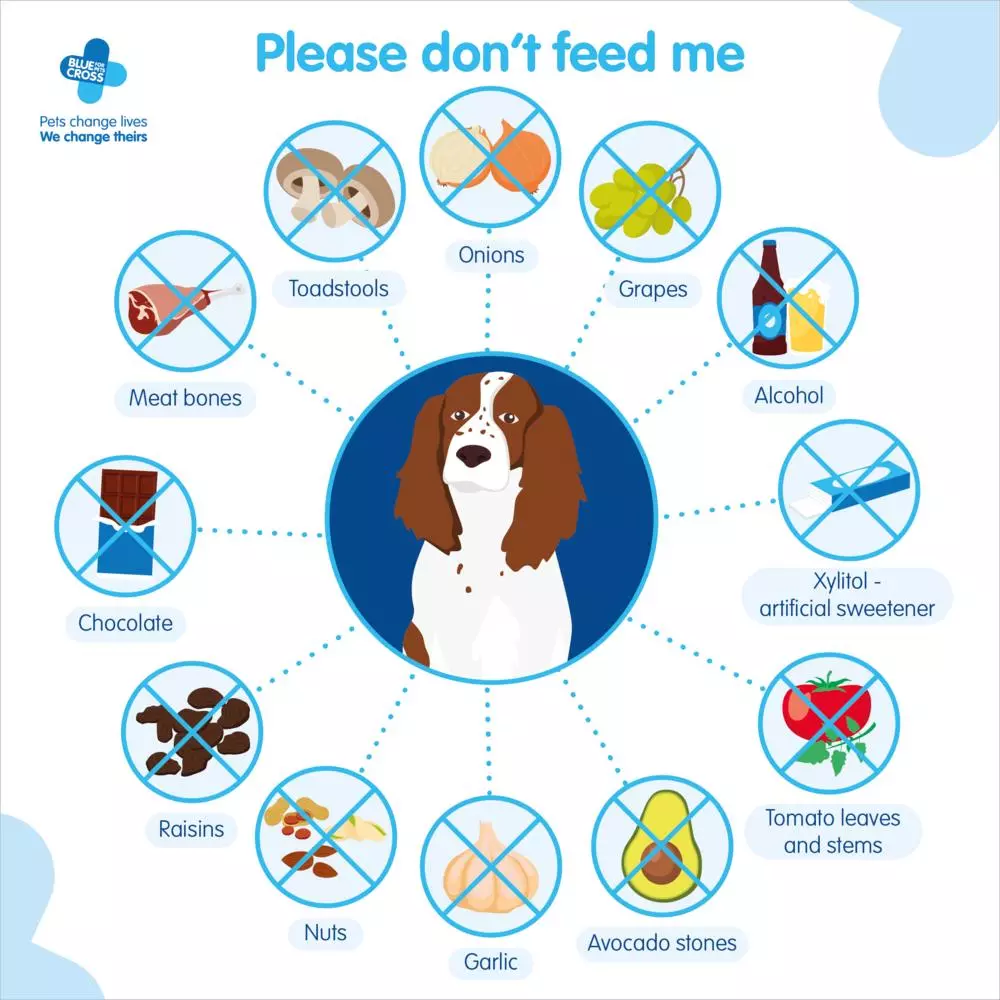
Credit: www.bluecross.org.uk
Non-obvious Sources Of Toxic Foods
Some foods hide in places you might not expect. For example:
- Trail mix often contains raisins and chocolate.
- Peanut butter can contain xylitol (always check the label).
- Baked goods may include nuts, chocolate, or artificial sweeteners.
- Baby foods sometimes have onion or garlic powder.
- Holiday treats often mix several risky ingredients.
It’s important to read ingredient lists and keep all human food out of your dog’s reach.
Safe Treat Alternatives
You don’t have to deny your dog treats altogether. Many safe options are healthy and enjoyable for dogs:
- Carrot sticks
- Apple slices (no seeds)
- Blueberries
- Plain cooked chicken or turkey (no bones or seasoning)
- Cucumber slices
These treats provide vitamins and are much safer than table scraps. Remember to introduce any new food slowly and in small amounts.
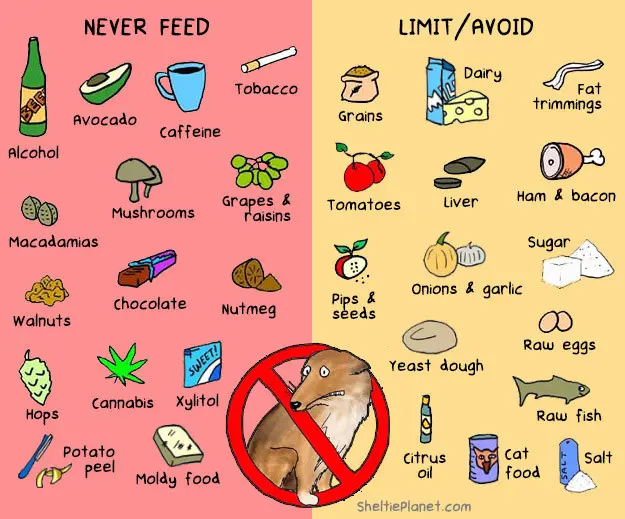
Credit: rockcreekpuppies.com
Quick Comparison: Toxic Vs. Safe Foods
Here’s a simple reference for dog owners:
| Unsafe Food | Safe Alternative |
|---|---|
| Chocolate | Carob treats |
| Grapes/Raisins | Blueberries |
| Onion/Garlic | Pumpkin (plain, cooked) |
| Xylitol gum | Plain peanut butter (xylitol-free) |
| Cooked bones | Rubber chew toys |
If you’re ever unsure about a food, it’s best to skip it or check with your veterinarian.
Tips To Prevent Accidental Poisoning
- Store all food in sealed containers out of reach.
- Don’t leave food unattended on counters or tables.
- Teach children and visitors about foods that are unsafe for dogs.
- Keep trash cans closed or in a cabinet.
- Double-check ingredients in treats and snacks.
Small changes at home can make a big difference in your dog’s safety.
Common Answer For What Foods Are Toxic to Dogs
What Should I Do If My Dog Eats Chocolate?
If your dog eats chocolate, remove any remaining chocolate and call your veterinarian immediately. Try to estimate how much was eaten and what type (dark, milk, etc. ). Do not try to make your dog vomit unless a professional tells you to.
Are All Nuts Dangerous For Dogs?
Not all nuts are toxic, but many are unsafe. Macadamia nuts are highly poisonous, while others like walnuts and pecans can cause digestive upset or choking. It’s safest to avoid giving any nuts to your dog.
Can A Small Piece Of Onion Or Garlic Harm My Dog?
Even small amounts of onion or garlic can cause problems, especially if fed regularly. Over time, small doses can build up and lead to anemia. Always avoid giving these foods to your dog.
Is It Safe To Give My Dog Leftovers?
Most leftovers contain ingredients that are not safe for dogs, like onions, garlic, or spices. Greasy or salty foods can also cause pancreatitis. It’s best to give only foods you know are safe, like plain cooked meat or vegetables.
Where Can I Find More Information About Foods Toxic To Dogs?
You can visit the official ASPCA Animal Poison Control website for a full list and emergency advice.
Keeping your dog safe from toxic foods takes awareness and care. By knowing the risks and acting quickly, you can help your best friend live a long, healthy life. Always consult your veterinarian if you’re unsure about a food, and never hesitate to ask for help in an emergency.
Your dog depends on you to make the right choices.