Dogs love to explore new foods, and many owners wonder about the safety of sharing raw vegetables with their pets. If you’re looking for healthy, low-calorie snacks for your dog, vegetables can be a great choice. But not all veggies are safe for dogs, and some can be dangerous or cause stomach problems.
This article will help you understand which raw vegetables dogs can eat, how to serve them safely, and what benefits they offer. You’ll also learn some common mistakes and get answers to the most frequently asked questions about dogs and vegetables.
Why Raw Vegetables Matter For Dogs
Raw vegetables are rich in vitamins, minerals, and fiber. They offer crunch and flavor without extra calories or fat. For dogs who need to lose weight or avoid processed treats, raw veggies can be a smart choice. But dogs’ digestive systems are not the same as humans, so not every vegetable is safe. Some contain chemicals or fiber that dogs cannot digest well.
A 2023 survey by the American Pet Products Association found that nearly 45% of dog owners give vegetables as treats. Most do so for health reasons, but a surprising number are unaware of which vegetables are safe.
Safe Raw Vegetables For Dogs
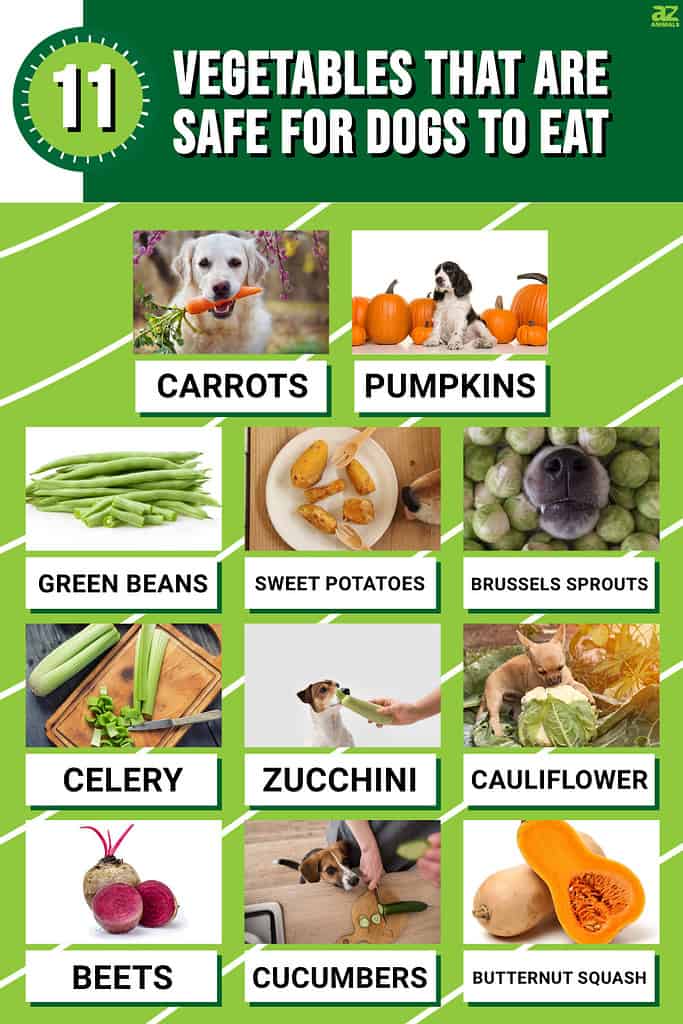
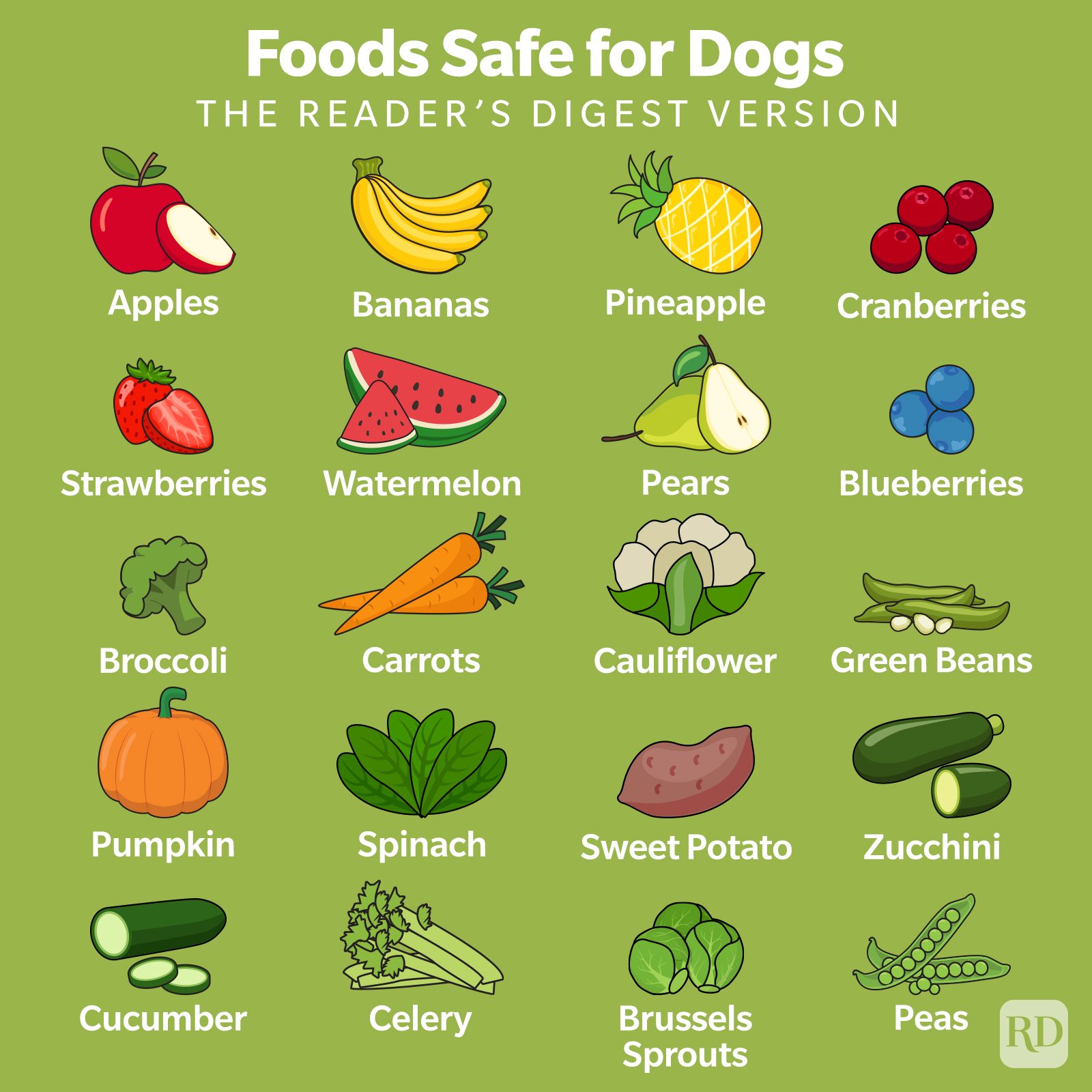
Here are the raw vegetables dogs can eat safely. Each one is explained with its benefits, risks, and serving tips.
1. Carrots
Carrots are one of the most popular vegetables for dogs. They are crunchy and sweet, which most dogs love. Carrots are high in beta-carotene, which helps eye health, and contain lots of fiber.
- Benefits: Low-calorie, helps clean teeth, good for vision.
- Serving tip: Cut into small sticks or rounds to avoid choking. For puppies or small dogs, slice thinly.
- Non-obvious insight: Some dogs digest carrots better when they are grated or slightly mashed.
2. Celery
Celery is safe for dogs and contains vitamins A, B, and C. It is low in calories and helps freshen breath.
- Benefits: Good for hydration, supports heart health, aids digestion.
- Serving tip: Remove stringy parts and cut into small pieces.
- Common mistake: Giving large chunks can cause choking, especially in small breeds.
3. Cucumbers
Cucumbers are refreshing and mostly water. They are a great snack for overweight dogs.
- Benefits: Hydrates dogs, low in calories, provides vitamin K.
- Serving tip: Slice thinly, remove seeds if possible.
- Non-obvious insight: Some dogs may swallow cucumber slices whole; always supervise.
4. Bell Peppers
Dogs can eat bell peppers (red, yellow, green), but never hot peppers. Bell peppers are rich in vitamin C and antioxidants.
- Benefits: Boosts immunity, improves skin and coat.
- Serving tip: Remove seeds and stem, cut into strips.
- Common mistake: Not removing seeds and stem, which are hard to digest.
5. Broccoli
Broccoli is safe in small amounts. It has fiber and vitamin C but can cause gas if given too much.
- Benefits: Supports immune health, provides antioxidants.
- Serving tip: Cut florets into tiny pieces, avoid stems.
- Non-obvious insight: Dogs may get upset stomach from too much broccoli; limit to less than 10% of daily food.
6. Zucchini
Zucchini is gentle on the stomach and easy to chew.
- Benefits: Good for digestion, low in calories.
- Serving tip: Slice thinly or cut into small cubes.
- Common mistake: Not washing zucchini; pesticides can remain on skin.
7. Spinach
Spinach is safe in moderation. It offers iron and vitamins, but too much can block calcium absorption.
- Benefits: Provides iron and antioxidants, supports muscle health.
- Serving tip: Wash thoroughly, tear leaves into small pieces.
- Non-obvious insight: Dogs with kidney problems should avoid spinach due to oxalates.
8. Green Beans
Green beans are a favorite for dieting dogs. They are filling and low in calories.
- Benefits: Helps with weight control, offers fiber and vitamins.
- Serving tip: Chop ends off, cut into bite-size pieces.
- Common mistake: Giving beans with tough ends or strings.
9. Peas
Peas (snap, snow, garden) are safe and tasty. They provide protein and fiber.
- Benefits: Supports muscle health, aids digestion.
- Serving tip: Remove shells, serve fresh peas only.
- Non-obvious insight: Frozen peas can be a fun treat for teething puppies.
10. Lettuce
Most lettuce types (romaine, iceberg) are safe in small amounts. They are mostly water.
- Benefits: Hydrates, low-calorie snack.
- Serving tip: Chop leaves, avoid giving large chunks.
- Common mistake: Overfeeding lettuce can cause diarrhea.
11. Sweet Potatoes
Sweet potatoes are safe but must be peeled and sliced thinly. They are rich in vitamins A and C.
- Benefits: Boosts energy, supports immune health.
- Serving tip: Serve raw in small, peeled slices.
- Non-obvious insight: Dogs digest cooked sweet potatoes better; raw is safe but harder to chew.
12. Pumpkin
Pumpkin is good for digestion. Raw pumpkin can be given in tiny cubes.
- Benefits: Helps with constipation, provides fiber.
- Serving tip: Peel and cut into small cubes.
- Common mistake: Giving too much pumpkin leads to loose stool.
13. Brussels Sprouts
Brussels sprouts are safe in moderation. They support immune health.
- Benefits: Offers antioxidants, vitamin C.
- Serving tip: Slice thinly, remove tough ends.
- Non-obvious insight: Too many Brussels sprouts cause gas.
14. Cabbage
Cabbage is rich in fiber and vitamin K. It can help with digestion.
- Benefits: Supports gut health, reduces inflammation.
- Serving tip: Shred and serve in small amounts.
- Common mistake: Not washing cabbage; bacteria may be present.
15. Cauliflower
Cauliflower is safe in small amounts. It offers vitamins and fiber.
- Benefits: Supports immune system, helps digestion.
- Serving tip: Cut florets into small pieces.
- Non-obvious insight: Too much cauliflower can cause bloating.
16. Asparagus
Asparagus is safe but can be tough. It contains fiber and vitamins.
- Benefits: Boosts immunity, helps digestion.
- Serving tip: Cut off tough ends, slice spears thinly.
- Common mistake: Giving whole spears can cause choking.
17. Beets
Beets are safe in small quantities. They offer antioxidants and fiber.
- Benefits: Supports heart health, provides energy.
- Serving tip: Peel and slice thinly.
- Non-obvious insight: Beets can stain fur and paws.
18. Kale
Kale is high in vitamins, but too much can upset the stomach.
- Benefits: Offers vitamin K and C, supports bone health.
- Serving tip: Tear leaves, avoid stems.
- Common mistake: Overfeeding kale can cause diarrhea.
Unsafe Raw Vegetables: What To Avoid
Not all vegetables are safe for dogs. Here are common vegetables to avoid:
- Onions and garlic: Toxic to dogs, can cause anemia.
- Leeks and shallots: Same family as onions, dangerous.
- Potatoes: Raw potatoes contain solanine, which is harmful.
- Rhubarb: Leaves are toxic, stems are risky.
- Mushrooms: Many wild types are poisonous.
- Tomatoes: Green parts and unripe tomatoes contain toxins.
It’s important to check before giving any new vegetable. A 2022 study found that 12% of pet poisoning cases involved unsafe vegetables.
How To Serve Raw Vegetables To Dogs
Serving vegetables correctly makes them safer and more enjoyable for your dog. Here are practical steps:
- Wash thoroughly: Remove dirt, pesticides, and bacteria.
- Cut small: Slice or chop to avoid choking.
- Remove seeds, stems, tough ends: These can cause blockages.
- Start slow: Give a small piece and watch for any reaction.
- Mix with regular food: Add veggies to kibble or wet food for variety.
Some dogs may not like vegetables at first. Try different types and shapes to see what your dog enjoys. If your dog refuses, don’t force them.
Credit: ltmenergy.co.za
Raw Vs. Cooked Vegetables: Which Is Better?
Dogs can eat both raw and cooked vegetables. Raw veggies keep more vitamins, but cooked ones are easier to digest. For dogs with sensitive stomachs, lightly steaming vegetables can help.
Here’s a quick comparison:
| Raw Vegetables | Cooked Vegetables |
|---|---|
| Keep more nutrients | Easy to digest |
| Crunchy texture | Softer, safer for small dogs |
| Harder to chew | Reduces choking risk |
Most experts recommend mixing both forms. Try raw for snacks and cooked for meals.
Portion Sizes And Frequency
Vegetables should be a small part of your dog’s diet. Most vets say veggies should make up less than 10% of daily food. Too much fiber can cause stomach upset.
Here’s an easy guide for serving sizes:
| Dog Size | Daily Raw Vegetable Amount |
|---|---|
| Small (under 20 lbs) | 1-2 tablespoons |
| Medium (20-50 lbs) | 2-4 tablespoons |
| Large (50+ lbs) | 4-6 tablespoons |
Serve vegetables as snacks or mix into meals. Always monitor your dog for changes in stool or appetite.
Credit: sportyard.sa
Signs Your Dog Doesn’t Tolerate A Vegetable
Some dogs have sensitive stomachs. Look for these warning signs after giving a new vegetable:
- Vomiting or diarrhea
- Gas or bloating
- Loss of appetite
- Itching or skin rash
If you notice any of these symptoms, stop feeding the vegetable and contact your vet.
Extra Tips For Feeding Vegetables
- Introduce one vegetable at a time. This helps identify allergies.
- Avoid salt, spices, or sauces. Dogs need plain veggies.
- Use vegetables for training treats. Many dogs love the crunch.
An easy tip: Freeze carrot sticks or cucumber slices for a cooling summer treat. This can help puppies with teething and older dogs with hot weather.
Health Benefits Of Raw Vegetables For Dogs
Dogs eating safe raw vegetables can enjoy several benefits:
- Weight control: Low-calorie snacks help prevent obesity.
- Dental health: Crunchy veggies clean teeth.
- Digestive support: Fiber helps regular bowel movements.
- Healthy skin and coat: Vitamins improve appearance.
- Hydration: Water-rich veggies help keep dogs cool.
Studies show that dogs fed vegetables have lower risk of obesity and fewer dental problems.
Common Mistakes Owners Make
Even well-meaning owners can make mistakes:
- Giving unsafe vegetables like onions or garlic.
- Feeding too many vegetables, causing stomach upset.
- Not cutting veggies small enough, leading to choking.
- Using vegetables with pesticides or dirt.
- Ignoring allergic reactions.
Always check safety and start with small portions. If in doubt, ask your vet.
Comparing Popular Vegetables: Nutritional Data
For dog owners who want details, here’s a simple comparison of nutrients in popular vegetables (per 100g):
| Vegetable | Calories | Vitamin A | Vitamin C | Fiber |
|---|---|---|---|---|
| Carrots | 41 | 835 µg | 5.9 mg | 2.8 g |
| Bell Pepper | 31 | 157 µg | 127.7 mg | 2.1 g |
| Cucumber | 15 | 5 µg | 2.8 mg | 0.5 g |
| Broccoli | 34 | 31 µg | 89.2 mg | 2.6 g |
The numbers show that carrots are richest in vitamin A, while bell peppers provide the most vitamin C.
When To Consult A Vet
If your dog has health problems (like kidney issues or allergies), always check with your vet before adding new vegetables. Some veggies can affect medication or cause reactions.
For more detailed advice on dog nutrition, visit AKC’s guide to dog-safe vegetables.
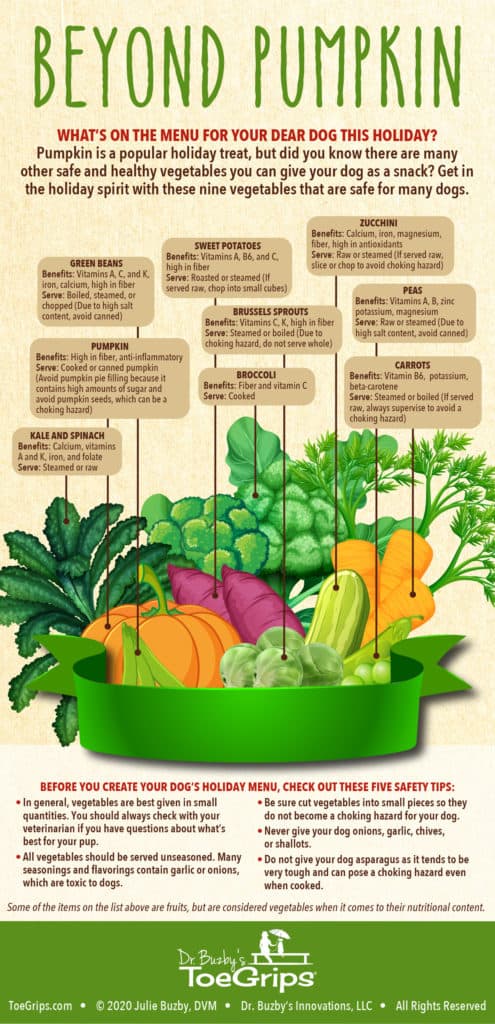
Credit: toegrips.com
Frequently Asked Questions
What Vegetables Are Poisonous To Dogs?
Onions, garlic, leeks, shallots, rhubarb, and wild mushrooms are toxic to dogs. Never feed these raw or cooked.
Can Dogs Eat Raw Potatoes?
No. Raw potatoes contain solanine, which is dangerous for dogs. Always cook potatoes before serving.
How Much Raw Vegetable Should I Give My Dog?
Vegetables should be less than 10% of your dog’s daily food. Small dogs: 1-2 tablespoons; medium: 2-4; large: 4-6.
Are There Any Vegetables Dogs Can Eat Every Day?
Carrots, cucumber, and green beans are safe daily in small amounts. Rotate vegetables to avoid too much fiber.
Can Puppies Eat Raw Vegetables?
Yes, but only in small, soft pieces. Avoid hard or stringy veggies. Puppies may need softer vegetables or grated options.
Giving your dog safe raw vegetables can improve their health and happiness. Start slow, observe your pet, and enjoy exploring new snacks together. Remember, each dog is different—what works for one may not suit another. With the right choices, vegetables can be a tasty, healthy addition to your dog’s diet.