Most adult dogs need one to three cans of wet food daily, but the right amount depends on calories, size, age, and activity.
Knowing how many cans of wet food for dog meals requires more than counting cans. Can sizes, calorie levels, body weight, life stage, health, and other food all matter. A small dog may need only part of a can, while a large dog may need several cans each day.
This guide explains how to calculate a safe starting amount, read a dog food label, divide meals, and adjust portions without overfeeding. It also covers puppies, senior dogs, mixed feeding, weight loss, and signs that your dog’s meal plan needs a change.
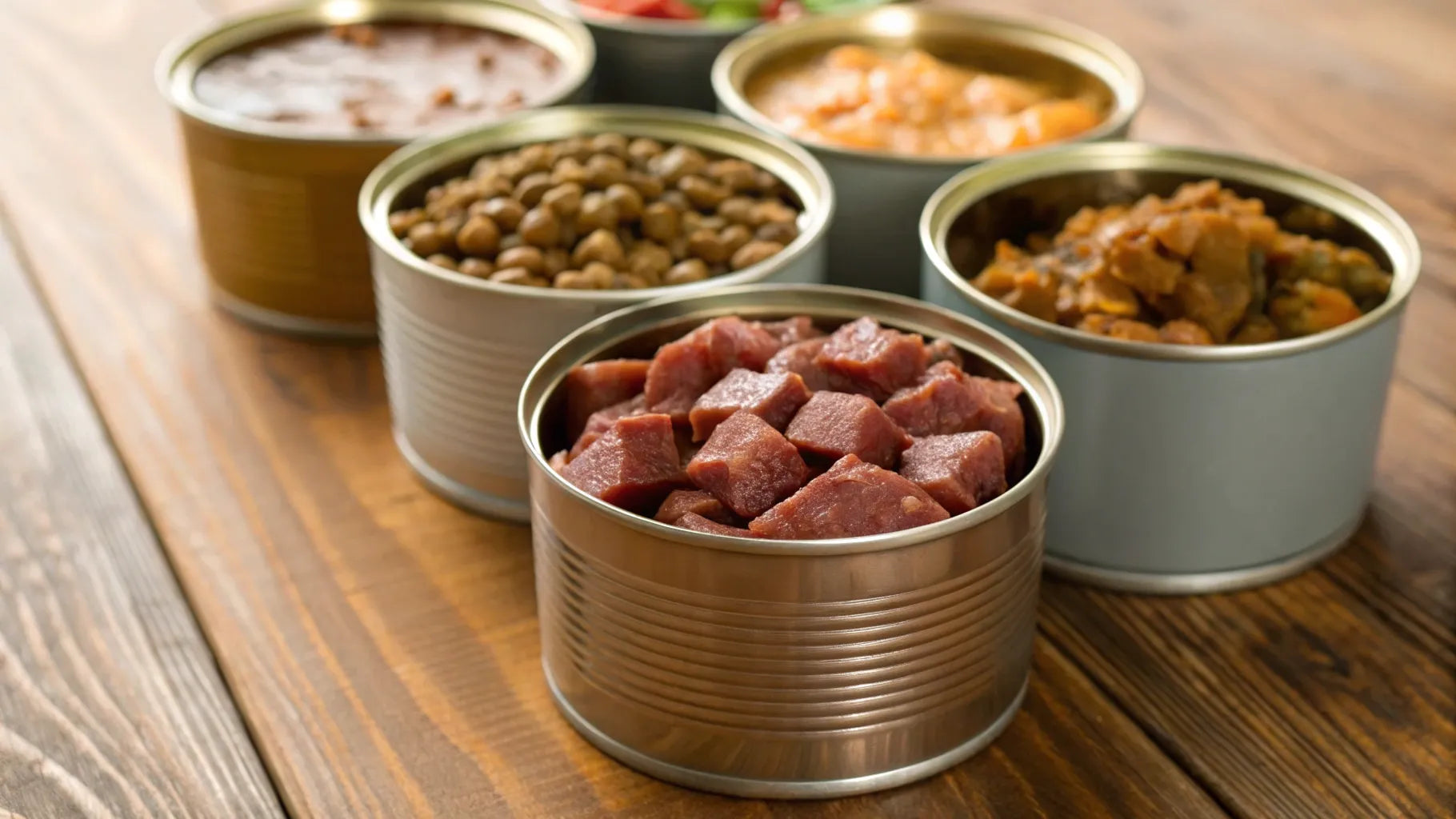
How many cans of wet food for dog meals?
There is no single serving amount that works for every dog. The correct amount depends on the food’s calories and your dog’s daily energy needs.
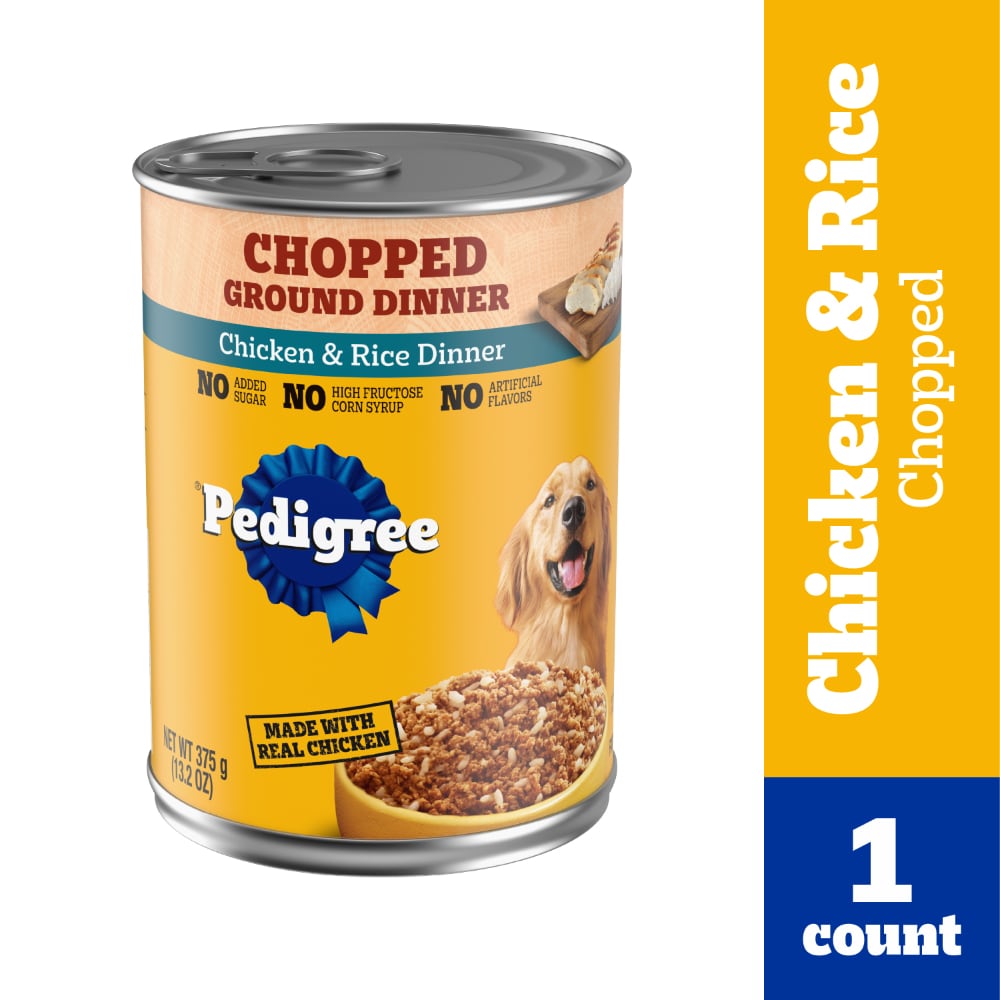
A typical 13-ounce can of wet dog food may contain about 300 to 500 calories. However, some recipes contain fewer than 200 calories, while richer foods may contain more than 500 calories per can.
As a general starting point, many adult dogs may need:
• Small dogs weighing 10 to 20 pounds: About one-half to one can per day
• Medium dogs weighing 25 to 50 pounds: About one to two cans per day
• Large dogs weighing 60 to 90 pounds: About two to three cans per day
• Very large dogs weighing more than 90 pounds: Three or more cans per day, depending on the food
These ranges are only estimates. A low-calorie can may require a larger portion. A high-calorie can may meet your dog’s needs with less food.
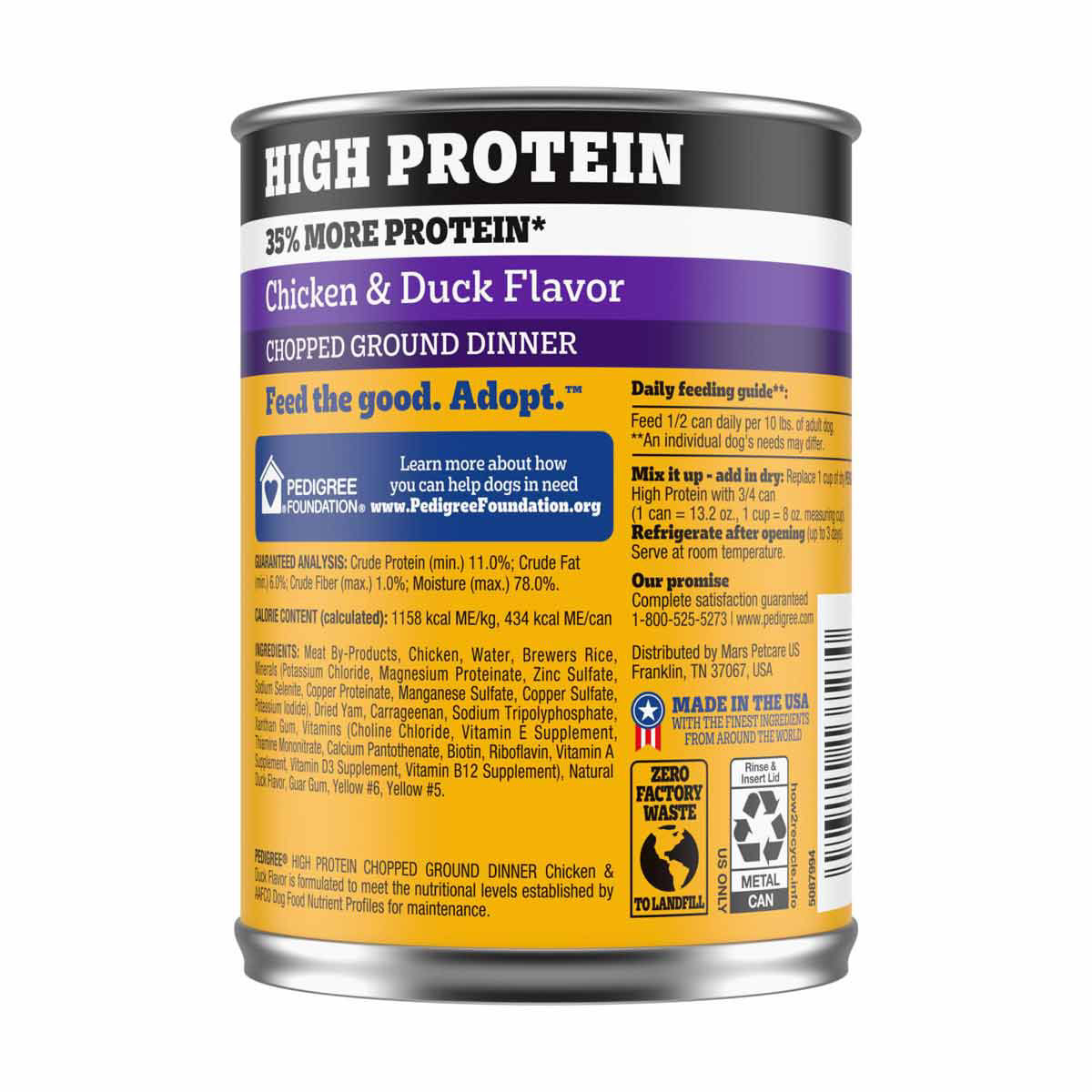
The best answer to how many cans of wet food for dog meals begins with the label. Look for “Calorie Content” or “Metabolizable Energy.” It may appear as kcal per can, kcal per cup, or kcal per kilogram.
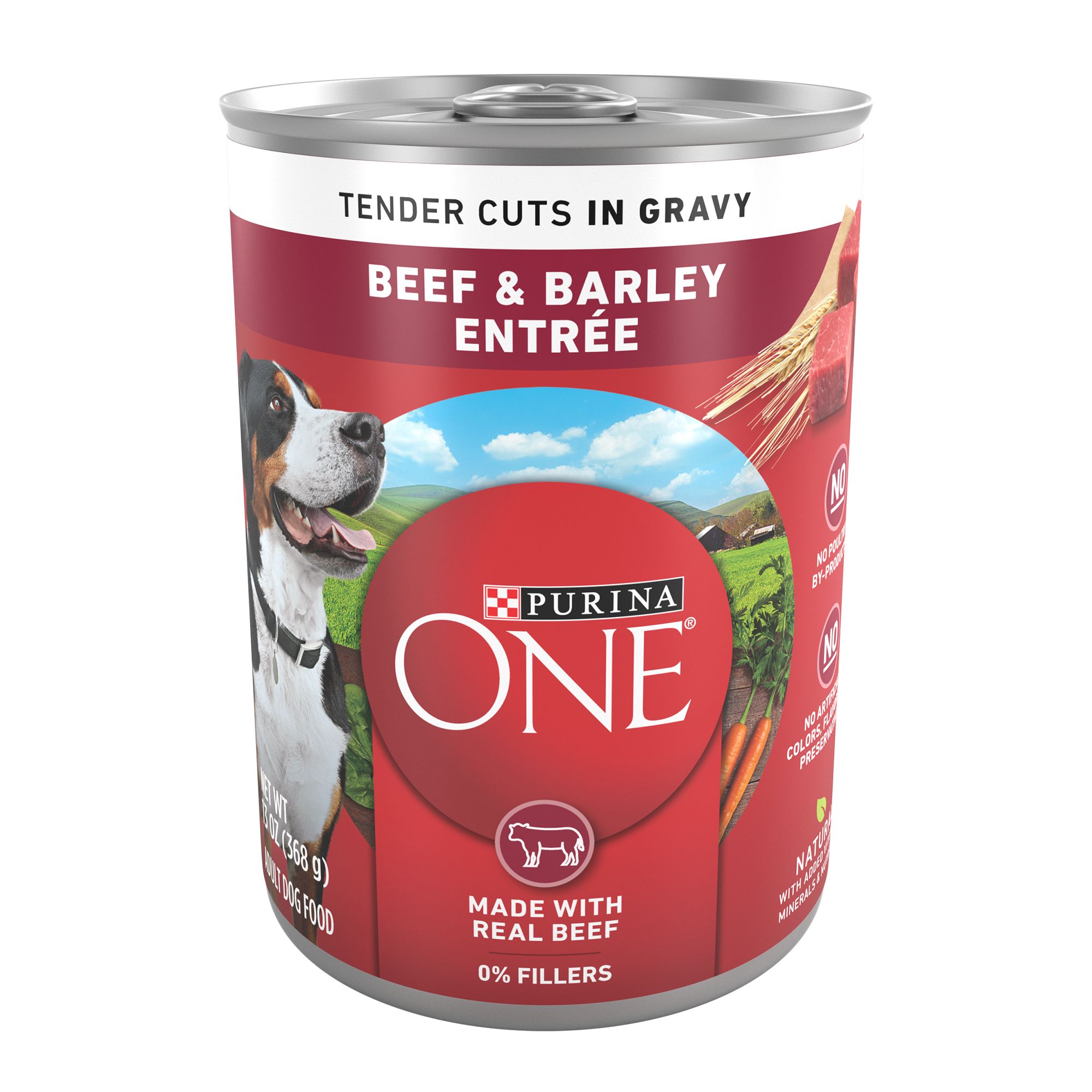
How to calculate your dog’s daily wet food amount
The most accurate method is to compare your dog’s daily calorie needs with the calories in one can.
Use this simple formula:
- Find your dog’s daily calorie target.
- Find the calories in one can.
- Divide daily calories by calories per can.
- Split the total into two or more meals.
For example, imagine a 40-pound adult dog that needs about 900 calories each day. If one can contains 360 calories, the calculation looks like this:
900 calories ÷ 360 calories per can = 2.5 cans per day
You could offer about 1¼ cans at breakfast and 1¼ cans at dinner. Some dogs do better with three smaller meals.
For a more technical estimate, veterinary nutritionists often begin with resting energy requirement, or RER:
RER = 70 × body weight in kilograms raised to the 0.75 power
Then they apply a life stage or activity factor. This method gives an estimate, not a final prescription. Two dogs of the same weight can need very different amounts because of breed, muscle, activity, age, and health.
When working out how many cans of wet food for dog meals, use the food label and your dog’s body condition together. The scale gives one clue, but your dog’s shape and health give more useful information.

Wet dog food serving chart by body weight
The chart below provides a practical starting point for adult dogs eating a typical 13-ounce can with about 350 to 450 calories.
| Dog’s weight | Approximate daily calories | Estimated cans per day |
|---|---|---|
| 10 pounds | 250 to 350 | ½ to ¾ can |
| 20 pounds | 400 to 600 | ¾ to 1½ cans |
| 30 pounds | 600 to 800 | 1¼ to 2 cans |
| 40 pounds | 750 to 1,000 | 1¾ to 2½ cans |
| 50 pounds | 900 to 1,200 | 2 to 3 cans |
| 70 pounds | 1,200 to 1,600 | 2¾ to 4 cans |
| 90 pounds | 1,500 to 2,000 | 3½ to 5 cans |
This chart assumes the wet food is complete and balanced and that it provides all daily calories. It does not account for treats, table scraps, dental chews, or dry food.
The number of cans can also change with can size. A 5.5-ounce can is less than half the size of a 13-ounce can. Always compare calories rather than judging portions by the container alone.
If your dog gains weight, reduce food slowly and seek veterinary advice. If your dog loses weight despite eating well, schedule a checkup. Weight loss can result from dental pain, parasites, diabetes, digestive disease, or other medical problems.

How can size changes the answer
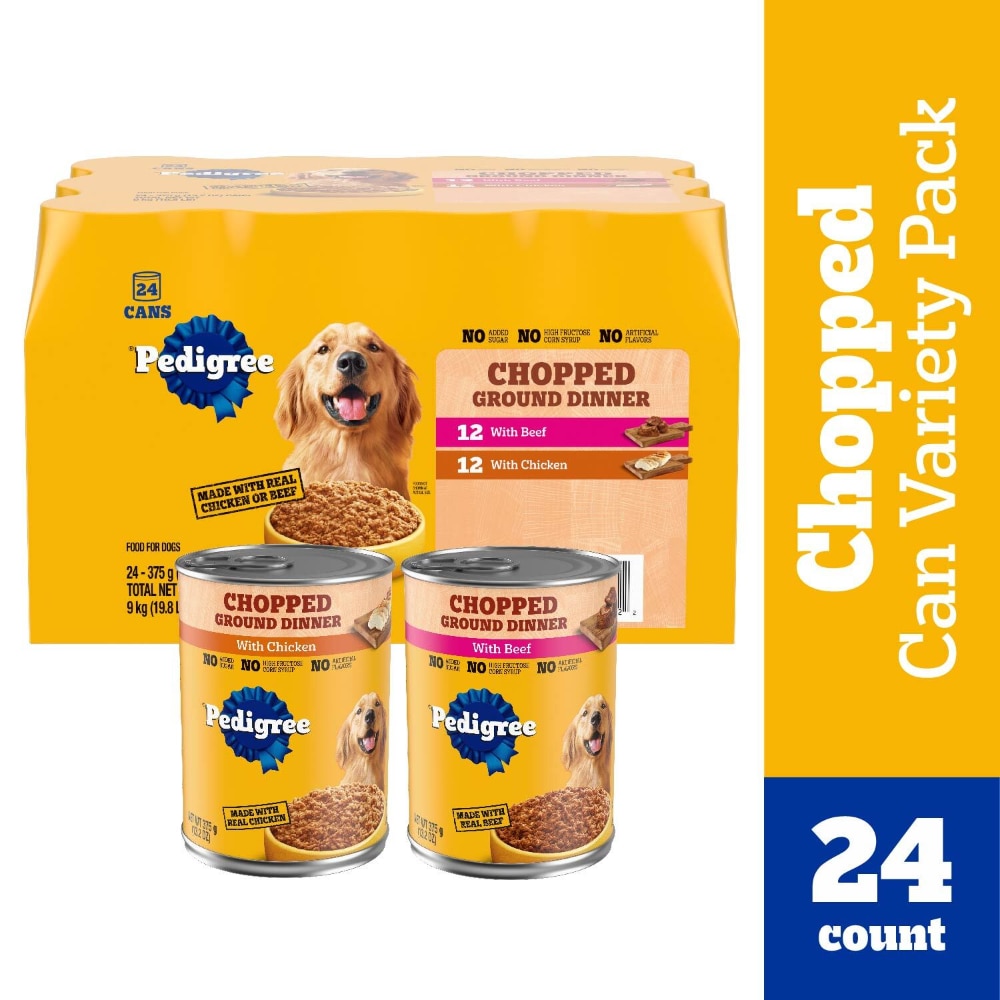
Can size is one of the most common reasons pet owners misjudge portions. A feeding guide may say “one can,” but it may not explain whether that means a 5.5-ounce, 12.5-ounce, or 13-ounce can.
Check these details before deciding how many cans of wet food for dog meals:
• Net weight: This tells you how much food is in the container.
• Calories per can: This shows how much energy the whole can provides.
• Calories per ounce: This helps compare different can sizes.
• Feeding directions: These often provide a starting range by body weight.
• Food type: Puppy food, senior food, weight-control food, and performance food may have different calorie levels.
For example, two cans may look like a large meal, but two small cans could provide fewer calories than one large can. The food’s moisture level also affects weight. Wet food contains a lot of water, so its total weight does not equal its calorie value.
A useful habit is to write the calories per can on the lid or keep a note on your phone. This makes portion planning easier when you switch flavors or brands.
How age and activity affect feeding
Age has a major effect on how many cans of wet food for dog meals your pet needs. Puppies grow quickly and usually need more calories per pound than adult dogs.
Puppies may need three or four meals each day. Their food should be labeled complete and balanced for growth, or for all life stages. Large-breed puppies need food designed to support controlled growth, because too many calories or minerals may affect bone development.
Adult dogs often do well with two meals daily. Working dogs, highly active dogs, and dogs that exercise for long periods may need more calories than calm house pets.
Senior dogs may need fewer calories if they move less. However, some older dogs lose muscle and need a diet with suitable protein and veterinary guidance. Age alone should not lead to a sharp food reduction.
Other factors that change food needs include:
• Spaying or neutering
• Cold weather
• Pregnancy or nursing
• Daily walks and exercise
• Breed size and body shape
• Muscle mass
• Medical conditions
• Medications
Never use a puppy feeding amount for an adult dog without checking the label. Likewise, nursing mothers may need several times their normal intake and should be guided by a veterinarian.
Wet food for weight loss or weight gain
Wet food can support weight management, but it is not automatically a weight-loss food. Some canned recipes are rich in fat and calories. Others contain fewer calories because they include more water and fiber.
For safe weight loss, first ask a veterinarian to confirm a healthy target weight. Then choose a complete food with a suitable calorie level. Reduce calories gradually rather than cutting your dog’s food in half overnight.
A common mistake is to measure by cans instead of calories. If you change from a 250-calorie can to a 450-calorie can, serving the same number of cans may cause weight gain.
To help your dog lose weight:
Measure every meal.
Count treats as part of daily calories.
Use low-calorie vegetables only if your veterinarian approves.
Weigh your dog every two to four weeks.
Adjust portions in small steps.
Keep exercise regular and safe.
For weight gain, do not simply add unlimited cans. Sudden overfeeding may cause vomiting, diarrhea, or pancreatitis in some dogs. A veterinarian can check for health problems and recommend a calorie-dense diet.

Combining wet food with dry food
Many dogs eat a mix of canned and dry food. This can offer variety, extra moisture, and flexibility, but both foods contribute calories.
Suppose your dog needs 900 calories per day. You provide one can with 360 calories. That leaves 540 calories for dry food. If the kibble contains 360 calories per cup, your dog would need 1½ cups of kibble for the remaining calories.
The calculation is:
900 daily calories − 360 canned-food calories = 540 calories
540 calories ÷ 360 calories per cup = 1½ cups of dry food
Do not feed the full wet-food recommendation and the full dry-food recommendation together. That usually provides too many calories.
When deciding how many cans of wet food for dog meals in a mixed diet, start by replacing calories, not volume. A cup of dry food is often much more calorie-dense than a cup of wet food.
How to tell if your dog is eating the right amount
Body condition is one of the best tools for checking a feeding plan. A healthy dog should have ribs that are easy to feel under a thin layer of fat. You should also see a waist from above and a slight abdominal tuck from the side.
Your dog may be eating too much if:
• Ribs are difficult to feel
• The waist has disappeared
• Weight rises over several weeks
• Your dog tires easily during normal activity
Your dog may be eating too little if:
• Ribs, spine, or hip bones are very visible
• Muscle appears to be shrinking
• Weight falls without a clear reason
• Your dog seems weak or constantly hungry
Some breeds naturally look leaner than others. Greyhounds, Whippets, and similar dogs may have visible outlines that are normal for their body type. A veterinarian can score your dog’s body condition and help set a healthy goal.
In feeding plans I have reviewed, the most common error is not the first estimate. It is failing to adjust that estimate after the dog’s weight or activity changes. Treat the label as a starting map, not a permanent rule.
Safe ways to serve canned dog food
Good food handling protects your dog from spoilage and stomach upset.
Follow these habits:
• Wash your hands before and after serving food.
• Use a clean bowl for every meal.
• Cover unused food and refrigerate it promptly.
• Use refrigerated leftovers within the period listed on the label, usually three to five days.
• Bring cold food to room temperature if your dog prefers it.
• Throw away food that smells sour, looks unusual, or has mold.
• Do not leave wet food at room temperature for long periods.
Some dogs eat too fast when served soft food. A slow-feeder bowl, smaller meals, or a food puzzle may help. If your dog has a sensitive stomach, change foods over about seven days by slowly increasing the new food.
Choose a food labeled complete and balanced for your dog’s life stage. Foods labeled for intermittent or supplemental feeding should not make up the entire diet unless a veterinarian provides a specific plan.
Common feeding mistakes to avoid
Even careful owners can make small errors that add up. These are the mistakes seen most often:
• Counting cans without checking calories
• Ignoring treats and chews
• Using a puppy chart for an adult dog
• Changing food without a gradual transition
• Feeding based only on begging
• Giving table scraps every day
• Assuming wet food cannot cause weight gain
• Measuring dry food by guesswork
• Failing to adjust portions after neutering
• Making sudden changes when a dog has a health condition
Begging does not always mean hunger. Dogs may beg because they enjoy attention, follow a routine, or have learned that begging works. Offer play, a walk, or calm attention instead of extra food when your dog has already eaten the planned portion.
If your dog refuses food for more than a day, vomits repeatedly, has severe diarrhea, or seems painful or weak, contact a veterinarian. Puppies, senior dogs, and dogs with medical conditions may need help sooner.
How many cans of wet food for dog meals should puppies get?
Puppies need food made for growth and often require three or four meals per day. Follow the puppy feeding chart on a complete and balanced food, then adjust with veterinary guidance as your puppy grows.
Can a dog eat wet food every day?
Yes, a dog can eat wet food every day when it is complete and balanced for the correct life stage. Watch calories, dental health, storage time, and stool quality.
Is one can of wet food enough for a dog?
One can may be enough for a small dog, but it is usually not enough for a medium or large dog unless the can is very large and calorie-dense. Check the calories per can and compare them with your dog’s daily needs.
How many cans of wet food for dog weight loss?
The amount depends on the food’s calories and the dog’s target weight, not just the current weight. A veterinarian should help set the calorie goal, especially if the dog is obese or has another health problem.
Should wet food and dry food be fed together?
They can be fed together as long as their calories are counted as part of one daily total. Replace calories from dry food with calories from wet food instead of adding both full feeding amounts.
Can too much wet food cause diarrhea?
Yes, sudden diet changes, rich recipes, large meals, or food intolerance can cause diarrhea. Introduce new food slowly and contact a veterinarian if diarrhea is severe, bloody, persistent, or paired with vomiting or weakness.
Conclusion
The right answer to how many cans of wet food for dog meals depends on calories, body weight, age, activity, health, and can size. Start with the label, calculate daily calories, divide meals sensibly, and watch your dog’s body condition over time.
Use the feeding guide as a starting point, not a strict rule. Measure portions, count treats, adjust slowly, and ask your veterinarian for help when your dog is growing, losing weight, gaining weight, pregnant, elderly, or medically unwell.
Check your dog’s can label today, write down the calorie amount, and build a feeding plan that supports a healthy, active life.