The right amount depends on your dog’s size, age, activity level, and body condition.
Figuring out how much food should I feed my dog can feel simple at first, but the real answer is more personal than most people expect. A tiny pup, a lazy senior, and a high-energy working dog all need very different amounts, and even the same dog may need changes over time. If you want to feed with confidence, avoid overfeeding, and keep your dog at a healthy weight, this guide will walk you through the basics and the details that matter most.
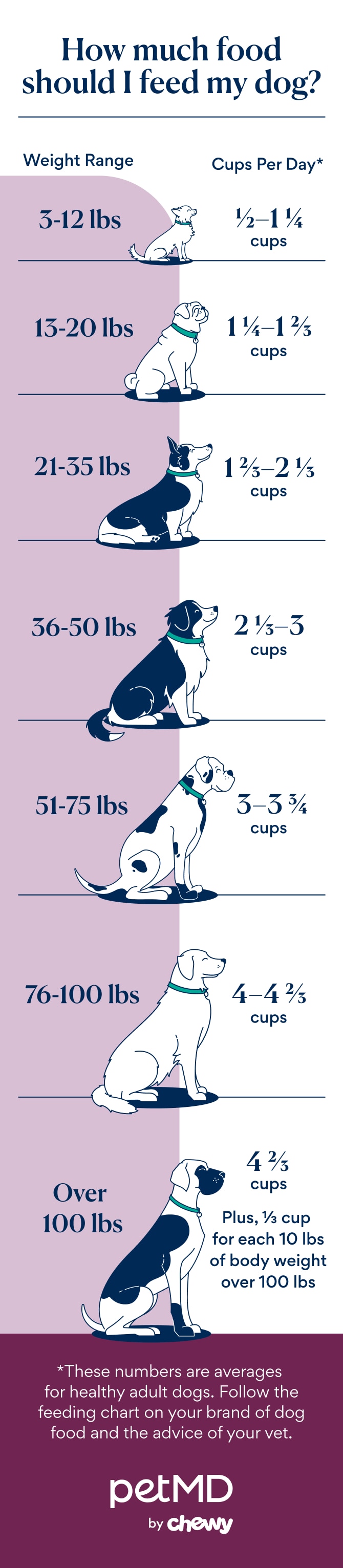
How Much Food Should I Feed My Dog?
The best starting point is your dog’s daily calorie needs, then adjust based on age, breed, weight, and lifestyle. Most dogs do well when their food is measured, not guessed, because “eyeballing it” often leads to extra calories over time.
From my experience helping dog owners compare feeding plans, the biggest mistake is assuming the bag label is exact for every dog. It is only a starting point. The right amount for how much food should I feed my dog changes with body size, metabolism, and how much exercise the dog gets each day.
A good feeding amount should help your dog stay:
- Lean but not skinny
- Energetic but not restless from hunger
- Able to keep a stable weight
- Comfortable after meals, not bloated or overly full
What Affects How Much Food Your Dog Needs?
Several things change how much food should I feed my dog, and each one matters more than people think. Two dogs can weigh the same and still need very different portions.
Age
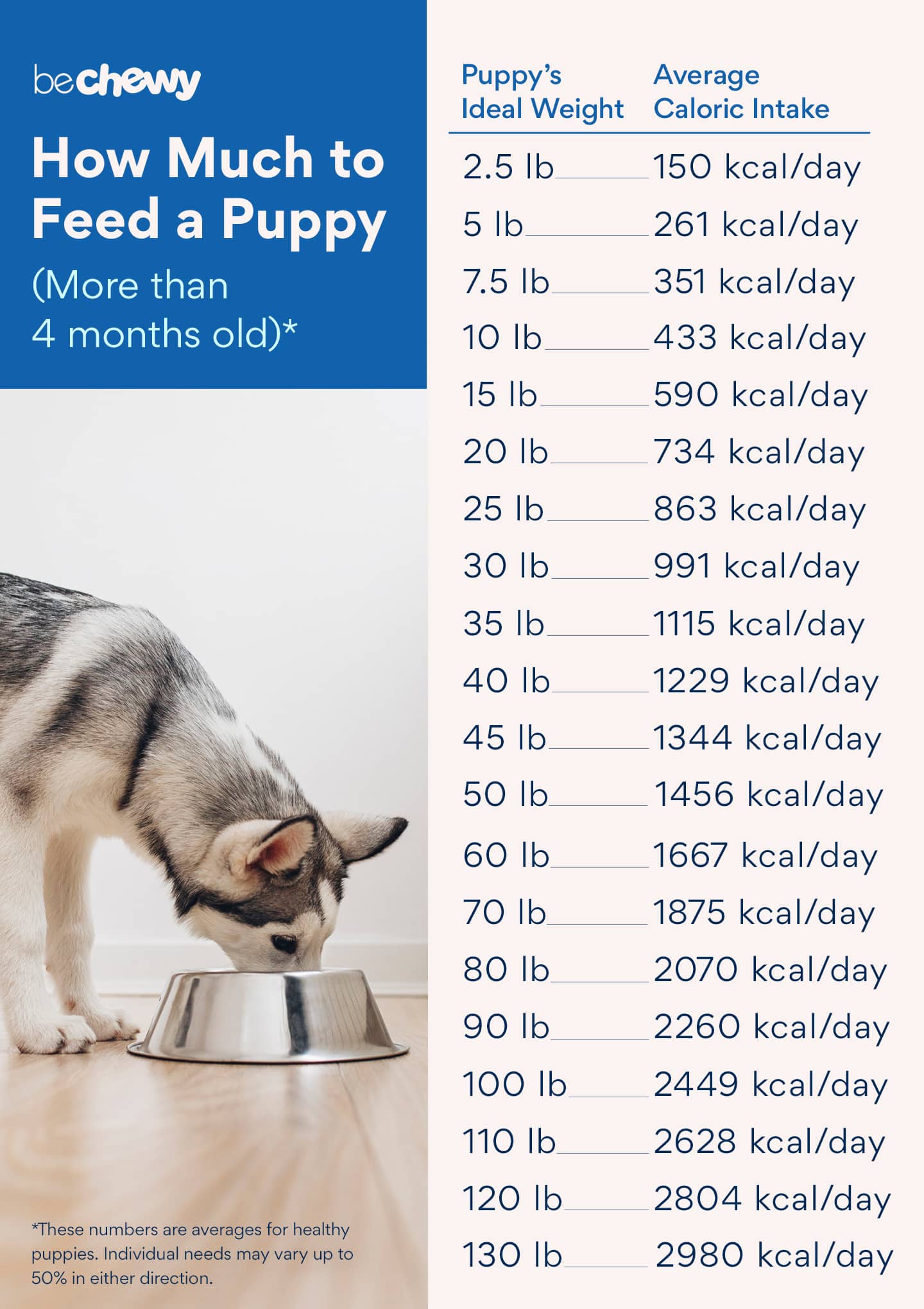
Puppies need more calories per pound than adult dogs because they are growing fast. Adult dogs need enough food to maintain health, while senior dogs often need fewer calories unless they are still very active.
Size and breed
Small dogs often have faster metabolisms, while large breeds need carefully controlled portions to avoid rapid growth or excess weight gain. Giant breeds need special attention because too much food too fast can stress their joints and bones.
Activity level
A dog that runs, hikes, works, or plays hard burns more energy than one that mostly naps. When I see owners feed an active dog the same amount as a couch dog, weight changes usually follow within weeks.
Body condition
The number on the scale is not enough by itself. A dog at a healthy weight should have a visible waist, a gentle tuck behind the ribs, and ribs that can be felt without pressing hard.
Food type and calorie density
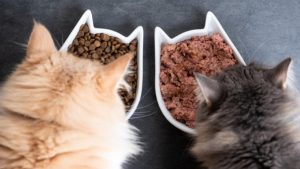
Dry food, wet food, raw diets, and fresh food all have different calorie counts. One cup of one kibble can have far more calories than one cup of another, which is why cup size alone can be misleading.
:max_bytes(150000):strip_icc()/puppy-feeding-schedule-2-d8f6749725de477eb32756329140a85b.png)
How to Calculate the Right Daily Amount
A simple feeding plan usually starts with calories, then turns into cups or cans. This is the most reliable way to answer how much food should I feed my dog without guessing.
Step 1: Find your dog’s ideal weight
Use your dog’s healthy target weight, not just the current weight if your dog is overweight or underweight. If you are unsure, your veterinarian can help estimate the right target.
Step 2: Estimate daily calories
A common starting point is:
- Adult neutered dogs: about 1.2 to 1.6 times resting energy needs
- Adult intact dogs: about 1.4 to 1.8 times resting energy needs
- Puppies: often much higher, depending on age and growth stage
- Senior dogs: often lower, unless activity is still high
This is why the answer to how much food should I feed my dog is never one fixed number for every pet.
Step 3: Convert calories into food amount
Check the label on your dog food for calories per cup, can, or ounce. Then divide your dog’s daily calorie target by that number.
Example:
- If your dog needs 600 calories per day
- And the food has 400 calories per cup
- Then your dog needs about 1.5 cups per day
Step 4: Adjust after 2 to 4 weeks
Watch body weight, appetite, stool quality, and energy. If your dog gains weight, reduce the amount a little. If your dog loses weight or seems hungry all the time, increase it slowly.
Feeding Guidelines by Dog Life Stage
Your dog’s age changes how much food should I feed my dog and how often meals should happen.
Puppies
Puppies usually need 3 to 4 meals a day at first, then fewer meals as they grow. They need nutrient-rich puppy food designed for growth, not just smaller portions of adult food.
Helpful tips:
- Use food made for puppies
- Feed on a schedule
- Avoid free-feeding, which makes training and potty habits harder
- Watch growth rate, not just appetite
Adult dogs
Most adult dogs do best with 2 meals a day. This helps steady energy and makes it easier to measure how much food should I feed my dog each day.
Helpful tips:
- Keep portions consistent
- Use treats sparingly
- Recheck weight monthly
- Increase food only when activity increases
Senior dogs
Older dogs may need fewer calories, but some need more if they lose muscle or become more active again. Senior feeding should focus on body condition, digestion, and joint support.
Helpful tips:
- Watch for muscle loss
- Ask about digestibility
- Avoid overfeeding a slower dog
- Recheck food needs every few months
Dry Food, Wet Food, Raw Food, and Fresh Food: Why Portions Differ
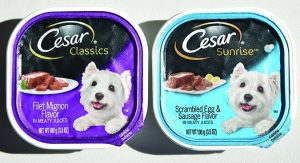
The question how much food should I feed my dog changes a lot depending on the diet type. A cup of kibble is not equal to a cup of canned food in calories or moisture.
Dry food
Dry food is convenient and easy to measure. But calorie levels vary a lot between brands, so always check the packaging.
Wet food
Wet food contains more water, so dogs may need a larger volume to meet calorie needs. It can be helpful for picky eaters or dogs who need more moisture in their diet.
Raw and fresh diets
These diets can be more calorie dense or less calorie dense depending on the recipe. They also need careful handling and balance, so they should be planned with expert guidance.
Signs You Are Feeding Too Much or Too Little
If you are unsure how much food should I feed my dog, your dog’s body will usually tell you.
Signs of overfeeding
- Weight gain
- Soft waistline
- Trouble feeling the ribs
- Low energy
- Gas or loose stools
- Heavy panting after mild activity
Signs of underfeeding
- Visible ribs or spine
- Constant hunger
- Low energy
- Dull coat
- Weight loss
- Muscle loss over time
A lesson I learned early is that some dogs act hungry even when they are eating enough. Hunger behavior is not always the same as true underfeeding, so body condition matters more than begging.

How Often Should You Feed Your Dog?
Meal frequency matters almost as much as how much food should I feed my dog. Most adult dogs do well with two meals a day, while puppies often need more frequent meals.
Common patterns:
- Puppies under 6 months: 3 to 4 meals daily
- Adult dogs: 2 meals daily
- Some small dogs: 3 meals may help prevent hunger spikes
- Dogs with medical issues: feeding frequency may need to be customized
Feeding at the same time each day can also help with digestion, potty routines, and training.
Treats, Table Scraps, and Hidden Calories
Treats are part of the picture when deciding how much food should I feed my dog. Many owners forget that snacks can quietly add a lot of calories.
- Keep treats to about 10 percent or less of daily calories
Smart treat tips:
- Use small treats
- Break larger treats into pieces
- Use part of your dog’s kibble as rewards
- Avoid fatty leftovers and seasoned foods
I have seen many healthy feeding plans go off track because of “just a few extras” during the day. Those extras count.
When to Change Your Dog’s Food Amount
You should recheck how much food should I feed my dog whenever your dog’s life changes. Feeding should not stay frozen forever.
Adjust portions if your dog:
- Gains or loses weight
- Becomes more or less active
- Is spayed or neutered
- Ages into a new life stage
- Recovers from illness or surgery
- Changes to a new food with a different calorie level
Even weather can matter. Some dogs burn more calories in winter, while others slow down in hot months.
Best Way to Monitor Your Dog’s Weight and Health
The scale helps, but it should not be the only tool. A full picture gives the best answer to how much food should I feed my dog.
Check these signs:
- You can feel ribs with light pressure
- Your dog has a waist when viewed from above
- The belly tucks up slightly from the side
- Coat looks healthy
- Energy stays steady
- Stool is formed and regular
If possible, weigh your dog every 2 to 4 weeks at home or at the vet. Small changes are easier to fix than big ones.
Common Feeding Mistakes to Avoid
A lot of feeding problems come from habits, not bad food choices.
Avoid these mistakes:
- Free-feeding all day
- Using the wrong cup size
- Feeding by guess instead of measuring
- Ignoring treats
- Switching foods too fast
- Assuming the bag chart fits every dog
- Feeding based only on appetite
One of the most common errors I have seen is feeding “for love.” It comes from a good place, but too much food can quietly shorten a dog’s healthy years.
Frequently Asked Questions
How much food should I feed my dog per day?
It depends on your dog’s weight, age, activity level, and the calories in the food. A healthy adult dog often needs a measured daily amount split into two meals, but the exact number should be based on body condition and the food label.
How do I know if I am feeding my dog enough?
Your dog should have steady energy, normal stools, and a healthy body shape. If ribs are easy to feel but not sharp, and your dog is not losing weight, the amount is often on track.
Is it better to feed my dog once or twice a day?
Twice a day is best for most adult dogs because it supports digestion and stable energy. Puppies usually need more frequent meals, while some dogs with medical needs may need a different schedule.
Can I just follow the feeding chart on the dog food bag?
You can use it as a starting point, but not as a final rule. Feeding charts are general estimates, and your dog may need more or less depending on metabolism and activity.
Should I change how much food I feed my dog when they get older?
Yes, often you should. Senior dogs may need fewer calories if they slow down, but some need a different amount if they lose muscle or stay active.
Conclusion
Knowing how much food should I feed my dog is really about balance, not guesswork. Start with your dog’s size, age, activity level, and food calories, then adjust based on body condition, energy, and weight changes.
If you measure food, watch your dog’s shape, and make small changes when needed, you will be far ahead of most pet owners. Take a few minutes this week to check your dog’s portions, and if you are unsure, talk with your vet about the right feeding plan.