No, garlic in dog food does not reliably kill fleas and can be unsafe for dogs.
If you have ever heard that garlic can drive fleas away, you are not alone. It is one of those old pet-care ideas that keeps coming back, especially when people want a natural fix. But when you look closely at how garlic in dog food works, what the research says, and what vets recommend, the answer is much more complicated than a simple yes or no.
What garlic is supposed to do for fleas
Garlic has a strong smell and contains sulfur compounds that change as it is digested. Some people believe those compounds make a dog less appealing to fleas. The idea is that fleas will avoid the dog because the skin or breath smell changes after garlic is eaten.
That theory sounds neat, but real-world flea control is not that simple. Fleas are stubborn, fast-breeding pests, and they do not usually back off because a dog ate a small amount of garlic. In my experience writing about pet health, this is one of the biggest gaps between folk wisdom and actual parasite control.
Does garlic in dog food kill fleas?
The short answer is no, garlic in dog food does not kill fleas in a dependable or proven way. At best, some people hope it may make a dog slightly less attractive to fleas, but there is no strong evidence that it works well enough to treat or prevent an infestation.
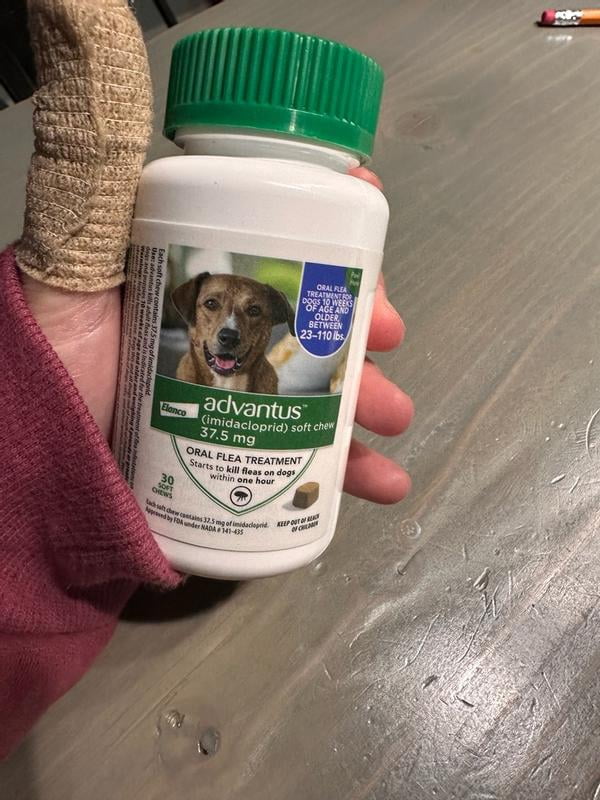
Fleas are killed by products designed for that job, such as veterinary flea preventives, oral medications, spot-on treatments, and environment control. Garlic is not considered a reliable flea killer, and using it as your only defense can let a flea problem grow fast.
Why the garlic flea myth became so popular
A few things helped this idea spread.
• Garlic is natural, so it feels safer than chemical flea products.
• The smell is strong, which makes people think it must affect pests.
• Some dog owners try it and see no fleas for a while, then assume garlic did the work.
The problem is that flea numbers rise and fall for many reasons. Weather, grooming, bedding, vacuuming, and regular preventives all matter. It is very easy to give garlic credit for a result it did not actually cause.
What the science says about garlic and fleas
There is no solid scientific proof that garlic in dog food kills fleas. Veterinary experts and poison control resources generally do not recommend garlic as a flea treatment because the risk outweighs the possible benefit.
Research on garlic in pets has focused more on safety than flea control. Garlic can damage red blood cells in dogs, especially if the dose is high or repeated. That means the topic is not just “does it work,” but also “is it safe enough to try.”
Why garlic can be risky for dogs
Garlic belongs to the Allium family, which also includes onions, chives, and leeks. These foods can cause oxidative damage to red blood cells in dogs and may lead to hemolytic anemia.
Possible signs of garlic toxicity can include:
• Weakness
• Vomiting
• Diarrhea
• Pale gums
• Fast breathing
• Lethargy
• Dark urine
Smaller dogs, puppies, and dogs with health issues may be more vulnerable. A tiny amount may not harm every dog, but repeated use or a large dose can create real danger. That is why many vets say to avoid using garlic as a flea remedy.
Can a tiny amount of garlic ever be helpful?
Some pet owners use very small amounts and claim they see fewer fleas. I have heard these stories many times, and I understand why people want a simple home fix. But anecdotal success is not the same as proof.
There are two big problems here:
• The dose is hard to control.
• Even small amounts can be unsafe for some dogs over time.
So while people may believe garlic in dog food kills fleas, the more accurate view is that it is unproven and potentially risky. If you are trying to protect your dog, it is better to use something tested, predictable, and dose-controlled.
Better ways to get rid of fleas on dogs
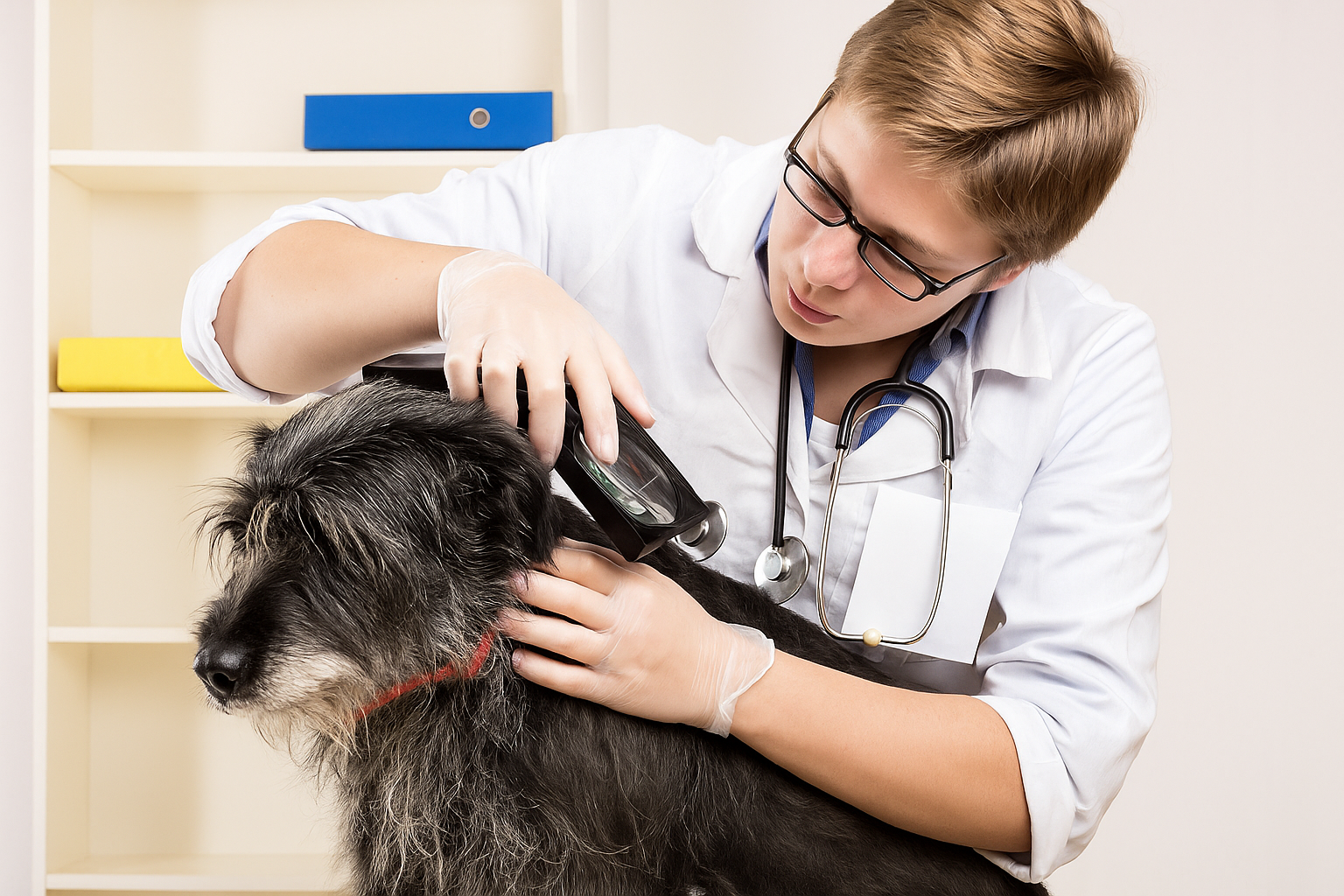
If your goal is real flea control, use a full plan. Fleas live not just on the dog, but also in carpets, bedding, furniture, and yard spaces.
Here are the most effective steps:
• Use a vet-approved flea preventive regularly.
• Treat all pets in the home if your vet says to.
• Wash bedding in hot water.
• Vacuum floors, rugs, and furniture often.
• Empty the vacuum immediately.
• Clean cracks and pet resting areas.
• Ask your vet if your home needs environmental treatment.
This is the part many people miss: fleas are an environment problem as much as a pet problem. Killing adult fleas on the dog is only one piece of the puzzle.
Natural flea options that are safer than garlic
If you prefer a more natural approach, talk with your vet before trying anything new. Some options are safer than garlic, though many are still best used as support, not as the main treatment.
Examples include:
• Frequent bathing with a dog-safe flea shampoo
• Flea combing
• Regular vacuuming
• Washing pet bedding
• Diatomaceous earth used carefully in the home, not on the dog unless directed by a vet
• Veterinary guidance on essential oil products, since many are unsafe for dogs
A good rule I follow in pet health writing is simple: natural does not automatically mean gentle, and gentle does not automatically mean effective. Safety and proof matter more than trendiness.
What to do if your dog already ate garlic
If your dog ate garlic in food or grabbed garlic by accident, do not panic, but do act quickly. The right response depends on how much was eaten, your dog’s size, and whether symptoms are showing.
Do this:
• Call your veterinarian right away.
• Contact a pet poison helpline if advised in your area.
• Watch for vomiting, weakness, pale gums, or dark urine.
• Do not give more garlic to “counteract” anything.
If your dog ate a large amount, treat it as urgent. Garlic toxicity can sometimes show up later, so even if your dog seems fine at first, a vet may still want to monitor them.
How to spot a flea problem early
The earlier you catch fleas, the easier they are to control. A few fleas can turn into a huge problem fast because of their life cycle.
Watch for:
• Excessive scratching
• Chewing at the skin
• Hair loss
• Flea dirt, which looks like black pepper
• Restlessness
• Red, irritated skin
You can test flea dirt by putting it on a damp paper towel. If it turns reddish-brown, that often means digested blood. That little clue can help you confirm fleas before the problem gets bigger.
Garlic in dog food kill fleas: the real takeaway
When people ask, “Does garlic in dog food kill fleas?” they usually want an easy, natural fix. I get that. Nobody wants to overcomplicate pet care, and flea outbreaks can be exhausting.
But the honest answer is that garlic in dog food does not reliably kill fleas, and it may put your dog at risk. If you want results, use proven flea prevention and environmental cleanup instead of guessing with garlic.
Frequently Asked Questions of Does garlic in dog food kill fleas
Can garlic in dog food repel fleas?
Garlic may be rumored to repel fleas, but there is no strong proof that it works consistently. Any possible effect is unreliable, and it should not replace flea preventives.
Is garlic safe for dogs in small amounts?
Small amounts may not harm every dog, but garlic can still be risky, especially with repeated use. Dogs vary a lot in sensitivity, so it is best to avoid using garlic as a health remedy unless your vet approves it.
What kills fleas on dogs fastest?
Veterinary flea preventives usually work fastest and most reliably. Your vet can help you choose an oral, topical, or collar-based option based on your dog’s age, weight, and health.
How long does it take to get rid of fleas completely?
It can take several weeks to fully break the flea life cycle. That is because eggs, larvae, pupae, and adult fleas all have to be addressed, not just the fleas you see on your dog.
What should I do instead of using garlic for fleas?
Use a vet-approved flea treatment and clean your home carefully. Vacuuming, washing bedding, and treating all pets in the house are key parts of real flea control.
Conclusion
Garlic in dog food is not a dependable flea killer, and the safety concerns are real. The best way to protect your dog is to use proven flea control, stay consistent with prevention, and treat the home as well as the pet.
If you are dealing with fleas now, do not rely on old myths when better options exist. Talk to your vet, choose a safe treatment plan, and take action early so the problem does not spread.