Most dogs do not need wet food, but it can support hydration, appetite, and special dietary needs.
Do dogs need wet food? The answer depends on your dog’s health, age, teeth, eating habits, and daily diet. Wet food can be a safe and useful choice, but a complete and balanced dry food can meet many dogs’ needs too. This guide explains the benefits, limits, feeding tips, and signs that wet food may be right for your companion.

Do dogs need wet food every day?
No, most healthy dogs do not need wet food every day. Dogs can thrive on dry food, wet food, or a mix of both when the diet is complete and balanced for their life stage.
Wet food is not automatically healthier than kibble. The best choice depends on your dog’s needs and the food’s nutrition label. Look for a statement showing that the food meets standards set by the Association of American Feed Control Officials, or AAFCO.
A complete diet should provide the right balance of:
• Protein
• Fat
• Carbohydrates
• Vitamins
• Minerals
• Essential fatty acids
Water is also vital. Dry food often contains about 10% moisture, while canned wet food may contain about 75% moisture. This makes wet food a useful way to add water to a dog’s diet, but it does not replace a clean bowl of fresh drinking water.
Do dogs need wet food if they already eat a balanced kibble? Usually, no. Wet food can be an option, a topper, or a helpful tool, rather than a requirement.
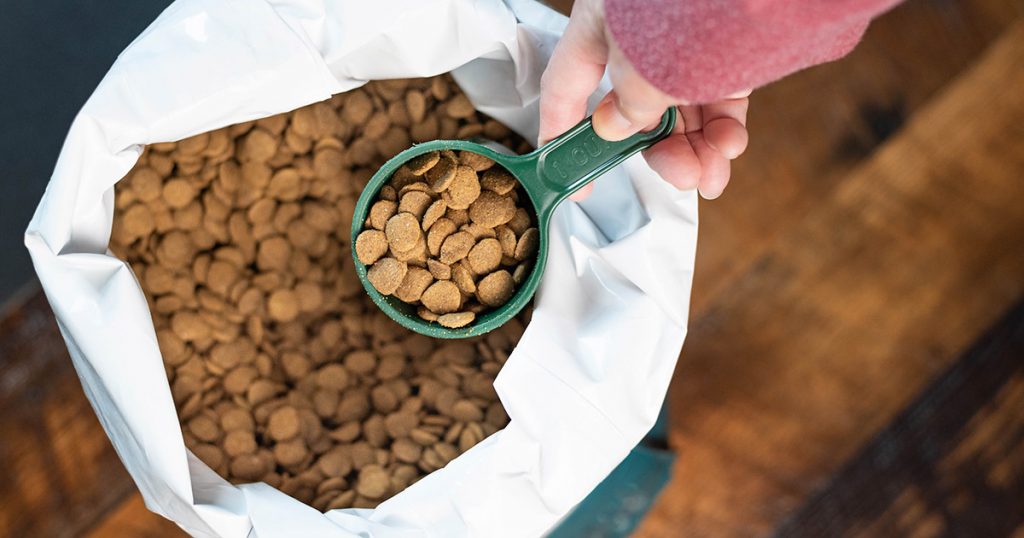
Benefits of wet food for dogs
Wet food has several benefits. These benefits can make it a good choice for some dogs, especially those with low appetite or dental problems.
More moisture
The high water content in wet dog food may help dogs take in more fluid. This can be useful for dogs that rarely drink from their water bowl.
Extra moisture may also support dogs with certain health needs. However, dogs with kidney disease, urinary issues, heart disease, or other medical conditions need a diet chosen with veterinary guidance.
Stronger smell and flavor
Wet food often has a stronger aroma than dry food. This may encourage picky eaters, older dogs, or dogs recovering from illness to eat.
A warm smell can act like a dinner bell. Slightly warming wet food may make it more appealing, but never serve it hot. Always check the temperature before feeding.
Easier to chew
Soft food can be easier for dogs with:
• Missing teeth
• Sore gums
• Dental pain
• Jaw problems
• Trouble chewing hard kibble
Wet food does not treat dental disease. In fact, soft food may not provide the mild scraping effect that some dry dental diets offer. A dog with bad breath, bleeding gums, loose teeth, or trouble eating needs a veterinary dental exam.
Helpful for weight control
Wet food contains more water by weight than kibble. As a result, a dog may receive a larger portion with fewer calories per gram.
Still, calories matter most. Some wet foods are rich in fat, so check the calorie content on the label. Your veterinarian can help set a safe weight loss plan.
Useful for mixing medicine
some dogs take medicine more easily when it is hidden in a small amount of wet food. Ask your veterinarian first, since some medicines must be given on an empty stomach or cannot be mixed with food.
Never hide pills in a large meal unless you know your dog will finish the full serving. Otherwise, your dog may receive only part of the dose.

Drawbacks of wet dog food
Wet food can be helpful, but it is not perfect for every dog or family.
It costs more
Canned food often costs more per calorie than dry food. Large dogs may need several cans or trays each day, which can raise the monthly food bill.
A mixed feeding plan may lower the cost while still adding moisture and flavor. Measure both foods carefully so the combined calories do not exceed your dog’s needs.
It spoils faster
Once opened, wet food should be covered and stored in the refrigerator. Most opened cans should be used within a few days. Follow the product label and throw food away if it smells sour, looks unusual, or has been left out too long.
Food left in a bowl can attract insects and bacteria. Pick up uneaten wet food after a short period, especially in a warm room.
It can cause stomach upset
A sudden switch from kibble to wet food may lead to:
• Loose stool
• Gas
• Vomiting
• Reduced appetite
Change foods slowly over about seven days. Start with a small amount of the new food mixed into the old food, then increase it step by step.
It may add too many calories
Wet food, kibble, treats, chews, and table scraps all count. A dog can gain weight when owners add wet food without reducing the dry food portion.
Extra weight can raise the risk of joint strain, diabetes, breathing problems, and other health issues. Use a measuring cup or kitchen scale instead of guessing.
It may not support dental health
Most ordinary kibble does not clean teeth as well as many people think. Wet food is not the cause of dental disease, but it also does not replace brushing or professional dental care.
Daily tooth brushing with dog-safe toothpaste is the most useful home habit. Never use human toothpaste, since some products contain ingredients that can harm dogs.

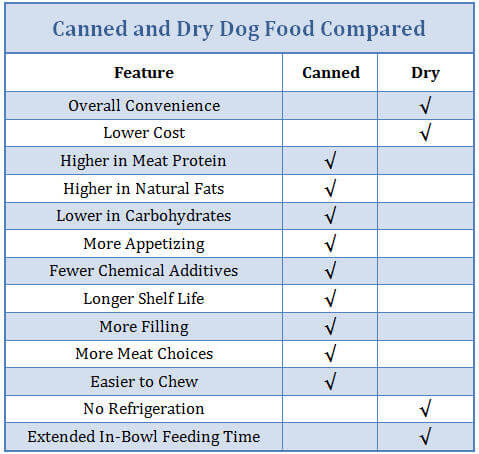
Wet food versus dry food for dogs
The choice between wet and dry dog food is not a simple contest. Both types can be healthy when they are complete, balanced, fresh, and suited to the dog.
| Feature | Wet food | Dry food |
|---|---|---|
| Moisture | Usually high | Usually low |
| Storage | Needs refrigeration after opening | Easy to store |
| Cost | Often higher | Often lower |
| Appetite appeal | Often strong | Varies |
| Portion control | Requires label checks | Usually simple to measure |
| Dental effect | Soft texture | Limited unless specially designed |
| Convenience | Less convenient after opening | Very convenient |
Dry food is easy to measure and store. It can also work well in food puzzles and automatic feeders. Wet food offers more moisture and may be better for dogs that struggle to chew or refuse dry meals.
Do dogs need wet food instead of dry food? Not usually. A dog can do well on either one, or on a combination of both.
The most important factors are:
• Nutritional completeness
• Suitable calories
• Appropriate ingredients for the dog
• Safe storage
• Good appetite and digestion
• Veterinary advice when health problems exist
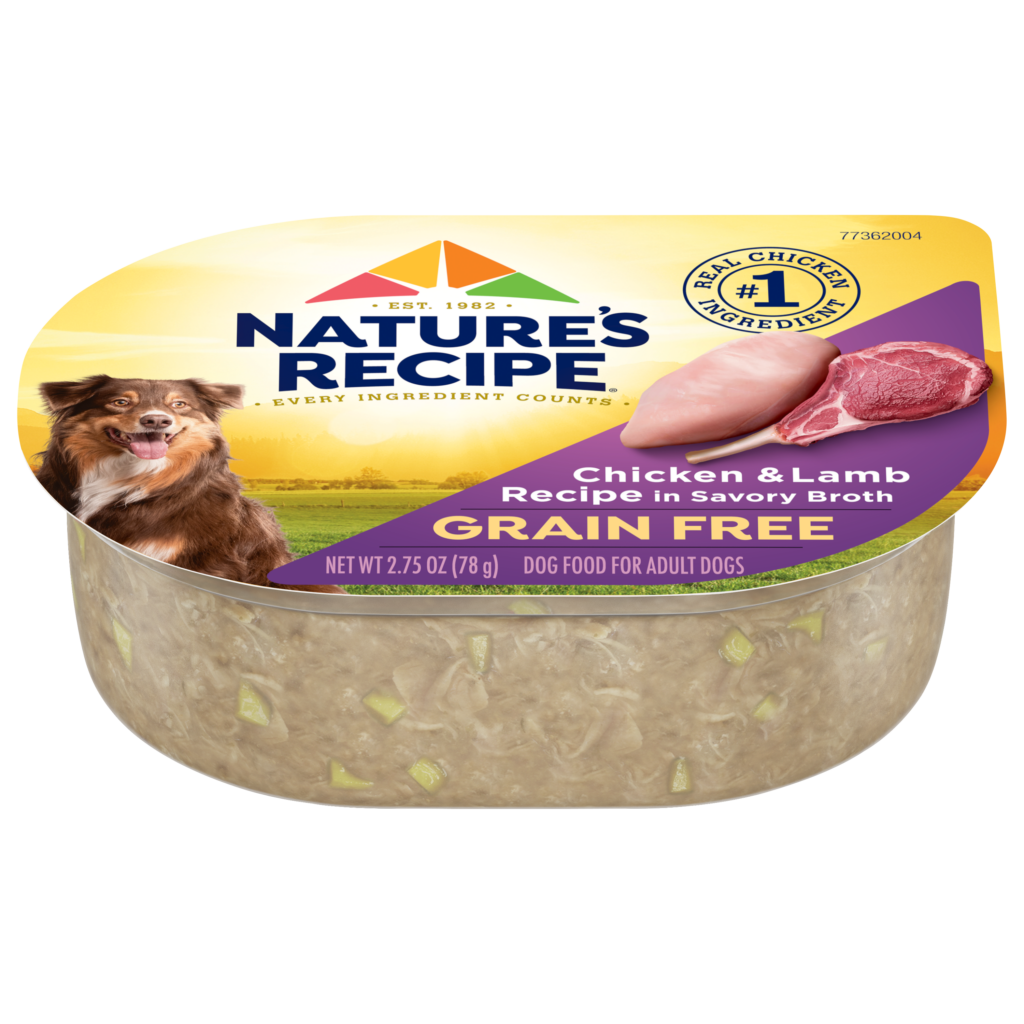
When wet food may be a good choice
Some dogs may benefit from wet food more than others. It may be worth discussing with a veterinarian if your dog:
Has poor appetite
Wet food can tempt a dog that is eating less than usual. But a sudden loss of appetite can signal pain, infection, dental disease, stomach trouble, or another serious problem.
Do not cover up a lasting appetite change with tastier food. Contact a veterinarian if your dog refuses food, vomits, seems weak, or shows other signs of illness.
Has dental pain
Soft food may be easier to eat when chewing hurts. Still, the cause of the pain needs treatment. A dog that drops food, chews on one side, or paws at the mouth should be checked.
Is a puppy
Puppies need food made for growth. Wet puppy food can work well, but the label should say it is complete and balanced for growth or all life stages.
Large breed puppies need special nutrition to support steady growth. Ask your veterinarian before adding supplements or switching diets.
Is a senior dog
Older dogs may have less appetite, fewer teeth, or a weaker sense of smell. Wet food can make meals easier and more appealing.
Age alone does not mean a dog needs wet food. Senior dogs still need a diet that fits their weight, activity, and medical needs.
Needs more fluid
Some dogs drink poorly. Wet food may increase daily moisture intake, but dogs with urinary or kidney conditions need individualized advice.
Never use wet food to manage a diagnosed disease without speaking with the veterinary team. Prescription diets have specific nutrient targets that ordinary canned food may not meet.
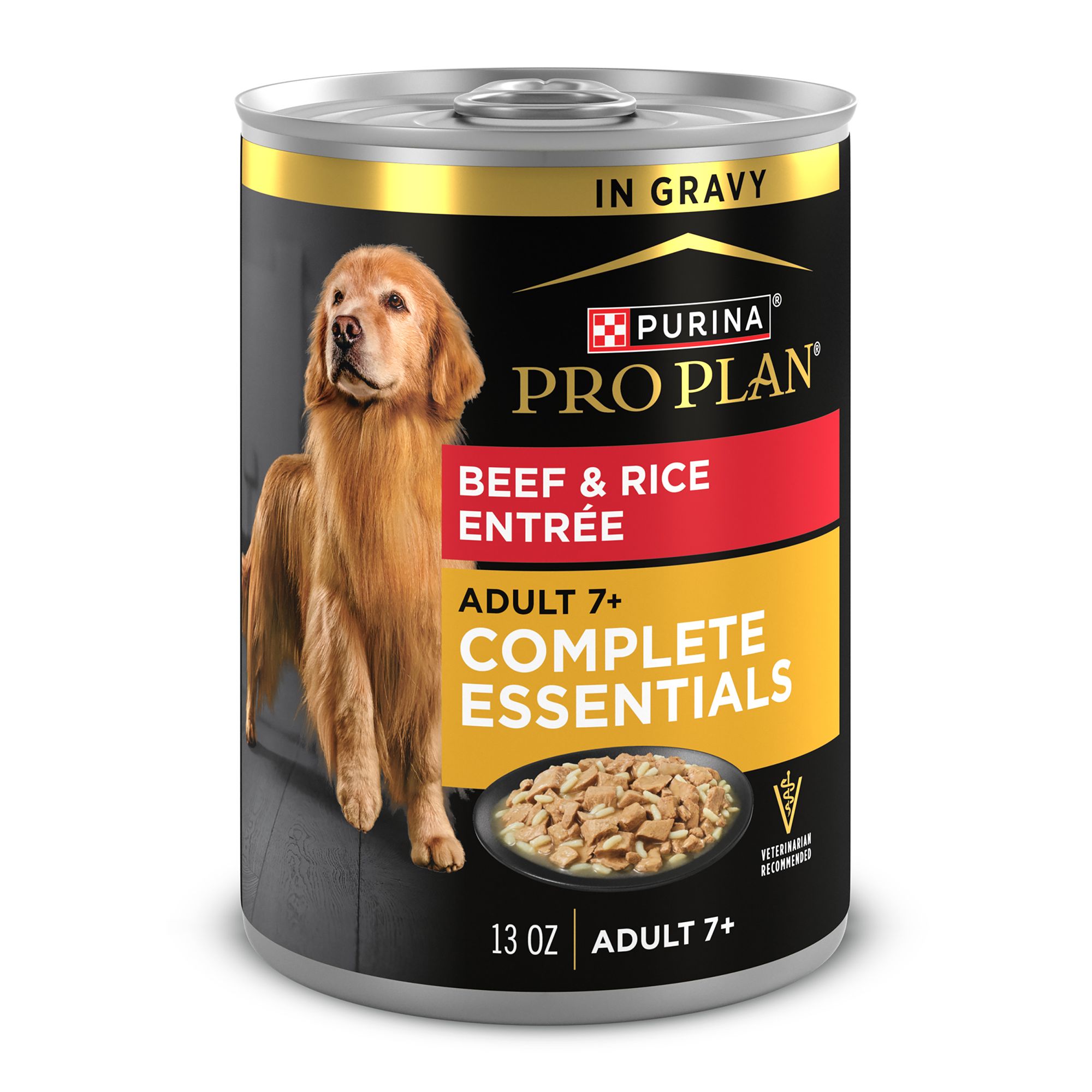
How to choose healthy wet food
Choosing wet food starts with the label, not the front of the package. Words such as “natural,” “premium,” or “holistic” do not prove that a food is nutritionally complete.
Use these steps:
Check the AAFCO nutritional statement. Choose food that is complete and balanced for your dog’s life stage.
Check the calorie content. The label may list calories per can, tray, ounce, or gram.
Match the food to your dog. Puppy, adult, senior, weight control, and therapeutic diets have different needs.
Review the feeding guide. Treat it as a starting point, not a fixed rule.
Inspect the package. Do not use cans that are swollen, leaking, rusty, or badly damaged.
Choose a trusted manufacturer. Look for clear contact details and quality control information.
Introduce the food slowly. A gradual change can reduce digestive upset.
Ingredients matter, but they should not be judged alone. A food with a long ingredient list is not always better. Nutrition depends on the full recipe, nutrient levels, safety testing, and quality control.
Grain-free food is not automatically healthier. Unless your veterinarian identifies a true need, there is usually no reason to avoid grains. Food allergies in dogs are uncommon compared with flea allergy and environmental allergy, and they require careful diagnosis.
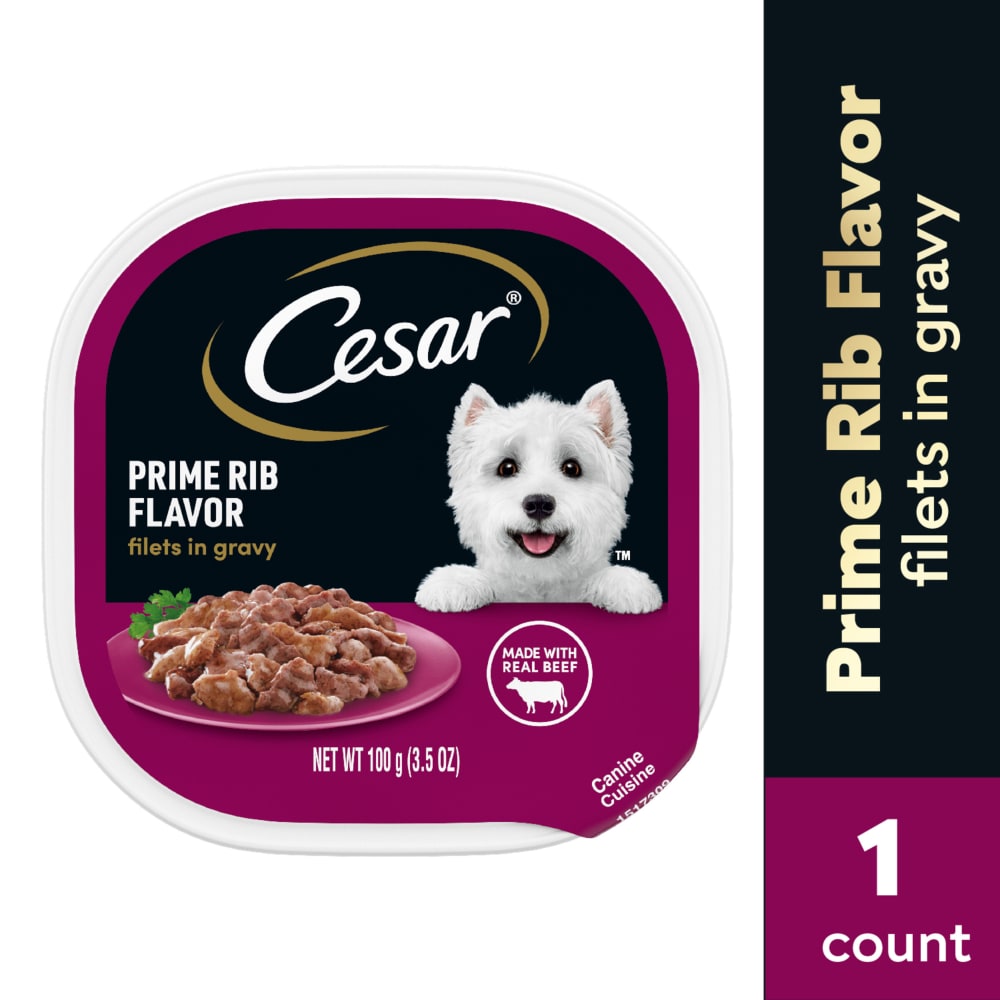
How much wet food should a dog eat?
The correct amount depends on body weight, age, activity, health, and the food’s calorie level. A small can of one recipe may contain far fewer calories than a small can of another recipe.
Start with the feeding guide on the package. Then monitor your dog’s body condition. You should be able to feel the ribs without pressing hard, while the waist should be visible from above.
When combining wet and dry food, reduce the dry food to account for the wet food calories. For example, do not add a full can to the usual kibble serving unless the label or your veterinarian supports that plan.
A simple feeding routine can help:
• Measure food at each meal
• Feed at regular times
• Limit table scraps
• Count treats as part of daily calories
• Weigh your dog on a regular schedule
• Adjust portions if body condition changes
Dogs vary widely. Two dogs of the same weight may need different calorie amounts because of age, breed, muscle mass, activity, or health. Your veterinarian can give a more precise target.
Can dogs eat only wet food?
Yes, many dogs can eat only wet food if it is complete and balanced for their life stage. They do not need dry food simply to stay healthy.
However, an all-wet diet may cost more and can be harder to manage for large dogs. It also requires careful storage and portion control.
Dental care remains important. Dogs eating only wet food still need tooth brushing, dental checks, and safe dental care recommended by a veterinarian.
Do dogs need wet food for hydration if they eat only canned meals? Wet food adds water, but fresh drinking water should always remain available.
:strip_icc()/dog-beagle-eating-canned-food-from-bowl-in-bright-interior--1264635108-bf53e7e2154a4965a6703c7e1acb9c87.jpg)
Can dogs eat a mix of wet and dry food?
Yes, mixed feeding is safe for many dogs. It can combine the convenience of kibble with the moisture and flavor of wet food.
The key is calorie control. Read the feeding directions for both products, then adjust each portion so the total daily calories fit your dog’s needs.
A mixed diet may help dogs that are picky, older, or bored with one texture. Introduce the change slowly and watch for loose stool, itching, vomiting, or reduced appetite.
A practical lesson I often share with dog owners is to change one thing at a time. If you switch food, add new treats, and start a supplement on the same day, it becomes hard to know what caused a reaction.
Common mistakes to avoid
Even caring owners can make feeding errors. Avoid these common problems:
• Treating wet food as automatically healthier
• Adding wet food without reducing kibble
• Making a sudden diet change
• Leaving opened food at room temperature
• Feeding food that is not complete and balanced
• Ignoring a sudden appetite change
• Using human leftovers as a regular meal
• Giving supplements without veterinary advice
• Assuming dry food prevents dental disease
• Choosing food based only on marketing words
Watch your dog, not just the label. A good diet should support steady energy, healthy stool, a stable weight, a clean coat, and a comfortable appetite.
Contact a veterinarian if your dog has repeated vomiting, ongoing diarrhea, blood in the stool, major weight change, trouble swallowing, or no appetite. Puppies, seniors, and dogs with chronic illness may need faster care.
Frequently Asked Questions About Do Dogs Need Wet Food
Do dogs need wet food to stay healthy?
No. Dogs can stay healthy on complete and balanced dry food, wet food, or a properly planned combination. The food should match the dog’s life stage, calorie needs, and health status.
Is wet food better than dry food for dogs?
Wet food is not always better. It has more moisture and may be easier to eat, while dry food is often cheaper and easier to store and measure.
Can wet food help a dog that does not drink much water?
Yes, wet food can add moisture to the diet. However, it should not replace fresh drinking water or veterinary care for a dog with signs of dehydration or urinary problems.
Can puppies eat wet dog food?
Yes, puppies can eat wet food made for growth or all life stages. Check the nutritional statement and choose a formula designed to support the puppy’s size and development.
Can wet food cause diarrhea in dogs?
A sudden change, rich recipe, large portion, or food intolerance can cause diarrhea. Introduce wet food slowly and contact a veterinarian if diarrhea is severe, bloody, or lasts more than a short time.
How long can wet dog food sit out?
Follow the label, but wet food should not sit out for long, especially in a warm room. Refrigerate opened food and discard food that has been left out or looks and smells unusual.
Should senior dogs eat wet food?
Some senior dogs enjoy wet food because it is soft and has a strong smell. Senior dogs do not automatically need it, so the diet should depend on appetite, teeth, weight, and medical needs.
Conclusion
Do dogs need wet food? Most do not, but wet food can be a valuable option for dogs that need more moisture, a softer texture, stronger flavor, or extra appetite support. The right choice is a complete and balanced diet served in the correct amount.
Choose food based on your dog’s health and body condition, not on marketing alone. Introduce changes slowly, measure portions, store wet food safely, and ask your veterinarian for advice when illness or special dietary needs are involved.
Start by checking your dog’s current food label and daily portion. Then make a thoughtful choice that supports a healthy weight, good energy, and a happy mealtime. Share your dog’s feeding experience or explore more evidence-based pet nutrition guidance for your next step.