For most dogs in the United States, wet food is not automatically better than dry food. The best choice is a food that is complete and balanced for your dog’s life stage, fits their health needs, and is served in the right amount.
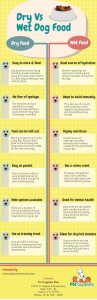
Wet dog food can help with water intake, appetite, and chewing comfort. Dry food is often easier to store, less costly per meal, and more useful for food puzzles. Some dogs do best with a mix of both.
The right answer depends on your dog—not the food’s texture alone.

Wet vs. dry dog food: What is the real difference?
Wet and dry dog foods can both provide proper nutrition. Their main differences are water content, texture, calorie density, cost, storage, and how easy they are to serve.
Most canned dog foods contain about 70% to 80% water. Dry kibble often contains about 8% to 12% water. This means a wet meal may look larger while providing fewer calories per ounce.
The most useful label check is the nutritional adequacy statement. In the United States, look for wording that says the food is “complete and balanced” for a specific life stage, such as growth, adult maintenance, or all life stages. The U.S. Food and Drug Administration explains that this statement means the food meets an established nutrient profile or passed a feeding test.
A food labeled for “intermittent or supplemental feeding only” should not make up your dog’s whole diet unless a veterinarian gives you a specific plan.
Quick comparison
| Factor | Wet food | Dry food |
|---|---|---|
| Water content | High | Low |
| Calorie density | Usually lower per ounce | Usually higher per ounce |
| Appetite appeal | Often high | Varies |
| Storage after opening | Must be chilled | Easy to store |
| Cost per calorie | Often higher | Often lower |
| Dental effect | Does not scrape teeth | Ordinary kibble does not reliably clean teeth |
| Portion control | Can be less obvious by volume | Often easy to measure |
| Use in food toys | Limited | Convenient |
These are broad patterns, not rules. Recipes vary widely. A calorie-dense wet food may provide more energy than a lower-calorie dry food, so compare calories rather than judging by cup size.

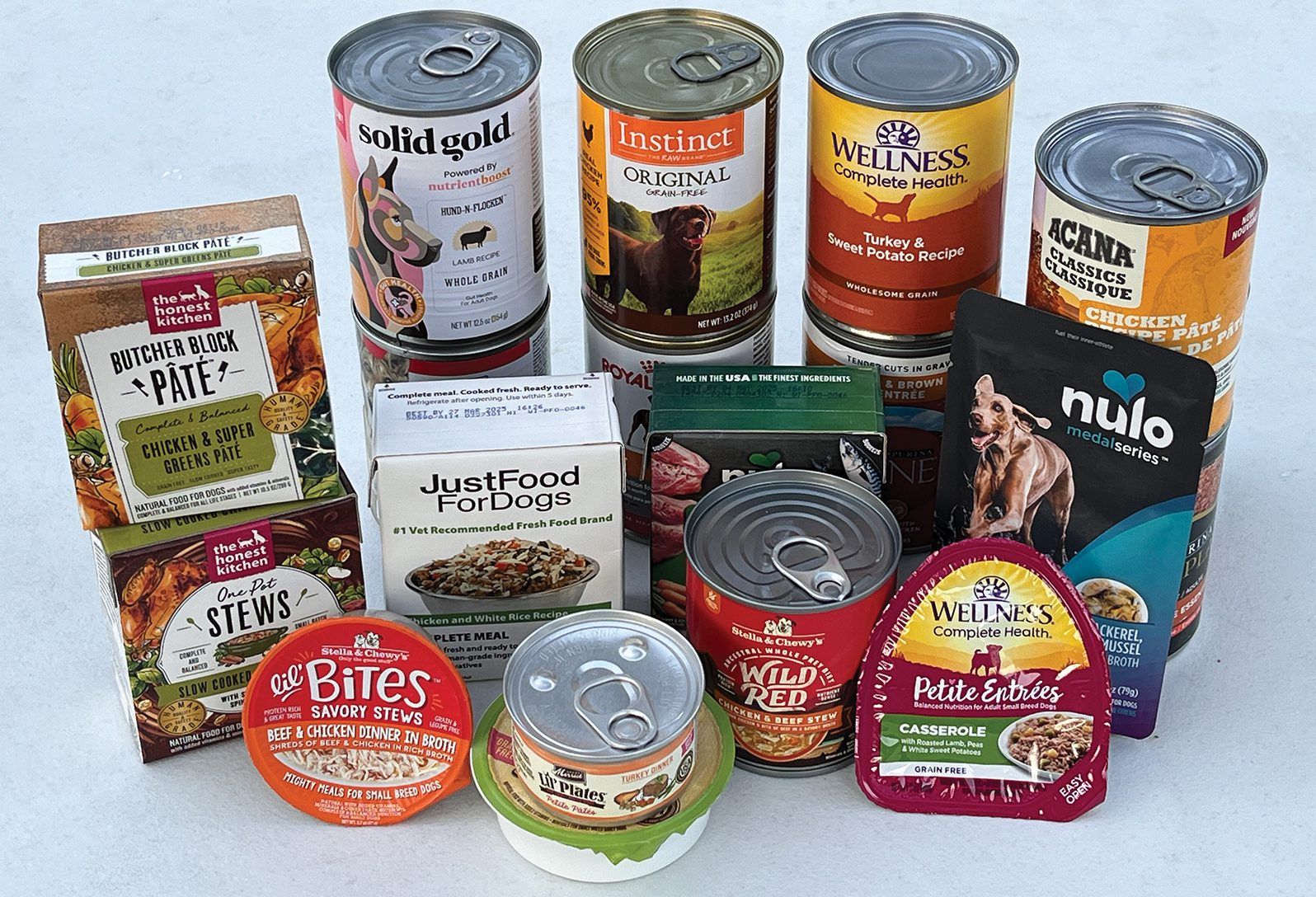
What are the benefits of wet food for dogs?
Wet dog food has several practical benefits. The strongest benefit for many dogs is its high water content, but it can also help dogs that struggle to chew or eat enough.
1. It adds water to the diet
Wet food can increase daily water intake because much of the meal is moisture. This may help dogs that drink very little on their own.
Extra water can be useful for dogs with some urinary or kidney concerns, but it is not a treatment by itself. A dog with kidney disease, bladder stones, diabetes, or another medical condition needs a feeding plan from a veterinarian. The correct diet depends on the diagnosis.
You can also add water to dry food. This may improve moisture intake without changing the main food, although moistened kibble should not sit out for long.
2. It may be easier to eat
Soft food can suit:
- Dogs with painful teeth or gums
- Dogs recovering from oral surgery
- Senior dogs with trouble chewing
- Dogs with weak jaws
- Dogs with a sore mouth or throat
A soft texture may make eating more comfortable, but it does not fix dental disease. Bad breath, bleeding gums, loose teeth, pawing at the mouth, or dropping food call for a veterinary exam.
3. It can help picky or sick dogs eat
Many wet foods have a strong smell and soft texture. These traits may encourage a dog to eat when dry food is less appealing.
This can matter during short periods of reduced appetite. Still, appetite loss can signal pain, nausea, infection, organ disease, or another problem. Call your veterinarian if your dog will not eat, vomits, has diarrhea, seems weak, or shows other signs of illness.
Do not use wet food to mask ongoing appetite loss.
4. It can support portion control in some dogs
Wet food often has fewer calories per gram than dry food because water takes up more space. This may help a dog feel that they received a full bowl while eating fewer calories.
The label still matters. Compare the food’s calories per can, pouch, or kilogram. Your dog’s needed amount depends on body size, age, activity, neuter status, and body condition.
5. It offers texture variety
Some dogs enjoy a change in texture. A rotation of safe, complete foods may make meals more enjoyable.
However, frequent food changes can upset the stomach. Change foods over about seven days unless a veterinarian gives different advice. Move slowly if your dog has a sensitive stomach.

What are the drawbacks of wet dog food?
Wet food is useful, but it also has limits. Cost, storage, dental care, and calorie mistakes are the main concerns.
It costs more for many households
Wet food often costs more per calorie than dry food. It also comes in cans, trays, or pouches that create more packaging waste.
A mixed-feeding plan can reduce cost. For example, you might use a measured amount of complete wet food as a topper and keep the rest of the meal as complete dry food. Count the calories from both.
It spoils faster after opening
Refrigerate unused wet food promptly. Keep it covered and follow the product label for how long it remains safe after opening. Discard food that has been left out for an extended period, especially in a warm room.
Wash bowls after meals. Wet residue can support bacterial growth and can attract insects.
It may make calorie errors easy
A can is not a standard serving size. Two cans of the same volume may have very different calorie counts.
Use the label’s calorie information. If the label says “kcal per can,” multiply that number by the number of cans served. If you mix food types, add the calories from every part of the meal.
Hypothetical example
- One wet can: 350 kcal
- Half a cup of dry food: 200 kcal
- Daily meal total: 550 kcal
If you add the wet food without reducing the dry food, your dog receives 350 extra calories. That can lead to weight gain over time.
Treats, chews, table scraps, and food used with medicine also add calories.
It does not replace dental care
Ordinary wet food does not clean plaque from teeth. Ordinary dry kibble is not a dependable substitute either. Many dogs need regular tooth brushing with pet-safe toothpaste.
Some dental diets have specific kibble designs and may have evidence for reducing plaque or tartar. Look for products accepted by the Veterinary Oral Health Council, or ask your veterinarian which option fits your dog.
Never use human toothpaste. Some products contain xylitol, which is dangerous to dogs.
It may be less useful for food puzzles
Dry food is easy to measure into treat toys and slow feeders. Wet food can work in some lick mats or frozen enrichment toys, but it may be messier and harder to portion.
The deciding trade-off is simple: wet food may help appetite and moisture intake, while dry food often wins on convenience and enrichment.

Is wet food healthier than dry food for dogs?
Neither form is healthier for every dog. The recipe, nutrient balance, calories, and fit with the dog matter more than wet versus dry.
A high-quality wet food can be complete and balanced. So can a dry food. A food’s ingredient list alone cannot tell you whether it meets all of a dog’s nutrient needs.
When comparing foods, check these points:
- Life stage: puppy, adult, senior, or all life stages.
- Nutritional adequacy: complete and balanced, unless used only as a supplement.
- Calories: listed per can, cup, pouch, or kilogram.
- Feeding directions: a starting point, not a fixed prescription.
- Special needs: weight control, allergies, kidney disease, urinary disease, or other conditions.
- Manufacturer information: clear contact details and feeding guidance.
The World Small Animal Veterinary Association recommends looking beyond marketing terms and choosing companies that can explain how they formulate, test, and control the quality of their foods. Terms such as “natural,” “premium,” or “human-grade” do not by themselves prove that a food is a better choice for your dog.
For a dog with a diagnosed condition, a veterinary therapeutic diet may be more important than the food’s texture. Ask your veterinarian before changing a prescribed diet.
Is wet food better for puppies, senior dogs, or small dogs?
Wet food can be helpful for some dogs at certain life stages, but it is not required simply because a dog is young, old, or small.
Puppies
Puppies need food made for growth or all life stages. Large-breed puppies may need a diet with controlled calcium and energy levels. The label should clearly support the puppy’s expected adult size when relevant.
Wet food can help a puppy that has trouble chewing, but it should still provide complete nutrition. Avoid feeding an adult-maintenance food as a puppy’s main diet.
Senior dogs
Older dogs may benefit from wet food if they have dental pain, reduced appetite, or trouble chewing. But “senior” foods are not regulated as one uniform nutrient category in the same way as life-stage claims.
A senior dog with weight loss, increased thirst, vomiting, or a sudden appetite change needs a veterinary check. Those signs should not be blamed on age alone.
Small dogs
Small dogs can eat wet food, dry food, or both. Because their daily calorie needs may be modest, small portion errors can matter.
Use a kitchen scale or a precise measuring tool when possible. A spoonful that seems small may be a large share of a toy dog’s daily calories.
Dogs with dental disease
Soft food may be easier to eat, but it is not a dental cure. A painful mouth can lead to food refusal even when a dog is hungry.
Your veterinarian may recommend an oral exam, dental cleaning, pain control, tooth removal, or a specific dental diet. The correct step depends on the mouth’s condition.

How to choose between wet, dry, or mixed feeding
Use your dog’s health, eating habits, and daily routine to guide the choice.
| Your dog’s situation | Often practical | What to check |
|---|---|---|
| Drinks very little | Wet or mixed feeding | Medical causes of low drinking |
| Has painful chewing | Soft wet food for now | Veterinary dental exam |
| Gains weight easily | Measured wet, dry, or mixed food | Calories and body condition |
| Eats too fast | Dry food in a slow feeder, or suitable wet enrichment | Choking risk and supervision |
| Has kidney or urinary disease | Vet-selected diet, often with moisture planning | Diagnosis and urine results |
| You travel or leave food out | Dry food may be easier | Safe storage and meal timing |
| Has a sensitive stomach | A consistent complete diet | Slow transitions |
| Has food allergies | A prescribed elimination diet may be needed | Ingredient cross-contact |
A simple decision process
Check the medical picture.
Ask whether your dog has dental pain, kidney disease, urinary disease, diabetes, obesity, food allergy, or another condition.Check the label.
Choose a food that is complete and balanced for your dog’s life stage.Compare calories.
Do not swap one cup of dry food for one can unless the calorie amounts match.Choose a routine you can maintain.
A good diet will not help if it is too costly, spoils before use, or is hard to measure.Watch body condition.
You should be able to feel the ribs under a thin layer of fat. Your dog should have a visible waist when viewed from above and an abdominal tuck from the side.Change food slowly.
Mix the old and new foods over about a week. Go more slowly if your dog has had digestive trouble.Recheck the result.
Track stool quality, appetite, weight, energy, and signs of discomfort. Adjust portions with your veterinarian if needed.

How much wet food should a dog eat?
The correct amount depends on calories, not simply on the number of cans.
Start with the feeding guide on the label. Then adjust based on your dog’s weight trend and body condition. Feeding guides are estimates. Individual dogs may need more or less.
Basic calorie comparison
Suppose your dog needs about 600 calories per day:
- Wet food provides 300 calories per can.
- The dog needs two cans per day.
- If you feed one can, the remaining 300 calories must come from another complete food or a planned supplement.
If half the daily calories come from wet food and half from dry food, calculate each portion separately. Do not use the full feeding guide for both foods.
Puppies, pregnant or nursing dogs, highly active dogs, and dogs with medical problems may need a more specific plan. A veterinarian can estimate energy needs and track body condition.
Watch for these signs of an incorrect amount
Your dog may be eating too much if you see:
- Gradual weight gain
- Loss of a visible waist
- Ribs that are hard to feel
- Reduced stamina
Your dog may be eating too little or may have an illness if you see:
- Weight loss
- Persistent hunger with weight loss
- Poor muscle tone
- Low energy
- Vomiting or diarrhea
- A major change in appetite
Contact your veterinarian for unexplained weight change or ongoing digestive signs.

Common mistakes when feeding wet dog food
Avoid these simple errors:
- Treating all canned food as a full diet: Some products are for supplemental feeding only.
- Ignoring calories: Can size does not equal serving size.
- Leaving food out too long: Wet food needs careful storage.
- Changing foods overnight: Sudden changes can cause loose stool.
- Using wet food to hide illness: Appetite loss can be a warning sign.
- Assuming wet food prevents dental disease: Soft food still requires dental care.
- Adding toppers without reducing the main meal: Extras can cause weight gain.
- Feeding a homemade diet without formulation help: Homemade recipes can lack key nutrients unless designed by a veterinary nutrition professional.
- Choosing by marketing alone: Ingredient buzzwords do not replace a complete-and-balanced statement and appropriate calories.
Frequently asked questions
Can dogs eat wet food every day?
Yes, if the food is complete and balanced for the dog’s life stage and the portions meet the dog’s calorie needs. A supplemental product should not replace the main diet.
Can wet food cause diarrhea in dogs?
It can if the food change is sudden, the dog eats too much, the recipe does not agree with the dog, or the food is spoiled. Transition gradually. Contact a veterinarian if diarrhea is severe, bloody, persistent, or paired with vomiting, weakness, or dehydration.
Is wet food better for dogs with kidney disease?
A veterinarian may recommend a kidney-support diet and may value higher moisture intake. But not every wet food is suitable for kidney disease. Ask your veterinarian before changing the diet.
Should I mix wet and dry dog food?
You can mix them if both foods fit your dog’s needs. Count the calories from each, reduce the dry portion when adding wet food, and introduce the change slowly.
Does wet food help dogs drink more water?
It adds water directly to the meal and may increase total water intake. It does not replace access to fresh water or a veterinary evaluation when drinking habits change.
Is wet food better for dogs with bad teeth?
Soft food may be easier for a dog with oral pain, but it does not treat dental disease. Schedule a veterinary oral exam if your dog has bad breath, bleeding gums, loose teeth, or trouble eating.

Key takeaways
- Wet food is not automatically better than dry food.
- Its main advantages are high moisture, soft texture, and strong appeal for many dogs.
- Dry food is often easier to store, measure, use in food toys, and buy at a lower cost per calorie.
- Ordinary wet food and ordinary kibble do not replace dental care.
- Choose a complete-and-balanced food made for your dog’s life stage.
- Compare calories when mixing foods or changing brands.
- Ask a veterinarian before changing diets for kidney disease, urinary disease, diabetes, allergies, dental pain, or unexplained appetite changes.
Final answer: Is wet food better for dogs?
Wet food is better for some dogs in specific situations, but it is not the best choice for every dog. It may be a smart option for dogs that need more moisture, have trouble chewing, or are reluctant to eat. Dry food may be more practical for owners who need easy storage, lower cost, measured portions, or food-puzzle use.
For many healthy dogs, a complete-and-balanced wet diet, dry diet, or measured combination can work well. Choose the format your dog tolerates, your veterinarian supports when needed, and your household can serve safely and consistently.