Wet food can be good for dogs. It may help with hydration, make meals more appealing, and support dogs with dental pain or low appetite. But it is not automatically better than dry food.
The best choice depends on your dog’s age, health, calorie needs, eating habits, and the food’s nutritional label. For most healthy dogs, both wet and dry food can work if the diet is complete and balanced for the dog’s life stage.
This guide explains the benefits and drawbacks of wet dog food, how to choose it in the United States, and how to serve it safely.
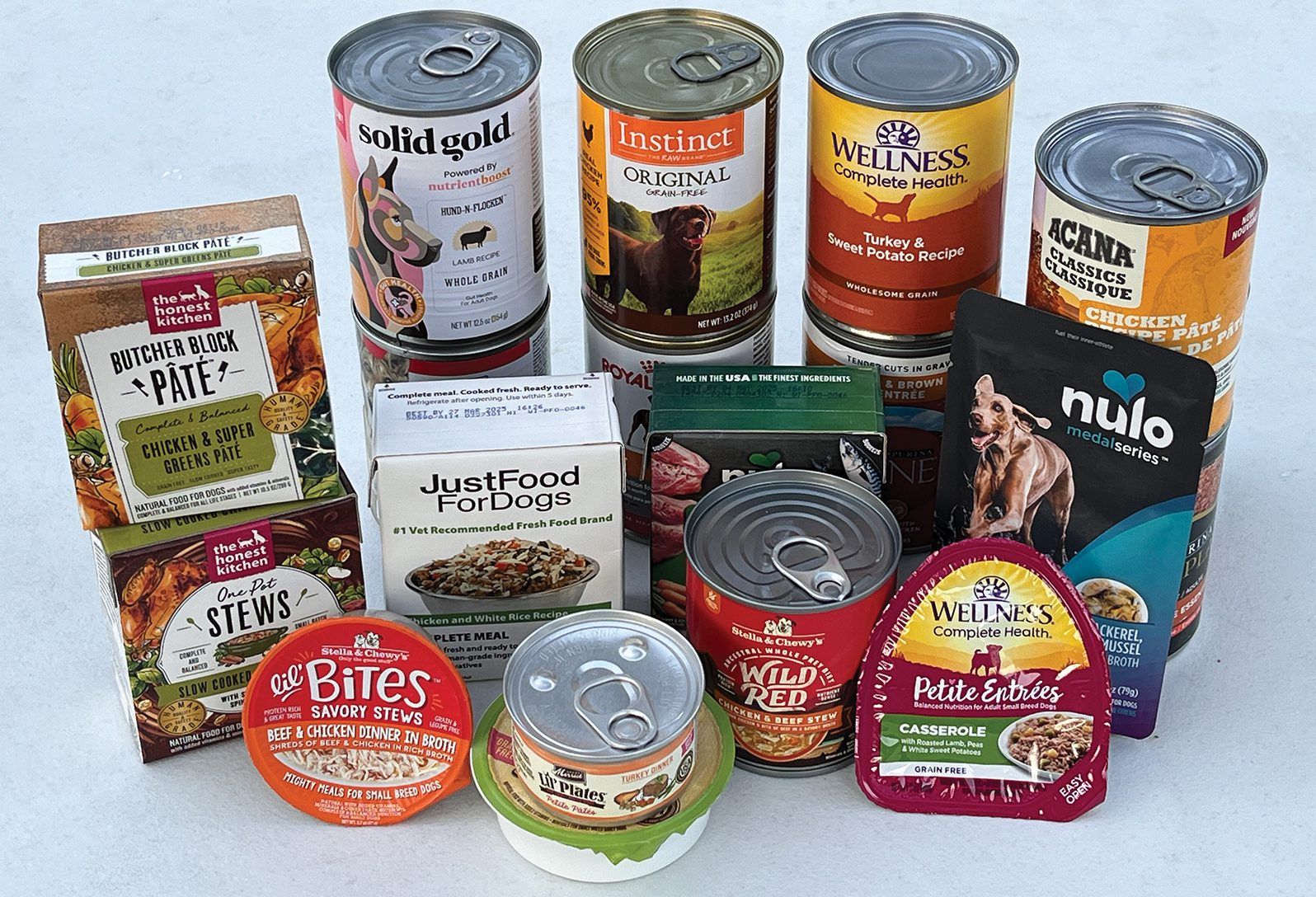
What Is Wet Dog Food?
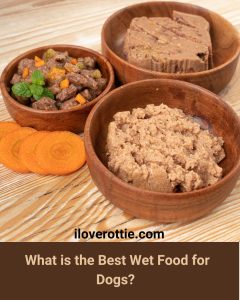
Wet dog food contains much more water than dry kibble. Most canned foods have about 70% to 85% moisture. They may come as pâté, chunks in gravy, stews, or soft loaf-style meals.
Wet food is sold in several forms:
- Cans
- Trays
- Pouches
- Refrigerated meals
- Fresh or gently cooked food
- Moist semi-soft food
The package may describe the food as a meal, entrée, stew, or dinner. These words do not always mean the food is suitable as a dog’s only diet.
Look for a nutritional statement from the Association of American Feed Control Officials, or AAFCO. A food labeled “complete and balanced” for your dog’s life stage is designed to provide all required nutrients when fed as directed.
A food labeled “intermittent or supplemental feeding only” is not meant to replace a full diet. It may be useful as a topper or treat, but it should not make up most of your dog’s meals unless your veterinarian gives different advice.

What Are the Benefits of Wet Food for Dogs?
Wet food offers several useful benefits, especially for dogs that need more water, have trouble chewing, or are hard to feed.
It provides more moisture
The main benefit of wet food is its water content. This can help increase a dog’s total fluid intake.
Extra moisture may be useful for:
- Dogs that do not drink much water
- Dogs with some urinary or kidney concerns
- Dogs recovering from illness
- Older dogs with reduced appetite
- Dogs that eat too quickly
- Dogs living in hot conditions
Wet food does not replace fresh drinking water. Keep clean water available at all times. Dogs with kidney disease, urinary disease, heart disease, or other medical needs should follow a veterinarian’s fluid plan.
It may be easier to eat
Soft food can help dogs with:
- Missing teeth
- Mouth pain
- Dental disease
- Jaw problems
- Weakness
- Reduced chewing ability
A dog with painful teeth may still seem hungry but avoid hard kibble. Soft food may make eating easier, but it does not treat dental disease. A veterinarian should check signs such as bad breath, loose teeth, bleeding gums, or trouble chewing.
It can improve appetite
Wet food often has a strong smell and soft texture. These traits may encourage a dog to eat.
It can help during short periods of poor appetite, such as after a stressful event or while recovering from illness. However, a sudden loss of appetite can signal a health problem. Contact a veterinarian if your dog refuses food, vomits, has diarrhea, seems weak, or shows other unusual signs.
It can help with portion control in some dogs
Wet food contains fewer calories per gram than dry kibble because it contains more water. This may allow a dog to eat a larger-looking portion for the same number of calories.
That does not mean all wet food is low in calories. Some canned foods are rich in fat. Check the calorie statement on the label rather than judging by volume alone.
It may support a mixed-feeding plan
Some owners feed both wet and dry food. This can offer texture variety and may make meals more enjoyable.
The key is to account for calories from both foods. Adding a full serving of wet food to a full serving of kibble can lead to weight gain.

What Are the Drawbacks of Wet Dog Food?
Wet food is useful, but it has limits. The most important concerns are cost, storage, calories, and dental care.
It usually costs more
Wet food contains more water and often comes in single-use containers. This can make it more expensive per calorie than dry food.
A large dog may need several cans or trays each day. Compare foods by calories, not by package size or price per can.
It spoils faster after opening
Once opened, wet food needs prompt refrigeration. The U.S. Food and Drug Administration advises storing unused canned or pouched pet food in the refrigerator and keeping the refrigerator at 40°F or below.
Use clean utensils and cover opened containers. Follow the product label for storage and discard guidance. When the label does not give a clear time, many veterinary nutrition sources recommend using refrigerated opened wet food within a few days.
Throw food away if it has:
- An unusual odor
- Mold
- A changed texture
- A swollen container
- Long exposure to room temperature
- Signs of contamination
Do not leave wet food in the bowl all day, especially in a warm room.
It does not clean teeth by itself
Wet food is not proven to clean a dog’s teeth simply because it is soft or hard. Dry kibble may reduce contact with the teeth in some cases, but ordinary kibble should not be treated as a substitute for dental care.
Daily tooth brushing with dog-safe toothpaste is the most effective home dental habit. Some dental diets and dental treats have specific evidence or accepted claims, but their use depends on the dog’s size, health, and chewing ability.
It may be easy to overfeed
Wet food can look like a large meal because of its water content. Some owners also add it on top of the normal kibble portion.
Use the calorie information on both packages. Reduce the amount of dry food when adding wet food.
Some foods are not complete diets
Many toppers, broths, mixers, and specialty products are intended only for supplemental feeding. They may lack the right balance of vitamins, minerals, protein, or other nutrients.
A food’s ingredient list alone cannot confirm that it is nutritionally complete. The nutritional adequacy statement is more useful for this decision.

Is Wet Food Better Than Dry Food?
Neither wet nor dry food is best for every dog. A complete and balanced diet in the correct amount matters more than the food’s form.
| Factor | Wet food | Dry food |
|---|---|---|
| Water content | High | Low |
| Storage after opening | Needs refrigeration | Easier to store |
| Smell and taste | Often stronger | Often milder |
| Chewing effort | Low | Higher, but not dental care |
| Cost per calorie | Often higher | Often lower |
| Portion size | Larger by volume | Smaller by volume |
| Feeding toys | Less convenient | Often easier to use |
| Appetite support | Often helpful | May be less appealing to some dogs |
Wet food may be a better fit for a dog with poor appetite, mouth pain, or low water intake. Dry food may be easier for households that need lower cost, simple storage, or food-dispensing toys.
A mixed diet can also work. The choice should fit the dog and the household well enough to maintain a healthy body weight and a steady feeding routine.

How Do You Choose a Healthy Wet Food?
Choose wet food by checking the label, the dog’s needs, and the feeding amount.
1. Check the AAFCO nutritional statement
Choose a food labeled complete and balanced for the correct life stage:
- Growth
- Adult maintenance
- All life stages
- Gestation and lactation, when relevant
Puppies need food made for growth. Large-breed puppies may need a diet with specific nutrient levels. Ask a veterinarian for guidance if you have a large-breed puppy or a dog with a medical condition.
2. Read the calorie statement
Look for calories per can, tray, pouch, or kilogram. The label may list calories as “kcal per can” or “kcal per cup.”
Feed based on calories, not only on the number of cans. Calorie needs vary with body size, age, activity, neuter status, and health.
For a mixed diet, use this simple calculation:
Calories from wet food + calories from dry food + calories from treats = daily calorie intake
For example, if a dog should receive about 800 calories per day and gets 80 calories from treats, about 720 calories remain for meals. If one can contains 360 calories, two cans would provide 720 calories.
This is a starting calculation, not a medical prescription. Adjustments may be needed based on body condition and veterinary advice.
3. Match the food to your dog’s life stage
A growing puppy, healthy adult, and senior dog do not always have the same nutrient needs.
Senior status alone does not guarantee that a dog needs a special diet. A healthy older dog may do well on an adult maintenance diet, while a dog with arthritis, kidney disease, or weight gain may need a specific veterinary plan.
4. Consider fat and protein carefully
More protein is not always better. A healthy dog may need a different nutrient balance than a dog with kidney, liver, or gastrointestinal disease.
Do not change protein, fat, or mineral intake sharply without veterinary guidance when a dog has a diagnosed condition.
5. Treat ingredient lists as one part of the decision
Ingredient lists can help identify foods your dog cannot tolerate. However, they do not show the full nutrient balance or prove that one food is healthier than another.
Marketing terms such as “premium,” “natural,” or “holistic” do not replace the complete-and-balanced statement.

How Much Wet Food Should You Feed a Dog?
The correct amount depends on the food’s calorie density and your dog’s needs.
Start with the feeding guide on the package. Then monitor your dog’s body condition. A healthy dog should have ribs that can be felt under a thin layer of fat, a visible waist from above, and an abdominal tuck from the side.
The package guide may overestimate or underestimate a specific dog’s needs. Adjustments may be needed for:
- Weight loss or weight gain
- Low or high activity
- Spaying or neutering
- Age
- Pregnancy
- Medical conditions
- Treat intake
- Mixed wet-and-dry feeding
Measure food with a standard measuring tool or a kitchen scale when accuracy matters. Do not rely on the number of cans alone because products vary in calories.
If your dog is gaining weight, first check all calories, including treats, table food, dental chews, and food used with medication. Ask a veterinarian before placing a puppy, pregnant dog, or sick dog on a weight-loss plan.

Can Dogs Eat Wet Food Every Day?
Yes. Dogs can eat wet food every day when it is complete and balanced for their life stage and fed in the right amount.
A daily wet-food diet does not need dry kibble to be nutritionally valid. The important details are the nutritional statement, calorie amount, food safety, and your dog’s response.
Daily wet food may be less suitable when:
- The household cannot refrigerate opened food
- The dog gains weight on the chosen product
- The dog develops repeated digestive upset
- The food is only for supplemental feeding
- The cost makes consistent feeding difficult
- The dog needs a therapeutic diet that the product does not provide
Consistency helps. Dogs often do best when meals change slowly and portions stay steady.

Is Wet Food Good for Puppies and Senior Dogs?
Wet food can be good for puppies and senior dogs, but the label must match the dog’s needs.
Puppies
Puppies need enough calories and nutrients for growth. Choose a food labeled complete and balanced for growth or all life stages.
Feed puppies more often than adult dogs when appropriate for their age. Avoid making major diet changes during illness, vaccination visits, travel, or other stressful events unless needed.
Large-breed puppies need extra care because excess calories and an unsuitable mineral balance can affect healthy growth. Ask your veterinarian to recommend a feeding plan.
Senior dogs
Wet food may help senior dogs that have sore teeth, reduced appetite, or trouble chewing. It may also make meals easier to smell and eat.
But wet food is not a treatment for aging problems. A senior dog that suddenly eats less, drinks more, loses weight, vomits, or becomes tired should receive a veterinary exam.

Is Wet Food Good for Dogs With Health Problems?
Wet food may help some dogs, but a medical condition can change the answer.
Dogs with kidney disease, urinary conditions, diabetes, pancreatitis, food allergies, or gastrointestinal disease may need a diet chosen for a specific nutrient profile. A regular store-bought wet food may not meet that need.
For example:
- A dog with kidney disease may need controlled phosphorus and protein levels.
- A dog with urinary disease may need a specific mineral balance and urine plan.
- A dog with diabetes may need a consistent feeding routine and calorie intake.
- A dog with pancreatitis may need a lower-fat diet.
- A dog with food allergies may need a carefully selected ingredient or hydrolyzed diet.
Do not use a food labeled for a medical condition as a substitute for veterinary care. If your dog has a diagnosed disease, ask the veterinarian before changing diets.

How Do You Switch a Dog to Wet Food?
Switch gradually over about seven days unless a veterinarian tells you to change faster.
A simple transition plan is:
- Feed about 75% old food and 25% new food for two days.
- Feed about 50% old food and 50% new food for two days.
- Feed about 25% old food and 75% new food for two days.
- Feed the new food alone on the next day.
Use smaller portions if the new food has more calories per can. Watch for loose stool, vomiting, gas, itching, or refusal to eat.
If mild digestive upset occurs, return to the last well-tolerated mix and move more slowly. Contact a veterinarian for repeated vomiting, bloody stool, severe diarrhea, weakness, dehydration, or refusal to eat.
Some dogs need a different transition plan because of illness, age, or a prescribed diet.

How Should You Store and Serve Wet Dog Food?
Safe handling reduces the risk of spoiled food and foodborne illness.
Follow these steps:
- Wash your hands before and after handling pet food.
- Wash food bowls after each meal.
- Refrigerate opened wet food promptly.
- Keep the refrigerator at 40°F or below.
- Use a clean lid or sealed container.
- Do not leave wet food out for long periods.
- Discard food with mold, swelling, or an abnormal smell.
- Keep pet food away from human food during preparation.
- Keep unopened cans in a cool, dry place.
- Do not feed food from a damaged, leaking, or bulging can.
Some dogs prefer food at room temperature. You can warm refrigerated food slightly, but never serve it hot. Avoid microwaving food in a metal container, and stir warmed food well to prevent hot spots.

Common Mistakes to Avoid
The most common mistake is treating wet food as an extra instead of counting it as part of the daily diet.
Avoid these errors:
- Feeding a complete can on top of the usual full kibble meal
- Choosing a topper as the main diet
- Ignoring calories from treats
- Leaving wet food out all day
- Changing food suddenly
- Assuming expensive food is automatically better
- Using human canned food as a regular dog diet
- Giving a prescription diet without veterinary advice
- Relying on ordinary kibble to clean teeth
- Missing signs of illness because the dog still eats some food
A steady routine, correct portions, clean bowls, and regular veterinary care matter more than whether a meal is wet or dry.

Key Takeaways
- Wet food can be good for dogs when it is complete and balanced for the dog’s life stage.
- Its high moisture content may help dogs that drink little or have trouble chewing.
- It often costs more and needs refrigeration after opening.
- Wet food does not replace tooth brushing or professional dental care.
- Check calories and reduce dry food when adding wet food.
- Use a gradual transition to reduce digestive upset.
- Ask a veterinarian before changing the diet of a dog with a medical condition.
Frequently Asked Questions
Is wet food healthier than kibble?
Not by default. Both can support good health when they are complete and balanced, fed in suitable amounts, and matched to the dog’s needs. Wet food offers more moisture, while kibble is often easier to store and may cost less.
Can wet food cause diarrhea in dogs?
A sudden diet change, rich food, food intolerance, spoiled food, or an unrelated illness can cause diarrhea. Change foods gradually and discard food that has been stored too long. Contact a veterinarian if diarrhea is severe, persistent, bloody, or paired with vomiting or weakness.
Does wet food help dogs drink more water?
It adds water to the meal, so it can increase total fluid intake. It does not replace a bowl of fresh drinking water. Dogs with fluid restrictions need a plan from a veterinarian.
Can wet food help a dog lose weight?
It may help some dogs feel that they receive a larger portion because wet food contains more water. Weight loss still depends on total calorie intake. A veterinarian should guide weight loss for puppies, pregnant dogs, or dogs with medical conditions.
Should I mix wet and dry dog food?
You can mix them if both foods are suitable and you count calories from each. Start slowly if either food is new. A mixed diet is not automatically better, but it can offer texture variety and feeding flexibility.
Conclusion
Wet food is a sound option for many dogs. It can add moisture, support appetite, and make meals easier for dogs with dental or chewing problems. Dry food can also be a healthy choice, and some dogs do well with both.
Choose a complete-and-balanced food, check the calorie amount, store opened food safely, and watch your dog’s weight and body condition. If your dog has a health problem or a sudden change in eating habits, speak with a veterinarian before changing the diet.
Sources and Further Reading
- U.S. Food and Drug Administration: Selecting the Right Pet Food
- U.S. Food and Drug Administration: Safe Handling of Pet Food and Pet Treats
- Association of American Feed Control Officials: Pet Food and Pet Nutrition
- Merck Veterinary Manual: Nutritional Requirements of Small Animals
- American Veterinary Medical Association: Pet Dental Care