For most dog owners in the United States, Freshpet sold in local grocery and pet stores is often the most affordable ready-to-serve fresh dog food. It usually costs less than subscription brands because you avoid delivery fees and can buy only what you need.
The cheapest option depends on your dog’s size, calorie needs, location, and the food’s price per calorie. A small dog may eat a complete fresh subscription plan for less than a large dog. For many large dogs, a half-fresh, half-dry feeding plan costs much less than feeding fresh food alone.
This guide explains how to compare fresh dog food fairly, which options tend to cost less, and how to avoid low prices that may not provide a complete diet.
What counts as fresh dog food?
Fresh dog food is moist food made from refrigerated or gently cooked ingredients. It is usually sold in sealed rolls, trays, pouches, or delivered packs.
Fresh dog food is different from:
- Dry food, which is baked or extruded and has little moisture.
- Canned food, which is wet but usually sterilized through heat processing.
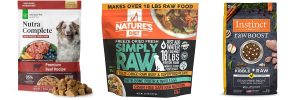
- Freeze-dried food, which has had most of its water removed.
- Raw food, which contains uncooked animal ingredients and needs extra safety care.
- Homemade food, which may be fresh but is not automatically nutritionally complete.
“Fresh” is not a legal guarantee of better nutrition. The key question is whether the food is labeled “complete and balanced” for your dog’s life stage under the nutritional standards used in the United States.
Look for a nutritional adequacy statement on the package. It should say whether the food meets the needs of:
- Growth, including large-breed puppies
- Adult maintenance
- All life stages
A food made only for intermittent or supplemental feeding should not become your dog’s main diet unless a veterinarian tells you how to use it.
Which fresh dog food is usually the cheapest?
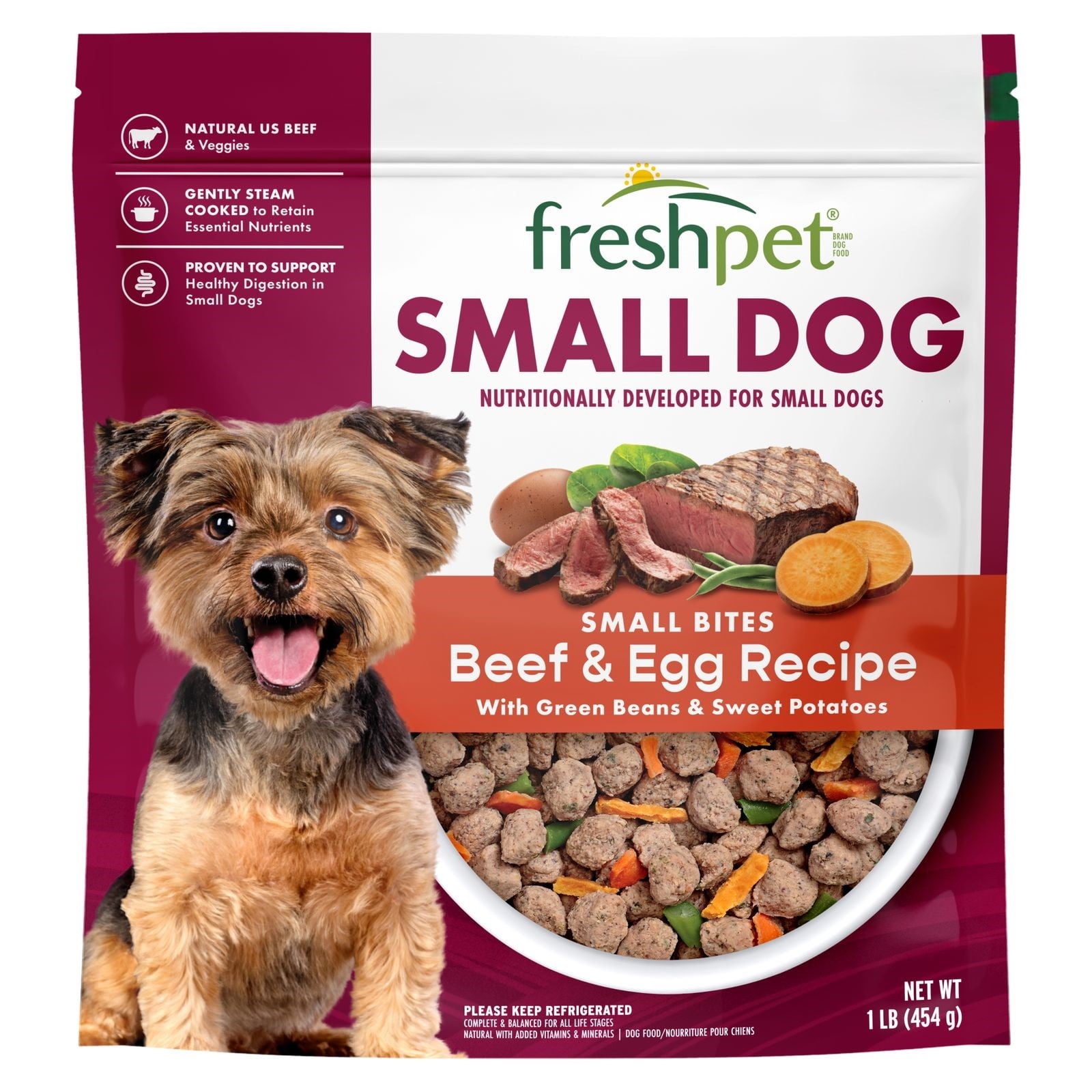
Freshpet is often the lowest-cost commercial fresh option when bought at retail. It is available in many U.S. supermarkets, mass retailers, and pet stores. You can buy a small amount instead of signing up for a recurring delivery plan.
The next-lowest-cost choices are often:
- Retail fresh food, such as refrigerated rolls or tubs
- Subscription fresh food with discounts, especially for small dogs
- Fresh food mixed with dry food
- Full fresh subscription meals for medium or large dogs
Prices change by recipe, region, package size, and promotion. A brand that looks cheaper per package may contain fewer calories. Compare the cost per 1,000 kilocalories, not just the price of one roll or box.
Typical cost pattern
| Feeding method | Usual cost level | Main reason |
|---|---|---|
| Dry food | Lowest | Low moisture and efficient storage |
| Fresh food mixed with dry food | Low to moderate | Fresh food supplies part of the diet |
| Retail refrigerated fresh food | Moderate | No delivery plan, but high moisture raises food volume |
| Subscription fresh food | Moderate to high | Portioning and delivery add cost |
| Full fresh feeding for a large dog | Highest | Large dogs need many calories |
These are broad patterns, not fixed prices. A sale, local store price, or small-dog plan can change the result.

How to compare the real cost of fresh dog food
Use this simple calculation:
Daily cost = daily calories ÷ calories per package × package price
For a monthly estimate:
Monthly cost = daily cost × 30
Example calculation
This is a hypothetical example, not a current brand price.
- Dog needs: 800 calories per day
- One package contains: 400 calories
- Package price: $5
The dog needs two packages per day.
- $5 × 2 = $10 per day
- $10 × 30 = $300 per month
Now compare a second food:
- Dog needs: 800 calories per day
- One package contains: 600 calories
- Package price: $6
The dog needs about 1.33 packages per day.
- $6 × 1.33 = about $7.98 per day
- $7.98 × 30 = about $239.40 per month
The second food costs more per package but less per month.
Where to find the needed numbers
Check the package or product page for:
- Calories per tray, roll, pouch, or cup
- Feeding directions
- Package price
- Shipping or delivery fees
- Subscription discounts
- Auto-renewal terms
- Storage and waste instructions
Some labels list calories per kilogram or per pound instead of per package. If the food lists calories per ounce, multiply that number by the ounces in the package.
Do not use feeding cups alone for a cost comparison. One cup of a dense food can contain far more calories than one cup of a food with high water content.
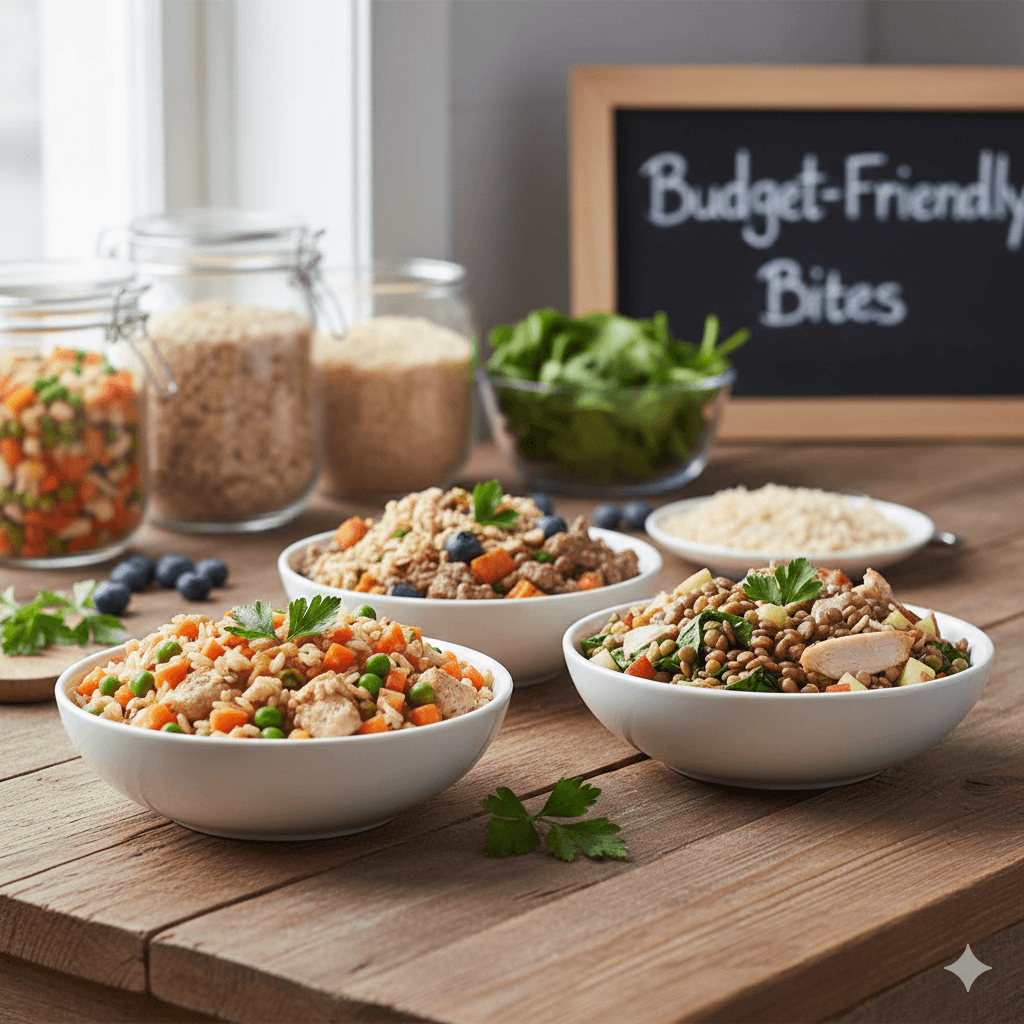
Affordable fresh dog food options in the United States
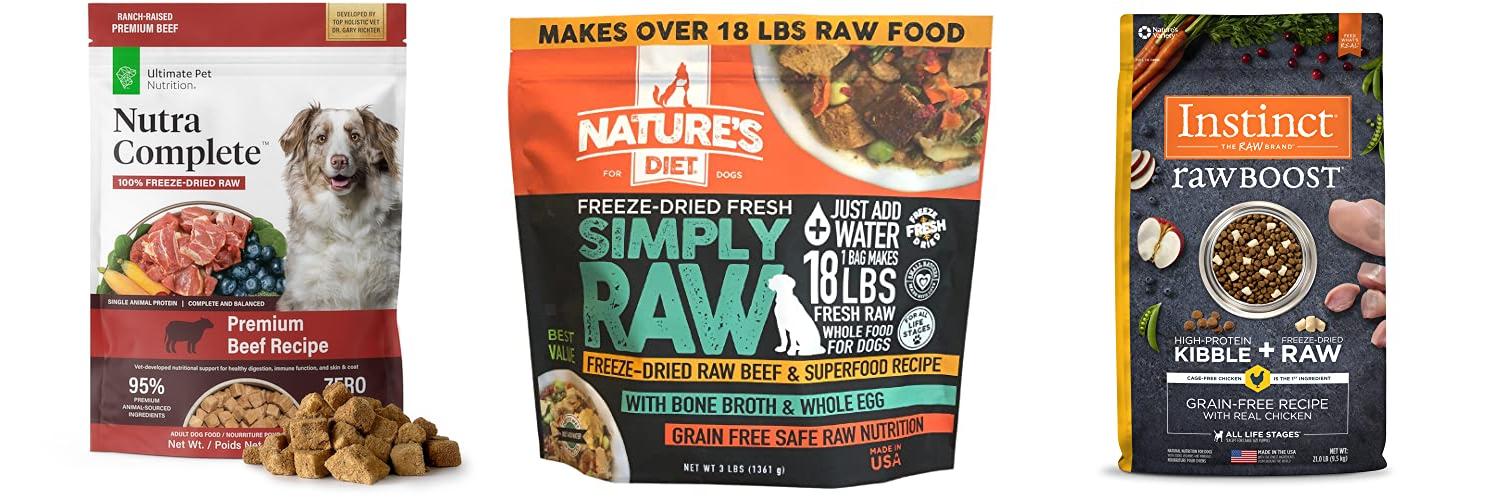
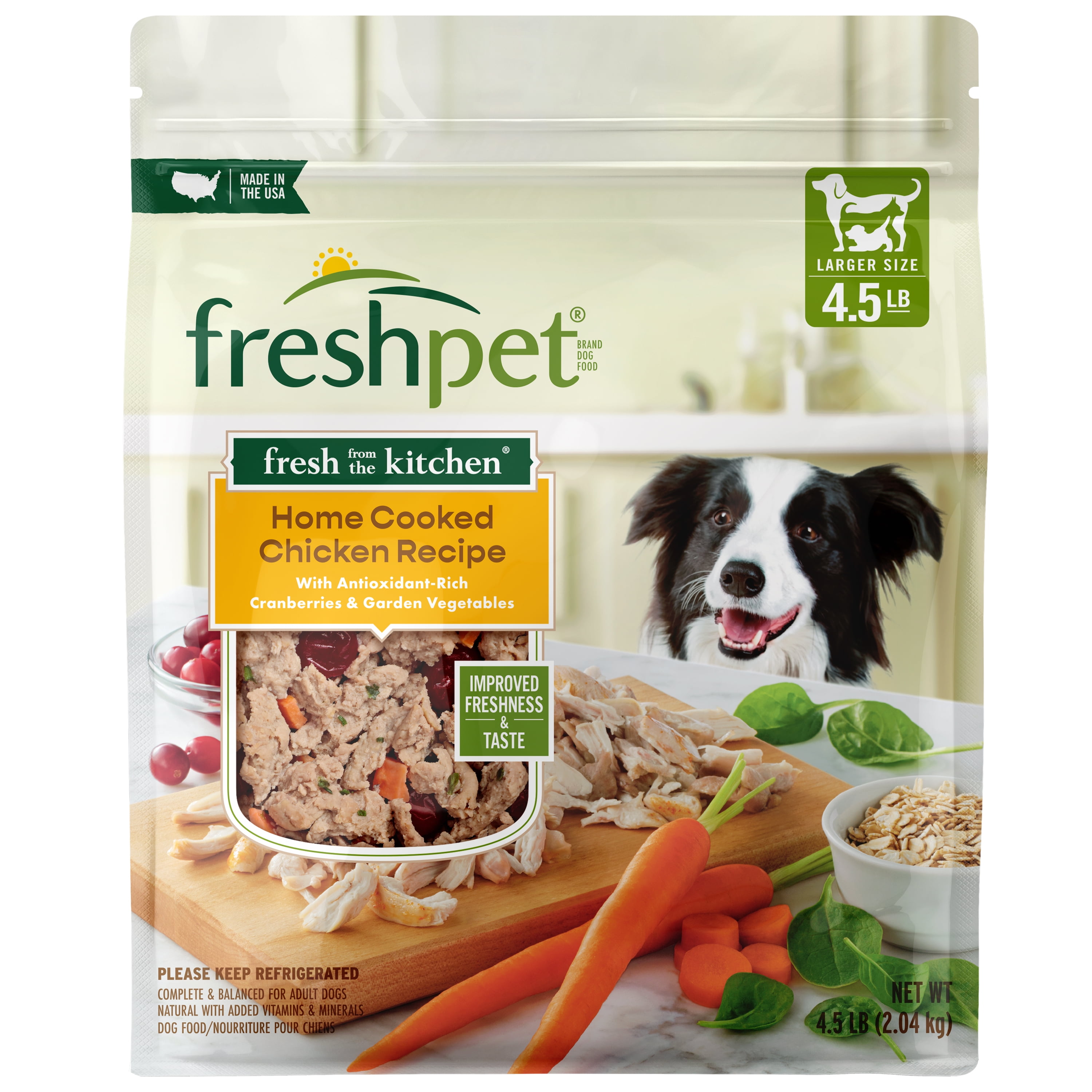
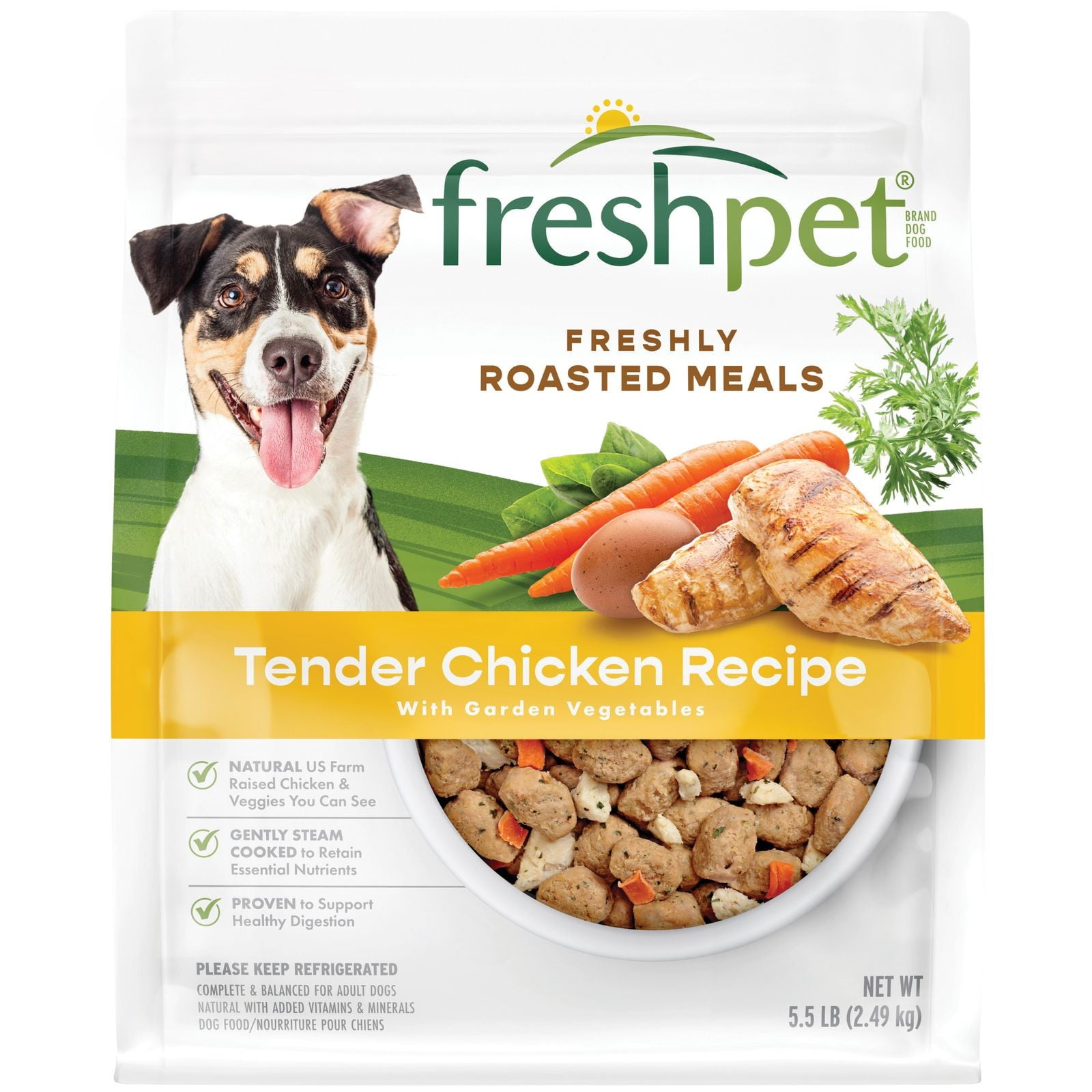
Freshpet: often the best budget starting point
Freshpet is commonly one of the easiest lower-cost fresh foods to try because it is sold through retail stores. You can compare prices in person and avoid shipping.
It may fit your budget when:
- Your dog is small or medium-sized
- A nearby store has regular sales
- You want to buy food as needed
- You do not want a subscription
- You are willing to store the food in a refrigerator
Check the exact recipe. Not every product in a brand’s range has the same nutritional statement. Confirm that the food is complete and balanced for your dog’s life stage.
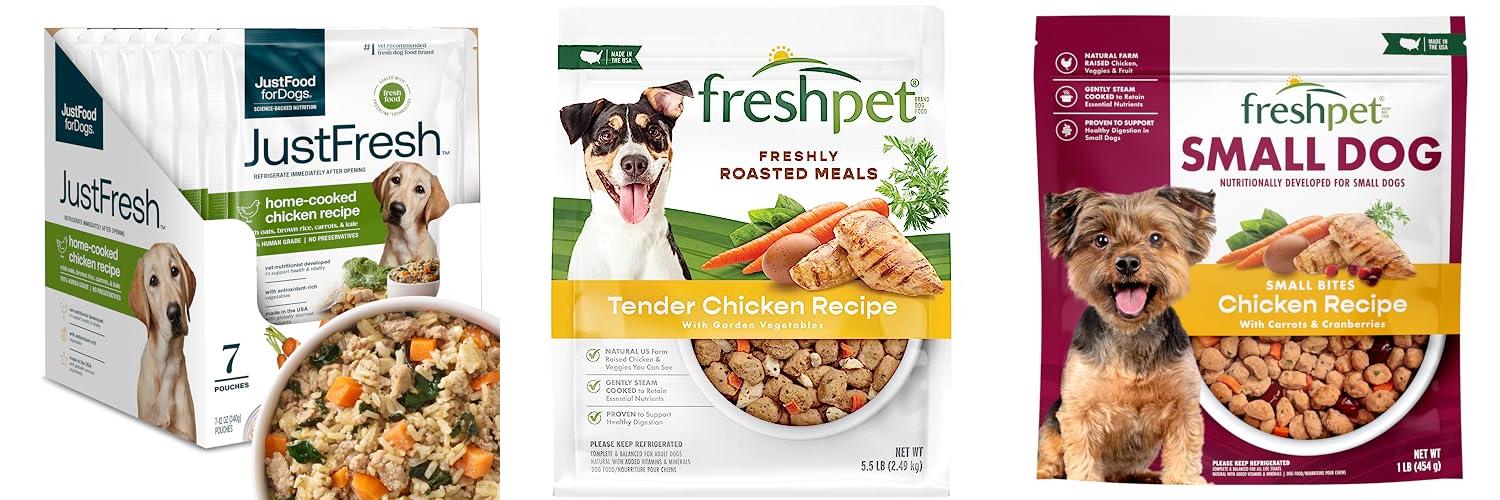
JustFoodForDogs: useful when you want retail or pantry choices
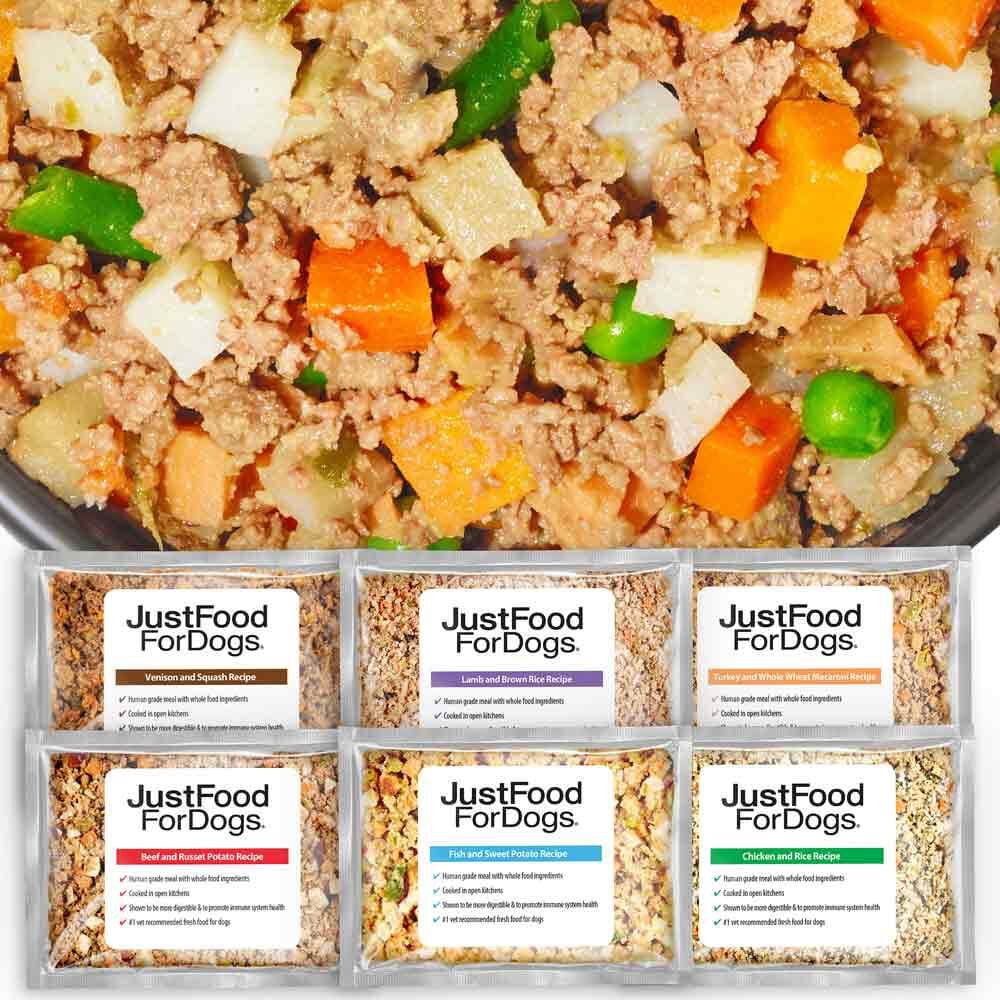
JustFoodForDogs sells fresh frozen meals and some shelf-stable options. A pantry version may cost less to store and ship than frozen food, although it may not fit every owner’s definition of fresh.
This brand may suit you if:
- You want several package formats
- You need a food sold through stores or veterinary channels
- You want a recipe with clear feeding information
- You prefer to compare a fresh option with a shelf-stable option
The lower price of one package does not prove a lower daily cost. Use calories to compare it with other foods.
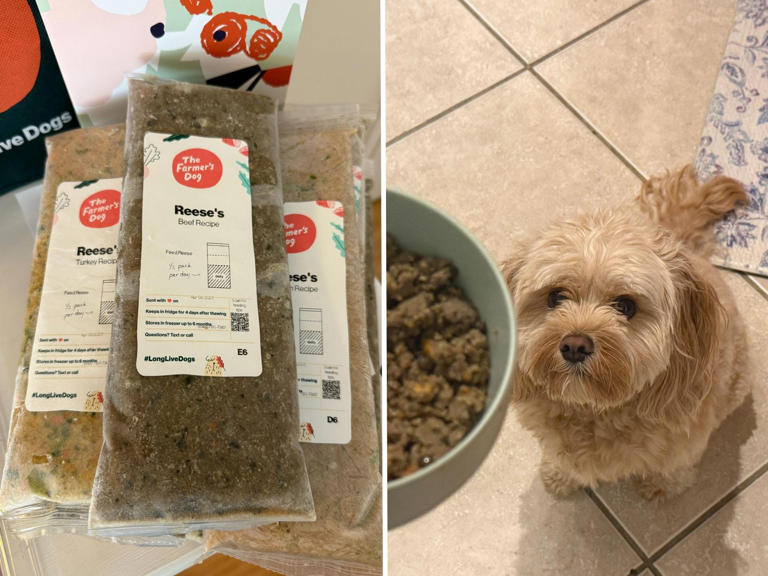
Ollie, The Farmer’s Dog, and Nom Nom: convenient but often pricier
Fresh subscription services may offer pre-portioned meals and home delivery. That convenience can help busy households, but delivery and individualized packing may raise the total cost.
These services may make sense when:
- Your dog has a specific calorie target
- Portion control matters
- You value home delivery
- You have checked the full monthly charge
- The plan remains affordable after any introductory offer ends
Treat a first-order discount as a temporary price. Calculate the normal renewal cost before choosing a plan.
Homemade fresh food: sometimes cheap, often incomplete
Cooking at home can appear inexpensive, especially when you buy ingredients in bulk. But meat, supplements, kitchen time, storage, and waste all add to the real cost.
More importantly, a homemade recipe can lack key nutrients. Common problems include too little calcium, an incorrect calcium-to-phosphorus ratio, or missing vitamins and trace minerals.
If homemade food will provide most of your dog’s calories, ask a board-certified veterinary nutritionist to create or review the recipe. Do not assume that meat, rice, and vegetables form a complete diet.
The cheapest safe way to feed fresh dog food
For many healthy adult dogs, the most practical low-cost plan is:
- Choose a complete and balanced fresh food.
- Calculate the daily cost by calories.
- Feed the amount your dog needs, not the largest suggested portion.
- Use fresh food for part of the diet.
- Use a complete dry food for the remaining calories.
- Adjust portions based on body weight and body condition.
For example, you might feed 25% of daily calories from fresh food and 75% from dry food. Another dog may do better with a 50/50 split.
Do not replace part of a complete diet with plain meat or treats without accounting for the change. Foods that are not complete and balanced can dilute the nutrients in the overall diet.
A mixed plan works best when:
- Both main foods are complete and balanced
- You measure portions
- Your dog tolerates both foods
- Your veterinarian has not prescribed a strict therapeutic diet
A mixed plan may not be suitable for a dog with a food allergy, pancreatitis, kidney disease, urinary disease, or another condition that requires controlled nutrition. Ask your veterinarian first.
How much does fresh dog food cost per month?
There is no single monthly price because dogs vary greatly in size and calorie needs. A 10-pound dog may need only a fraction of the food eaten by an 80-pound dog.
Use your dog’s actual daily calorie need when possible. Feeding charts are starting points, not guarantees. An active dog may need more food than a less active dog of the same weight.
Sample monthly comparison
The figures below are hypothetical examples to show the method.
| Plan | Fresh calories per day | Fresh food cost per day | Estimated monthly cost |
|---|---|---|---|
| Full fresh plan | 800 | $8.00 | $240 |
| Half fresh, half dry | 400 | $4.00 | $120 for fresh portion, plus dry food |
| Quarter fresh, three-quarters dry | 200 | $2.00 | $60 for fresh portion, plus dry food |
Add shipping, tax, supplements prescribed by a veterinarian, and food wasted after opening. Refrigerated food may spoil faster than dry food if your dog eats small portions.
The cheapest plan on paper may cost more if your dog refuses it, gains weight, or needs frequent veterinary care after a sudden diet change.
What should you check before buying affordable fresh dog food?
A low price matters only after the food passes basic quality checks.
1. Check the nutritional adequacy statement
Look for a statement showing that the food is complete and balanced for your dog’s life stage. A product labeled for supplemental or intermittent feeding is not a full diet.
2. Check calories per package
High-moisture food may look like a large serving but contain fewer calories. This affects both cost and storage.
3. Check the storage rules
Follow the label. Many fresh foods must remain refrigerated. Some must be used within a set number of days after opening.
Keep perishable food cold. The U.S. Food and Drug Administration advises discarding perishable food left at room temperature for more than two hours, or more than one hour when the temperature is above 90°F.
4. Check the delivery terms
For subscription food, look for:
- First-order discounts
- Regular renewal price
- Shipping fees
- Delivery frequency
- Pause and cancellation rules
- Minimum order size
5. Check the recipe for your dog’s needs
A food can be complete and balanced yet still be a poor fit for a dog with a medical condition. Ask your veterinarian before changing food for a puppy, pregnant dog, senior dog, or dog with chronic disease.

Common mistakes that make fresh dog food more expensive
Comparing package prices
A $5 package is not automatically cheaper than a $7 package. The $7 package may contain twice as many calories.
Ignoring shipping
A subscription price may exclude delivery. Add all recurring charges before comparing it with store-bought food.
Feeding the label’s top amount
Feeding charts often cover a range. Start with a reasonable amount, then monitor body weight, stool, hunger, and body condition.
Wasting spoiled food
Small dogs may not finish a large package before it loses freshness. Buy package sizes that match your dog’s daily intake.
Switching too fast
A sudden change can cause loose stool and wasted food. Unless your veterinarian gives different advice, change diets over about seven days:
- Days 1–2: mostly old food
- Days 3–4: half old and half new
- Days 5–6: mostly new food
- Day 7: all new food, if tolerated
Slow down if your dog develops vomiting, diarrhea, or refuses food. Contact a veterinarian if signs are severe, persistent, or accompanied by weakness or dehydration.
Is fresh dog food cheaper than kibble?
Usually, no. Complete dry dog food is generally the least expensive way to provide all daily calories. Fresh food contains much more water, needs cold storage, and often has higher packaging and delivery costs.
Fresh food may still be useful when your dog:
- Eats better with a moist texture
- Needs more water in the diet
- Will not eat a certain dry food
- Does well on a mixed feeding plan
- Has a veterinarian-approved dietary need
Cost is only one factor. A food your dog eats reliably may reduce waste. A food that causes digestive upset can raise costs through wasted meals and veterinary visits.
Do not assume that fresh food is automatically more nutritious than a complete dry food. Compare the nutritional statement, calorie content, ingredient list, and your dog’s response.
Is Freshpet the cheapest fresh dog food for every dog?
No. Freshpet is often a low-cost retail choice, but it is not always the cheapest for every dog.
A subscription service may cost less for a very small dog during a valid promotion. A local store may discount another refrigerated brand. A mixed plan may cost less than any full-fresh plan.
The best choice depends on:
- Your dog’s daily calorie need
- Local prices
- Package size
- Shipping charges
- Food waste
- Required storage
- Whether the recipe is complete and balanced
- Whether your dog can eat it safely
Compare at least two products using cost per 1,000 calories before deciding.

Frequently asked questions
What is the cheapest fresh dog food for a large dog?
A half-fresh, half-dry plan is often cheaper than feeding a large dog fresh food alone. Retail refrigerated food may also cost less than a delivered subscription because it avoids shipping. Compare the daily cost, not the package price.
Can I feed fresh dog food every day?
Yes, if the food is complete and balanced for your dog’s life stage and your dog tolerates it. Follow storage instructions and ask a veterinarian before using it for a dog with a medical condition.
Is homemade dog food cheaper than commercial fresh food?
It can be cheaper in some homes, but the true cost includes supplements, storage, preparation time, and waste. A homemade diet also needs careful formulation to avoid nutrient deficiencies.
How do I know if a fresh dog food is complete?
Read the nutritional adequacy statement on the label. It should identify the life stage and state that the food is complete and balanced. If the label says “intermittent” or “supplemental,” do not use it as the sole diet.
Can I mix fresh dog food with kibble?
Usually, yes, when both foods are appropriate and complete. Reduce the amount of kibble as you add fresh food so you do not overfeed calories. Transition slowly and monitor stool and body weight.
Key takeaways
- Freshpet is often the most affordable ready-to-serve fresh dog food in the United States, especially when bought at retail.
- The cheapest option varies by dog size, local price, calories, shipping, and food waste.
- Compare cost per 1,000 calories, not cost per package.
- A mixed fresh-and-dry diet can lower monthly costs.
- Choose food labeled complete and balanced for your dog’s life stage.
- Ask a veterinarian before changing food for a puppy or a dog with a health problem.
Conclusion
For most U.S. households, start by comparing retail refrigerated food with two subscription brands. Check the normal price, calories per package, and storage rules. Then calculate the daily cost for your dog.
If full fresh feeding is too expensive, use a complete fresh food for part of the calories and a complete dry food for the rest. That approach can provide a moist meal while keeping the monthly budget under control.