Most dogs learn to enjoy dry food through gradual changes, better flavor, routine, and a health check.
If you are wondering, “How do I get my dog to eat dry food?” the answer is usually not to force it. Dogs may reject kibble because of taste, texture, dental pain, stress, too many treats, or a sudden diet change. This guide explains safe steps that work in real homes, plus the warning signs that mean your dog needs a veterinarian.
Why Your Dog May Refuse Dry Food
Before changing the food, try to understand why your dog will not eat it. A healthy dog may simply dislike the smell or feel of kibble, but a sudden appetite change can point to a medical issue.
Common reasons include:
- The kibble is stale, rancid, or poorly stored.
- Your dog does not like the flavor, size, or shape of the pieces.
- You changed foods too fast.
- Your dog gets too many treats, table scraps, or chews.
- Stress, travel, boarding, or a new pet has changed the routine.
- Mouth pain, gum disease, a broken tooth, or trouble chewing makes dry food uncomfortable.
- Nausea, stomach upset, infection, kidney disease, or another illness reduces appetite.
- Your dog has learned that refusing kibble brings a tastier meal.
Small dogs and older dogs may have extra trouble with large or hard pieces. Puppies may also be distracted, teething, or unsure of a new feeding routine.
A useful first step is to check the food itself. Look at the expiration date, smell the kibble, and inspect it for moisture, mold, insects, or an unusual color. Store dry food in its original bag inside an airtight container, away from heat and humidity.
When to Call the Veterinarian
Knowing how to get my dog to eat dry food is helpful, but appetite problems should not always be treated as a behavior issue. A dog that suddenly refuses food may be in pain or becoming ill.
Contact your veterinarian promptly if your dog:
- Refuses all food for about 24 hours
- Is a puppy, senior dog, or has a medical condition
- Vomits repeatedly or has ongoing diarrhea
- Seems weak, depressed, confused, or unusually quiet
- Has a swollen belly, severe pain, or trouble breathing
- Drinks much more or less water than usual
- Has pale gums, yellow gums, or signs of dehydration
- Loses weight without a clear reason
- Drools heavily, drops food, paws at the mouth, or struggles to chew
Small puppies, diabetic dogs, and dogs taking important medicines may need care sooner. Your veterinarian can examine the teeth and mouth, review the diet, and decide whether blood tests or other checks are needed.
Do not give human appetite medicine or leftover prescription drugs. Some can be dangerous for dogs, even in small amounts.
How to Get My Dog to Eat Dry Food: A Safe Step-by-Step Plan
The best approach is calm, gradual, and consistent. Think of the change like learning a new route home. A few small steps are easier than one sudden turn.
1. Set regular meal times
Offer food at set times instead of leaving the bowl down all day. For many adult dogs, two meals each day works well, but your veterinarian can suggest a schedule based on age, size, health, and activity.
Put the bowl down for about 15 to 20 minutes. If your dog does not eat, remove it without scolding. Offer the next meal at the usual time.
This method helps your dog learn that food is available on a reliable schedule. It also makes it easier to notice changes in appetite.
2. Measure the daily portion
Use a measuring cup or kitchen scale. Free-feeding can reduce hunger and may lead to weight gain.
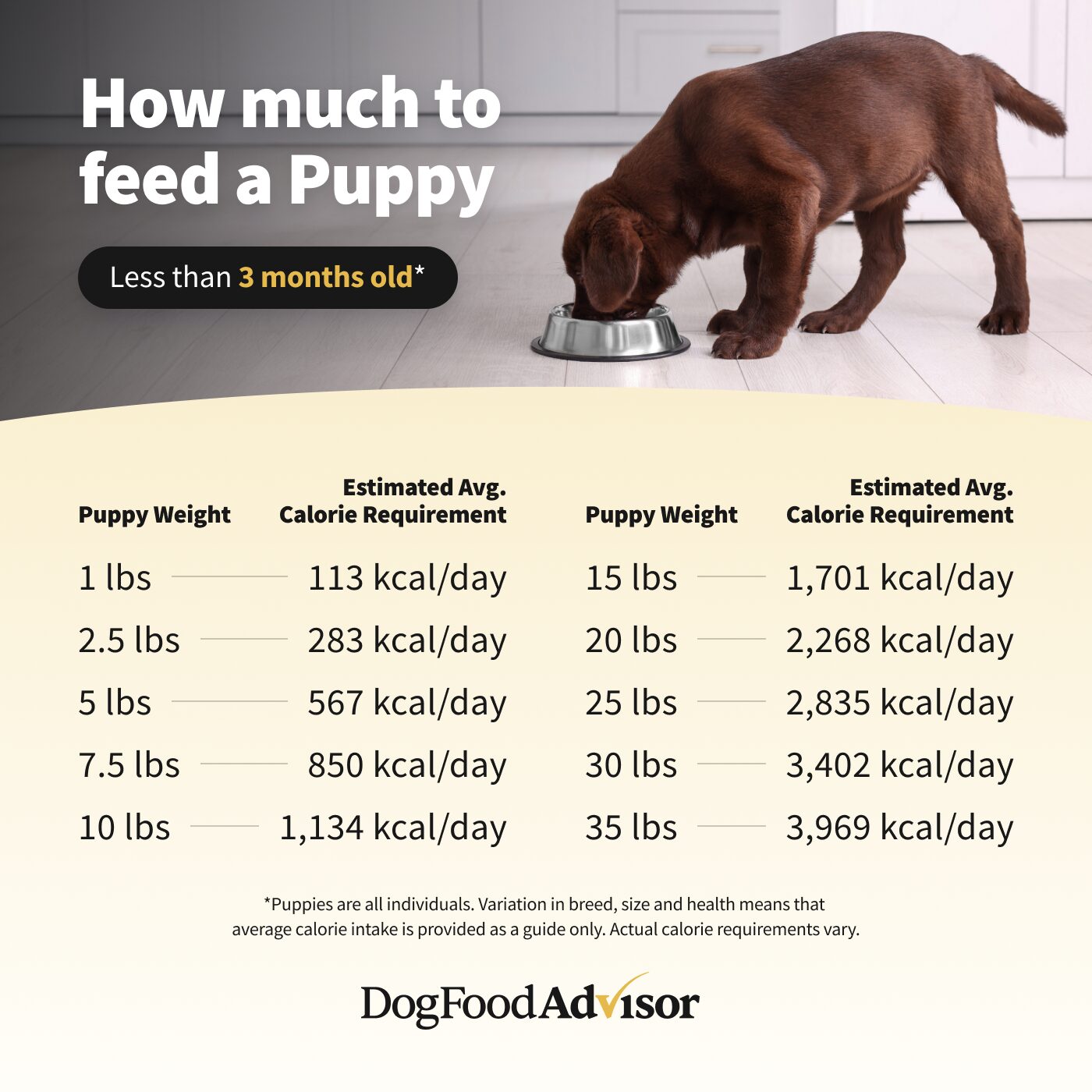
Treats should fit into the daily calorie plan. As a simple rule, treats and extras should generally provide no more than 10% of a dog’s daily calories. Your veterinarian can help if your dog is overweight, underweight, or has a condition that needs a special diet.
3. Make sure the kibble is fresh
Keep the bag sealed and use clean, dry bowls. Wash the bowl often because old food oils can create a sour smell that dogs notice.
Buy a bag size your dog can finish before the food loses freshness. Do not mix a new bag with old food in the same container unless the container has been fully cleaned and dried.
4. Add warm water
Pour a small amount of warm water over the kibble and wait a few minutes. This softens the pieces and releases more aroma.
The food should be warm, not hot. Stir it before serving and discard leftovers that sit out for too long. This trick can help puppies, senior dogs, and dogs with mild chewing difficulty, but it does not replace a dental exam when pain is possible.
5. Use a small, safe topper
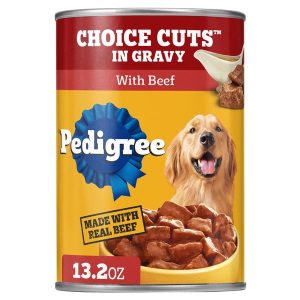
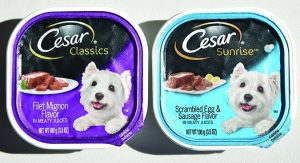
If plain kibble does not work, add a little wet dog food, plain cooked chicken, or a veterinarian-approved topper. Start with a tiny amount so the dry food remains the main meal.
Avoid onion, garlic, grapes, raisins, chocolate, xylitol, macadamia nuts, cooked bones, and rich fatty foods. Sudden high-fat additions may cause stomach upset or pancreatitis.
6. Try a different kibble
Dogs can have strong preferences. You may need to test a different protein, recipe, texture, or kibble size.
Choose a complete and balanced food that suits your dog’s life stage. Look for a nutritional adequacy statement on the package. If your dog has allergies, kidney disease, urinary problems, or another condition, ask your veterinarian before changing formulas.
How to Change From Wet Food to Dry Food
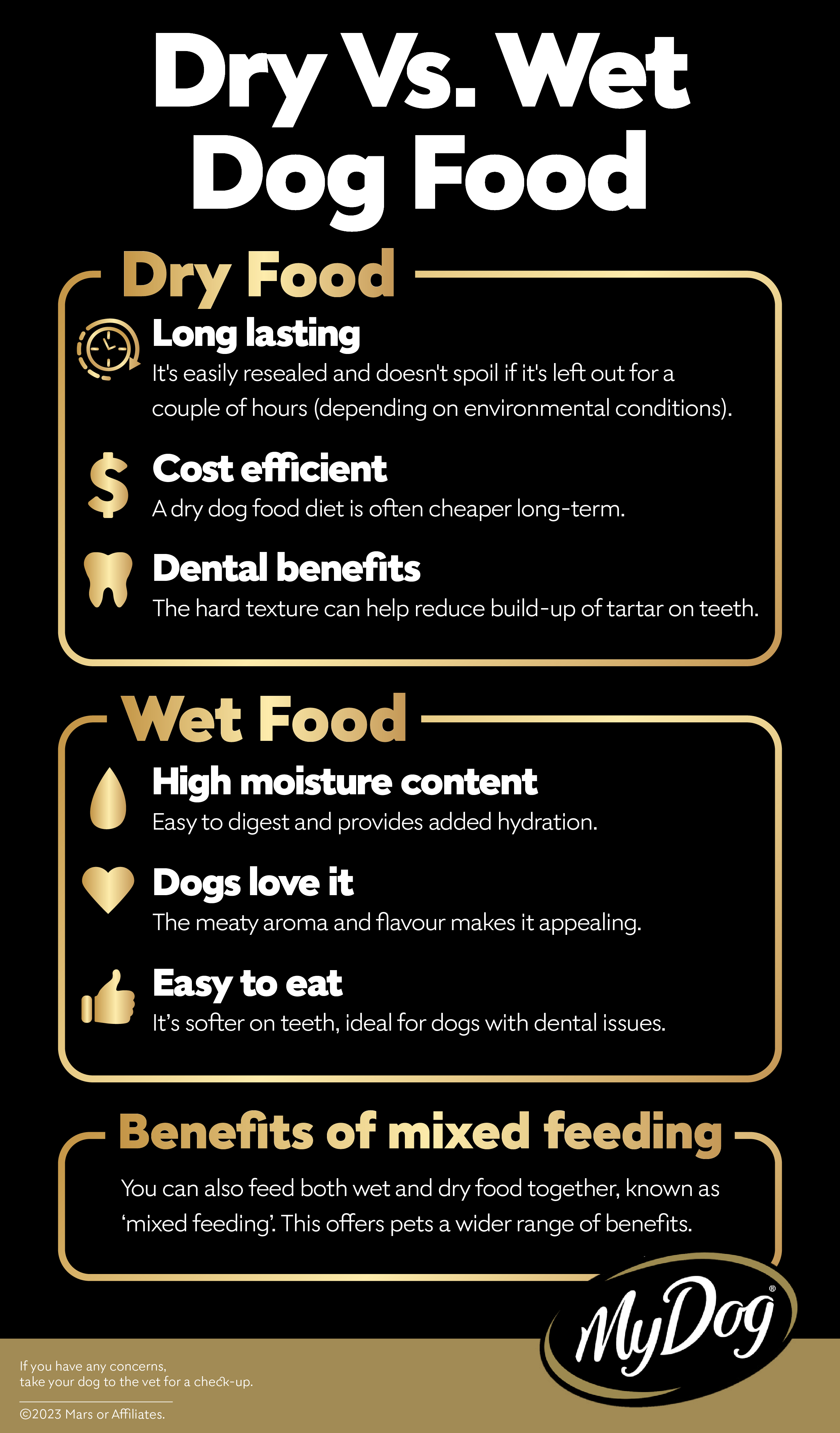
If your dog eats wet food but rejects kibble, mix the foods slowly. A gradual transition can lower the chance of vomiting, diarrhea, and refusal.
Try this seven-day plan:
- Days 1 and 2: Serve about 75% of the old food and 25% dry food.
- Days 3 and 4: Serve about 50% old food and 50% dry food.
- Days 5 and 6: Serve about 25% old food and 75% dry food.
- Day 7: Serve 100% dry food if your dog is eating well.
Some dogs need two weeks or longer. Slow down if your dog develops loose stool, vomiting, gas, or a clear loss of interest in food.
Keep the total daily calories similar during the change. Wet and dry foods can have very different calorie levels, so compare the feeding guide and calorie statement on each package.
How to Make Dry Food More Appealing
When people ask how to get my dog to eat dry food, they often need simple ways to improve smell and interest without creating a picky eater.
Try these options:
- Warm the kibble with a little water.
- Add one teaspoon of wet food and mix it through the bowl.
- Use a low-sodium dog-safe broth with no onion or garlic.
- Serve the meal after a gentle walk or play session.
- Feed in a quiet area away from children and other pets.
- Use a puzzle feeder if your dog enjoys food games.
- Offer part of the meal during simple training.
- Try a clean, shallow bowl if your dog dislikes deep dishes.
- Test room temperature food if your dog dislikes chilled food.
- Keep the same feeding routine for at least several days.
Do not keep adding better food every time your dog refuses kibble. Otherwise, your dog may learn that waiting produces a more exciting reward.
A practical middle ground is to choose one safe topper, use a small amount, and keep it consistent. Once your dog eats well, slowly reduce the topper over several meals.
:max_bytes(150000):strip_icc()/dogs-eating-from-food-bowls-2000-ea59444e6a984d51a394514750f4b0eb.jpg)
Common Mistakes That Make Dogs Reject Kibble
Some feeding habits can accidentally strengthen picky behavior. The goal is to support your dog without turning every meal into a negotiation.
Offering too many choices
Giving several foods at once can teach your dog to hold out for a favorite. Pick one suitable food and give it a fair trial unless your veterinarian advises a change.
Changing food too often
Frequent changes can upset the digestive system. They also make it hard to know which food your dog actually tolerates.
Using too many treats
A dog with a full stomach may ignore kibble. Treats can also make ordinary food seem less appealing.
Feeding from the table
Table scraps are often high in fat and salt. Some contain ingredients that are toxic to dogs. They can also encourage begging and food refusal.
Pressuring or punishing your dog
Shouting, hand-feeding for hours, or pushing the bowl toward your dog can create fear around meals. Keep your voice calm and make feeding predictable.
Ignoring dental pain
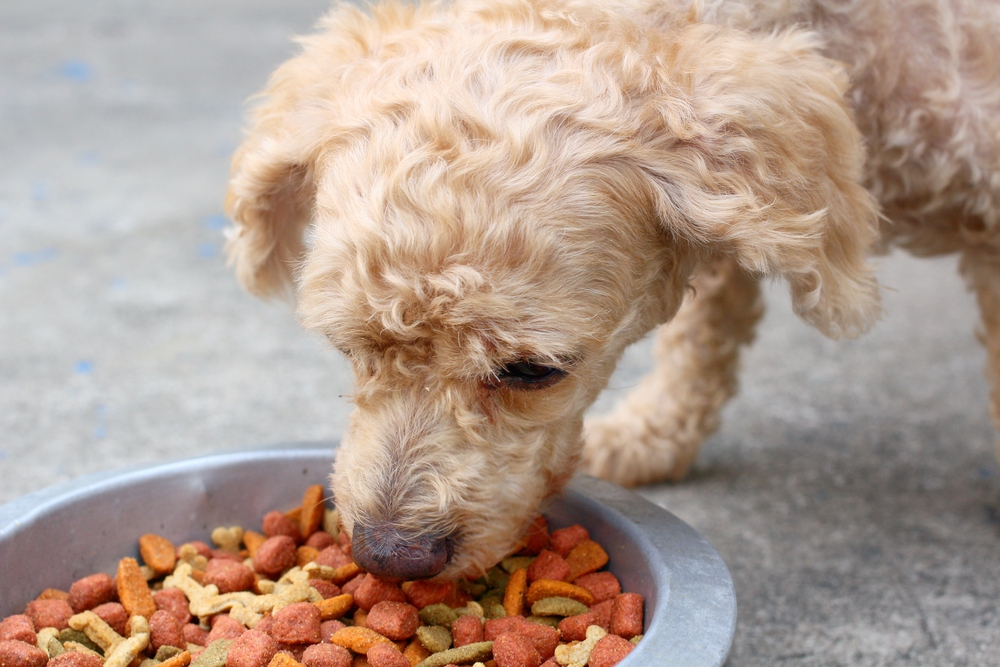
A dog may approach the bowl, pick up food, and then drop it. That pattern can signal mouth pain, not stubbornness. Dry food may be especially hard for a dog with sore gums or a damaged tooth.
Choosing the Right Dry Dog Food
A high-quality dry food should match your dog’s age, size, activity level, and health needs. Puppies, adult dogs, senior dogs, pregnant dogs, and working dogs do not always need the same calorie level.
Look for:
- A complete and balanced nutritional statement
- A recipe made for your dog’s life stage
- Clear feeding directions
- Reliable manufacturing and quality control
- A kibble size your dog can safely chew
- Calories per cup or kilogram
- A formula your dog digests well
Ingredient lists can help you understand a product, but they do not tell the whole story. The first ingredient alone does not prove that one food is better than another. Nutrient balance, safety testing, digestibility, and your dog’s health matter too.
If your dog has a diagnosed allergy or disease, do not rely on internet advice alone. A therapeutic diet may be needed, and food changes should be guided by a veterinary professional.
How Long Should You Try a New Food?
Give a healthy adult dog several days to adjust, while watching appetite, stool, energy, and weight. Some dogs accept a new food at once, but others need one to two weeks.
Stop and call your veterinarian if your dog becomes ill or refuses all food. Do not continue a diet trial simply because the package looks appealing.
Keep a simple food log. Write down:
- The food and amount offered
- Treats and chews
- Eating time
- Stool quality
- Vomiting or gas
- Energy level
- Body weight each week
This record can reveal patterns. For example, a dog may ignore breakfast after receiving a large chew the night before.
Personal Lessons From Helping Dogs With Food Changes
One lesson that comes up again and again is that patience works better than pressure. Many owners change food, add several toppers, offer treats, and move the bowl around the house all in one day. The dog then becomes confused, and the owner cannot tell what helped.
A better plan is to change one thing at a time. For example, keep the same kibble, add warm water for three days, and track the result. If that does not help, speak with your veterinarian or test a different approved food.
Another common mistake is assuming that a dog who wants chicken has a simple preference. Sometimes that is true. But a dog with dental pain may choose soft food because it hurts less. That is why a mouth check matters when dry food refusal is new.
The most useful habit is to separate food preference from health concerns. A calm routine can solve mild fussiness, but it cannot treat nausea, pain, infection, or organ disease.
Frequently Asked Questions About How Do I Get My Dog to Eat Dry Food
How do I get my dog to eat dry food without using treats?
Serve measured meals at regular times and remove the bowl after about 15 to 20 minutes. You can add warm water or a small amount of wet food, but avoid rewarding every refusal with a tastier option.
Should I add water to my dog’s dry food?
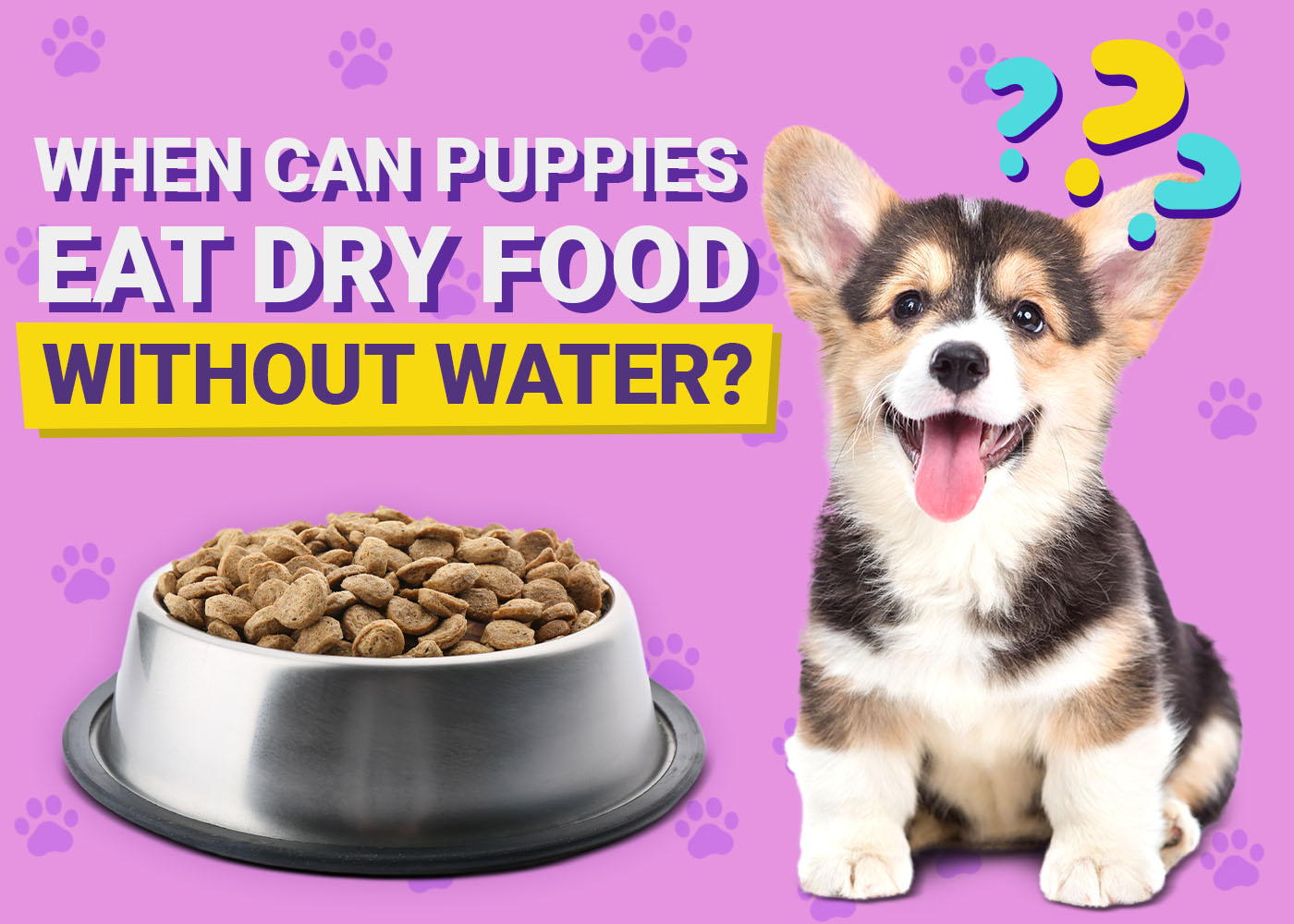
Yes, adding warm water can soften kibble and make its smell stronger. Serve it soon after mixing and discard food that sits out, especially in a warm room.
How long can a dog go without eating dry food?
A healthy adult dog may skip one meal, but refusing food for about 24 hours deserves a call to your veterinarian. Puppies, senior dogs, diabetic dogs, and dogs with illness may need attention much sooner.
Why does my dog eat treats but not kibble?
Treats often have stronger smells and richer flavors, so they can be more tempting than regular food. However, this pattern can also occur with dental pain or nausea, so watch for other symptoms.
Can I mix wet and dry dog food?
Yes, many dogs enjoy a mixture of wet and dry food. Keep the total calories appropriate and change the ratio slowly to reduce the risk of digestive upset.
Is it okay to force-feed my dog dry food?
No. Force-feeding can cause fear, choking, or food entering the lungs. If your dog refuses food or seems painful, contact a veterinarian for safe guidance.
Should I change my dog’s dry food brand?
A different recipe may help if your dog dislikes the current taste or texture. Change foods gradually and choose a complete, balanced formula that fits your dog’s health needs.
Conclusion
The answer to “How do I get my dog to eat dry food?” usually begins with a health check, fresh food, regular meals, and a slow transition. Warm water, a small safe topper, the right kibble size, and a quiet feeding area can also help.
Avoid pressure, excessive treats, rapid diet changes, and human food. If your dog suddenly refuses food, shows pain, vomits, loses weight, or acts unwell, contact your veterinarian rather than treating the problem as simple pickiness.
Start with one small change today, track your dog’s response, and give the process time. For more practical pet nutrition guidance, explore trusted veterinary resources and share your experience with your dog’s feeding routine.