Most dogs need one to four cans of wet food daily, based on size, calories, age, and activity.
Knowing how many cans of wet food for a dog can prevent both underfeeding and unwanted weight gain. The right amount is not based on can count alone. It depends on your dog’s calorie needs, the food’s energy content, body condition, and whether wet food is a full meal or a topper. This guide explains how to calculate a safe starting amount and adjust it with confidence.
How Many Cans of Wet Food for a Dog?
There is no single answer for every dog. A small dog may need less than one can per day, while a large or very active dog may need several cans.
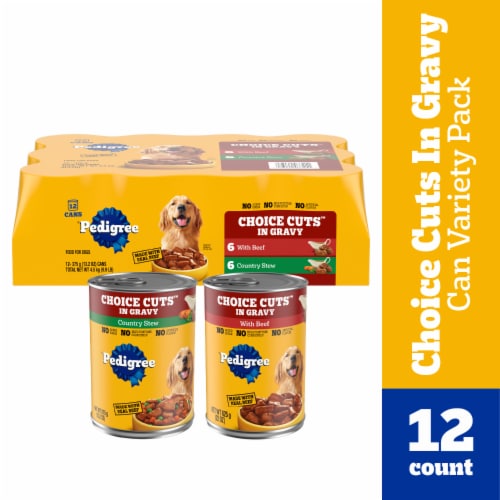
As a simple starting guide, many adult dogs need the following amount when eating standard 12.5-ounce cans:
• Small dogs up to 20 pounds: About ½ to 1½ cans per day
• Medium dogs from 21 to 50 pounds: About 1½ to 3 cans per day
• Large dogs from 51 to 90 pounds: About 3 to 5 cans per day
• Giant dogs over 90 pounds: About 4 to 7 or more cans per day
These amounts are broad estimates. One can may contain 250 calories, while another can of the same size may contain 500 calories. That difference can change your dog’s daily portion by half.
The best answer to how many cans of wet food for a dog comes from the feeding guide on the label and your dog’s daily calorie needs. Use the label as a starting point, then watch your dog’s weight, stool, hunger, and energy.
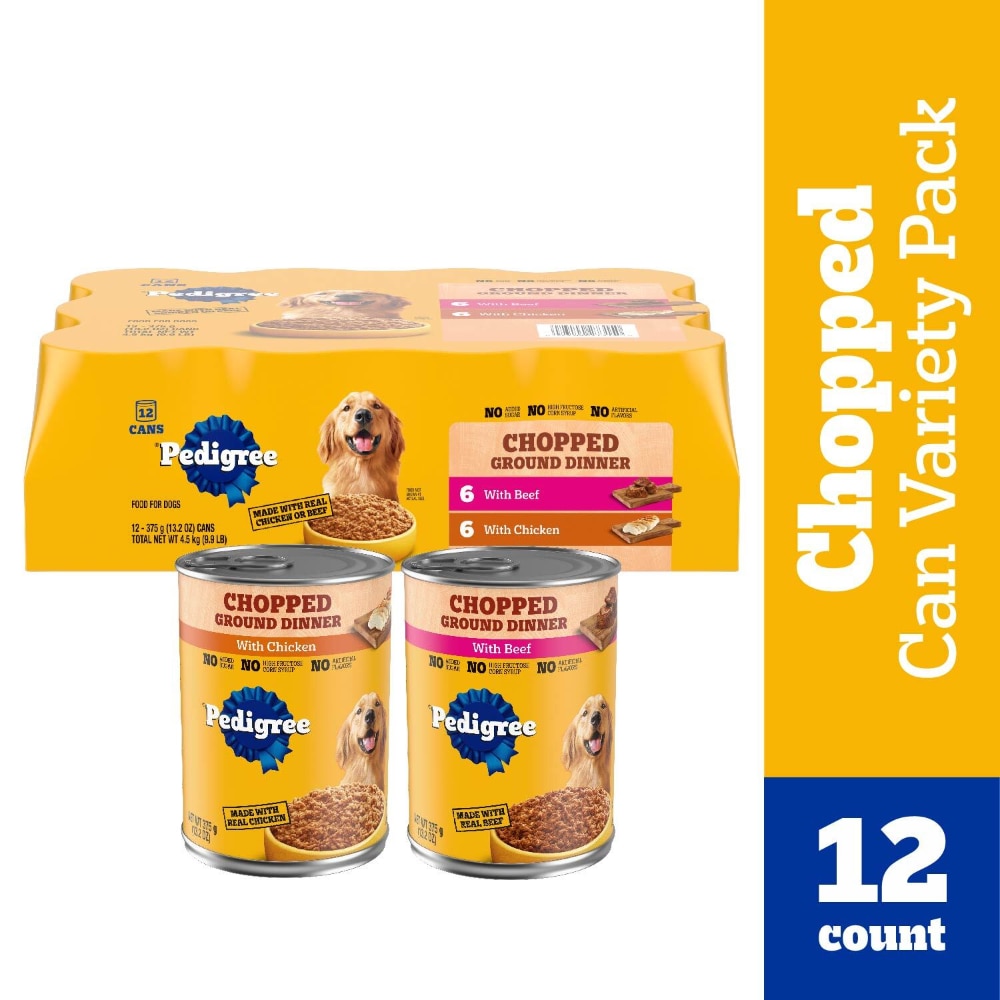
What Determines the Right Amount of Wet Dog Food?
Several factors affect how much wet food your dog should eat. Think of the can as a measuring cup, not a complete feeding rule. The food’s calories and your dog’s needs matter more than the number of cans.
Body weight
Larger dogs usually need more calories than smaller dogs. However, body weight alone does not tell the full story. A lean, active 40-pound dog may need more food than a calm, overweight 50-pound dog.
Age
Puppies need extra energy for growth. They may also need more frequent meals. Senior dogs often need fewer calories, though some older dogs lose weight and need more energy or a more digestible diet.
Activity level
A dog that hikes, runs, works, or plays for hours may need more food. A dog that spends most of the day resting may need less.
Life stage
Pregnant or nursing dogs have special nutritional needs. Their food intake can rise sharply, especially during late pregnancy and nursing. Ask your veterinarian for a tailored plan.
Health status
Diabetes, kidney disease, digestive problems, allergies, thyroid disease, and other conditions can change feeding needs. Dogs with medical conditions should follow a veterinary diet plan when advised.
Food calories
This is one of the most important points. Check the label for “Calorie Content.” It may list calories per can, per kilogram, or per cup. For wet food, calories per can are the most useful number.

How to Calculate How Many Cans of Wet Food for a Dog
You can estimate the daily amount with a simple formula:
Daily cans = daily calorie needs ÷ calories per can
For example, imagine a 30-pound adult dog that needs about 700 calories per day. If each can contains 350 calories:
700 ÷ 350 = 2 cans per day
This is only a starting estimate. Calorie needs vary from dog to dog, and feeding charts may use different assumptions.
A practical calorie estimate
For many healthy adult dogs, daily needs may fall near:
• 20-pound dog: 350 to 500 calories
• 40-pound dog: 650 to 900 calories
• 60-pound dog: 900 to 1,200 calories
• 80-pound dog: 1,100 to 1,500 calories
These ranges are not medical prescriptions. They are useful for checking whether the label’s feeding guide seems reasonable.
Veterinary nutrition uses a more detailed method based on resting energy requirements and activity factors. Your veterinarian can calculate this more accurately, especially if your dog is underweight, overweight, growing, pregnant, or ill.
Example with different can sizes
Suppose your dog needs 800 calories daily:
• A 300-calorie can: About 2⅔ cans
• A 400-calorie can: 2 cans
• A 500-calorie can: About 1⅔ cans
This example shows why asking how many cans of wet food for a dog without checking calories can lead to overfeeding.
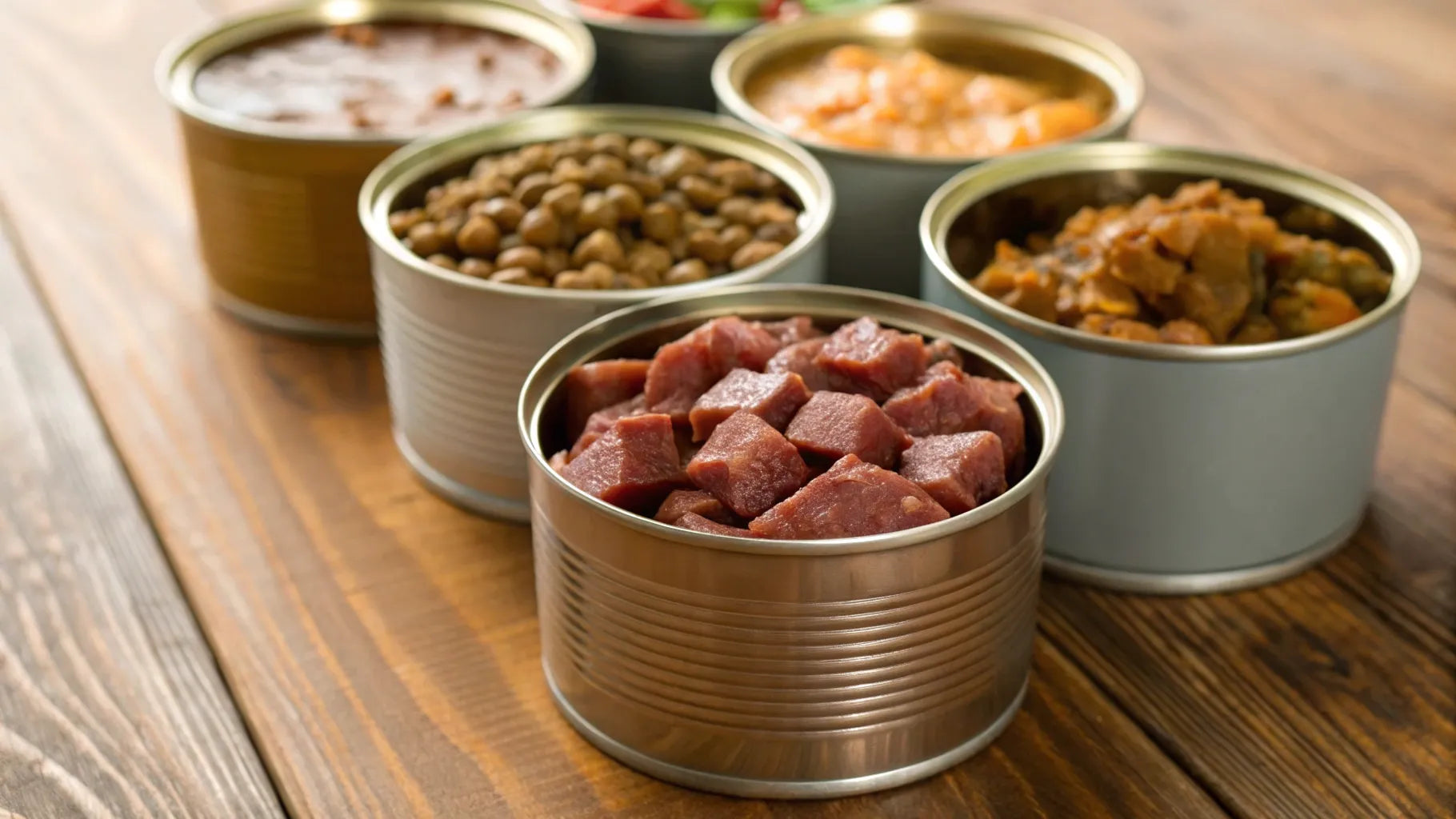
Wet Dog Food Feeding Chart by Dog Size
The chart below gives a general estimate for complete and balanced wet food. It assumes cans contain about 350 to 450 calories each.
| Dog size | Approximate daily calories | Estimated cans per day |
|---|---|---|
| 5 to 10 pounds | 150 to 300 | ⅓ to ¾ can |
| 11 to 20 pounds | 300 to 500 | ¾ to 1½ cans |
| 21 to 40 pounds | 500 to 850 | 1¼ to 2½ cans |
| 41 to 60 pounds | 850 to 1,200 | 2 to 3½ cans |
| 61 to 90 pounds | 1,100 to 1,600 | 2½ to 4½ cans |
| Over 90 pounds | 1,500 or more | 3½ or more cans |
Use this chart only as a rough guide. A 13-ounce can may contain more food but fewer calories than a 12.5-ounce can with a richer recipe.
When deciding how many cans of wet food for a dog, compare the calories per can, not just the can weight. Meat-rich recipes may be more calorie-dense than foods with a high water content.
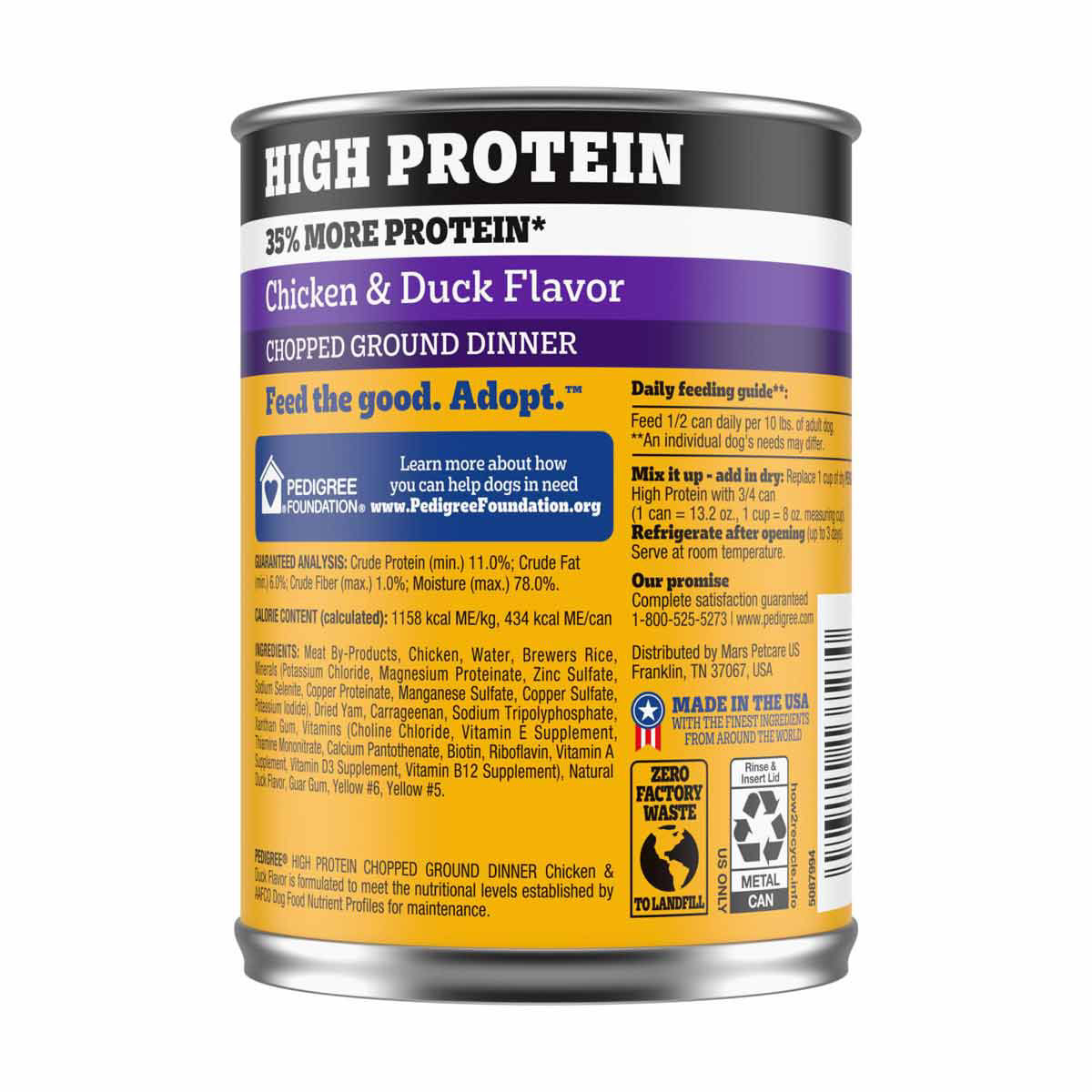
How Much Wet Food Does a Puppy Need?
Puppies need more calories per pound than most adult dogs. Their food must also support healthy bone, muscle, and brain development.
Choose food labeled for growth or for all life stages. Puppy food often has more calories and nutrients than adult maintenance food.
Feed puppies in several meals:
• Young puppies often need three to four meals daily
• Puppies around six months may move to two or three meals
• Many dogs can eat two meals daily as adults
Follow the puppy food label closely, but do not rely on age alone. Breed size matters. Large-breed puppies need controlled growth and a food made for large-breed development.
If you are wondering how many cans of wet food for a dog that is still growing, use the puppy feeding chart rather than the adult chart. Weigh the puppy often and ask your veterinarian to check growth.
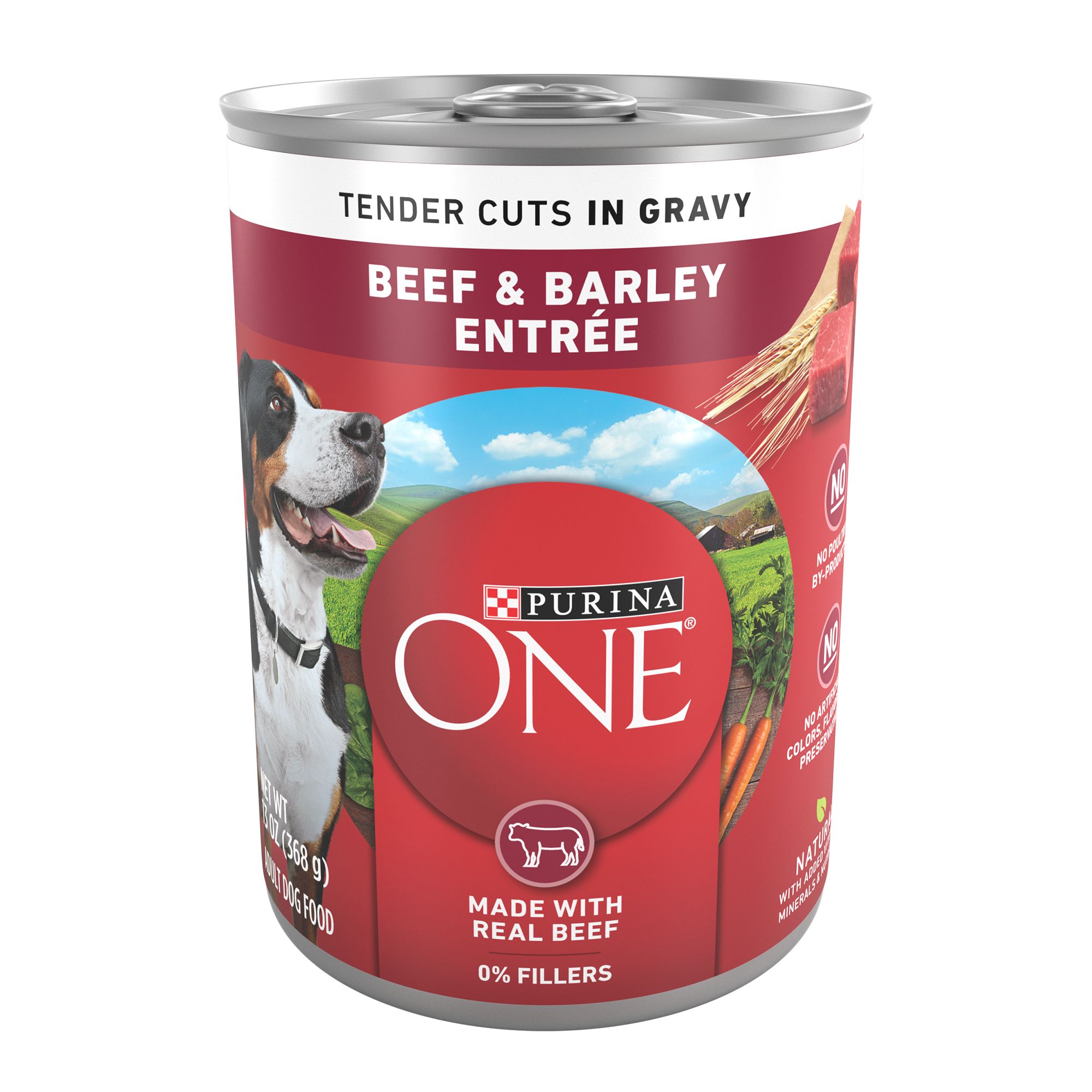
How Much Wet Food Should Small, Medium, and Large Dogs Eat?
Small dogs
Small dogs may need only a portion of a can at each meal. A full can may be too much if the food is high in calories.
For example, a 10-pound dog may need 250 calories per day. If a can contains 350 calories, that dog may need about ¾ of a can daily, split into two meals.
Medium dogs
Medium dogs often need one to three cans daily, depending on their weight and the food’s calorie level. Divide the total into breakfast and dinner for most adult dogs.
Large dogs
Large dogs may need several cans each day. Buying larger cans or combining wet food with measured dry food can make feeding more practical and less expensive.
The answer to how many cans of wet food for a dog in each size group should always include the dog’s body condition. Two dogs of the same breed and weight may need different portions.

Can Wet Food Be the Only Food for a Dog?
Yes, wet food can be a dog’s only food if it is complete and balanced for the correct life stage. Look for a nutritional adequacy statement on the package.
A complete and balanced food should provide the nutrients your dog needs when fed as directed. Foods labeled for “intermittent,” “supplemental,” or “complementary” feeding may not be suitable as a full diet.
Wet food has several benefits:
• It contains a high amount of water
• It may be easier for dogs with dental pain to eat
• Many dogs find it more appealing
• It can help add variety to meals
Wet food also has some limits:
• It spoils faster after opening
• It can cost more than dry food
• Portions may be harder to measure without a kitchen scale
• Some recipes are calorie-dense
A useful habit is to read the entire label before deciding how many cans of wet food for a dog. The words “complete and balanced” are more important than attractive claims on the front of the package.

Mixing Wet and Dry Dog Food
Many owners use a combination of wet and dry food. This can work well, but you must reduce the dry food when adding wet food.
Suppose your dog needs 800 calories daily. You feed one 400-calorie can of wet food. The remaining 400 calories can come from dry food.
If the dry food contains 400 calories per cup, feed one cup of dry food plus the can. Do not feed the full wet-food portion and the full dry-food portion unless your dog needs those extra calories.
Treats count too. A small chew, table scrap, or dental treat can add more calories than expected.
When calculating how many cans of wet food for a dog on a mixed diet, use this formula:
Wet food calories + dry food calories + treat calories = daily calorie intake
Aim to keep treats at about 10% or less of daily calories unless your veterinarian gives different advice.
How to Tell If Your Dog Is Eating the Right Amount
Your dog’s body condition is one of the best tools for adjusting food. You should be able to feel the ribs with light pressure, but the ribs should not be sharply visible in most dogs.
Look for these signs:
• A visible waist when viewed from above
• A gentle tummy tuck when viewed from the side
• Ribs that are easy to feel but not prominent
• Normal energy and steady weight
Weigh your dog every two to four weeks during a feeding change. Use the same scale when possible.
If your dog gains weight, reduce the daily amount slightly. If your dog loses weight without a reason, seems very hungry, or has low energy, speak with your veterinarian.
A common mistake is changing food too quickly. When I review feeding plans, I often see owners add a second can because a dog begs after dinner. Begging is not always hunger. Some dogs learn that pleading earns extra food.
How to Change the Amount Safely
Make feeding changes slowly. A sudden increase can cause loose stool, gas, or vomiting.
Use this simple process:
Start with the label’s recommended amount.
Divide the daily portion into two or more meals.
Measure treats and other foods.
Check your dog’s weight after two to four weeks.
Adjust the daily calories by about 5% to 10% if needed.
Keep the new amount steady for another two weeks.
For dogs with sensitive stomachs, change from the old food to the new food over about seven days. Begin with mostly old food and a small amount of new food, then increase the new food gradually.
If vomiting, diarrhea, weakness, or refusal to eat continues, contact a veterinarian. Do not keep changing foods at random.
How to Store Opened Wet Dog Food
Safe storage matters as much as portion size. Cover an opened can and refrigerate it promptly.
Most opened wet food should be used within three to four days when kept cold. Serve it in a clean bowl, and discard food left at room temperature for several hours.
Helpful storage tips include:
• Use a sealed can lid or airtight container
• Write the opening date on the container
• Let refrigerated food warm slightly before serving if your dog dislikes cold food
• Wash bowls after each meal
• Never feed food that smells sour, looks moldy, or has changed texture
Smaller cans may reduce waste for small dogs. Larger cans may be more affordable for big dogs, but only if your dog can finish the food safely within the storage window.
Common Feeding Mistakes to Avoid
Even careful owners can make simple errors. These mistakes can affect weight and digestion.
• Counting cans without checking calories
• Ignoring treats and table scraps
• Using adult food for a growing puppy
• Feeding a supplemental food as the main diet
• Changing brands too quickly
• Leaving wet food out all day
• Adding supplements without veterinary advice
• Trusting begging instead of body condition
Another mistake is assuming that a clean bowl means your dog needs more food. Some dogs eat quickly, while others leave food because they are satisfied. Use weight, body shape, and health as your guide.
When to Ask a Veterinarian
A veterinarian can help when the label does not seem to fit your dog or when your dog has special needs.
Ask for help if your dog:
• Is losing or gaining weight quickly
• Has ongoing diarrhea or vomiting
• Drinks or urinates much more than usual
• Refuses food for more than a day
• Is pregnant or nursing
• Has kidney, liver, heart, or digestive disease
• Needs a prescription diet
• Is a puppy of a large or giant breed
A veterinary check is especially important for sudden appetite changes. A change in eating can be an early sign of illness.
Frequently Asked Questions About How Many Cans of Wet Food for a Dog
How many cans of wet food should a 20-pound dog eat?
A 20-pound adult dog may need about ¾ to 1½ standard cans daily, depending on calorie content and activity. Check the calories per can and divide the dog’s daily calorie needs by that number.
Can a dog eat two cans of wet food a day?
Yes, two cans may be right for some dogs. The correct amount depends on the dog’s size, health, activity, and the calories in each can.
Is one can of wet food enough for a dog?
One can may be enough for a small dog or a dog also eating dry food. It may not provide enough calories for a medium or large dog if it is the only food.
How many cans of wet food should a 50-pound dog eat?
A 50-pound adult dog may need about two to three cans per day if each can contains roughly 350 to 450 calories. Use the label and your dog’s body condition to make the final adjustment.
Can wet food make a dog gain weight?
Yes, wet food can contribute to weight gain when it provides more calories than your dog uses. Wet food is not automatically fattening, but portion size, treats, and calorie density still matter.
Should wet dog food be served in one meal or two?
Most adult dogs do well with two meals per day. Puppies, dogs with certain health needs, and dogs that eat too fast may benefit from smaller, more frequent meals.
How long can wet dog food sit out?
Wet dog food should not sit out for long periods, especially in warm rooms. Refrigerate unused food promptly and discard food that has been left out for several hours.
Conclusion
The right answer to how many cans of wet food for a dog depends on calories, weight, age, activity, health, and body condition. Start with the package guide, calculate calories when possible, divide meals into sensible portions, and monitor your dog’s weight over time.
A good feeding plan is not fixed forever. Adjust it as your dog grows, becomes more active, ages, or changes health status. Check your dog’s food label today, measure the daily portion, and speak with your veterinarian if you notice weight or appetite changes.