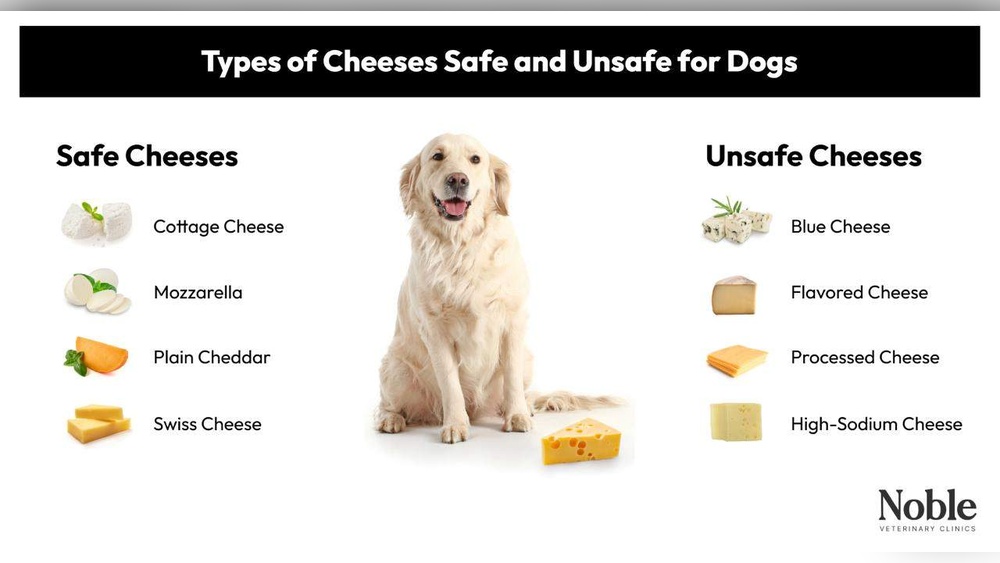
Is Swiss cheese good for dogs, or just a cute treat idea? The short answer: yes, dogs can eat Swiss cheese in small amounts, but it should be an occasional snack, not a daily habit. I’ve given my own dog tiny bites during training, and it worked well—but only in moderation. As someone who follows vet-backed feeding advice, I always suggest checking portions and your dog’s tolerance, so start small and see how your pup reacts.
What Is Swiss Cheese?
Swiss cheese refers to a family of cheeses that originated in Switzerland, with Emmental being the classic example. It is easy to recognize by its pale yellow color and signature holes, called “eyes.” Swiss cheese is made from cow’s milk and aged to develop a nutty, mild flavor. It is lower in salt compared to some other cheeses, which is one reason pet owners often consider it for dogs. However, not all Swiss cheeses are exactly the same—some are more processed or have extra ingredients.
Nutritional Profile Of Swiss Cheese
Swiss cheese offers a range of nutrients. Here’s a look at the key nutritional values in a typical 28-gram (1-ounce) slice:
| Nutrient | Amount (per 28g) |
|---|---|
| Calories | 110 |
| Protein | 8g |
| Fat | 9g |
| Sodium | 54mg |
| Calcium | 224mg |
| Lactose | 0.1–0.4g |
Swiss cheese is rich in protein and calcium, both important for health. It is relatively low in sodium and lactose compared to other cheeses. This makes it slightly safer for dogs who are sensitive to salt or lactose.
Potential Benefits Of Swiss Cheese For Dogs
1. High Protein
Protein is essential for building and repairing muscles, organs, and tissues. For active dogs, a small amount of Swiss cheese can provide a protein boost. However, cheese should never replace regular dog food, which is specially balanced for their needs.
2. Source Of Calcium
Calcium supports strong bones and teeth. Swiss cheese contains a significant amount, which can be helpful, especially for puppies and older dogs. But remember, too much calcium is not always good and can cause health problems if overfed.
3. Low Lactose Content
Many adult dogs are lactose intolerant, meaning they cannot digest milk sugar well. Swiss cheese has lower lactose than many other types, so small servings are less likely to cause digestive upset.
4. Low Sodium (compared To Other Cheeses)
While cheese is not a low-sodium food, Swiss cheese typically contains less sodium than cheddar, feta, or blue cheese. High sodium can be harmful to dogs, so this is a positive point for Swiss cheese.
5. Useful As A Training Treat
Because of its strong smell and taste, Swiss cheese is great as a high-value training reward. It can motivate even stubborn dogs to learn commands or practice good behaviors.
6. Easy To Hide Medication
Hiding pills in Swiss cheese can help dogs take their medicine without stress. The texture and flavor can mask the taste of tablets or capsules.
7. Contains B Vitamins
Swiss cheese provides vitamin B12 and other B vitamins that support nerve health, energy production, and metabolism.
Risks Of Feeding Swiss Cheese To Dogs
1. High Fat Content
Swiss cheese is high in fat. Too much fat can lead to obesity, pancreatitis (a serious inflammation of the pancreas), and other health problems. Fat should be limited, especially for dogs prone to weight gain.
2. Calories Add Up Quickly
A single slice of Swiss cheese contains about 110 calories. For a small dog, this could be 10% or more of daily calorie needs. Overfeeding leads to weight gain and related health issues.
3. Lactose Sensitivity
Even though Swiss cheese is lower in lactose, some dogs are very sensitive. Signs of lactose intolerance include diarrhea, gas, and stomach upset. Always start with a small amount and watch for symptoms.
4. Salt Content
While Swiss cheese is lower in sodium than many cheeses, it is not sodium-free. Too much sodium can cause thirst, dehydration, and in severe cases, sodium poisoning.
5. Risk Of Choking
Cheese, if given in large chunks, can be a choking hazard, especially for small dogs or those who gulp their food. Always cut cheese into small, manageable pieces.
6. Possible Additives
Some Swiss cheeses are processed and may contain herbs, spices, or preservatives that are not safe for dogs. Always check the ingredients before sharing any cheese with your pet.
7. Potential For Allergic Reactions
A small number of dogs can have a milk allergy. Signs include itching, redness, vomiting, or diarrhea. If your dog shows these symptoms, avoid all dairy products.
How Much Swiss Cheese Can Dogs Eat?
The key is moderation. Cheese should be an occasional treat, not a regular part of your dog’s diet. Here is a general guide for safe amounts, but always check with your vet for advice tailored to your dog.
| Dog Size | Max Swiss Cheese Per Week |
|---|---|
| Toy (under 5 kg/11 lbs) | Less than 15g (½ oz) |
| Small (5–10 kg/11–22 lbs) | Up to 28g (1 oz) |
| Medium (10–25 kg/22–55 lbs) | Up to 56g (2 oz) |
| Large (25–45 kg/55–100 lbs) | Up to 85g (3 oz) |
| Giant (45+ kg/100+ lbs) | Up to 112g (4 oz) |
These amounts should be divided into smaller pieces and spread out over the week, not given all at once.
Dogs Who Should Avoid Swiss Cheese
While many dogs can enjoy Swiss cheese in moderation, some should avoid it completely:
- Dogs with dairy allergies: Any dairy can trigger allergic reactions.
- Dogs with pancreatitis or a history of it: High-fat foods like cheese can cause dangerous flare-ups.
- Overweight or obese dogs: Extra calories and fat are not healthy.
- Dogs with kidney problems: Cheese contains phosphorus and sodium, both of which can worsen kidney disease.
- Dogs on a low-sodium diet: Even “low-sodium” cheeses may not be safe.
- Very young puppies: Their digestive systems are sensitive and may not handle cheese well.
If your dog falls into one of these categories, it’s best to avoid Swiss cheese and stick to safer treats.

Credit: dogtime.com
How To Feed Swiss Cheese To Dogs Safely
Feeding cheese can be safe if you follow a few smart steps:
1. Choose Plain, Unflavored Swiss Cheese
Stick to plain, natural Swiss cheese. Avoid varieties with garlic, onions, herbs, or spices—some of these can be toxic to dogs.
2. Cut Into Small Pieces
Slice or cube the cheese into small, bite-sized pieces. This prevents choking and makes it easier to use for training.
3. Start With A Small Amount
Give your dog a tiny piece at first. Watch for any signs of stomach upset or allergies over 24 hours.
4. Use As A Special Treat
Reserve cheese for special rewards—like teaching a new trick or giving medication. Do not use cheese as a daily snack.
5. Store Cheese Properly
Keep cheese in the fridge and check the expiration date. Old or moldy cheese can cause food poisoning.
6. Monitor Calorie Intake
Track all treats, including cheese, in your dog’s daily calorie count. Treats should be less than 10% of total calories.
7. Watch For Symptoms
If your dog develops diarrhea, vomiting, itching, or unusual behavior, stop giving cheese and consult your vet.
Comparing Swiss Cheese To Other Cheeses For Dogs
How does Swiss cheese stack up against other popular cheeses when it comes to dog safety?
| Cheese Type | Lactose | Sodium | Fat | Dog Safety |
|---|---|---|---|---|
| Swiss | Low | Low | High | Moderate |
| Cheddar | Low | Medium | High | Moderate |
| Mozzarella | Low | Low | Lower | Better |
| Blue Cheese | Low | High | High | Poor |
| Cottage Cheese | Medium | Low | Low | Better |
Mozzarella and cottage cheese are usually safer choices because they are lower in fat and sodium. Blue cheese should never be given—it contains toxins that are dangerous for dogs.

Credit: www.tillamook.com
Hidden Dangers: Additives And Processed Cheese
Not all cheese is created equal. Many pre-sliced or packaged Swiss cheeses contain preservatives, artificial colors, or flavorings. Some “Swiss cheese” slices are actually processed cheese, which can have more salt, sugar, or even xylitol—a sweetener that is deadly for dogs. Always check the label and choose natural, whole Swiss cheese.
A common mistake is to give dogs cheese with herbs or garlic. Garlic and onion are toxic to dogs, even in small amounts. Swiss cheese with added flavors is not safe for pets.
Lactose Intolerance In Dogs
Many dog owners are surprised to learn that most adult dogs are lactose intolerant to some degree. Puppies produce lactase, the enzyme that digests milk sugar, but this declines as they grow older. Swiss cheese is lower in lactose, but even a little can upset some dogs’ stomachs.
Signs of lactose intolerance include:
- Loose stools or diarrhea
- Gas and bloating
- Vomiting
- Lack of appetite
If you notice these symptoms after giving cheese, stop immediately and switch to non-dairy treats.
When Is Swiss Cheese A Bad Idea?
There are times when even a small piece of Swiss cheese can be harmful. Avoid giving cheese if:
- Your dog is vomiting or has diarrhea for unknown reasons
- Your dog is on a prescription diet or strict nutrition plan
- There are known food allergies or sensitivities
- The cheese is past its expiration date or moldy
Always trust your veterinarian’s advice over general guidelines.
Alternatives To Swiss Cheese For Dogs
If you want to avoid cheese but still give your dog a special treat, try these options:
- Cooked lean meat (chicken, turkey, or beef, unseasoned)
- Carrot sticks or apple slices (without seeds)
- Plain rice cakes (broken into small bits)
- Dog-safe peanut butter (no xylitol or added sugar)
- Commercial dog treats made for sensitive stomachs
These alternatives are generally lower in fat and easier on your dog’s digestive system.
Two Insights Most Dog Owners Miss
First, many owners forget to adjust their dog’s main meals when giving extra treats like cheese. Even small treats can add up over time. It’s a good habit to reduce your dog’s meal size slightly on days when they get cheese or other high-calorie snacks.
Second, the type of cheese matters more than people think. Even “Swiss cheese” can vary widely in sodium and fat, especially between brands or countries. Checking the label every time is important, even if you’ve bought Swiss cheese before.
How To Use Swiss Cheese For Training
Swiss cheese can be a powerful motivator for dogs. Here’s how to use it effectively:
- Cut cheese into tiny cubes, about the size of a pea.
- Use cheese only for difficult commands or to reward especially good behavior.
- Mix cheese cubes with lower-calorie treats to keep your dog interested without overfeeding.
- Avoid using cheese for every training session—variety keeps dogs motivated.
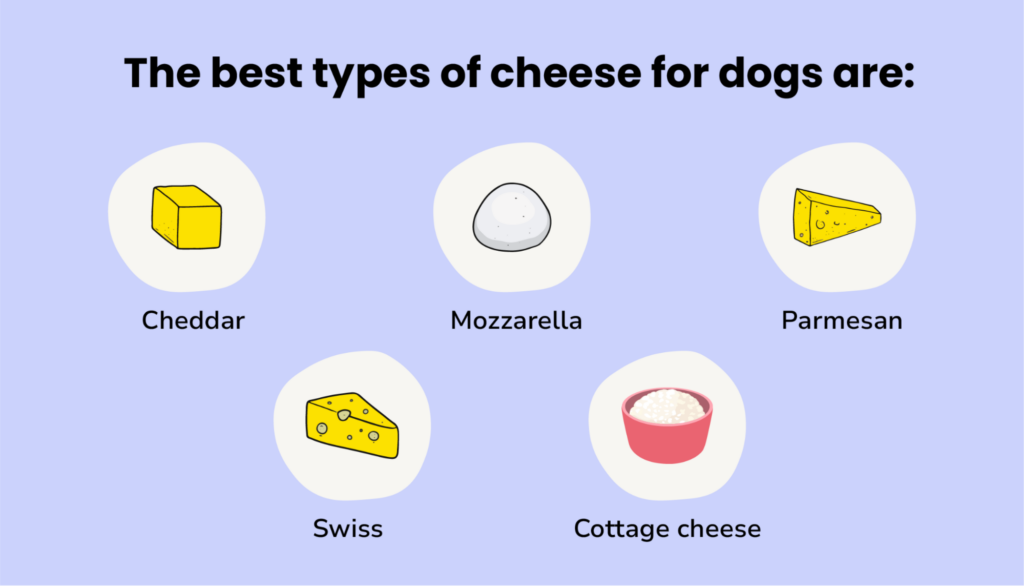
Credit: impuriumcollege.co.za
What To Do If Your Dog Eats Too Much Swiss Cheese
If your dog eats a large amount of Swiss cheese, watch for these signs:
- Vomiting or diarrhea
- Lethargy or restlessness
- Signs of abdominal pain (whining, stretching, or bloated stomach)
For small dogs, even a few slices can cause problems. Offer plenty of water and keep an eye on your dog for the next 24 hours. If you see any worrying symptoms, contact your vet right away.
The Importance Of Variety In Dog Treats
Dogs, like people, benefit from a varied diet. Relying on cheese as your main treat can lead to nutrient imbalances or overfeeding. Rotate cheese with other healthy treats, such as cooked vegetables or fruit, to keep things interesting and balanced.
Expert Opinions On Cheese For Dogs
Veterinarians generally agree that cheese is not toxic to dogs, but it should be given in small amounts. The American Kennel Club notes that cheese can be a good training tool but should not be a daily snack. Moderation and careful monitoring are key. For more details, you can check the American Kennel Club’s advice.
Frequently Asked Questions
Is Swiss Cheese Better For Dogs Than Other Cheeses?
Swiss cheese is lower in sodium and lactose than many cheeses, making it a slightly better choice for dogs. However, it is still high in fat and calories, so moderation is important. Safer options are plain mozzarella or cottage cheese.
Can Puppies Eat Swiss Cheese?
Puppies have sensitive digestive systems. While a tiny piece may not harm them, it is best to avoid cheese until they are older and their stomachs are more stable. Always consult your vet before introducing dairy to a puppy.
My Dog Ate A Large Piece Of Swiss Cheese. What Should I Do?
Monitor your dog for signs of stomach upset, such as vomiting, diarrhea, or bloating. Offer water and keep your dog calm. If symptoms appear, or if your dog is very small or has health issues, call your veterinarian for advice.
Does Swiss Cheese Cause Allergies In Dogs?
Some dogs are allergic to dairy proteins, including those in Swiss cheese. Signs include itching, redness, ear infections, or digestive problems. If you notice these, stop giving cheese and talk to your vet.
Are Swiss Cheese-flavored Dog Treats Safe?
Dog treats labeled as “Swiss cheese flavor” are usually made to be safe for pets, but check the ingredient list for added salt, preservatives, or sugar. Avoid human cheese snacks, as these often contain unsafe ingredients like onion or garlic powder.
Swiss cheese can be a tasty, special treat for many dogs when given correctly. It offers some nutritional value but also comes with risks, especially if overfed or if your dog has health concerns. Always use cheese sparingly, choose plain varieties, and watch your dog for any changes.
With careful use, Swiss cheese can be a safe part of your dog’s treat rotation, but it should never replace a balanced diet designed for canine health. Your dog’s happiness and well-being depend on smart, informed choices—so when in doubt, talk to your veterinarian before offering something new.