Blue cheese is a favorite among many people for its strong taste and smell. But for dogs, blue cheese can be dangerous—even deadly. Many pet owners are surprised to learn that a small piece of this cheese can cause serious health problems in dogs.
If you’re a dog owner who loves cheese, it’s important to know how much blue cheese is toxic to dogs, why it’s risky, and what to do if your dog eats some. This article will help you understand all the important facts about blue cheese and dogs, so you can keep your pet safe and healthy.
Why Blue Cheese Is Dangerous For Dogs
Blue cheese is not just another dairy product. It contains certain molds that make it blue and give it its unique flavor. These molds produce mycotoxins, which are harmful chemicals. The most dangerous one for dogs is called roquefortine C. This toxin can poison your dog’s nervous system and cause many health problems.
Unlike some foods that are simply unhealthy for dogs, blue cheese contains substances that can seriously damage their organs. Dogs are much more sensitive to these toxins than humans. Even a small amount can cause symptoms like vomiting, diarrhea, tremors, and even seizures.
Some dogs may react more strongly than others, depending on their size and overall health.
How Much Blue Cheese Is Toxic To Dogs?
It’s difficult to say exactly how much blue cheese is toxic for every dog because several factors play a role, such as weight, age, breed, and health condition. However, experts agree that even small amounts can be dangerous. Toxic effects have been reported when a dog eats as little as 0.5 grams per kilogram of body weight. For a 10 kg (22 lbs) dog, that’s only about 5 grams of blue cheese—less than a tablespoon.
| Dog Weight | Approx. Toxic Blue Cheese Amount |
|---|---|
| 5 kg (11 lbs) | 2.5 grams |
| 10 kg (22 lbs) | 5 grams |
| 20 kg (44 lbs) | 10 grams |
The toxic dose can be even lower for puppies, older dogs, or dogs with underlying health issues. As a rule, never give blue cheese to your dog, and be careful with foods that may contain it, such as salads, dressings, or stuffed meats.
What Makes Blue Cheese More Dangerous Than Other Cheeses?
Blue cheese is different from cheddar, mozzarella, or Swiss cheese. The main problem is the Penicillium mold used to make blue cheese. This mold produces the dangerous roquefortine C toxin, which is not present in other common cheeses. The stronger the blue cheese, the higher the toxin level.
Other cheeses, like plain cottage cheese or cream cheese, do not contain these molds and are usually safer for dogs in small amounts. However, most cheese is high in fat and salt, which can also upset your dog’s stomach or cause other health problems if eaten often.
Types Of Blue Cheese: Which Are Most Toxic?
Not all blue cheeses are created equal. Some varieties have more mold and toxins than others. The most common types include:
- Roquefort – One of the strongest blue cheeses, high in roquefortine C.
- Stilton – Also contains a lot of mold and is risky for dogs.
- Gorgonzola – Milder than Roquefort but still dangerous.
- Danish Blue – Moderate toxin levels, still unsafe for dogs.
No matter the type, all blue cheeses are toxic for dogs, but the risk is highest with Roquefort and Stilton.
| Blue Cheese Type | Relative Toxin Level | Risk for Dogs |
|---|---|---|
| Roquefort | Very High | Extremely Dangerous |
| Stilton | High | Very Dangerous |
| Gorgonzola | Moderate | Dangerous |
| Danish Blue | Moderate | Dangerous |
It’s smart to keep all types of blue cheese out of reach, especially during meals or parties where dropped food can tempt curious pets.
Signs And Symptoms Of Blue Cheese Poisoning In Dogs
If a dog eats blue cheese, symptoms can show within 30 minutes to 6 hours. The most common signs include:
- Vomiting
- Diarrhea
- Drooling
- Loss of balance
- Muscle tremors
- Seizures
- Rapid heartbeat
- High temperature
Some dogs may also become restless, pant, or act confused. If your dog is small, old, or has a weak immune system, the symptoms may appear faster and be more severe.
Why Symptoms Can Be Delayed
Not all dogs show symptoms right away. Sometimes, the signs of poisoning appear hours later. This delay happens because the toxin needs time to enter the dog’s bloodstream. If you know your dog ate blue cheese, do not wait for symptoms—contact a vet immediately.
What To Do If Your Dog Eats Blue Cheese
Quick action is important if your dog has eaten blue cheese, even if it was a small amount. Here’s what you should do:
- Stay calm – Panicking can stress your dog.
- Remove any remaining cheese – Make sure your dog cannot eat more.
- Check for symptoms – Watch for vomiting, tremors, or confusion.
- Call your veterinarian – Give details about the cheese, how much your dog ate, and your dog’s weight.
- Follow your vet’s advice – They may tell you to come in or to monitor your dog at home.
If you can’t reach your vet, call a 24-hour animal poison control center. Bringing the cheese packaging can help the vet identify the type and amount.

Credit: designerdogfoods.co.uk
How Vets Treat Blue Cheese Poisoning
Treatment depends on how much cheese your dog ate and how quickly you act. If you get help early, the vet may make your dog vomit to remove the toxin. Sometimes, they give activated charcoal to absorb the poison in the stomach.
If your dog already shows signs of poisoning, the vet may give fluids, medication for seizures, or oxygen support. The goal is to keep your dog stable until the toxin leaves their body.
Dogs that get treatment quickly usually recover well. But if you wait too long, the poisoning can be fatal. That’s why time is critical.
Blue Cheese In Processed Foods: Hidden Risks
Many people don’t realize that blue cheese is used in other foods. For example, salad dressings, dips, and stuffed olives often contain blue cheese. Even small bits hidden in food can be toxic to dogs.
Read food labels carefully if you share table scraps with your pet. Foods labeled “blue cheese flavor,” “Roquefort dressing,” or “gorgonzola sauce” are all risky. Even a crumb can harm a small dog.
Two Insights Dog Owners Often Miss
- Not all cheese is the same: Many people think all cheese is equally dangerous for dogs, but only blue cheese (and some moldy cheeses) contain the specific mycotoxin that causes neurological symptoms. Cheddar or mozzarella, for example, are less risky but still not recommended in large amounts due to fat and salt.
- Risk increases with age and health issues: Puppies, elderly dogs, or those with liver or kidney problems are even more sensitive to toxins. What may be a minor dose for a healthy adult dog could be fatal for a vulnerable one.
Real-life Example: What Happens When A Dog Eats Blue Cheese
A 6-year-old beagle weighing 12 kg once ate about 20 grams of Roquefort left on the kitchen counter. Within 1 hour, she started drooling and staggering. Her owner rushed her to the vet, who induced vomiting and gave activated charcoal. With fast action, the dog recovered fully after two days. The vet explained that a higher dose or slower response could have been deadly.
How To Prevent Blue Cheese Poisoning
Prevention is always better than treatment. Here’s how you can protect your dog:
- Store cheese safely: Keep all cheeses, especially blue varieties, out of your dog’s reach.
- Be careful at parties: Guests may drop food. Watch your dog or keep them in another room during meals.
- Teach “leave it” command: Training your dog to leave food on the ground can prevent accidents.
- Check labels: Avoid sharing processed foods if you’re unsure about the ingredients.
Even if your dog begs or looks cute, remember that some foods are simply not worth the risk.
Are Other Moldy Cheeses Dangerous Too?
Yes, some other moldy cheeses can also be dangerous. For example, Brie and Camembert may contain similar toxins if they spoil or are made with unregulated mold. However, blue cheese is the most risky because of the specific mold used.
If you notice mold growing on any cheese, do not give it to your dog. Mold can create new toxins that are even more harmful than those in blue cheese.
Comparing Cheese Types: Risk For Dogs
To help you understand how blue cheese compares to other popular cheeses, here’s a simple chart:
| Cheese Type | Toxin Risk | Fat/Salt Risk | Safe for Dogs? |
|---|---|---|---|
| Blue Cheese | Very High | High | No |
| Cheddar | Low | High | Rarely (very small amounts) |
| Mozzarella | Low | Moderate | Rarely (very small amounts) |
| Cream Cheese | Low | Moderate | Rarely (very small amounts) |
| Brie/Camembert | Moderate if moldy | High | No |
The safest rule: Stick to dog treats and avoid human cheese.
Why Dogs Are So Sensitive To Blue Cheese
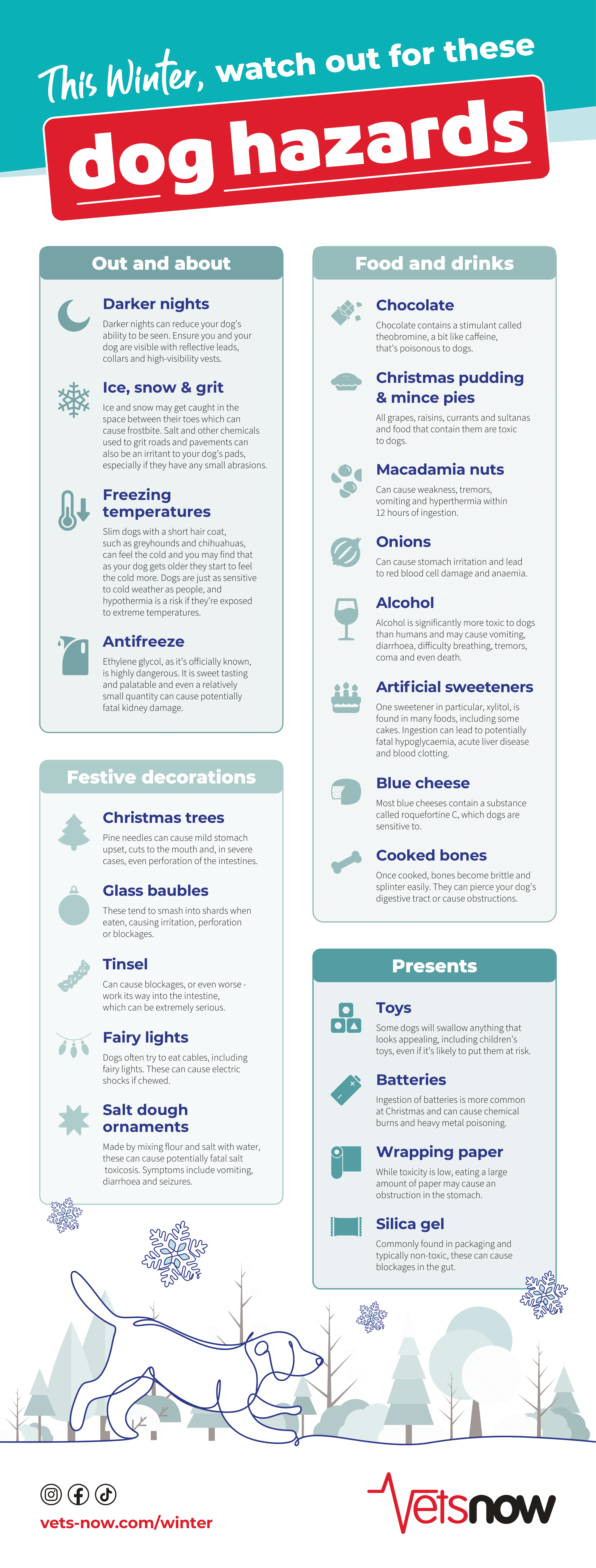
Dogs process food differently from humans. They have a smaller liver and less ability to break down toxins. The roquefortine C in blue cheese quickly builds up in their system, attacking the nervous system and causing symptoms like muscle tremors and seizures. Even dogs who seem “tough” can get sick from a tiny amount.
Some breeds, such as collies and shepherds, may be extra sensitive due to their genetics. Puppies and older dogs are also at higher risk. There is no safe amount of blue cheese for any dog.
Credit: www.vets-now.com
Can A Dog Die From Eating Blue Cheese?
Yes, blue cheese poisoning can be fatal if not treated quickly. The toxin attacks the brain and nerves, which can lead to seizures, coma, and death. Most dogs survive if they get help right away, but delays can be deadly.
If your dog has seizures, collapses, or cannot stand, this is an emergency. Take your dog to a vet or emergency animal hospital immediately.
Are There Any Safe Alternatives To Blue Cheese?
If you want to share a treat with your dog, choose safe options. Some alternatives include:
- Plain cooked chicken or turkey
- Small pieces of carrot or apple (without seeds)
- Dog-safe commercial treats
Some people give their dogs small amounts of cheddar or mozzarella, but remember these are high in fat and salt. Always give tiny amounts and not every day.
Common Mistakes Dog Owners Make
- Thinking “just a taste” is safe: Even a small piece can be toxic, especially for small dogs.
- Not checking ingredient labels: Many processed foods contain hidden blue cheese.
- Assuming all cheese is the same: Blue cheese is much more dangerous than most other types.
- Delaying a vet visit: Waiting for symptoms to appear can reduce the chance of recovery.
Be proactive. If your dog eats blue cheese, act quickly, even if it seems fine.
What Science Says: Research On Blue Cheese And Dogs
Scientific studies show that roquefortine C is dangerous for dogs at low doses. One study found that symptoms appeared in dogs after eating less than 0.5 grams per kilogram. Another study noted neurological effects such as tremors and seizures as common outcomes of poisoning.
There is no antidote for blue cheese poisoning. Treatment focuses on removing the toxin and supporting the dog’s body while it recovers.
For more details, see this scientific summary on roquefortine C.
Credit: wellspringvet.net
How To Educate Family And Friends
Make sure everyone in your home knows that blue cheese is dangerous for dogs. If you have children, teach them not to share food with pets. Remind guests during parties or gatherings to avoid feeding table scraps to your dog.
If you hire a pet sitter or use a dog walker, inform them about blue cheese and other risky foods. Clear communication can save your dog’s life.
Keeping Your Dog Safe: Practical Tips
- Store cheese in closed containers or the fridge.
- Supervise your dog during parties or large meals.
- Teach children to never feed the dog without asking an adult.
- Use pet-safe treats for training or rewards.
By building safe habits, you reduce the risk of an accident.
Frequently Asked Questions
How Much Blue Cheese Is Fatal For A Dog?
There is no exact fatal dose, but as little as 0.5 grams per kilogram of body weight can cause severe symptoms. For small dogs, even less can be deadly. Always contact a vet if your dog eats any amount.
What Should I Do If My Dog Eats Blue Cheese But Seems Fine?
Do not wait for symptoms. Call your veterinarian and tell them how much your dog ate and its weight. Early treatment is key to preventing serious health problems.
Can Dogs Eat Any Type Of Blue Cheese Safely?
No. All blue cheese varieties contain dangerous mycotoxins that can poison your dog. Even small amounts are unsafe.
Are Dogs Allergic To Blue Cheese Or Is It Just Poisonous?
It’s not an allergy—it’s poisoning from the roquefortine C toxin produced by the mold in blue cheese. Allergic reactions are rare, but poisoning is common and dangerous.
What Are The First Signs Of Blue Cheese Poisoning In Dogs?
The first symptoms usually include vomiting, diarrhea, drooling, and loss of balance. Tremors, seizures, and confusion can follow within hours. If you see these signs, get veterinary help right away.
Blue cheese is delicious for humans but dangerous for dogs. Even a small bite can cause poisoning, seizures, or worse. Always store cheese safely, check food labels, and teach your family about the risks. If your dog eats blue cheese, don’t wait—contact a vet immediately.
Keeping your dog safe means being alert and informed. Your furry friend depends on you to make the right choices every day.