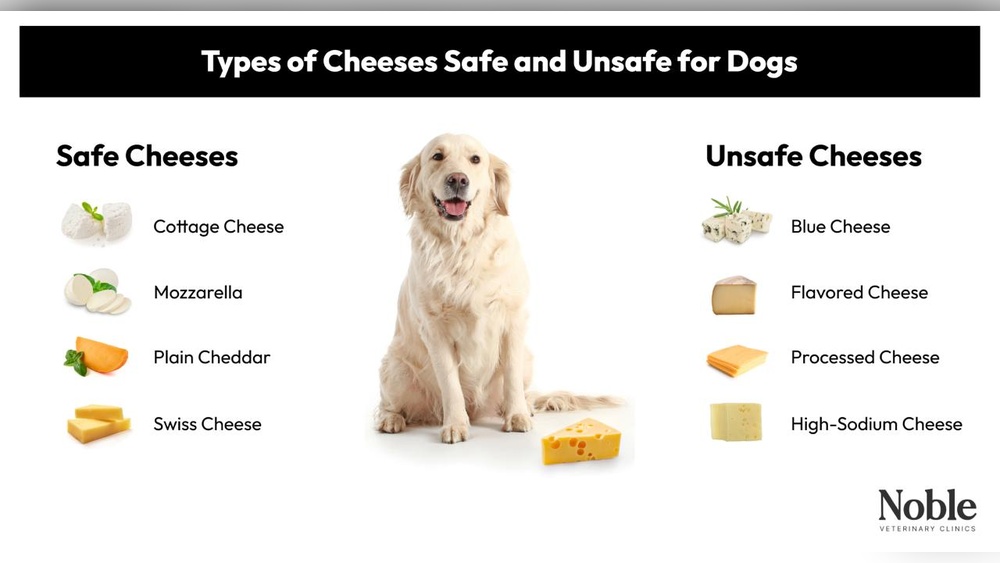
Can dogs eat Gouda cheese, or is it a risky treat? The short answer is yes—dogs can eat Gouda cheese in small amounts, but it’s not always the best choice for every pup. I’ve given my dog tiny bites before and learned quickly that moderation matters, especially with rich cheeses. As someone who studies pet nutrition closely, I always suggest checking your dog’s tolerance first—so let’s break down what’s safe and what to watch for.
What Is Gouda Cheese?
Gouda cheese is a semi-hard cheese that comes from the Netherlands. It is known for its yellow color, smooth texture, and slightly sweet, nutty taste. Gouda is made from cow’s milk and is aged anywhere from a few weeks to over a year. The longer it ages, the stronger and firmer the flavor becomes.
There are different types of Gouda, such as:
- Young Gouda: Mild flavor, creamy texture, aged for a few weeks.
- Aged Gouda: Harder, with a rich, caramel-like flavor, aged for months or years.
- Smoked Gouda: Has a smoky flavor due to the smoking process.
Gouda is often used in sandwiches, melted on dishes, or eaten as a snack. Its nutrition can change depending on the age and type. Generally, Gouda is high in fat and protein, and contains calcium, phosphorus, and vitamins like vitamin A and B12.
Is Gouda Cheese Safe For Dogs?
Let’s answer the main question: Can dogs eat Gouda cheese? The short answer is: yes, but only in small amounts and not for all dogs.
Why Gouda Cheese Can Be Risky
While Gouda cheese is not toxic to dogs, there are some things that make it risky:
- High Fat Content: Gouda is rich in fat. Too much fat can upset your dog’s stomach or lead to weight gain and pancreatitis, which is a serious illness.
- Salt Levels: Gouda contains salt (sodium). Dogs are more sensitive to salt than humans. High salt intake can cause dehydration or even salt poisoning in dogs.
- Lactose: Like most cheeses, Gouda contains lactose. Some dogs are lactose intolerant, meaning they can’t digest lactose well. This can cause diarrhea, gas, or stomach pain.
- Additives: Some Gouda cheeses, especially flavored or processed ones, may have added herbs, garlic, onion, or smoke flavor. Garlic and onion are toxic to dogs.
How Much Gouda Cheese Is Safe?
If your dog is not lactose intolerant and has no health issues, a small piece of plain, young Gouda as an occasional treat is usually safe. A good rule is to give cheese as less than 10% of your dog’s daily calories.
For a medium-sized dog, this means a piece about the size of a dice (1x1x1 cm) once in a while.
Some dogs, such as puppies, seniors, or those with kidney, liver, or pancreas problems, should not eat cheese at all. Always check with your vet before sharing cheese with your dog.
Nutritional Value Of Gouda Cheese
Understanding the nutrition in Gouda cheese helps you see if it fits your dog’s diet. Here’s a look at the nutrients in a typical 28g (1 oz) serving of young Gouda:
| Nutrient | Amount per 28g (1 oz) |
|---|---|
| Calories | 101 kcal |
| Protein | 7g |
| Fat | 8g |
| Saturated Fat | 5g |
| Sodium | 232mg |
| Calcium | 198mg |
| Vitamin A | 7% RDA |
| Vitamin B12 | 15% RDA |
Gouda has a good amount of protein and calcium, which are important for strong muscles and bones. However, the fat and sodium are high compared to what most dogs need. Too much fat can cause stomach upset, and too much sodium can be harmful, especially for dogs with heart or kidney problems.
Benefits Of Gouda Cheese For Dogs
You may be surprised to know that cheese can have some benefits for dogs, if given in very small amounts:
1. Training Tool
Cheese is tasty and smelly, making it a popular high-value reward during dog training. Because dogs love the flavor, a tiny piece of Gouda can be used as a special treat for learning new commands or good behavior.
2. Hiding Medication
If your dog refuses pills, a small piece of soft cheese like Gouda can hide the medicine. This makes giving medication less stressful for both you and your pet.
3. Protein And Calcium
Gouda gives a little protein and calcium, which help muscles and bones. But your dog should already get enough from their main food, so cheese is not a replacement for balanced dog food.
4. Mental Enrichment
Cheese can be part of a puzzle toy or used in a food-hiding game. This can keep your dog’s mind active and fight boredom.
However, these benefits only apply if cheese is given rarely and in tiny amounts. Too much can quickly cause problems.

Credit: articles.hepper.com
Risks Of Feeding Gouda Cheese To Dogs
Even though Gouda cheese is not poisonous, the risks are real if you feed too much or to the wrong dog.
1. Weight Gain And Obesity
Gouda is high in calories and fat. Feeding too much cheese, even as treats, can cause dogs to gain weight. Obesity is a common problem in pets and can lead to joint pain, diabetes, and heart disease.
2. Pancreatitis
A sudden intake of high-fat foods can trigger pancreatitis—inflammation of the pancreas. This is a painful and dangerous condition, with symptoms like vomiting, diarrhea, and loss of appetite. Small breeds and dogs with previous pancreas issues are at higher risk.
3. Digestive Problems
Many dogs have trouble digesting lactose, the sugar in milk products. This can cause gas, diarrhea, or stomach cramps after eating cheese. Even if your dog seems fine the first time, problems can show up later.
4. Salt Toxicity
Dogs need much less salt than people. Too much salt can lead to extreme thirst, vomiting, tremors, or even seizures. Gouda is not the saltiest cheese, but it still contains more sodium than most dog treats.
5. Harmful Additives
Some Gouda cheeses are flavored with herbs, spices, or smoke. Ingredients like garlic and onion are very toxic to dogs, even in small amounts. Always check the label before sharing.
6. Allergic Reactions
Though rare, some dogs can be allergic to dairy. Signs include itchy skin, ear infections, or chronic stomach upset. If you notice these signs, stop feeding cheese and see your vet.
Gouda Cheese Vs. Other Cheeses For Dogs
Not all cheeses are the same when it comes to feeding dogs. Let’s see how Gouda compares to some other popular cheeses:
| Cheese | Fat (per 28g) | Sodium (per 28g) | Lactose Content |
|---|---|---|---|
| Gouda | 8g | 232mg | Low-Moderate |
| Cheddar | 9g | 180mg | Low |
| Mozzarella | 6g | 175mg | Moderate |
| Swiss | 8g | 54mg | Low |
| Cottage Cheese | 4g | 360mg | High |
| Parmesan | 7g | 429mg | Low |
Swiss cheese is the lowest in sodium, while cottage cheese is lower in fat but has high sodium. Parmesan is very salty and should be avoided for dogs. Cheddar is similar to Gouda but slightly lower in sodium. If you want to give cheese to your dog, a plain, low-fat, and low-sodium cheese is the safest choice.
Signs Your Dog Should Not Eat Gouda Cheese
Some dogs should not have cheese at all. Watch for these warning signs after your dog eats Gouda cheese:
- Loose stools or diarrhea
- Excessive gas
- Vomiting
- Itching or skin rash
- Ear infections
- Lethargy or weakness
If you see any of these, stop giving cheese and talk to your vet. Dogs with a history of pancreatitis, obesity, kidney or liver disease, or food allergies should never eat Gouda cheese.
How To Safely Serve Gouda Cheese To Dogs
If your vet says it’s safe, and your dog is healthy, here are some tips to serve Gouda cheese safely:
1. Choose Plain, Young Gouda
Pick a Gouda cheese with no added flavors, herbs, or smoke. Young Gouda is softer and has less salt and fat than aged Gouda.
2. Cut Into Tiny Pieces
A piece the size of a pea or dice is enough. This prevents choking and limits the calories and fat your dog eats.
3. Use As A Special Treat
Cheese should not be a daily food. Use it as a rare treat or training reward, not as a regular part of your dog’s diet.
4. Watch For Reactions
After your dog eats cheese, watch for stomach problems or allergic signs. Some dogs may react the first time, while others develop issues over time.
5. Avoid With Medication (unless Vet-approved)
Some medicines should not be given with dairy products because they block absorption. Always check with your vet before hiding pills in cheese.
6. Keep Away From Puppies And Sick Dogs
Young puppies and dogs with health problems should not eat Gouda cheese.
Common Mistakes When Feeding Cheese To Dogs
Many dog owners make simple mistakes when giving cheese to their pets. Avoid these common errors:
- Giving Too Much: Even small amounts can add up. Overfeeding cheese can quickly lead to weight gain or upset stomach.
- Ignoring Ingredients: Flavored cheeses may contain garlic, onion, or herbs that are toxic to dogs.
- Not Checking for Lactose Intolerance: Some owners do not watch for signs of lactose intolerance, such as diarrhea or gas.
- Feeding to Dogs With Health Problems: Some dogs should never eat cheese due to kidney, liver, pancreas, or allergy issues.
- Using as a Meal Replacement: Cheese is not a balanced food for dogs and should never replace regular meals.
Non-obvious Insights About Cheese And Dogs
Most articles only mention basic do’s and don’ts. Here are two important points many owners miss:
1. Cheese Can Mask Food Allergies
If your dog has allergies to chicken, beef, or grains, cheese can hide allergy symptoms because it is so tasty. This can make it harder to spot what is causing the problem if you give cheese often.
2. Cheese Can Affect The Microbiome
A dog’s gut has a balance of healthy bacteria. Cheese, especially in large amounts, can change this balance, leading to more stomach problems over time. A healthy microbiome is important for digestion and the immune system.
Alternatives To Gouda Cheese For Dogs
If you want to give your dog a special treat but are worried about Gouda cheese, there are safer options:
- Carrot sticks: Crunchy, low-calorie, and good for teeth.
- Apple slices: Remove seeds and core before feeding.
- Plain cooked chicken: Lean protein, easy to digest.
- Small pieces of plain rice cake: Low in fat and salt.
- Commercial dog treats: Formulated for dogs, with safe ingredients.
These options are lower in fat, salt, and lactose, and are less likely to cause problems.
Gouda Cheese And Specific Dog Breeds
Some breeds are more sensitive to fat, salt, or lactose. For example:
- Miniature Schnauzers and Cocker Spaniels: Higher risk of pancreatitis; avoid fatty treats like Gouda.
- Labradors and Beagles: Prone to obesity; cheese can quickly add calories.
- Bulldogs and Boxers: More likely to have food allergies; cheese may trigger symptoms.
If your dog’s breed is at risk, it’s best to skip cheese treats entirely.

Credit: www.cheese.com
What To Do If Your Dog Eats Too Much Gouda Cheese
Accidents happen. If your dog gets into a block of Gouda, watch for:
- Vomiting or diarrhea
- Excessive thirst or urination
- Lethargy or shaking
- Signs of pain (crying, hunched posture)
If you see any of these, call your vet right away. Bring the cheese packaging, if possible, so the vet can check for dangerous ingredients like garlic or onion.
Scientific Perspective: What Research Says
There is limited direct research about cheese and dogs, but studies on dog nutrition show that high-fat and high-salt foods can harm pets over time. According to the World Small Animal Veterinary Association (WSAVA), treats (including cheese) should make up less than 10% of your dog’s daily calories.
Research also shows that about 50% of adult dogs have some degree of lactose intolerance. This makes dairy products like cheese less suitable for many dogs.
For more scientific details, see this overview from the Wikipedia: Cheese and Dogs.

Credit: www.houndsy.com
Frequently Asked Questions
Can Puppies Eat Gouda Cheese?
No, puppies should not eat Gouda cheese. Puppies have sensitive stomachs and are more likely to react badly to high-fat, salty, or lactose-containing foods. Their bodies are still developing, and cheese can upset their digestion or cause long-term health issues.
What Should I Do If My Dog Eats Flavored Gouda With Garlic?
Garlic is toxic to dogs and can cause serious health problems, even in small amounts. If your dog eats Gouda cheese with garlic, call your vet immediately. Watch for symptoms like vomiting, weakness, rapid breathing, or pale gums.
How Can I Tell If My Dog Is Lactose Intolerant?
Signs of lactose intolerance include diarrhea, gas, bloating, and stomach pain after eating dairy. These symptoms usually appear within a few hours. If you notice these, avoid all dairy products and talk to your vet.
Is Low-fat Gouda Cheese Better For Dogs?
Low-fat cheese is safer than regular cheese because it has less fat and fewer calories. However, it still contains salt and lactose, so only give it in very small amounts and check for reactions. Always choose plain, unflavored varieties.
Can Gouda Cheese Be Used To Hide Medicine For Dogs?
Yes, Gouda cheese can hide pills, but check with your vet first. Some medicines should not be given with dairy because it can reduce absorption. Use only a tiny piece of cheese to hide the pill, and never make it a regular habit.
Dogs bring joy to our lives, and it’s natural to want to share treats like Gouda cheese with them. While a small piece of plain, young Gouda can be safe for some dogs, the risks often outweigh the benefits. Cheese is high in fat, salt, and lactose, all of which can cause problems for dogs. Always check with your vet before giving new foods, and watch for signs of intolerance. If you want to spoil your dog, there are safer treats out there. Remember: when it comes to cheese and dogs, less is more.