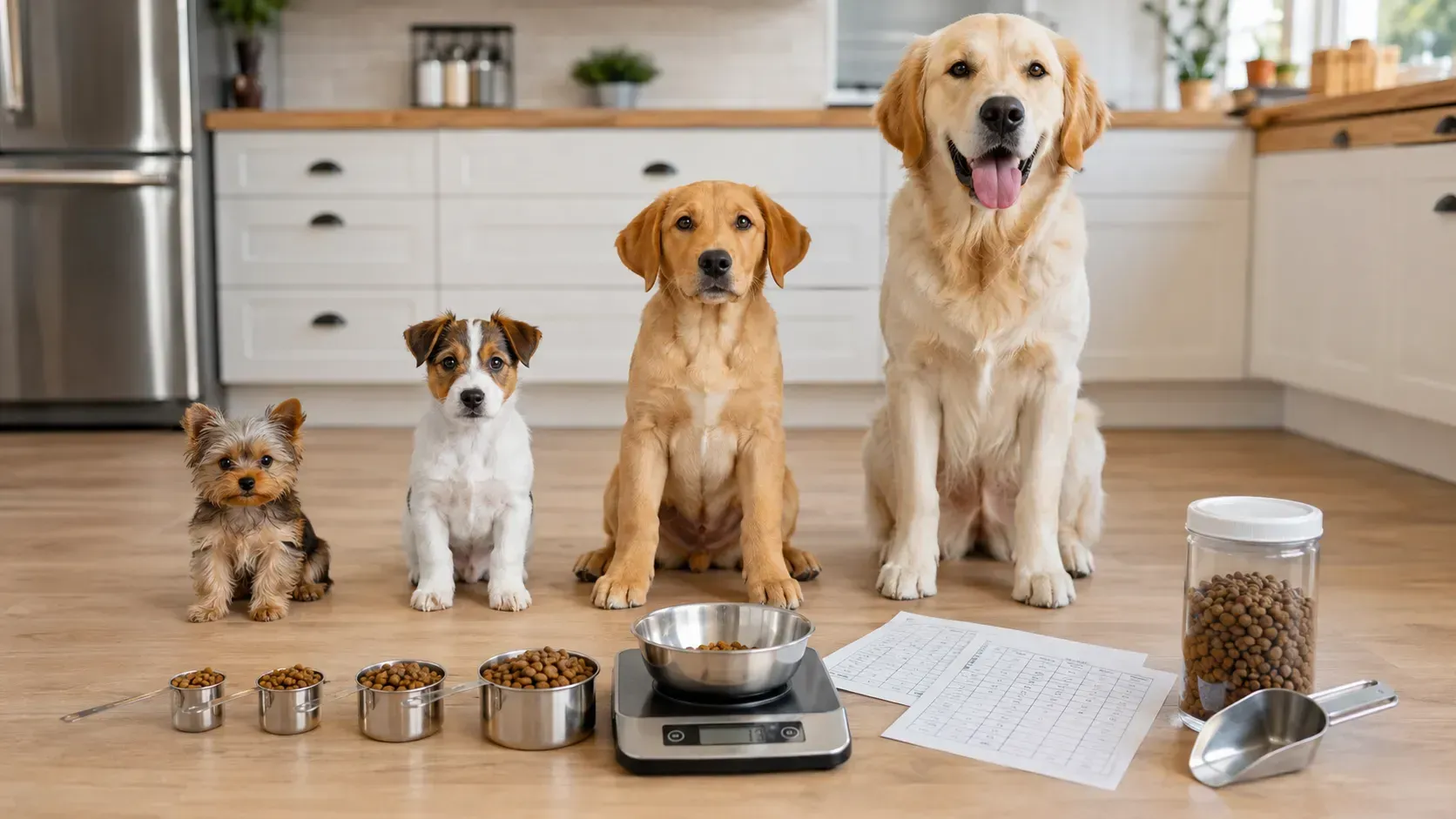
Bringing home a puppy is exciting, but one of the biggest questions many new puppy owners ask is: “How much should I feed my puppy?”
I’m Zak Fahim, and in this guide, I’ll explain how to determine the right puppy food amount by weight in pounds (lb), how feeding needs change as puppies grow, and how to adjust portions based on breed size, activity level, and food type.
For many U.S. puppy owners, weight in pounds is the easiest starting point because it gives a practical way to estimate daily food portions. However, a puppy’s weight alone does not tell the whole story. Two puppies that weigh the same can need different amounts of food depending on their age, breed, metabolism, activity level, and the calorie content of their food.
Throughout this puppy nutrition guide, I’ll cover a complete puppy feeding chart by weight lb, explain how to calculate daily portions, and share simple ways to tell if your puppy is getting too much or too little food.
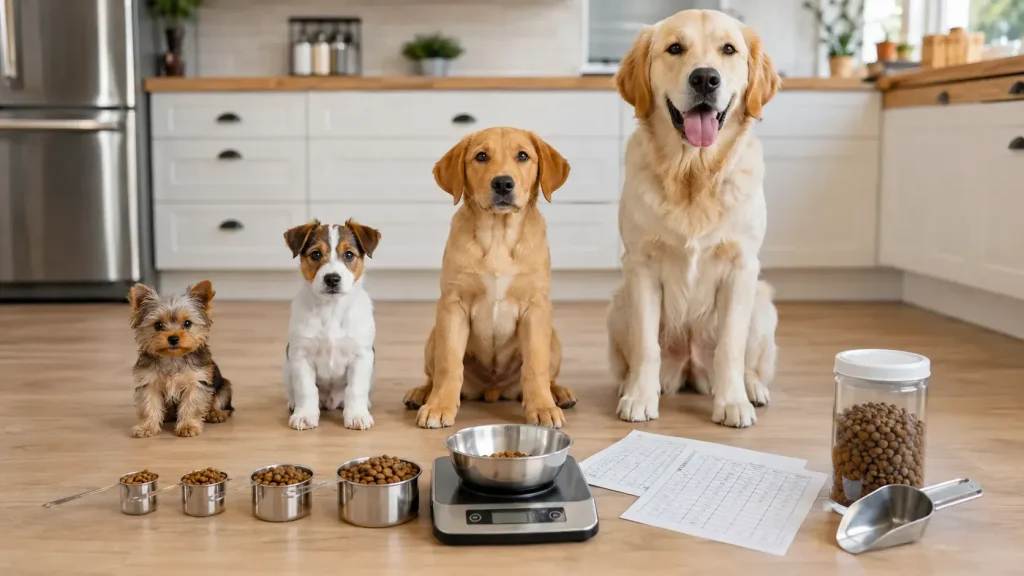
.
Quick Answer: How Much Should I Feed My Puppy by Weight?
The amount of food a puppy needs depends on body weight, age, breed size, activity level, and the calories in the puppy food. As a general starting point, small puppies may eat around 1/4 to 1 cup of food per day, while larger puppies may need several cups daily. Puppies usually need more calories per pound than adult dogs because they are growing quickly. The best approach is to start with the feeding guide on your puppy food package, divide the daily amount into meals, and adjust based on your puppy’s body condition and growth.
Why Weight (lb) Matters More Than Age Alone
Many puppy owners look only at age when deciding how much food to give. Age is important, but it is not the only factor that affects puppy nutrition.
A 12-week-old Chihuahua puppy and a 12-week-old Labrador Retriever puppy are both young puppies, but their nutritional needs are completely different. One may weigh only a few pounds, while the other may already weigh more than 20 lb.
When feeding puppies by weight, I consider several important factors:
- Growth rate: Puppies grow at different speeds depending on their genetics and breed size.
- Body weight: Larger puppies generally need more total food, but not always more calories per pound.
- Breed size: Toy breeds, large breeds, and giant breeds have different growth patterns.
- Activity level: An energetic puppy may burn more calories than a calmer puppy.
- Food calorie density: A cup of one puppy food may contain more calories than a cup of another brand.
This is why a simple age-based feeding rule does not work for every puppy. Weight gives you a better starting point, but regular monitoring is what helps you find the right amount.
Puppy Feeding Chart by Weight (lb)
The chart below provides general starting estimates for daily puppy food portions. These amounts are examples only because every puppy food has a different calorie concentration. Always compare these estimates with the feeding instructions provided by your puppy food manufacturer.
| Weight (lb) | Approximate Daily Food | Meals Per Day | Typical Age Range | Notes |
|---|---|---|---|---|
| 2 lb | 1/4 – 1/2 cup daily (2–4 oz) | 3–4 meals | 8–12 weeks | Tiny puppies need small, frequent meals because their stomach capacity is limited. |
| 5 lb | 1/2 – 3/4 cup daily (4–6 oz) | 3 meals | 8 weeks–4 months | Monitor growth carefully because small breeds can gain weight quickly. |
| 10 lb | 3/4 – 1 1/4 cups daily (6–10 oz) | 3 meals | 2–6 months | Adjust portions based on activity and body shape. |
| 15 lb | 1 – 1 3/4 cups daily (8–14 oz) | 3 meals | 3–6 months | Growing medium-size puppies may need gradual increases. |
| 20 lb | 1 1/2 – 2 cups daily (12–16 oz) | 3 meals | 3–8 months | Check weight every week during rapid growth periods. |
| 30 lb | 2 – 3 cups daily (16–24 oz) | 2–3 meals | 4–12 months | Larger puppies require careful portion control to support healthy growth. |
| 40 lb | 2 1/2 – 3 1/2 cups daily (20–28 oz) | 2–3 meals | 4–15 months | Large breed puppy foods often have specific growth recommendations. |
| 50 lb | 3 – 4 cups daily (24–32 oz) | 2–3 meals | 5–18 months | Avoid rapid weight gain in large breeds. |
| 60 lb | 3 1/2 – 5 cups daily (28–40 oz) | 2 meals | 6–18 months | Monitor body condition instead of feeding only by volume. |
| 70+ lb | 4 – 6+ cups daily (32–48+ oz) | 2 meals | 6–24 months | Giant breeds often mature slowly and need careful feeding plans. |
Important: These numbers are general estimates, not strict rules. Puppy food formulas vary greatly. One cup of kibble from one brand may contain more calories than one cup from another brand.
Trusted organizations such as the American Kennel Club (AKC), Association of American Feed Control Officials (AAFCO), and veterinary nutrition experts recommend using feeding guidelines as a starting point and adjusting based on a puppy’s growth and body condition.
How to Calculate How Much Food Your Puppy Needs
A simple puppy food calculator method can help you estimate daily portions without guessing. I recommend following these steps:
Step 1: Weigh Your Puppy Accurately
The first step is knowing your puppy’s current weight. Use a pet scale if available, or weigh yourself while holding your puppy and subtract your own weight.
For growing puppies, tracking weight every one to two weeks gives you a clearer picture of growth patterns.
Step 2: Read the Feeding Guide on the Food Package
Every puppy food brand provides recommended serving amounts based on weight. Start with the manufacturer’s instructions because the company knows the calorie density of its formula.
Step 3: Match Your Puppy’s Weight
Find your puppy’s current weight range on the feeding chart. If your puppy falls between two ranges, use your puppy’s body condition and activity level to decide whether to stay lower or move higher.
Step 4: Divide the Daily Amount Into Meals
Puppies usually cannot eat their entire daily amount at once. Dividing food into multiple meals helps provide steady energy throughout the day.
For example:
- A 10 lb puppy eating 1 cup daily may receive about 1/3 cup three times per day.
- A 30 lb puppy eating 2 1/2 cups daily may receive about 1 1/4 cups twice daily or smaller portions divided into three meals.
Step 5: Check Body Condition Score (BCS)
The scale number is helpful, but body shape tells you more. A healthy puppy should have a visible waist when viewed from above and ribs that can be felt without being strongly visible.
Step 6: Recalculate Every 1–2 Weeks
Puppies change quickly. A feeding amount that works today may not be enough or may become too much after a growth spurt.
Daily Meal Portions by Weight
Understanding your puppy’s total daily food amount is only the first step. The next step is dividing that food into the right puppy meal portions. Puppies have smaller stomachs than adult dogs, so spreading food throughout the day helps maintain steady energy and supports healthy growth.
Below is a simple comparison guide based on puppy weight ranges. Remember that these are starting points. Always adjust based on your puppy’s food formula, growth rate, and body condition.
| Puppy Weight Range | Typical Daily Food Range | Recommended Meal Portions | Feeding Notes |
|---|---|---|---|
| 2–10 lb | 1/4 – 1 1/4 cups daily | Divide into 3–4 meals | Small puppies need frequent meals because they have limited stomach capacity. |
| 10–20 lb | 3/4 – 2 cups daily | Divide into 3 meals | Increase portions gradually as your puppy grows. |
| 20–40 lb | 1 1/2 – 3 1/2 cups daily | Divide into 2–3 meals | Monitor growth carefully, especially for medium and large breeds. |
| 40–70 lb | 2 1/2 – 5 cups daily | Divide into 2–3 meals | Large puppies need controlled growth to support healthy development. |
| 70+ lb | 4–6+ cups daily | Usually 2 meals | Giant breeds often require specialized feeding plans. |
Feeding Frequency by Weight and Age
How often you feed your puppy changes as your puppy grows. Young puppies need more frequent meals because they are using a lot of energy for growth and development.
| Puppy Age | Meals Per Day | General Guidance |
|---|---|---|
| 8–12 weeks | 3–4 meals daily | Young puppies usually benefit from smaller meals spread throughout the day. |
| 3–6 months | 3 meals daily | Many puppies can transition to three consistent meals. |
| 6–12 months | 2 meals daily | Most puppies can move toward an adult feeding schedule. |
| 12+ months | 1–2 meals daily | Depends on breed size, lifestyle, and individual needs. |
A toy breed puppy may stay on frequent meals longer, while some larger puppies transition differently. Breed size and growth pattern matter when creating a puppy feeding schedule.
Feeding Amount by Growth Stage
Puppies do not eat the same amount throughout their first year. Their calorie needs change as their bodies grow. The amount of food usually increases during rapid growth periods, then becomes more stable as they approach adulthood.
8 Weeks Old
At eight weeks, most puppies are newly separated from their mother and need small, frequent meals. Their food should be easy to digest and designed specifically for puppy growth.
3 Months Old
At three months, many puppies become more active. Their daily food amount may increase, but portion control remains important because overfeeding during early growth can create unhealthy weight gain.
4 Months Old
Many puppies experience noticeable growth around this stage. Owners often need to adjust portions every few weeks because their puppy’s weight changes quickly.
6 Months Old
At six months, many puppies can move from three meals toward two meals daily. Large breeds may still have significant growing ahead and require careful monitoring.
9 Months Old
Some small and medium breeds are approaching their adult size, while large and giant breeds are still developing. Food portions should match their growth rate rather than simply increasing automatically.
12 Months Old
Many small dogs may be close to adult size, while large breeds may continue growing for many more months. The transition to adult food depends on breed size and development.
How Food Type Changes Portion Size
The type of food you choose changes how much your puppy needs. A cup of food is not always equal to the same number of calories.
For example, dry kibble is usually calorie-dense, while many wet foods contain more water and require larger serving sizes to provide similar calories.
| Food Type | Serving Size Difference | Important Considerations |
|---|---|---|
| Dry Kibble | Usually measured in cups | Convenient and calorie-dense. Check calories per cup. |
| Wet Food | Often requires larger volume | Higher moisture content means more food may be needed by weight. |
| Mixed Feeding | Combination of kibble and wet food | Reduce each portion so total calories remain balanced. |
| Fresh Food | Varies significantly | Calories depend on ingredients and formulation. |
| Freeze-Dried Food | Usually smaller portions | Often calorie-dense and may require rehydration. |
When changing food types, I recommend checking calorie information instead of comparing cups alone. Two foods may look similar in volume but provide very different amounts of energy.
Feeding Puppies by Breed Size
Breed size is one of the most important factors when deciding how much food a puppy needs. A puppy’s adult size affects growth speed, calorie requirements, and how quickly portions should change.
| Breed Size | Growth Speed | Portion Adjustment | Adult Transition Age |
|---|---|---|---|
| Toy Breeds | Fast early growth | Small meals with careful portion control | About 9–12 months |
| Small Breeds | Reach adult size quickly | Increase portions gradually | About 10–12 months |
| Medium Breeds | Moderate growth period | Adjust every few weeks during growth | About 12 months |
| Large Breeds | Longer growth period | Avoid excessive calories and rapid growth | 12–18 months |
| Giant Breeds | Slow, extended development | Careful feeding plans are important | 18–24 months |
Large and giant breed puppies require special attention because growing too quickly can place extra stress on developing bodies. Owners of these puppies should follow guidance from their food manufacturer and consult a licensed veterinarian if they have concerns about growth.
Activity Level and Portion Adjustments
Not every puppy with the same weight needs the same amount of food. Activity level can change daily puppy food requirements.
Indoor Puppies
Puppies with a calmer lifestyle may need fewer calories than highly active puppies. If your puppy gains excess weight, portions may need adjustment.
Active Puppies
Puppies that play frequently, walk often, or spend more time exercising may require more calories to support their energy use.
Sporting Breeds
Breeds developed for activities such as retrieving, hunting, or agility may have higher energy needs.
Working Breeds
Puppies expected to become working dogs may have different nutritional needs depending on their future activity level.
Puppies Recovering From Illness
If a puppy has poor appetite, unexpected weight loss, vomiting, diarrhea, dehydration, or difficulty maintaining weight, it is important to consult a licensed veterinarian. Feeding changes should be based on professional guidance when health concerns are involved.
Body Condition Score (BCS): Your Best Feeding Guide
While your puppy’s weight in pounds is an important measurement, weight alone does not tell the complete story. A puppy’s body condition gives you a better understanding of whether your feeding plan is working.
Body Condition Score (BCS) is a simple way to evaluate your puppy’s body shape. It looks at visible signs such as the waist, ribs, and overall body structure.
I recommend checking your puppy’s body condition regularly because growth happens quickly. A puppy can gain weight without gaining healthy development if portions are too large.
| Body Condition | What You May Notice | Possible Feeding Adjustment |
|---|---|---|
| Underweight | Ribs, spine, or hip bones are very visible. Little body fat is present. | Review feeding amounts and consult a licensed veterinarian if weight gain is poor. |
| Healthy Weight | Ribs can be felt easily, visible waist from above, and a slight abdominal tuck. | Continue current feeding plan and monitor growth. |
| Overweight | Reduced waist definition, ribs are difficult to feel, extra body fat. | Review portion sizes, treats, and activity level. |
Practical Body Condition Checklist
- Can you feel your puppy’s ribs with gentle pressure?
- Does your puppy have a visible waist when viewed from above?
- Does the belly slightly tuck upward behind the ribs?
- Is your puppy growing steadily rather than gaining excessive fat?
- Does your puppy have normal energy during play?
If your puppy has unexpected weight changes, poor growth, ongoing appetite problems, vomiting, diarrhea, dehydration, or other health concerns, consult a licensed veterinarian.
Signs You’re Feeding Too Much
Overfeeding is one of the most common mistakes new puppy owners make. Many owners add extra food because they want their puppy to grow faster, but more food does not always mean healthier growth.
Common signs that your puppy may be receiving too much food include:
- Rapid weight gain: Your puppy gains weight faster than expected.
- Excess body fat: Ribs become difficult to feel.
- Loose stool: Too much food can sometimes affect digestion.
- Reduced activity: Extra weight may make movement less comfortable.
- Leftover food: Regularly leaving food behind may mean portions are too large.
If you notice these signs, review the daily amount, treats, and feeding schedule. Make gradual adjustments instead of making sudden changes.
Signs You’re Feeding Too Little
Underfeeding can also affect healthy puppy development. Puppies need enough nutrition to support growth, learning, and daily activity.
Possible signs that your puppy may not be getting enough food include:
- Visible ribs or bones
- Poor or slow weight gain
- Constant hunger despite regular meals
- Low energy during normal activities
- Dull-looking coat
If your puppy is not gaining weight properly or has a reduced appetite, consult a licensed veterinarian to rule out health problems and determine the best feeding approach.
Common Feeding Mistakes and Solutions
Many feeding problems happen because owners are trying their best but do not have a clear system. Here are common mistakes I see puppy owners make and simple ways to improve them.
- Guessing portion sizes:
Use a measuring cup instead of estimating food by eye. - Never weighing puppies:
Regular weight checks help you adjust portions before problems develop. - Ignoring body condition:
A number on the scale does not show the complete picture. - Overfeeding treats:
Treats should be included as part of daily calorie intake. - Feeding table scraps:
Human foods can create unbalanced nutrition and unwanted eating habits. - Changing foods too quickly:
Gradually transition between foods to help your puppy adjust. - Feeding adult dog food too early:
Growing puppies generally need food formulated for puppy development.
Practical Tips From Zak
As a puppy owner and pet content researcher, I believe the best feeding approach is simple: measure, monitor, and adjust.
I do not recommend feeding based only on what a puppy seems to want. Many puppies act hungry because they enjoy eating, not necessarily because they need more food.
My practical routine is:
- Weigh the puppy regularly.
- Measure every meal.
- Keep a simple feeding record.
- Watch body shape, not only the scale.
- Adjust portions slowly when needed.
A puppy feeding plan should change as your puppy grows. The right amount at 8 weeks old may not be the right amount at 6 months old.
Printable Puppy Feeding Log
Keeping a simple record makes it easier to understand your puppy’s growth pattern. You can use this tracker weekly or daily.
| Date | Weight (lb) | Daily Food (cups/oz) | Meals Per Day | Water Intake | Body Condition | Notes |
|---|---|---|---|---|---|---|
Frequently Asked Questions
How much should a 5 lb puppy eat?
A 5 lb puppy may eat around 1/2 to 3/4 cup of food daily as a general starting point. The exact amount depends on the puppy food’s calorie content, age, activity level, and breed.
How much should a 10 lb puppy eat?
A 10 lb puppy may need approximately 3/4 to 1 1/4 cups of food per day divided into multiple meals. Always compare this with the feeding instructions on your food package.
Should I feed my puppy by weight or age?
Both matter. Weight provides a practical starting point, while age helps determine growth stage and meal frequency.
How often should I weigh my puppy?
Growing puppies benefit from regular weight checks. Many owners track weight every one to two weeks during rapid growth.
Can I rely only on the feeding chart on the food bag?
No. Feeding charts are useful starting points, but puppies vary. Monitor body condition, growth, and activity level.
Does wet food require different serving sizes?
Yes. Wet food usually contains more moisture, so serving sizes may look larger compared with dry kibble.
How do I know if my puppy is overweight?
A puppy may be overweight if ribs are difficult to feel, the waist is less visible, and there is extra body fat.
What if my puppy always seems hungry?
Some puppies naturally have strong appetites. Check weight, body condition, and feeding amounts before increasing portions.
Can treats replace meals?
No. Treats should not replace balanced puppy meals because growing puppies need complete nutrition.
When should puppies switch to adult food?
The timing depends on breed size. Small breeds may transition earlier, while large and giant breeds often remain on puppy food longer.
Conclusion
Using your puppy’s weight in pounds is one of the easiest ways to estimate how much food your puppy needs. However, the best feeding plan combines weight, age, breed size, activity level, food type, and body condition.
A good puppy feeding routine is not about finding one perfect number and keeping it forever. Puppies change quickly, so their food amount should change with them.
By tracking your puppy’s weight, measuring portions, and watching body condition, you can create a healthier feeding routine. If your puppy has unexpected growth problems, appetite changes, vomiting, diarrhea, dehydration, or other health concerns, consult a licensed veterinarian.