Many dog owners want to feed their pets the best food. Commercial kibble and canned formulas are common. Still, lots of people ask about natural foods like liver. Liver is easy to find, usually affordable, and packed with nutrients. But is liver safe for dogs? Can it fit into a balanced dog diet?
How much is too much? Should you feed raw or cooked liver? I’ll walk you through clear, practical answers. I’ll share what I’ve seen working with dogs, the science behind liver’s nutrients, safety risks, and simple feeding tips so you can decide if liver belongs in your dog’s meals.
Why Do People Feed Liver To Dogs?
Liver has a special place in both human and pet diets. It’s an organ meat (offal) from animals like cows, chickens, lambs, or pigs. For dogs, liver is a nutrient powerhouse. It packs vitamins and minerals dogs need for energy, growth, and immunity.
Many owners choose liver because it is:
- Nutrient-dense: Small amounts give lots of vitamins and minerals.
- Affordable: Often cheaper than lean muscle meat.
- Loved by dogs: Most dogs prefer the strong smell and taste.
Before you add liver to your dog’s meals, it helps to understand both the benefits and the risks. I use liver as a supplement to a balanced diet, not the main meal. That balance matters.
Nutritional Value Of Liver
Liver is one of the most nutrient-rich foods you can offer a dog. Here’s what stands out:
- Protein: Helps build and repair muscle.
- Vitamin A: Supports vision, skin, and immune function.
- B Vitamins: Especially B12, vital for nerves and red blood cells.
- Iron: Prevents anemia and supports energy.
- Copper and Zinc: Key for metabolism and immune health.
- Other nutrients: Folate, phosphorus, selenium, and more.
Let’s compare the nutrition in different kinds of liver (amounts per 100 grams, cooked):
| Nutrient | Beef Liver | Chicken Liver | Pork Liver | Lamb Liver |
|---|---|---|---|---|
| Calories | 175 | 167 | 165 | 139 |
| Protein (g) | 26 | 24 | 25 | 22 |
| Fat (g) | 5.0 | 6.0 | 4.4 | 4.1 |
| Vitamin A (IU) | 16,899 | 11,077 | 15,610 | 21,203 |
| Iron (mg) | 6.2 | 9.0 | 15.2 | 6.3 |
| Vitamin B12 (mcg) | 70.6 | 16.6 | 25.6 | 85.7 |
All liver types are rich in nutrients. Beef and lamb liver are particularly high in vitamin A and B12. That makes them powerful supplements, but also why portion control is essential to prevent vitamin A buildup.
Health Benefits Of Liver For Dogs
1. Supports Healthy Vision And Skin
Liver is loaded with vitamin A. Vitamin A helps eyesight, skin health, and immune response. Dogs lacking vitamin A can have dry skin, a dull coat, or poor night vision.
2. Boosts Blood Health
Iron and vitamin B12 from liver support healthy red blood cell production. This helps prevent anemia and keeps active dogs energetic.
3. Helps Puppies Grow
Puppies need extra nutrients as they grow. Liver supplies protein, zinc, and folate needed for building muscle, bone, and organs. But puppies are more sensitive to vitamin A, so feed very small amounts.
4. Supports Immune Function
Copper, selenium, and zinc in liver boost immune defenses. This helps dogs handle everyday infections and recover faster.
5. Promotes Energy
B vitamins in liver support metabolism and energy release. Working dogs, sporting breeds, and very active pets can show real benefits from small, regular liver servings.
6. Great For Homemade Diets
If you make homemade dog food, adding a little liver helps ensure your dog gets essential vitamins and minerals. I add cooked liver to some of my home-cooked recipes as a nutrient boost.
Risks And Dangers Of Liver For Dogs
Liver is nutritious, but too much can be harmful. Here are the key risks to know.
Vitamin A Toxicity
Liver is very high in vitamin A. Feeding large amounts regularly can cause vitamin A toxicity, or hypervitaminosis A. Over time, excess vitamin A can damage bones, joints, and organs.
Symptoms of vitamin A overdose include:
- Stiffness or pain in joints
- Weakness or trouble walking
- Loss of appetite
- Weight loss
- Dry skin or coat changes
High Copper Content
Some livers, like beef liver, contain high copper levels. Certain breeds (e.g., Bedlington Terriers, Dobermans, some Retrievers) can develop copper storage disease. If your breed is at risk, check with your vet.
Parasite And Bacterial Risks
Raw liver may carry parasites or bacteria such as Salmonella and Campylobacter. Cooking kills these germs. If you follow a raw feeding approach, use strict hygiene and source meat carefully.
Choking Hazard
Large liver pieces, especially dried or raw chunks, can be a choking risk for small dogs. Cut liver into small, bite-size pieces and supervise treats.
Upset Stomach
If a dog hasn’t eaten organ meat before, too much liver can cause diarrhea or vomiting. Introduce liver slowly and in small amounts.
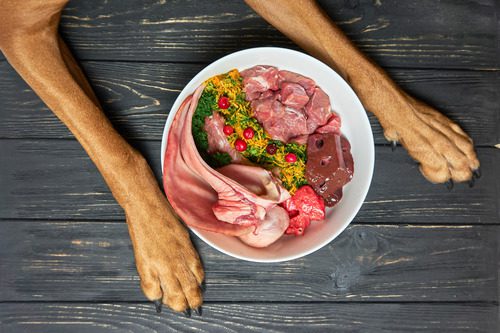
Credit: bestfriendsvet.org
How Much Liver Can Dogs Eat Safely?
Moderation is the guiding rule. Liver should not make up large parts of a dog’s diet.
Most veterinarians and pet nutritionists recommend:
- No more than 5% of the dog’s total diet should be liver.
- For most dogs, roughly 1 gram of liver per 1 kilogram (2.2 lbs) of body weight per day is a safe guideline.
- For a 20 kg (44 lb) dog, that works out to about 20 grams (0.7 oz) of liver per day.
- Puppies and small breeds need even less.
Here’s a simple guide for different sizes:
| Dog Size | Body Weight | Max Daily Liver (approx.) | Max Weekly Liver |
|---|---|---|---|
| Toy/Small | 5-10 lbs (2.2–4.5 kg) | 2–4 grams | 14–28 grams |
| Medium | 20–40 lbs (9–18 kg) | 9–18 grams | 63–126 grams |
| Large | 50–80 lbs (23–36 kg) | 23–36 grams | 161–252 grams |
| Giant | 90+ lbs (41+ kg) | 41+ grams | 287+ grams |
It’s safer to spread liver into small servings a few times a week rather than giving a single large portion. I usually feed liver 2–3 times weekly as a nutrient boost and training treat.
Quick Portion Calculator
To estimate a safe weekly amount: multiply your dog’s weight in kg by 7 (days) and then by 0.01 (1 gram per kg per day). This gives a conservative weekly target. For example, an 18 kg dog: 18 x 7 x 0.01 = 1.26 x 10 = 126 grams per week (spread across meals).
Raw Vs. Cooked Liver For Dogs
People often ask whether raw or cooked liver is better. Both have pros and cons. Choose based on your dog’s health, your handling skills, and safety concerns.
Raw Liver
- Pros: Some nutrients, like certain B vitamins, are slightly higher in raw liver.
- Cons: Higher risk of bacteria and parasites. Not recommended for puppies, seniors, or dogs with weak immune systems.
Cooked Liver
- Pros: Cooking kills harmful pathogens and reduces safety risks.
- Cons: Heat can reduce some heat-sensitive vitamins, though most minerals remain intact.
Most experts recommend cooking liver before feeding. Light boiling or steaming retains nutrients and reduces bacterial risk.
How To Cook Liver For Dogs
- Rinse liver under cold water.
- Cut into small pieces for even cooking.
- Boil or steam for 10–15 minutes until fully cooked.
- Cool completely before serving.
Avoid frying in oil or adding salt, spices, onions, or garlic. These can be toxic to dogs. I like to steam liver plain, slice it, and freeze portions for quick use.
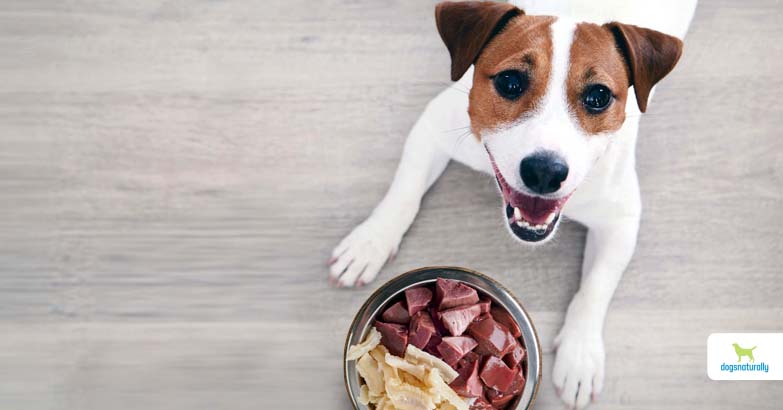
Credit: www.dogsnaturallymagazine.com
Different Types Of Liver: Which Is Best?
You can buy beef, chicken, pork, or lamb liver. Each type has different flavors and nutrient levels.
- Beef liver: Popular. High in vitamin A and B12, moderate iron.
- Chicken liver: Softer. Less vitamin A but high iron. Easier for picky dogs.
- Pork liver: Strong taste, very high in iron. Some dogs find it harder to digest.
- Lamb liver: Strong flavor, highest in vitamin A and B12. Often pricier.
If your dog is new to liver, start with small amounts of chicken or beef liver. These are usually better tolerated. I rotate types to give a wider nutrient mix and to keep meals interesting.
Are There Dogs Who Should Not Eat Liver?
Liver isn’t suitable for every dog. Some should avoid it or only eat it with veterinary guidance:
- Dogs with liver disease: Extra nutrients can be hard to process.
- Dogs with copper storage disease: Breeds like Bedlington Terriers, Dobermans, and some Retrievers are at risk.
- Dogs on vitamin A supplements: Risk of overdose when combined with liver.
- Puppies and pregnant dogs: Sensitive to vitamin A—keep amounts very small and consult your vet.
Always check with your veterinarian if your dog has health issues or takes medication. I always ask my vet before adding regular liver to a dog with a health history.
Introducing Liver To Your Dog’s Diet
If your dog has never had liver, add it slowly. Here’s my step-by-step approach:
- Start small: Add a pea-sized piece to one meal.
- Watch for reactions: Check for vomiting, diarrhea, or itchiness.
- Increase gradually: If all is well, raise the amount slowly over 1–2 weeks.
- Balance the diet: Use liver as a supplement, not the main food.
Some dogs may dislike the taste at first. Try mixing tiny pieces with their regular food. I find mixing in a spoonful of cooked liver can turn a picky eater into an eager diner.
Using Liver As A Dog Treat
Liver makes a high-value training treat. Because it’s strong-smelling and very tasty, even picky dogs respond well. Treats should be no more than 10% of daily calories.
You can buy dried or freeze-dried liver treats. If you make your own, bake sliced liver at low heat until dry. Always break treats into small pieces, especially for tiny breeds.
Can Dogs Eat Liver Every Day?
A small daily amount can be safe if you don’t exceed the recommended limits. For most owners, feeding liver 2–3 times per week is simpler and safer. This lowers the chance of vitamin A buildup over time.
Common Mistakes When Feeding Dogs Liver
Many owners make avoidable mistakes when adding liver. Watch for these errors:
- Feeding too much at once: The biggest risk. Measure portions carefully.
- Not balancing the diet: Liver alone won’t meet all nutritional needs. Include muscle meat, bone (if raw feeding), and other nutrients.
- Giving raw liver to at-risk dogs: Puppies, seniors, and immune-compromised dogs should avoid raw liver.
- Not trimming fat or sinew: These can be hard to digest and add unnecessary calories.
- Adding salt or seasonings: Keep liver plain. Human spices can harm dogs.
What About Liver Supplements Or Powders?
Liver also comes as powder or supplements. These can be useful, but use caution:
- Some powders are very concentrated. It’s easy to overdose on vitamin A.
- Not all supplements are third-party tested for contaminants or accuracy.
- Always check the label for source and vitamin A content.
Talk to your vet before starting supplements. In most cases, fresh liver is the best, easiest option.
Comparing Liver To Other Organ Meats
Liver is one organ among several you can feed: kidney, heart, and spleen are common. Here’s how they compare.
| Organ Meat | Key Nutrients | Best For | Risks |
|---|---|---|---|
| Liver | Vitamin A, B12, Iron | Blood health, immune support | Vitamin A toxicity |
| Kidney | B12, Selenium, Zinc | Metabolism, antioxidant support | High purine (gout risk) |
| Heart | CoQ10, B vitamins | Heart health, energy | High cholesterol |
| Spleen | Iron, B vitamins | Anemia prevention | Very strong taste |
Feeding a mix of organ meats gives a broader nutrient profile. It also reduces the risk of overdosing on any single nutrient, like vitamin A from liver.
Special Cases: Puppies, Seniors, Pregnant Dogs
Puppies
Puppies need extra nutrients for growth. But they are also more sensitive to vitamin A. Give only tiny pieces of cooked liver and avoid daily servings. Check with your breeder or vet for exact amounts during growth phases.
Senior Dogs
Older dogs often have slower digestion or medical issues. Start with very small amounts. If your senior dog has liver or kidney disease, consult your vet before offering liver.
Pregnant Or Nursing Dogs
Pregnant dogs need key nutrients. But too much vitamin A can cause birth defects. Feed small amounts only, and check with your vet for safe limits during pregnancy and lactation.
How To Store And Prepare Liver For Dogs
To keep liver safe and fresh:
- Refrigerate fresh liver and use within 1–2 days.
- Freeze for longer storage (up to 3–4 months).
- Defrost in the fridge, not at room temperature.
- Cook before serving for most dogs to lower infection risk.
If you buy dried or freeze-dried liver treats, store them sealed to prevent mold. I label frozen portion packs with date and weight so I can track how much liver my dogs receive each week.
Is Organic Or Grass-fed Liver Better?
Many owners ask if organic or grass-fed liver is worth the extra cost. There are benefits:
- Lower risk of pesticide or hormone residues.
- Often higher in healthy fats and some vitamins.
- Lower chance of heavy metal buildup.
However, all liver, even from conventionally raised animals, is very nutritious. If cost matters, regular liver is still a strong choice. If you can afford organic or grass-fed, it’s a nice upgrade.
Liver In Commercial Dog Foods
Some high-end dog foods list liver as an ingredient. This can boost nutrition. But ingredient order and amount vary. If liver is low on the label, the food contains only a small quantity. Read labels to understand the ingredient percentage and quality.
Real-life Examples
Many working and sporting dogs show shinier coats and more energy when fed small, regular amounts of liver. For instance, sled dogs in Alaska often receive beef liver during training season for fast recovery and energy.
On the flip side, I’ve seen dogs develop stiff joints and lose weight after owners fed large amounts of liver daily for weeks. Those are classic signs of vitamin A overload. That experience taught me to always measure and track liver servings.
Two Insights Most Owners Miss
- Liver builds up in the body: Vitamin A is stored in fat. Toxic levels can develop slowly. Track weekly intake, not just daily servings.
- Source matters: Liver quality depends on how the animal was raised. Pasture-raised animals usually have fewer residues and better nutrient profiles.
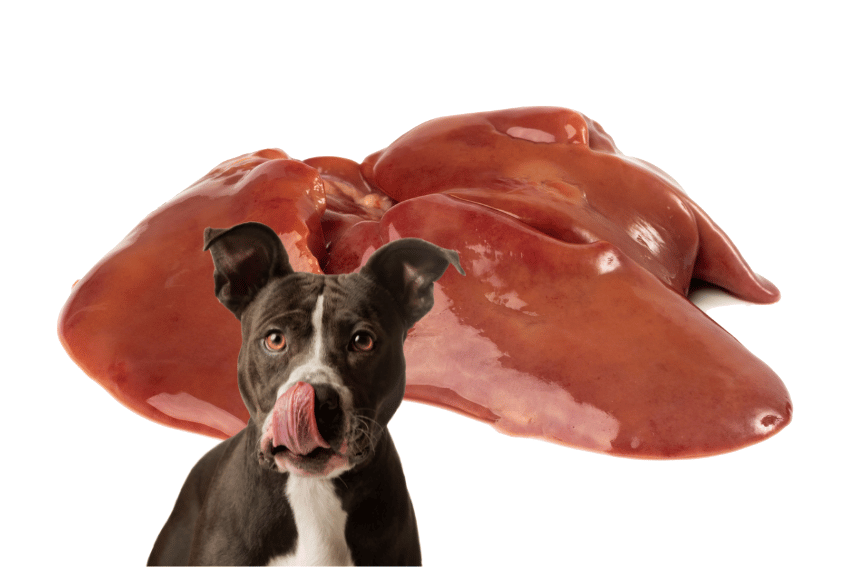
Credit: www.petcloud.com.au
When To Call The Vet
Contact your vet if your dog shows any of these after eating liver:
- Vomiting or diarrhea lasting more than a day
- Weakness, limping, or joint pain
- Sudden loss of appetite
- Itching, hives, or swelling
Bring a list of recent foods and treats. That helps your vet identify the cause quickly. If you suspect vitamin A toxicity, your vet may run blood tests and imaging to check for bone or organ changes.
Summary: Can Dogs Eat Liver?
Yes, dogs can eat liver and benefit from its nutrient density. Moderation is crucial. Too much liver can cause serious health problems, mainly from vitamin A overdose or excess copper in sensitive breeds. Choose good-quality liver, cook it properly, and feed small amounts as part of a balanced diet. If you have doubts, talk to your veterinarian.
If you want more details about dog nutrition, check the guidelines from the World Small Animal Veterinary Association.
Frequently Asked Questions
Can Dogs Eat Raw Liver Safely?
Raw liver is nutrient-rich but carries higher bacterial and parasite risks. Most experts recommend cooking liver before feeding dogs, especially puppies, seniors, or immune-compromised pets. If you follow a raw-feeding protocol, source meat from reputable suppliers and use strict hygiene.
How Much Liver Can I Give My Dog Per Week?
Keep liver to about 5% of your dog’s total diet. For a medium-sized dog (40 lbs/18 kg), this is roughly 63–126 grams (2–4 oz) per week. Spread the servings over multiple meals instead of giving one large portion.
What Are Signs Of Vitamin A Toxicity In Dogs?
Signs include stiff or painful joints, weakness, loss of appetite, dry skin, and weight loss. Severe cases can cause bone changes and organ damage. See your vet if you notice these signs. Early detection avoids long-term harm.
Is Chicken Liver Or Beef Liver Better For Dogs?
Both are good. Chicken liver is softer and higher in iron. Beef liver has more vitamin A and B12. Start with small amounts to see how your dog reacts and which they prefer.
Can Liver Be Given As A Treat Only?
Yes. Liver makes an excellent high-value treat for training. Remember treats should be under 10% of daily calories. Cut liver into small pieces and use in moderation.
Feeding liver can boost your dog’s nutrition when done safely. Measure portions, watch for reactions, and keep it as part of a balanced feeding plan. Your dog will likely thank you with better energy and a shinier coat.