Can Dogs Eat Seaweed? The Complete Guide For Pet Owners
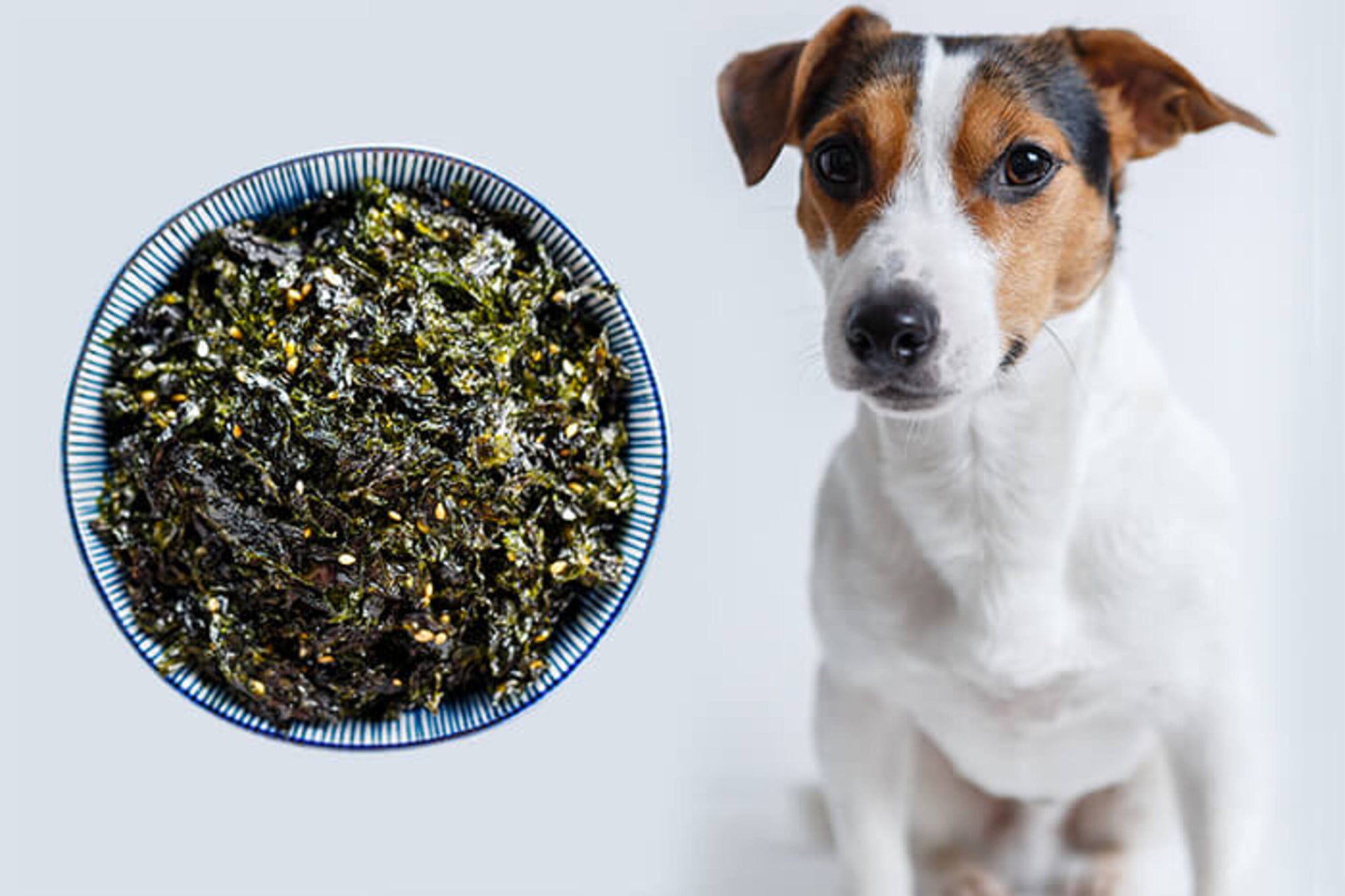
Seaweed is popping up in many human plates these days—sushi rolls, crunchy snacks, smoothies, and even as pills. If you watch your dog sniff at seaweed on the shore or you’re thinking about adding kelp to their bowl, you’re asking the right question: can dogs eat seaweed safely? I’ve tested safe options with my own dogs and talked with vets. In this guide I’ll share what I learned so you can decide with confidence.
Below you’ll find clear facts on benefits, risks, safe serving methods, and what to avoid. I cover wild seaweed hazards, how to pick pet-safe products, dosage tips, and common signs of trouble.
Read on and you’ll be ready to make a safe choice for your furry friend.
Why People Want To Give Seaweed To Dogs
Seaweed is often called a superfood for people. It’s rich in vitamins, minerals, healthy fats, and fiber. That makes it tempting for dog owners to try it too. I’ve seen kelp powder added to homemade food and nori sheets used as training treats.
Pet food makers noticed this trend. Many now add seaweed meal or kelp to kibble and supplements to boost minerals, support skin and coat, or help dental health. On social media, owners report shinier fur or fewer skin flare-ups after adding a seaweed-based supplement.
But dogs are not small humans. Their needs and sensitivities differ. That’s why we must look at the facts—what helps, what harms, and how to use seaweed smartly.
Types Of Seaweed: Which Ones Matter?
“Seaweed” covers many marine plants and algae. Some are common in food and pets; others are risky. Knowing the type helps you choose safe options.
Common Edible Seaweeds
- Kelp (brown seaweed): Often used in supplements and pet foods for its minerals and iodine.
- Nori (red seaweed): Thin sheets used for sushi. Easy to offer plain and unsalted in tiny amounts.
- Wakame: Used in soups and salads; found in some food-grade products.
- Dulse: Sold as flakes or powder, mild taste and used in food.
- Irish Moss: Used mainly as a thickener or additive (contains carrageenan-type compounds).
These kinds are generally safe for humans and sometimes used for pets. Still, safety depends on how they’re prepared and dosed.
Wild Or Unknown Seaweed
Seaweed washed up on the beach or from lakes is risky. It may be soaked in salt, polluted with chemicals or heavy metals, or mixed with harmful algae. After storms or in warm weather, toxic blooms can make shoreline algae dangerous for dogs.
Fresh Vs. Processed
- Fresh seaweed: Often high in salt and can hold sand, shells, or debris.
- Dried or processed: Found in snacks, sheets, or powders. These are usually cleaner and have known ingredients.
Understanding these differences helps protect your dog from salt, toxins, or choking hazards.

Credit: www.greatpetcare.com
Nutritional Benefits Of Seaweed For Dogs
Seaweed packs useful nutrients that can help dogs when used right. Here’s what it brings to the bowl:
Key Nutrients
- Iodine: Key for healthy thyroid function, but variable by species and source.
- Vitamins A, C, E, K, and B vitamins: Support immune health, vision, and energy.
- Minerals: Calcium, magnesium, potassium, iron, and zinc—help bones, nerves, and cells.
- Omega-3 fatty acids (EPA/DHA): May aid skin and coat health.
- Antioxidants and polysaccharides: Compounds like fucoidan and alginate offer anti-inflammatory and gut-supporting effects.
These nutrients can boost your dog’s health. But keep amounts low. Too much iodine or minerals can cause harm.
Potential Health Benefits
- Shinier Coat and Healthier Skin: Omega-3s and minerals can reduce dryness and itch.
- Better Digestion: Fiber and certain polysaccharides act like a mild prebiotic and help stool quality.
- Immune Support: Vitamins and antioxidants support resilience to illness.
- Dental Health: Some seaweed-based dental products can reduce tartar and gum inflammation.
For example, a study found dogs using a specific seaweed dental powder had less plaque and less gum inflammation after 90 days.
Nutrient Comparison: Seaweed Vs. Other Dog Foods
Here’s a simple snapshot of main nutrients in 1 gram of kelp powder versus 1 gram of commercial dog food:
| Nutrient | Kelp Powder | Commercial Dog Food |
|---|---|---|
| Iodine | 1,650 mcg | 0.5 mcg |
| Calcium | 13 mg | 2 mg |
| Magnesium | 1 mg | 0.3 mg |
| Fiber | 0.4 g | 0.2 g |
Kelp is particularly rich in iodine and minerals. That strength is useful but also risky—too much iodine can create thyroid issues. Think of seaweed as a potent supplement, not a main food.
Risks And Dangers: When Seaweed Is Not Safe
Seaweed can help, but it can also harm. Know the main risks so you can avoid them.
Iodine Overload
Dogs need iodine for thyroid health. But too much iodine can lead to thyroid dysfunction. Signs include:
- Weight gain or sudden weight loss
- Lethargy or low energy
- Increased thirst or urination
- Changes in coat quality or skin problems
Some breeds—like Siberian Huskies and other Arctic breeds—are more sensitive. Long-term excess iodine can cause hypothyroidism or other thyroid disorders.
Salt Content
Fresh seaweed from the ocean can be very salty. Eating salty seaweed may cause:
- Vomiting
- Diarrhea
- Dehydration
- In extreme cases, salt poisoning
Human seaweed snacks often have added salt or seasonings. Those are not safe for dogs.
Toxic Algae
Not all green or brown clumps are safe. Blue-green algae (cyanobacteria) can look like slimy seaweed but is highly toxic. Dogs can die from a small amount.
Signs of blue-green algae poisoning:
- Drooling
- Muscle tremors
- Seizures
- Difficulty breathing
If your dog eats wild seaweed and shows these signs, get emergency veterinary care immediately.
Choking Hazard Or Digestive Blockage
Large pieces of dried or raw seaweed can get stuck in a dog’s throat or form a mass in the gut. Small dogs, puppies, or gulpers face the highest risk.
Contaminants
Seaweed can soak up heavy metals (like lead or mercury), pesticides, or industrial chemicals from polluted water. Eating contaminated seaweed may cause long-term health problems.
Additives In Human Seaweed Snacks
Many human seaweed snacks contain:
- Salt
- Garlic or onion powder
- Spices and flavorings
- Preservatives
Garlic and onion compounds can be toxic to dogs. Spices and extra salt can cause stomach upset and other issues.
Is Seaweed Ever Good For Dogs? When And How To Use It
Yes. In the right form and amount, some seaweed can help. The trick is picking safe products and dosing properly. I’ll show what worked for my dogs and what vets recommend.
When Seaweed May Help
- Dogs with dull coats or dry skin may benefit from omega-3s and minerals.
- Pets with mild food sensitivities—after vet approval—might see improvement with certain supplements.
- Dogs on homemade diets may need a mineral boost that kelp can supply in measured amounts.
- Dental health: specific seaweed-based dental powders or treats can reduce plaque.
Safe Ways To Add Seaweed
- Commercial supplements: Formulated for pets with measured iodine levels and dosing instructions.
- Plain nori sheets: Unsalted and unseasoned. Use tiny pieces as treats.
- Kelp powder: Use food-grade, pet-safe powder and measure carefully.
- Dental powders: Products such as ProDen PlaqueOff use a specific seaweed species for oral health.
Never feed wild seaweed or human snacks with garlic, onion, or heavy salt.
How Much Seaweed Is Safe?
Dosage matters. Too much seaweed can cause iodine or mineral overload. The kelp powder guideline below is conservative. Always follow product labels and your vet’s advice.
| Dog Size | Weight Range | Safe Daily Amount (kelp powder) |
|---|---|---|
| Small | Under 25 lbs | 1/8 teaspoon |
| Medium | 25–50 lbs | 1/4 teaspoon |
| Large | Over 50 lbs | 1/2 teaspoon |
I always start at half these amounts, watch my dog for a week, then adjust if the vet agrees. Iodine can vary a lot across brands, so check the label for micrograms.
How To Introduce Seaweed To Your Dog’s Diet
- Begin with a tiny amount—less than the recommended dose.
- Mix it into your dog’s regular food so they eat it slowly.
- Observe digestion, energy, coat, and mood for several days.
- Only increase slowly if no side effects appear and your vet approves.
If your dog has thyroid disease or takes medication, always check with your vet first.
Wild Seaweed Vs. Store-bought: What’s The Difference?
I used to let my dogs sniff beach seaweed. After learning more, I stopped feeding them any wild seaweed. Store-bought is safer. Here’s why.
Dangers Of Wild Seaweed
- Unpredictable contamination: It can carry heavy metals, bacteria, and pollution.
- Toxic algae: Blue-green algae or other blooms are hard to spot by eye.
- Dehydration and expansion: Dried seaweed can swell in the stomach and cause blockages.
- Marine debris: Small stones, shells, plastic, or fishing line may hide inside.
Store-bought Seaweed Products
Commercial seaweed is processed with food safety in mind. Good products are:
- Washed and often tested for contaminants
- Clearly labeled with ingredients and serving sizes
- Formulated or fortified to balance minerals
Comparing Wild And Store-bought Seaweed
| Feature | Wild Seaweed | Store-Bought Seaweed |
|---|---|---|
| Safety | Unpredictable | Controlled |
| Iodine Content | Varies, often high | Labeled, regulated |
| Risk of Toxins | High | Low (if reputable brand) |
| Salt Content | High in fresh seaweed | Usually reduced |
| Presence of Debris | Possible | Cleaned |
When in doubt, choose store-bought pet-safe seaweed rather than anything from the shore.
How To Choose The Right Seaweed Product For Your Dog
Picking the right product takes a bit of care. Here’s a practical checklist I use and recommend:
Check The Ingredients
- Prefer single-ingredient products: Kelp, nori, or a named seaweed species. Fewer extras mean fewer risks.
- Avoid items with salt, garlic, onion, or added flavors.
Look For Pet-specific Brands
Supplements made for dogs are tested for safety and give dosing instructions. Human products can be too strong, salty, or seasoned for pets.
Read The Label
- Check iodine content and serving size recommendations.
- Look for third-party testing or safety statements on the label—this is common on premium brands.
Start Small
Buy a small package for your first trial. That way you can test tolerance without wasting product.
Trustworthy Sources
Buy from reputable pet stores or known online shops. Avoid cheap, unlabeled powders or snacks without any testing information.
How Dogs React To Seaweed: Real-life Examples
Dogs react in many ways. Here are real cases that show both benefits and risks.
Positive Stories
- Owners of Labrador Retrievers reported shinier coats and less itching after adding kelp powder in small, consistent doses.
- A Poodle with mild allergies improved when the owner used a dental seaweed supplement recommended by their vet.
- Some older dogs gained more energy, likely from added B vitamins and minerals in pet-safe supplements.
Negative Experiences
- A Beagle had diarrhea after eating too much nori in one sitting.
- A Cocker Spaniel vomited after snacking on salty, flavored seaweed chips meant for people.
- A Golden Retriever needed surgery for a gut blockage after eating a large amount of wild seaweed at the beach.
What Beginners Often Miss
Common errors new users make:
- Underestimating potency—seaweed servings are tiny.
- Not watching for new allergies or sensitivities—dogs can react even after several safe feedings.
Always monitor your pet closely the first few times you introduce any new supplement.
Signs Of Seaweed Toxicity Or Overdose In Dogs
Toxicity or overdose can appear fast or slowly over days. Watch for these signs.
What To Watch For
- Vomiting or diarrhea
- Lethargy or weakness
- Changes in drinking or urination
- Excessive drooling
- Difficulty breathing
- Muscle tremors or seizures (rare but serious)
- Swollen or painful belly (possible obstruction)
If your dog shows symptoms after eating seaweed, call your vet right away.
When To See The Vet
- If your dog ate wild, unknown, or a large amount of seaweed
- If symptoms appear within hours or over days
- If your dog has a thyroid condition or is on medication
Bring any product packaging or a photo of the seaweed to help the vet assess risk and treatment.
Special Cases: Puppies, Seniors, And Sensitive Dogs
Not all dogs should get seaweed. Here are groups that need special care:
Puppies
- Their guts and immune systems are still maturing.
- They are more likely to choke or get an intestinal blockage.
- Wait until a puppy is older than six months and only use pet-safe supplements at vet guidance.
Senior Dogs
- Seniors may benefit from extra minerals but also can be sensitive to iodine.
- Start with half the recommended dose and consult your vet before continuing.
Dogs With Health Conditions
- Dogs with thyroid disease are at higher risk from iodine changes.
- Dogs with kidney disease or salt sensitivity should avoid seaweed unless a vet approves.
If your dog is on medication or has chronic illness, always check with your vet before adding seaweed.

Credit: cultec.com
How To Prepare Seaweed For Dogs At Home
If you want to try seaweed at home, follow these safe steps I use:
For Nori Or Kelp Sheets
- Pick plain, unsalted, and unseasoned sheets.
- Break into thumbnail-size pieces so they are easy to chew and swallow.
- Offer one piece at a time, or mix small pieces into food so your dog eats them slowly.
For Kelp Powder
- Measure tiny amounts based on size (see dosage table).
- Sprinkle evenly over kibble or wet food to prevent clumps.
- Mix well so the powder spreads and the dog can’t pick around it.
Never Cook Or Fry Seaweed For Dogs
Oils, spices, and sauces used in cooking can harm dogs. Use plain, unseasoned forms only.
Alternatives To Seaweed For Dog Nutrition
If seaweed feels risky, there are safe alternatives to get similar nutrients:
- Fish oil: A direct source of EPA and DHA for skin and coat.
- Eggs: Good protein and B vitamins; cook them plain.
- Pumpkin or sweet potato: Great fiber sources for digestion.
- Commercial multivitamins: Formulated for dogs and balanced for their needs.
A complete commercial diet often covers these needs. Seaweed is rarely essential if your dog eats balanced food.
Myths And Misconceptions About Dogs And Seaweed
There’s a lot of mixed advice online. Let’s clear up common myths:
- Myth: All seaweed is safe for dogs.
- Fact: Only some types, in small amounts, and prepared safely are okay.
- Myth: Seaweed cures skin or allergy issues.
- Fact: It may help in some cases, but skin problems have many causes and often need vet care.
- Myth: It’s fine to let dogs eat seaweed at the beach.
- Fact: Wild seaweed can contain toxins, salt, or debris and is best avoided.
- Myth: More seaweed is better.
- Fact: Too much can cause iodine toxicity, salt issues, or digestive upset.
What Vets And Animal Nutritionists Say
Most veterinarians agree: moderation is key. Seaweed can be a helpful supplement for specific needs, but it is not a cure-all. Vets warn against feeding wild seaweed or human snacks to dogs.
Animal nutritionists support pet-safe, tested seaweed supplements for targeted benefits—especially dental health and small mineral boosts. They stress checking iodine content and avoiding long-term overuse.
If you want more scientific background, read the American Kennel Club’s guidance on seaweed for dogs at AKC.org.
Practical Tips For Dog Owners
- Use only pet-safe seaweed products—avoid anything made for human snacks unless plain, unseasoned, and vet-approved.
- Avoid wild, fresh, or flavored seaweed from beaches and markets.
- Start slow and watch for any side effects—digestive, skin, or behavior changes.
- Keep seaweed out of reach at the beach and during walks; dogs often eat things they shouldn’t.
- Consult your vet when your dog has health issues or takes medicines that could interact with iodine or minerals.
Frequently Asked Questions
Can Dogs Eat Seaweed Snacks Made For Humans?
Most human seaweed snacks are not safe for dogs. They often contain salt, spices, or garlic powder, which can upset or harm dogs. Only use plain, unsalted, unseasoned seaweed in very small amounts and only if your vet agrees.
What Should I Do If My Dog Eats Seaweed At The Beach?
Stay calm. If it’s a small amount and your dog is fine, watch for vomiting, diarrhea, drooling, or lethargy over the next several hours. If your dog ate a large piece, unknown seaweed, or shows worrying symptoms, call your veterinarian immediately.
Can Seaweed Help With My Dog’s Allergies Or Itchy Skin?
Some owners see improvement after using a pet-safe seaweed supplement. The minerals, omega-3s, and antioxidants may reduce mild itch. But skin problems often need a vet diagnosis and targeted treatment. Seaweed can help in some cases but is not a guaranteed cure.
How Often Can I Give Seaweed To My Dog?
Seaweed should be an occasional supplement, not a daily staple for most dogs. Follow product serving sizes and do not exceed recommendations. If a vet prescribes it for a specific issue, follow their schedule.
Is There A Difference Between Seaweed And Algae For Dogs?
Yes. Not all algae are safe. Some algae, like blue-green algae (cyanobacteria), are highly toxic. Stick to known edible seaweeds such as kelp or nori. Never let your dog eat unknown plants from water or beach areas.
Seaweed can be a healthy, natural supplement for dogs when chosen and used with care. Use pet-safe products, keep servings small, and always put your dog’s safety first. When in doubt, ask your veterinarian before trying something new.
Credit: www.nextritionpet.com