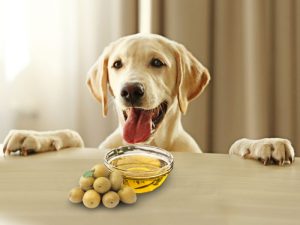
Avoid artificial preservatives, added sugars, xylitol, propylene glycol, and low quality by-products.
I’ve spent years reading pet labels, talking with vets, and testing diets. This guide walks you through dog food ingredients to avoid so you can pick safer foods. I explain why each ingredient is risky, how to spot it on a label, and what to choose instead. Read on to learn clear, practical steps to protect your dog’s health.
Why paying attention to dog food ingredients to avoid matters
Pets eat what we put in their bowls every day. Harmful ingredients can silently cause allergies, weight gain, digestive upset, or long-term organ strain. Knowing dog food ingredients to avoid helps you prevent problems before they start. I’ll help you read labels and choose better foods that fit your dog’s needs.
Top dog food ingredients to avoid and why
Below are common dog food ingredients to avoid. Each entry explains the risk, what to watch for on labels, and safer alternatives.
Artificial preservatives: BHA, BHT, and ethoxyquin
Artificial preservatives extend shelf life but can harm dogs over time. BHA and BHT are linked to liver damage and cancer risks in some studies. Ethoxyquin has been associated with allergic reactions and cellular damage.
Look for natural preservatives such as mixed tocopherols, vitamin E, and vitamin C as safer options.
Artificial colors and flavors
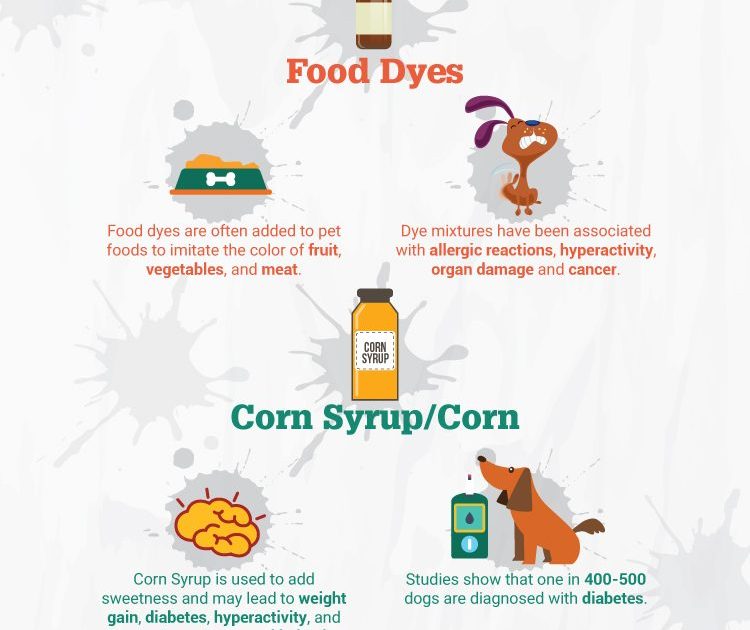
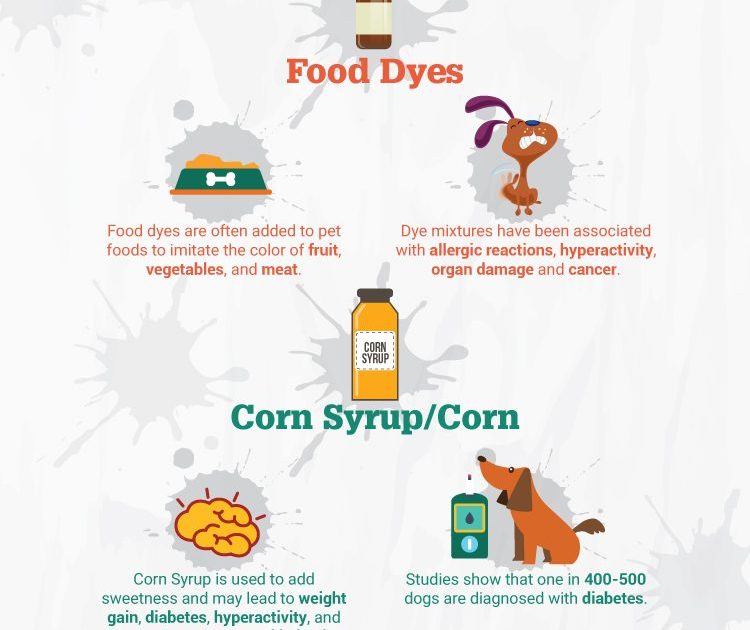
Artificial dyes add color but offer no nutrition. They can trigger allergic and behavioral reactions in sensitive dogs. Avoid labels that list Red 40, Yellow 5, or Blue 2.
Choose foods that list no artificial colors or say naturally colored using fruits and vegetables.
Fillers and low-nutrient grains: corn, wheat, and soy
Cheap fillers bulk up food but add little nutrition for many dogs. Corn, wheat, and soy can be allergens for some pets. These ingredients often displace protein and fats that dogs need.
Look for named grains like brown rice or oats, or higher meat content when your dog tolerates grains well.
Meat by-products and generic “meat meal”
By-products and unnamed meals can include low-quality animal parts. These terms hide the source and nutrient consistency. They can vary widely in quality and digestibility.
Prefer named sources such as “chicken meal” or “lamb meal,” and check that a quality meat appears first on the ingredient list.
Sugars and sweeteners, especially xylitol
Added sugar is unnecessary and promotes obesity and dental disease. Xylitol is extremely toxic to dogs and can cause rapid insulin release and liver failure.
Avoid foods, treats, and dental chews that list xylitol or sweeteners like sorbitol. Opt for unsweetened options.
Propylene glycol and glycerin
Propylene glycol is a synthetic compound used to retain moisture. It can be hazardous in high amounts and is banned in cat foods for this reason. Glycerin is safer but quality varies.
Prefer foods that use natural humectants or avoid moisture-retaining additives when possible.
Carrageenan and guar gum
These thickeners and stabilizers can irritate the gut in some dogs. Carrageenan in particular has been linked to inflammation in lab studies.
Look for limited use of gums or choose recipes that use whole-food thickeners like pumpkin or purees.
BHA/BHT (reiterated) and other chemical preservatives
Some brands may still list chemical preservatives under complex names. These can be hard to spot but often appear near the end of the ingredient list.
If you see long, unfamiliar chemical names, research them or choose formulas with simple, recognizable ingredients.
Dangerous human-food ingredients sometimes found in treats and toppers
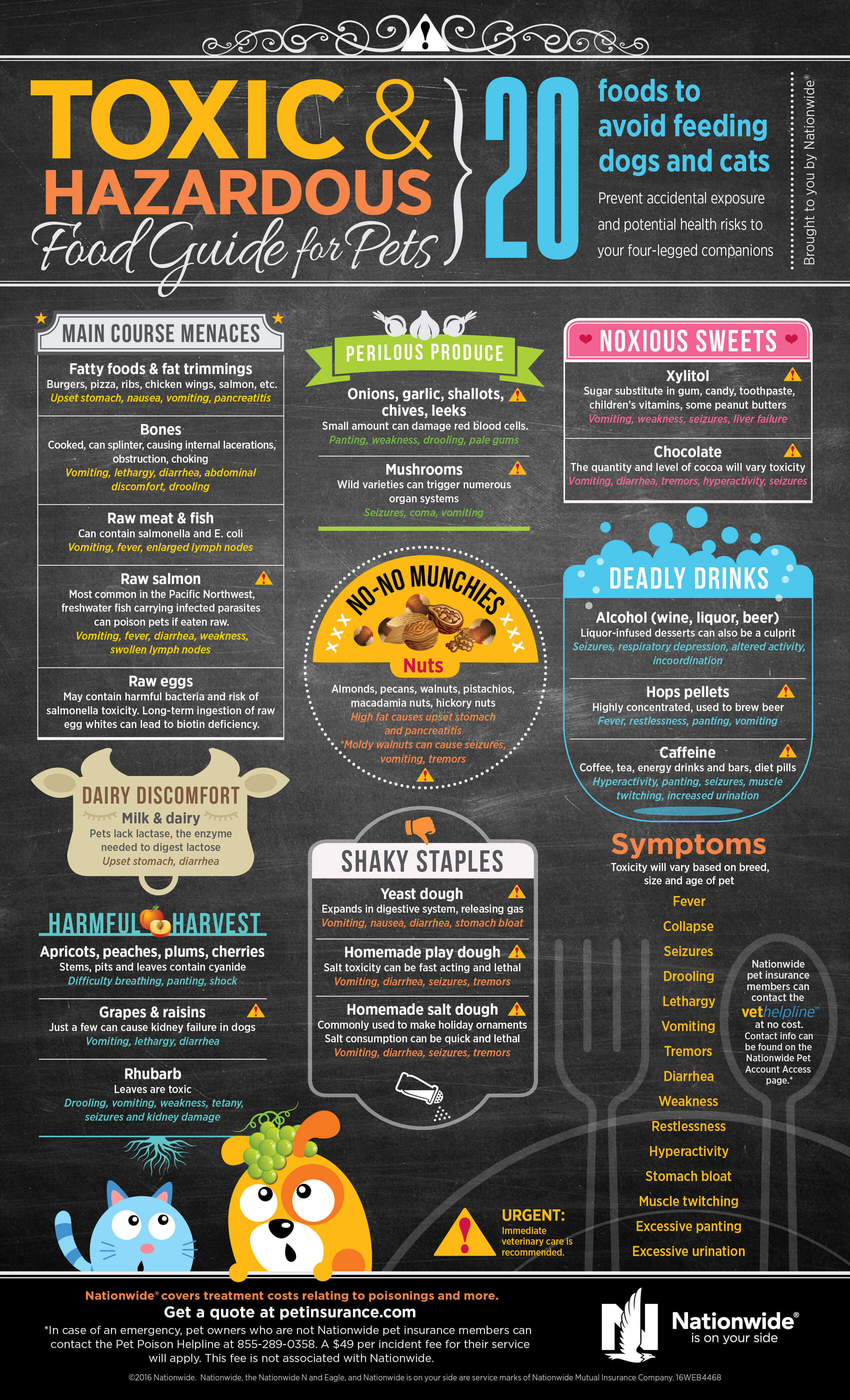
Certain human foods are toxic to dogs. Even small amounts can be dangerous. These are also important dog food ingredients to avoid.
- Chocolate and cocoa
- Causes vomiting, diarrhea, tremors, and life-threatening heart issues.
- Grapes and raisins
- Can cause sudden kidney failure in dogs, even in small amounts.
- Onions, garlic, leeks, and chives
- Damage red blood cells and cause anemia over days to weeks.
- Xylitol (again)
- Found in sugar-free gum, peanut butter, and some low-sugar treats; causes hypoglycemia and liver failure.
- Macadamia nuts
- Can cause weakness, tremors, and depression in dogs.
- Alcohol and caffeine
- Both are toxic and can cause severe central nervous system and heart effects.
If a label or ingredient list includes these, do not feed it to your dog.

How to read dog food labels to avoid bad ingredients
Reading labels is the best defense. Follow this step-by-step approach to spot dog food ingredients to avoid.
- Check the first five ingredients first
- Ingredients are listed by weight. The first items tell you the main sources of calories and protein.
- Watch for vague terms
- Avoid “meat” or “animal” without a specific species. “By-products” are too vague.
- Decode preservatives and additives
- See if preservatives are named mixed tocopherols or chemical names like BHA. Prefer natural names.
- Look for guaranteed analysis and AAFCO statement
- AAFCO feeding trial statements indicate tested nutrition. Guaranteed analysis gives protein and fat levels.
- Spot sugars and sweeteners
- Check for sugar, corn syrup, molasses, or xylitol. Even small amounts matter in treats.
- Consider sourcing and recalls
- Brands with transparent sourcing and few recalls are generally more trustworthy.
PAA-style question: How long should I study a dog food label before deciding?
Answer: Spend a minute or two per product. Focus on the top five ingredients, preservatives, and any human toxins.
PAA-style question: Is “natural flavors” safe for dogs?
Answer: It can be a red flag. Natural flavors hide specific additives. Prefer named whole foods instead.
Safer ingredient choices and practical alternatives
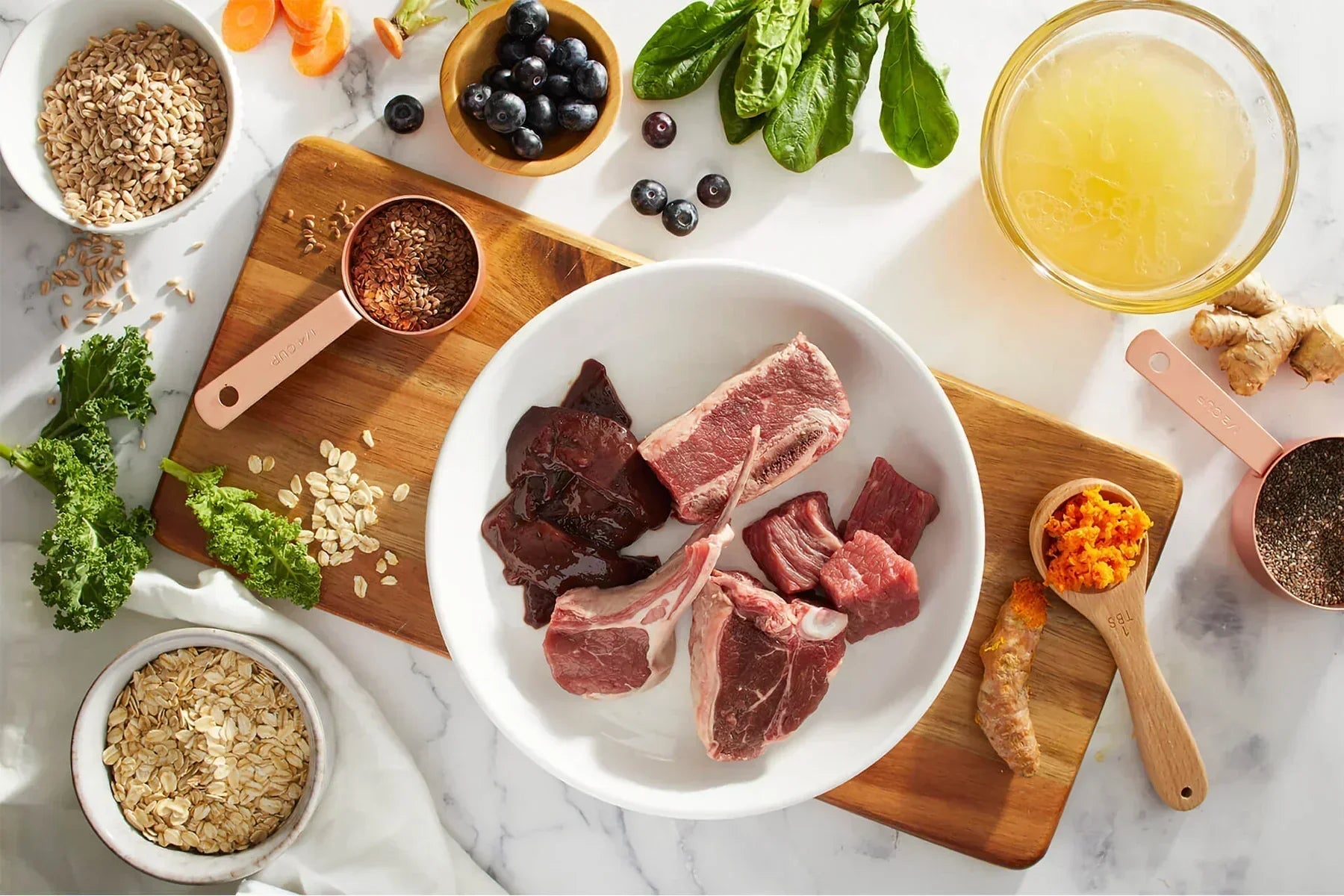
Knowing what to avoid helps you pick better foods. Here are practical swaps and options.
- Choose named meat sources
- Look for “chicken,” “beef,” “salmon,” or “lamb” listed clearly. Meals like “chicken meal” are concentrated protein.
- Prefer natural preservatives
- Mixed tocopherols and ascorbic acid are safer than BHA/BHT or ethoxyquin.
- Opt for whole food fillers when needed
- Brown rice, oats, and sweet potato add fiber and energy without low value.
- Avoid grain-free just for marketing
- Grain-free diets have been linked to heart concerns in some dogs. Use grain-free only when a vet recommends it.
- Consider limited-ingredient or single-protein diets
- Useful for dogs with allergies or sensitivities.
- Home-cooked or raw diets
- These can be healthy if balanced. Work with a vet or nutritionist to avoid deficiencies.
Personal experience: mistakes I made and tips I trust
Early in my pet-care career, I picked foods by price and label art. My dog developed itchy skin and loose stools. Switching to a limited-ingredient formula with named proteins and no artificial preservatives fixed the issue in weeks. From that, I learned to read labels carefully and to introduce new foods slowly over 7–10 days. Always talk to your vet before major diet changes. That saved us time, money, and worry.
Frequently Asked Questions of Dog food ingredients to avoid
What are the most toxic ingredients in dog food?
The most toxic ingredients are xylitol, certain artificial preservatives (in high doses), and human foods like chocolate, grapes, and onions. These can cause immediate, serious reactions.
Can small amounts of artificial color hurt my dog?
Small amounts rarely cause acute harm but can trigger allergies or hyperactivity in sensitive dogs. Long-term exposure adds no nutritional value and is best avoided.
Is “meat by-product” always bad?
Not always, but it’s inconsistent. By-products can be nutritious but vary in quality. Choose named by-products or higher-quality protein sources if possible.
Are grain-free diets safer for dogs?
Not necessarily. Grain-free diets may help dogs with true grain allergies. However, some grain-free diets have been linked to heart concerns, so consult your vet first.
How can I tell if a preservative is safe?
Look for mixed tocopherols, vitamin E, and vitamin C. Avoid BHA, BHT, and ethoxyquin. If a preservative name looks chemical or unfamiliar, research it or pick another product.
Should I avoid all gums and thickeners?
Not always. Small amounts of guar gum or xanthan gum are usually safe. If your dog has a sensitive stomach, try recipes without these ingredients to see if symptoms improve.
How often should I change my dog’s food?
If your dog is healthy and the food is high quality, frequent changes aren’t needed. Change foods only for health reasons or to meet changing life stages, and always transition slowly.
Conclusion
Avoiding the wrong ingredients can improve your dog’s energy, coat, digestion, and long-term health. Use the label tips above to spot dog food ingredients to avoid and choose safer, clearer recipes. Start by checking the top five ingredients, skip artificial preservatives and xylitol, and favor named meats and natural preservatives. Take action today: review your dog’s current food, consult your vet if you see problems, and consider safer swaps. Share your experience or questions below, and subscribe for more practical pet nutrition advice.