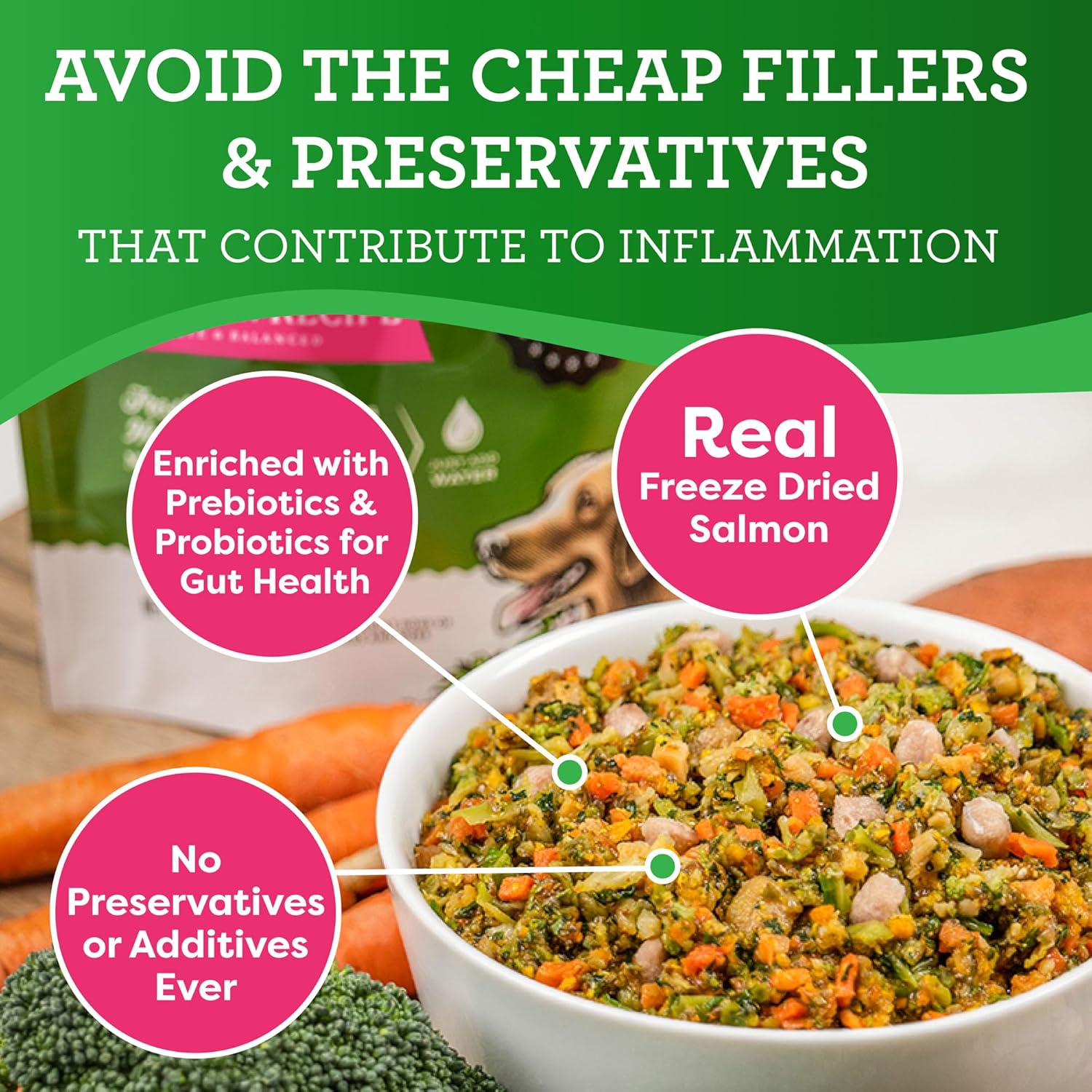
Avoid common allergens like beef, dairy, wheat, soy, chicken, and artificial additives in dog food.
I’ve worked with dogs and helped many owners manage food reactions, so I know how confusing ingredient lists can be. This guide on Dog food ingredients to avoid for allergies breaks down the common triggers, hidden culprits, testing steps, safe swaps, and practical label-reading tips. Read on for clear, experience-backed advice to help your dog feel better fast.
How food allergies work in dogs
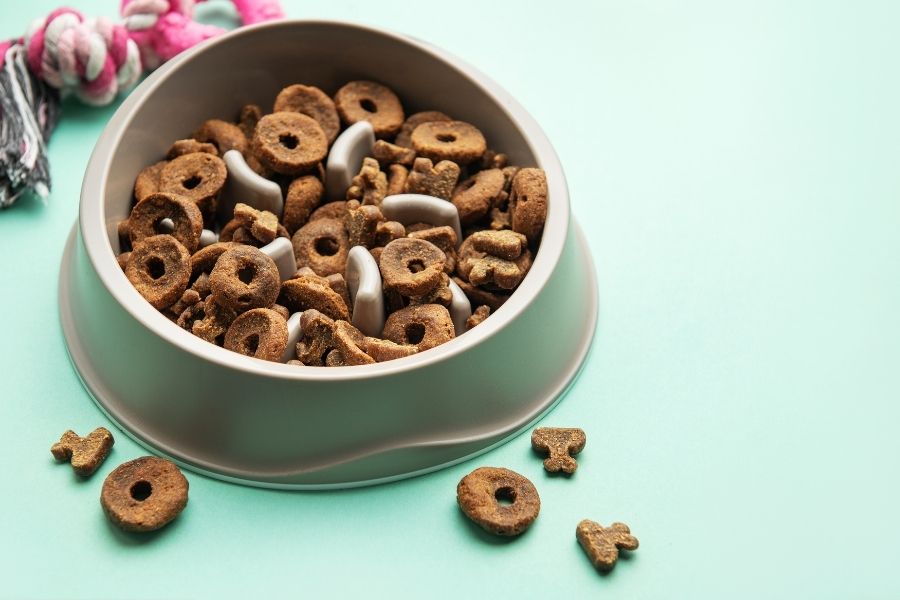
Food allergies happen when a dog’s immune system reacts to a protein or additive. Reactions can be immediate or slow and often show as skin or gut symptoms. Food sensitivity is different from intolerance, which is digestive, not immune-driven. Understanding these basics helps you spot the right Dog food ingredients to avoid for allergies and start the right plan.

Common dog food ingredients that cause allergies
Many dogs react to a small group of ingredients. When thinking about Dog food ingredients to avoid for allergies, focus on proteins, grains, and additives.
- Beef — One of the most common protein allergens.
- Chicken — Very common due to frequent use in pet foods.
- Dairy — Lactose and milk proteins can trigger reactions.
- Wheat — A common grain allergen for sensitive dogs.
- Soy — Often linked to skin and GI issues.
- Corn — Can cause allergies and digestive upset in some dogs.
- Eggs — Protein in eggs may cause immune reactions.
- Fish — Less common, but still an allergen for some dogs.
- Lamb and pork — Less frequent but possible triggers.
- Artificial colors and flavors — Can worsen skin and behavior issues.
- Preservatives like BHA, BHT, and some sulfites — Potential irritants.
- Flavorings listed as “natural flavors” — Can hide allergens.
As you shop, keep Dog food ingredients to avoid for allergies top of mind and read labels carefully for these items.
Hidden ingredients and tricky labels
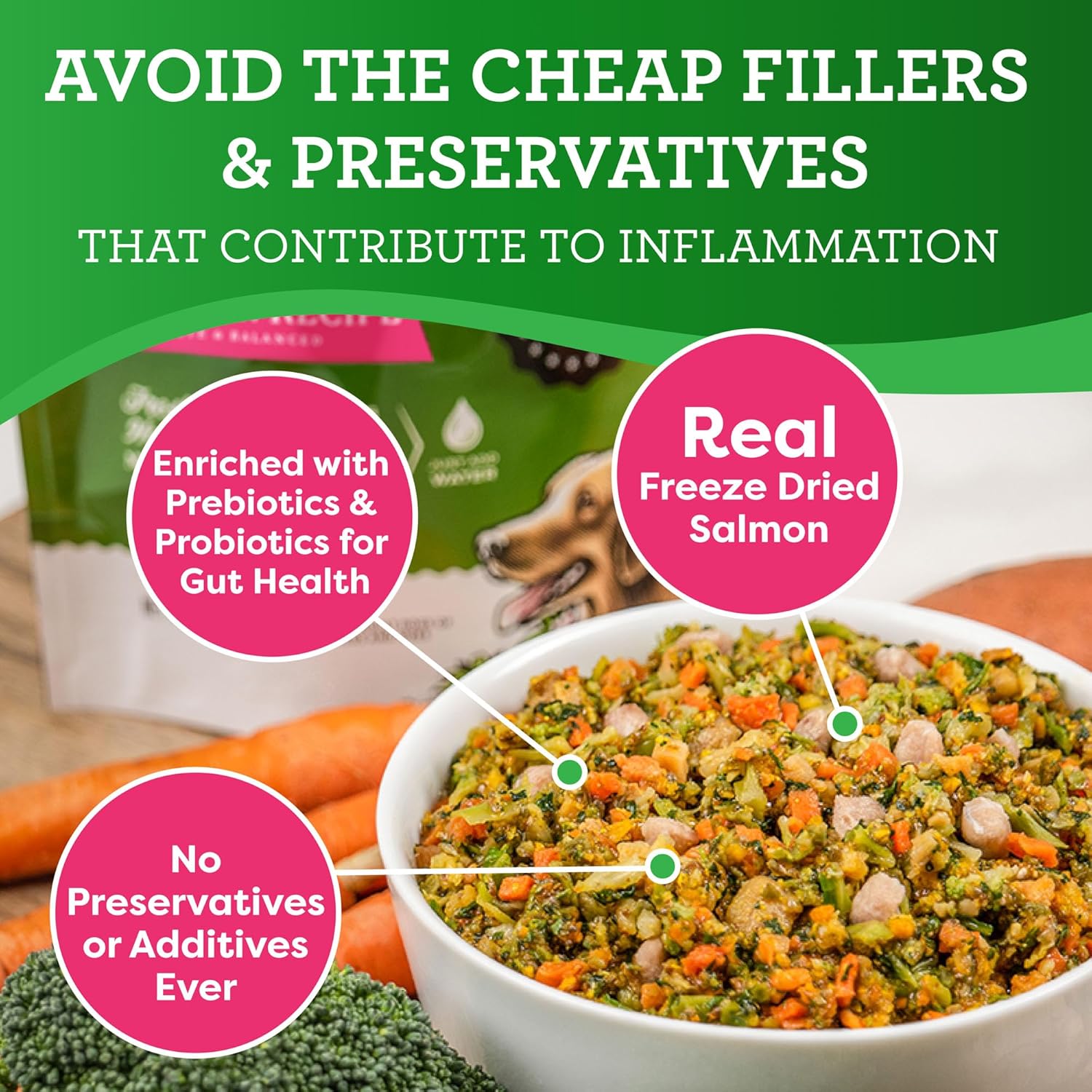
Manufacturers sometimes use vague terms that mask allergens. Look out for these when trying to avoid Dog food ingredients to avoid for allergies.
- Meat by-products — May contain multiple animal sources, increasing allergy risk.
- Natural flavors — Can include protein extracts from common allergens.
- Hydrolyzed proteins — Often safe, but check with your vet; some hydrolyzed diets still cause reactions in rare cases.
- Glycerin and propylene glycol — Not common allergens, but can irritate sensitive skin.
- Carrageenan and guar gum — Texture additives linked to gut irritation in some pets.
- Cross-contamination statements — “Made in a facility that also processes…” is important for severe cases.
If your dog is highly sensitive, choose single-protein, single-ingredient or prescription hypoallergenic diets labeled clearly.
:max_bytes(150000):strip_icc()/140286_HomemadeDogFood_DDMFS_Beauty_009-6a6e82002dc3496eaa20dec6bfde6d6e.jpg)
Signs and symptoms of food allergies in dogs
Food allergies often show as chronic signs rather than sudden collapse. Spotting these early helps you act.
- Itchy skin, especially paws, groin, armpits, and face.
- Recurring ear infections or smelly ears.
- Chronic licking or chewing of paws.
- Red, inflamed skin, scabs, or hair loss.
- Vomiting, diarrhea, or chronic soft stools.
- Weight loss and poor coat quality in long-term cases.
When you suspect food issues, focus on Dog food ingredients to avoid for allergies and track symptoms day-by-day.

2–3 PAA-style questions
What are the top ingredients that cause dog allergies?
Many dogs react to beef, chicken, dairy, wheat, soy, and corn. Processed additives and “natural flavors” also commonly trigger issues.
How fast do food allergy symptoms appear?
Symptoms can show in days for some dogs but often take weeks to become obvious. Chronic signs like itching usually develop slowly.
Can switching brands remove allergies?
Not always. Switching can help only if the new food avoids the specific allergen. For real change, use an elimination diet to find triggers.

Diagnosing food allergies: elimination diets and tests
The most reliable method is an elimination diet. This takes patience but yields clear results.
- Elimination diet basics:
- Choose a novel protein or hydrolyzed-protein diet your dog has never eaten.
- Feed only that food for 8 to 12 weeks, including treats and flavored meds.
- Reintroduce suspect ingredients one at a time to watch for reactions.
- Blood and saliva tests exist, but they often give false positives or miss triggers.
- Skin tests are less useful for food allergies than for environmental allergens.
From my experience working with breeders and trainers, the elimination diet and careful re-challenge is the best path. It takes time but reduces guessing and unnecessary restrictions.
Safe ingredient alternatives and hypoallergenic diets
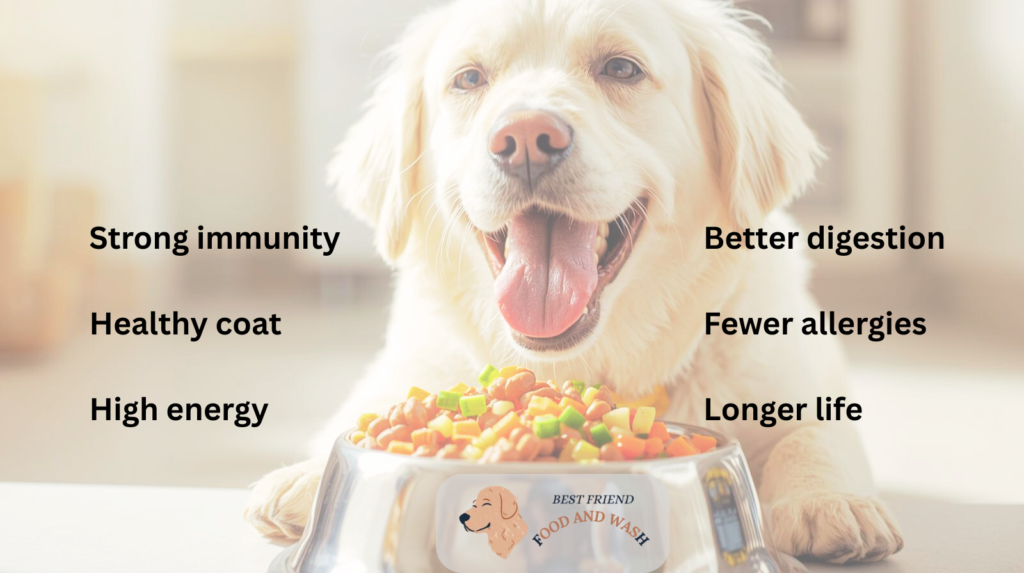
When avoiding Dog food ingredients to avoid for allergies, choose safe, balanced options.
- Novel proteins — Venison, duck, rabbit, bison, kangaroo, or venison can work if truly novel.
- Fish-based diets — Good for some dogs, but not if fish is the allergen.
- Hydrolyzed protein diets — Proteins broken into tiny pieces to avoid immune recognition.
- Limited-ingredient diets — Short ingredient lists reduce exposure to hidden allergens.
- Grain options — If your dog is allergic to wheat, consider rice or oats; if grain-free is considered, watch for carbohydrate balance.
Always confirm the diet is complete and balanced for your dog’s life stage. Sudden homemade or unbalanced diets risk nutrient gaps.
Practical tips for choosing dog food and reading labels
Label reading is a skill. Use these practical tips when avoiding Dog food ingredients to avoid for allergies.
- Check the first three ingredients — Proteins and grains are listed first by weight.
- Prefer explicit, single-source proteins — “Duck” is better than “meat.”
- Avoid vague terms — Stay away from “meat by-product,” “animal digest,” or “natural flavors” if you need strict control.
- Watch for cross-contamination statements if the allergy is severe.
- Check feeding trials and AAFCO statements to ensure nutritional completeness.
- Keep treats, supplements, and chews consistent with the elimination diet.
- Work with your vet to pick prescription or therapeutic formulas if needed.
These habits make it easier to avoid hidden Dog food ingredients to avoid for allergies.
Homemade and limited-ingredient recipes (basic example)
If you prefer home cooking, start simple and consult a vet or nutritionist. Here’s a basic template for a novel-protein meal.
- Simple venison and sweet potato mix:
- 2 parts cooked lean venison
- 1 part cooked sweet potato (mashed)
- Add a dog-safe oil (a teaspoon per cup served)
- Supplement with a vet-recommended multivitamin for balance
Rotate slowly and monitor your dog closely. Homemade diets need professional balancing long term.
Frequently Asked Questions of Dog food ingredients to avoid for allergies
What ingredients commonly trigger dog allergies?
Beef, chicken, dairy, wheat, soy, and corn are the most frequent triggers. Artificial additives and vague label terms also cause reactions.
Is grain-free food better for allergic dogs?
Not always. Grain-free helps only if grains are the trigger. Grain-free diets can shift carbs and aren’t a universal fix.
Can a dog outgrow a food allergy?
Sometimes dogs tolerate ingredients better over time, but many allergies persist. Management often requires lifelong avoidance.
Are hydrolyzed diets safe for testing allergies?
Yes, hydrolyzed diets are commonly used for diagnosis and treatment because the proteins are broken down to reduce immune response.
Should I stop treats during an elimination diet?
Yes. All food, treats, and flavored medications must match the elimination diet to avoid false results.
Can food preservatives cause allergic reactions?
Preservatives and artificial colors can irritate sensitive dogs and worsen skin issues. Avoid BHA, BHT, and unnecessary dyes when possible.
How long until a dog shows improvement after removing an allergen?
Some dogs improve in 2 to 4 weeks; skin healing can take several months. Patience and consistency are key.
Conclusion
Avoiding the right Dog food ingredients to avoid for allergies can transform a dog’s health. Focus on clear labels, single-source proteins, and methodical testing like elimination diets. Start by identifying likely triggers, work with your vet, and make one change at a time. Your next step: pick one food to eliminate or try a vet-recommended hypoallergenic formula for 8–12 weeks and track changes. Share your experience, subscribe for updates, or leave a comment about what worked for your dog.