Avoid high sugars, refined carbs, yeast, dairy, and brewer’s yeast in dog food.
I have spent years helping dogs with chronic skin and ear yeast infections. I wrote this guide to explain which dog food ingredients to avoid for yeast infections and why they matter. I combine clinical experience, diet testing, and plain talk so you can choose foods that help reduce yeast growth and ease symptoms fast. Read on to learn clear steps, label tips, and safer ingredient swaps.

Why diet matters: how food links to yeast overgrowth
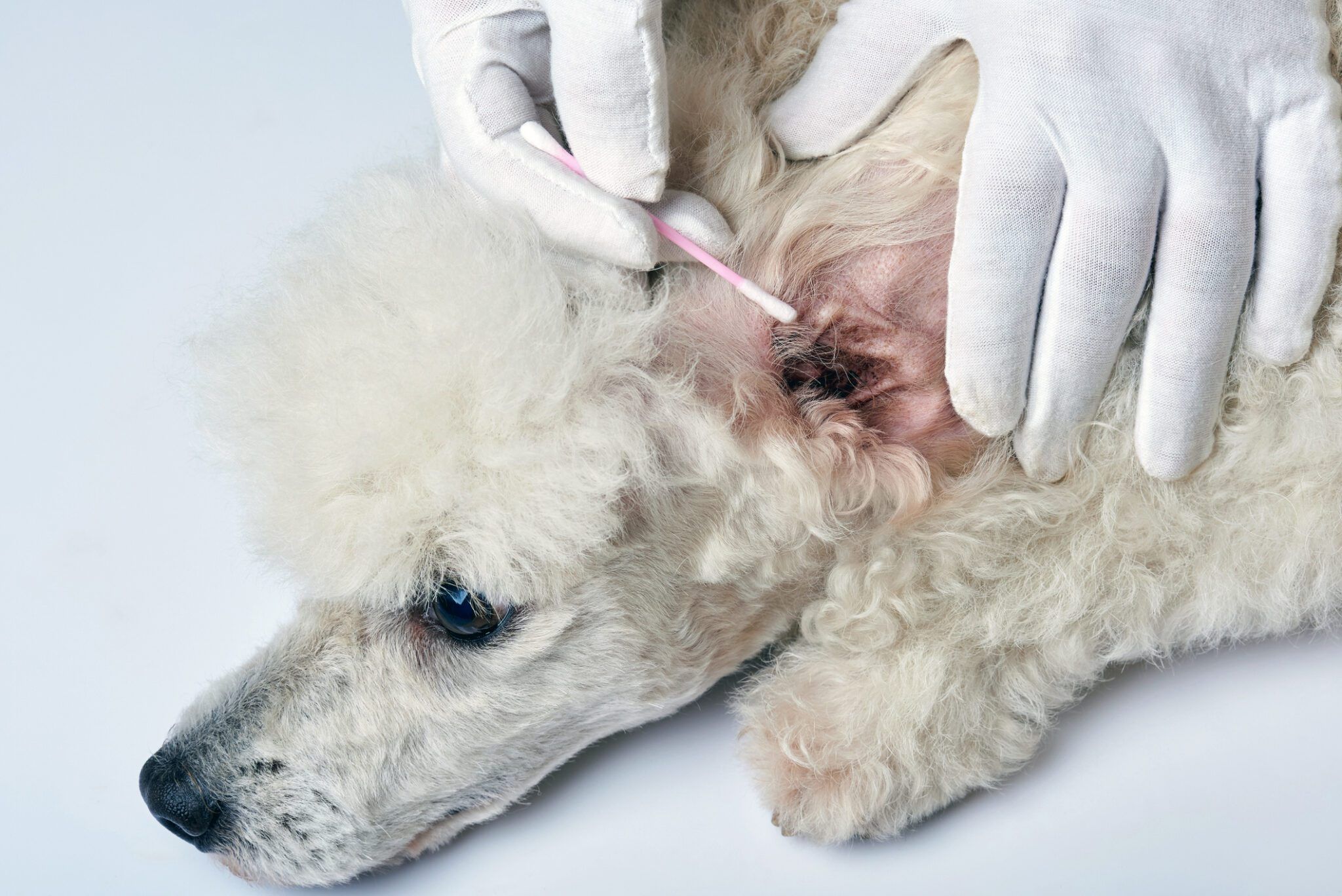
Yeast lives on a dog’s skin and in ears. It thrives when the immune system or skin balance changes. Diet can speed yeast growth. Sugars and certain carbs feed yeast directly. Ingredients that cause inflammation can weaken skin defenses.
Understanding dog food ingredients to avoid for yeast infections helps you spot triggers. Changing food can cut flare-ups. I have seen ear redness improve in weeks after a diet change. This is not a cure-all. Always pair diet steps with vet care and testing.
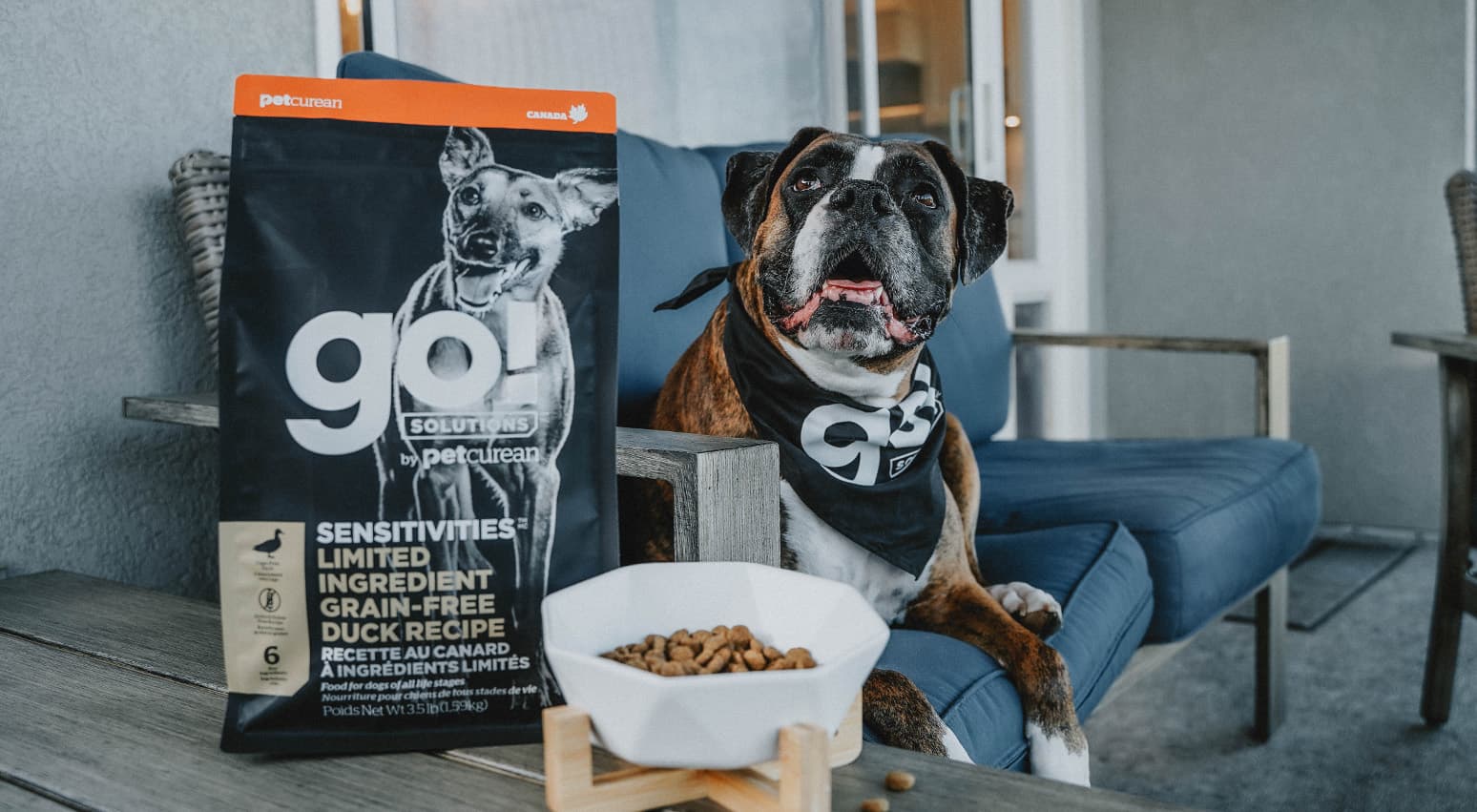
Common dog food ingredients to avoid for yeast infections
Below are ingredients linked to yeast flare-ups, with plain reasons and safe swaps.
Sugars and sweet syrups.
These include cane sugar, brown sugar, corn syrup, and honey. Yeast feeds on sugars and grows faster when sugar is present. Swap for low-glycemic whole foods and no added sugars.High-glycemic grains and refined carbs.
White rice, corn, wheat, and barley raise blood sugar fast. Rapid glucose spikes can feed yeast. Choose low-glycemic alternatives like some whole grains or limited carbs.High-starch legumes and potatoes in excess.
Peas, chickpeas, lentils, and white potatoes add digestible starch. They can act like sugars once digested. Use them sparingly or opt for non-starch vegetables.Brewer’s yeast and nutritional yeast.
These add live or inactive yeast to the diet and can worsen yeast-driven skin conditions. Avoid dog foods and treats that list any form of yeast.Dairy and lactose-containing ingredients.
Milk, cheese, whey, and lactose can promote yeast in sensitive dogs. Many adults dogs have trouble digesting lactose as well. Use lactose-free or non-dairy options if needed.Simple sweeteners and fruit concentrates.
Molasses and fruit juice concentrates are hidden sugar sources. They mask as “natural” but still feed yeast. Look for zero-added-sugar labels.Certain preservatives and artificial additives.
BHA, BHT, and artificial colors can be inflammatory for some dogs. Inflammation can tip the skin microbe balance in favor of yeast. Prefer foods with minimal, natural preservation.By-products and vague meat meals (when low quality).
These can cause food sensitivity and inflammation in some dogs. If inflammation is an issue, choose named whole proteins like chicken, turkey, or fish as the primary ingredient.Excess omega-6 rich oils without omega-3 balance.
High omega-6 to omega-3 ratios can promote inflammation. Look for added omega-3s from fish oil, which help control inflammation tied to yeast problems.
Dog food ingredients to avoid for yeast infections often hide behind friendly labels. Read every ingredient line and the guaranteed analysis. Small changes make a big difference over time.
How to read labels to spot problem ingredients
Labels can be confusing. Use these quick checks to find dog food ingredients to avoid for yeast infections.
Check the first three ingredients.
These make up most of the food. If sugar, corn, or unnamed meat by-products are first, the product may worsen yeast.Watch for multiple sugar names.
Look for cane sugar, molasses, corn syrup, fruit juice concentrate, and even barley malt. Any added sugar can feed yeast.Identify starch and carb load.
If the formula lists several starches like rice, peas, and potato, expect more digestible carbs. This can be a yeast trigger.Note yeast and yeast derivatives.
Brewer’s yeast, autolyzed yeast, and yeast extract are all forms to avoid when managing yeast infections.Review fat sources and omega ratios.
Foods that list vegetable oils first may be heavy in omega-6. Prefer foods that list named animal fats or fish oil plus a good omega-3 source.Look for “complete and balanced” plus limited ingredient or novel protein options.
These help reduce hidden triggers and make elimination trials easier.
Reading labels takes practice. I recommend comparing two or three brands side by side. That reveals how ingredients change and which products avoid yeast-promoting items.

Diet strategies to manage yeast infections effectively
Use these practical diet steps to limit yeast growth and support recovery.
Start an elimination trial.
Remove suspected sugars, dairy, and high-starch ingredients for 6–8 weeks. Track skin and ear changes. Reintroduce one ingredient at a time to spot triggers.Choose low-glycemic, low-sugar recipes.
Foods with low digestible carbs reduce yeast fuel. Target diets with named meat protein and minimal starch.Try novel-protein or limited-ingredient diets.
These can reduce inflammation and hidden triggers. They also simplify identifying problem ingredients.Add probiotics and prebiotics cautiously.
Certain probiotic strains support skin and gut balance. Discuss strains and doses with your vet before starting.Use omega-3 supplements.
Fish oil supports skin health and lowers inflammation, which can reduce yeast-prone flares.Balance treats and supplements.
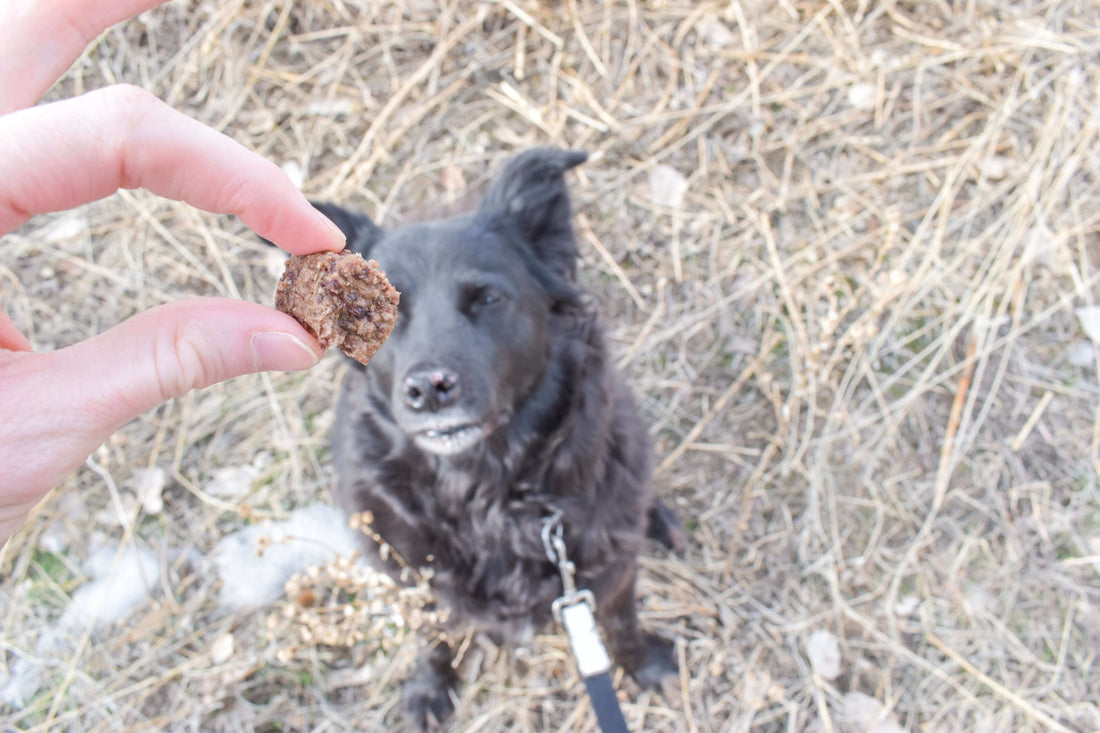
Avoid sugary treats and table scraps. Choose freeze-dried meat or vet-approved low-carb snacks.Work with your vet for long-term plans.
Diet helps a lot. Labs, skin cytology, or allergy testing can guide precise changes.
Can carbs cause yeast infections in dogs?
Yes. Digestible carbs break down into sugars that feed yeast. Lowering high-glycemic carbs can reduce yeast growth and help symptoms.
Will switching food cure a yeast infection?
Switching food can reduce flare-ups and help the skin heal. It is often one key step but not always a full cure; infections may need topical or medical treatment too.
How long before diet changes show improvement?
Many dogs show progress in 2–6 weeks on a low-sugar, anti-inflammatory diet. Severe or chronic cases may need longer and vet care.

Personal experience and practical tips from my practice
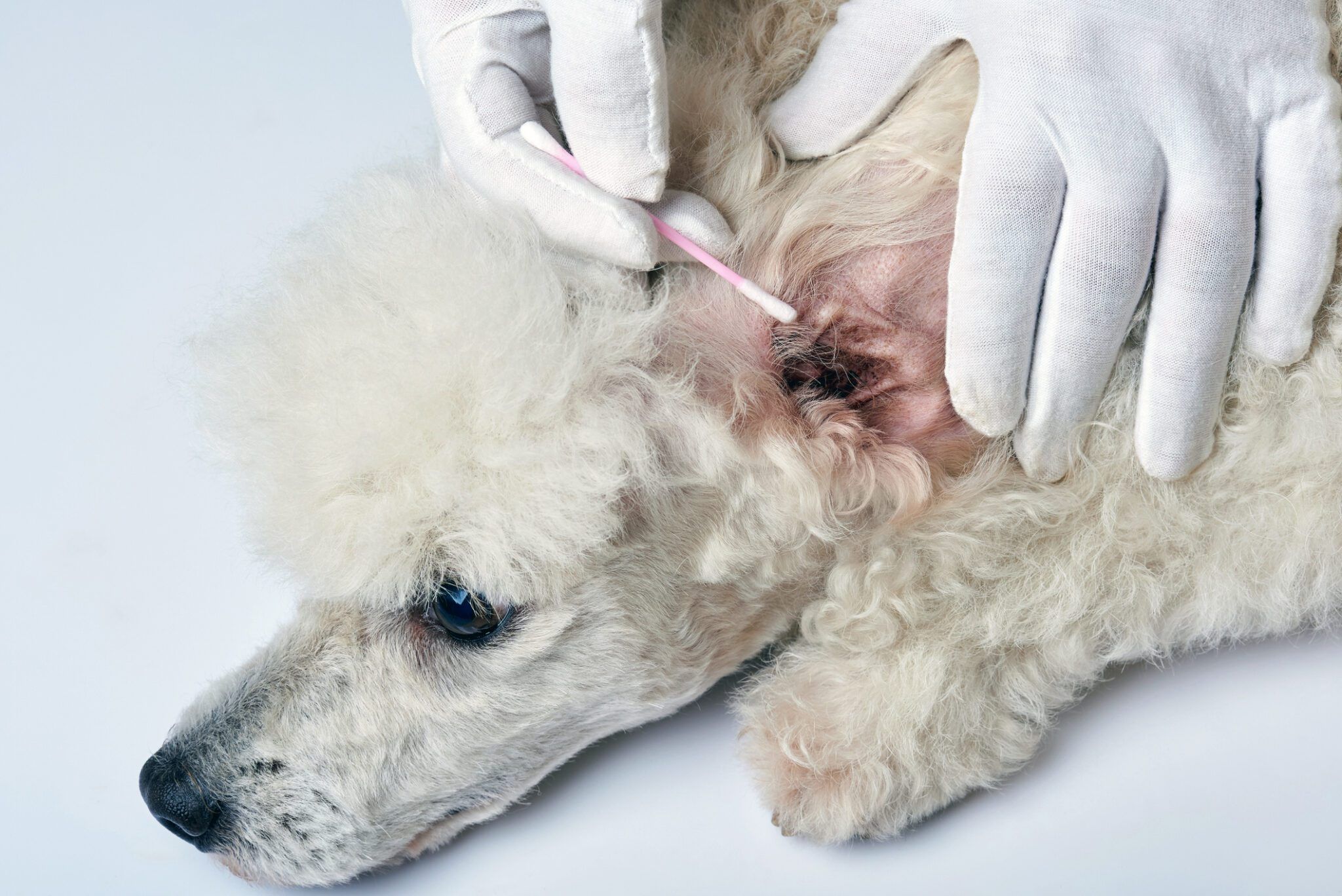
I have guided dozens of owners through diet changes for yeast-prone dogs. Small, steady changes work best. One dog with chronic ear yeast improved after we removed brewer’s yeast and switched to a limited protein, low-carb food. The owner also cut all table scraps. Weeks later, redness and odor dropped significantly.
Lessons learned and tips:
- Start simple. Cut sugar and dairy first.
- Keep a food diary. Note treats and new foods.
- Read treat labels too. Many treats hide sugar.
- Be patient. Skin needs weeks to regenerate.
- Use vet support for meds and testing when needed.
These steps helped many dogs return to normal life. They also reduced repeated vet visits and long-term meds in several cases.
Frequently Asked Questions of Dog food ingredients to avoid for yeast infections
What single ingredient most often feeds yeast in dog food?
Sugar and added sweeteners are the most direct yeast fuels. Any form of sugar or syrup can speed yeast growth.
Are grains always bad for dogs with yeast?
Not always. Whole, low-glycemic grains in small amounts may be fine. Avoid refined grains and high-glycemic options if yeast is a problem.
Can treats alone trigger a yeast flare?
Yes. Treats with sugar, fruit concentrates, or brewer’s yeast can cause flares even if the main food is good. Choose low-carb treats.
Should I stop all dairy if my dog has yeast?
Many dogs tolerate dairy poorly and it may worsen yeast. Try eliminating dairy for several weeks to see if symptoms improve.
Is homemade food better for yeast-prone dogs?
Homemade diets can help if they are balanced and low in sugar. Work with a vet or nutritionist to ensure proper nutrients.
Conclusion
Avoiding common dog food ingredients to avoid for yeast infections can cut flare-ups and improve your dog’s comfort. Focus on low-sugar, low-glycemic choices, avoid brewer’s yeast and dairy, and read labels carefully. Pair diet changes with vet guidance and simple monitoring. Try one change at a time and give the skin time to heal. If you found this helpful, try a food swap, track the results, and share your experience in the comments or subscribe for more practical tips.