It happens in a split second. You drop a piece of grilled steak or roasted chicken from your dinner plate, and your dog gobbles it up before you can even react. Then the panic sets in: Wait, that food was heavily seasoned. If you find yourself frantically searching, can dogs eat food with black pepper, you are not alone.
Sharing human food is a common habit for pet parents, but understanding which kitchen spices are safe and which ones spell trouble is vital for your dog’s health. While plain, unseasoned meat is a great treat, the spices we use to flavor our meals can cause unexpected problems for our furry friends.
In this guide, we will break down exactly how black pepper affects your dog, what symptoms you need to watch out for, and how to safely handle seasoned table scraps to keep your pet healthy and comfortable.
Quick Answer
Can dogs eat food with black pepper? While black pepper is not strictly toxic to dogs in tiny amounts, it is not recommended. Large amounts can cause severe stomach upset, vomiting, diarrhea, and intense sneezing if inhaled. If your dog accidentally ate a small piece of lightly peppered food, they will likely be fine, but you should never intentionally feed them heavily seasoned human food.
Is Black Pepper Toxic to Dogs?
The short answer is no, black pepper is not inherently toxic to dogs in the same way that chocolate, grapes, or xylitol are. It does not contain compounds that will shut down your dog’s organs.
However, just because something isn’t lethal doesn’t mean it is good for them. Black pepper gets its signature spicy kick from a chemical compound called piperine. While humans love this mild heat, a dog’s digestive system is much more sensitive.
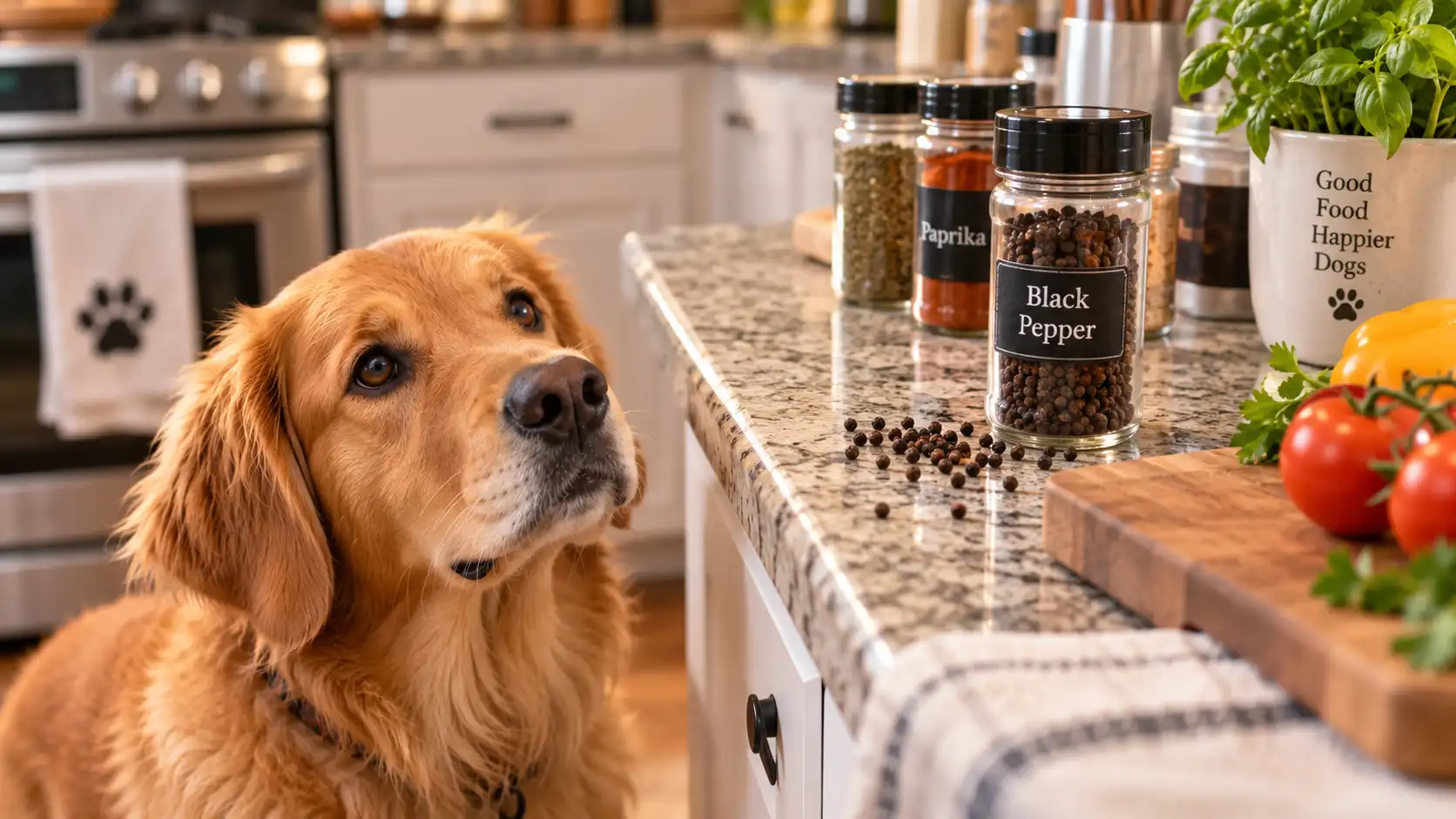
When a dog ingests piperine, it acts as an irritant. It can inflame the lining of their stomach and intestines, leading to uncomfortable digestive issues. Furthermore, a dog’s sense of smell is thousands of times stronger than ours. Simply sniffing black pepper can severely irritate their nasal passages.
What Happens If Your Dog Eats Black Pepper?
If your dog snatched a tiny piece of chicken with a single speck of black pepper on it, you probably won’t notice any reaction at all. However, if they consume a heavily peppered piece of meat, or if they accidentally knock over the pepper shaker, you might see the following reactions:
- Intense sneezing: If they inhale the dust, their sensitive noses will react immediately.
- Coughing or gagging: The spicy sensation in their throat can cause discomfort.
- Upset stomach: This is the most common internal reaction to spicy foods.
- Mild diarrhea: As the body tries to expel the irritating spice, loose stools may occur.
- Excessive thirst: The spicy sensation may cause your dog to drink more water than usual.
The Hidden Danger: Mixed Seasonings
The biggest risk of feeding your dog food with black pepper usually isn’t the pepper itself—it is the other ingredients mixed with it.
When we cook human food, we rarely use black pepper completely on its own. It is almost always combined with salt, garlic powder, onion powder, or other heavy spices. According to the ASPCA Animal Poison Control Center guidance, certain common household foods—specifically onions and garlic—are highly toxic to pets and can cause life-threatening anemia by damaging red blood cells.
If your dog ate a seasoned piece of meat, you must check the recipe. If the food was seasoned with garlic or onion powder alongside the black pepper, that is a much more serious situation that requires immediate veterinary attention.
When to Call a Veterinarian or Pet Professional
If your dog consumed food with black pepper, they usually just need to be monitored closely at home. Make sure they have access to plenty of fresh, clean water to help soothe their stomach.
However, you must call your licensed veterinarian or a local emergency pet clinic if you notice any of the following severe symptoms:
- Repeated vomiting: If they cannot hold down water or food.
- Bloody diarrhea: This indicates severe gastrointestinal inflammation or internal bleeding.
- Lethargy or weakness: If your dog is unusually tired, unresponsive, or cannot stand.
- Pale gums: A major warning sign of toxicity, often related to garlic or onion ingestion.
- Labored breathing: If the pepper inhalation caused severe respiratory distress.
Never try to induce vomiting at home or administer human stomach medications without direct instructions from a veterinary professional. Doing so can cause far more harm to your pet’s digestive tract.
Expert Tip:
If you accidentally drop a piece of heavily seasoned meat on the floor, step on it with your foot immediately. This blocks your dog from snatching it while giving you time to grab a paper towel and safely clean up the spill!
Safe and Unsafe Kitchen Spices for Dogs
For a quick reference on what is safe and what isn’t, use this handy guide before sharing any plain, cooked foods with your dog.
| Spice / Seasoning | Safety Level | Potential Effects on Dogs |
| Black Pepper | Not Recommended | Mild stomach upset, sneezing, gas, diarrhea. |
| Garlic (Fresh or Powder) | Highly Toxic | Destroys red blood cells, causes severe anemia. |
| Onion (Fresh or Powder) | Highly Toxic | Similar to garlic; causes life-threatening anemia. |
| Salt | Not Recommended | Excessive thirst, urination, sodium ion poisoning. |
| Turmeric | Safe (in moderation) | Anti-inflammatory properties, but use pet-specific doses. |
| Parsley | Safe (in moderation) | Freshens breath; stick to curly parsley (avoid spring parsley). |
To stay fully updated on safe pet nutrition, you can review the FDA pet food safety information to learn more about proper dietary standards and how to keep your dog’s meals safe and balanced.
Common Mistakes Pet Owners Should Avoid
Even the most well-meaning pet parents can make dietary mistakes. To keep your dog’s stomach happy, avoid these common errors:
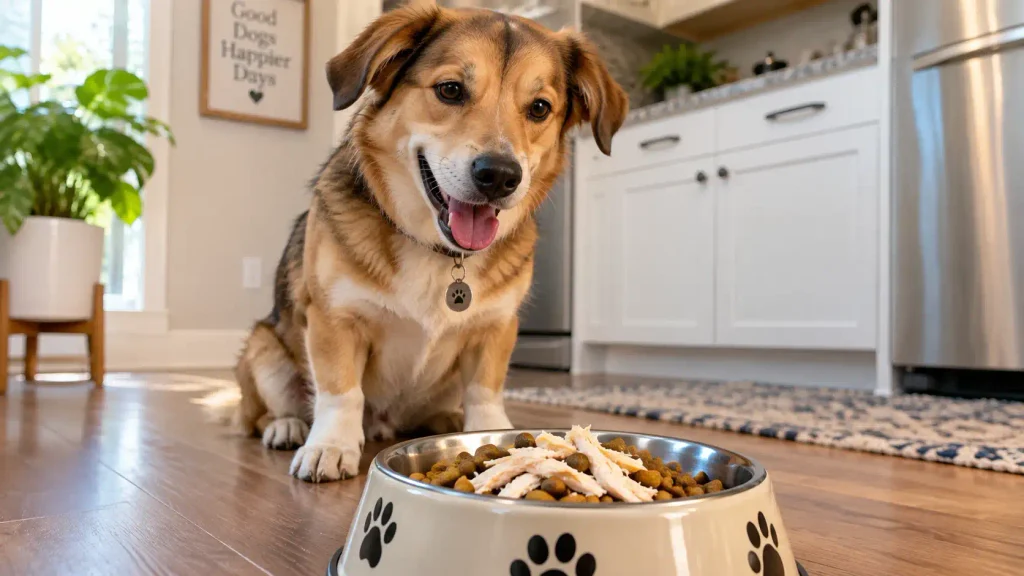
- Leaving plates unattended: Dogs are opportunistic eaters. Leaving a plate of seasoned barbecue chicken on the coffee table is an open invitation.
- Believing “just a little bit” is always fine: While a tiny bit of black pepper might not hurt, a little bit of onion powder certainly can. Do not treat all spices equally.
- Using human bone broth: Many pet owners try to soften dry kibble with store-bought human bone broth. These broths are almost always heavily seasoned with salt, pepper, and toxic onions. Always buy dog-specific broth.
- Ignoring the dog’s size: A large Labrador might easily process a dropped piece of peppered steak, but a tiny Chihuahua could experience severe gastrointestinal distress from the exact same amount.
- Feeding fatty meats: Often, the meat we heavily season (like sausage, bacon, or ribeye) is also very high in fat. High-fat foods can trigger pancreatitis in dogs, a painful and potentially fatal condition.
FAQs
Can a small amount of black pepper kill a dog?
No, a small amount of black pepper will not kill a dog. It is not highly toxic. The most likely outcome of a dog eating a small amount of black pepper is mild stomach irritation, a bit of gas, or an episode of sneezing.
What should I do if my dog ate a whole peppercorn?
If your dog swallowed a single whole peppercorn, they should pass it without major issues. Offer them plenty of water. Keep an eye on their stool for the next 24 hours to ensure they aren’t experiencing diarrhea, but a single peppercorn rarely requires a vet visit.
Can dogs eat salt and pepper?
Dogs should not eat food seasoned with salt and pepper. While pepper irritates the stomach, too much salt is actually dangerous. High sodium intake can lead to extreme dehydration and, in severe cases, sodium ion poisoning, which can cause tremors and seizures.
Are any kitchen spices actually good for dogs?
Yes! A few spices are safe and even beneficial in very small amounts. Turmeric contains curcumin, which has anti-inflammatory properties, and small pinches of ginger can sometimes help soothe an upset doggy stomach. However, always consult your vet before adding supplements to their diet.
Why do dogs sneeze when they smell pepper?
Dogs have up to 300 million olfactory receptors in their noses, compared to our 6 million. When they sniff a volatile, dusty spice like black pepper, the piperine aggressively irritates their highly sensitive nasal lining, triggering an immediate and violent sneeze reflex to expel the irritant.
Can dogs eat cooked meat with pepper on it?
It is not recommended. If the meat only has a very light dusting of black pepper, it probably won’t harm them. However, it is always safer to rinse the meat off or simply cook a separate, plain piece of meat specifically for your dog to avoid any digestive upset.
Conclusion
Navigating the world of pet nutrition can be stressful, especially when your dog acts like a furry vacuum cleaner around the dinner table. Ultimately, when asking can dogs eat food with black pepper, the best approach is caution.
While black pepper is not fatally toxic to your dog, it serves absolutely no nutritional purpose and is highly likely to cause them unnecessary digestive discomfort, sneezing, and diarrhea. More importantly, the hidden ingredients often paired with black pepper—like garlic and onion—pose a very real, life-threatening danger.
To practice safe and responsible pet ownership, keep seasoned human foods out of your dog’s reach. If you want to spoil your furry best friend, stick to plain, unboiled chicken, dog-safe vegetables like carrots, or high-quality commercial dog treats. Your dog will be just as happy, and their stomach will thank you for it!