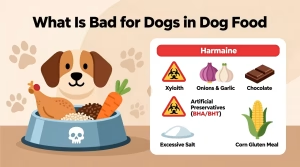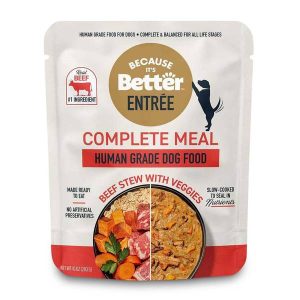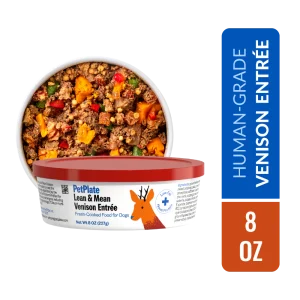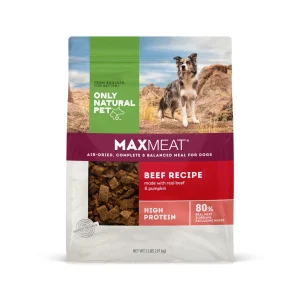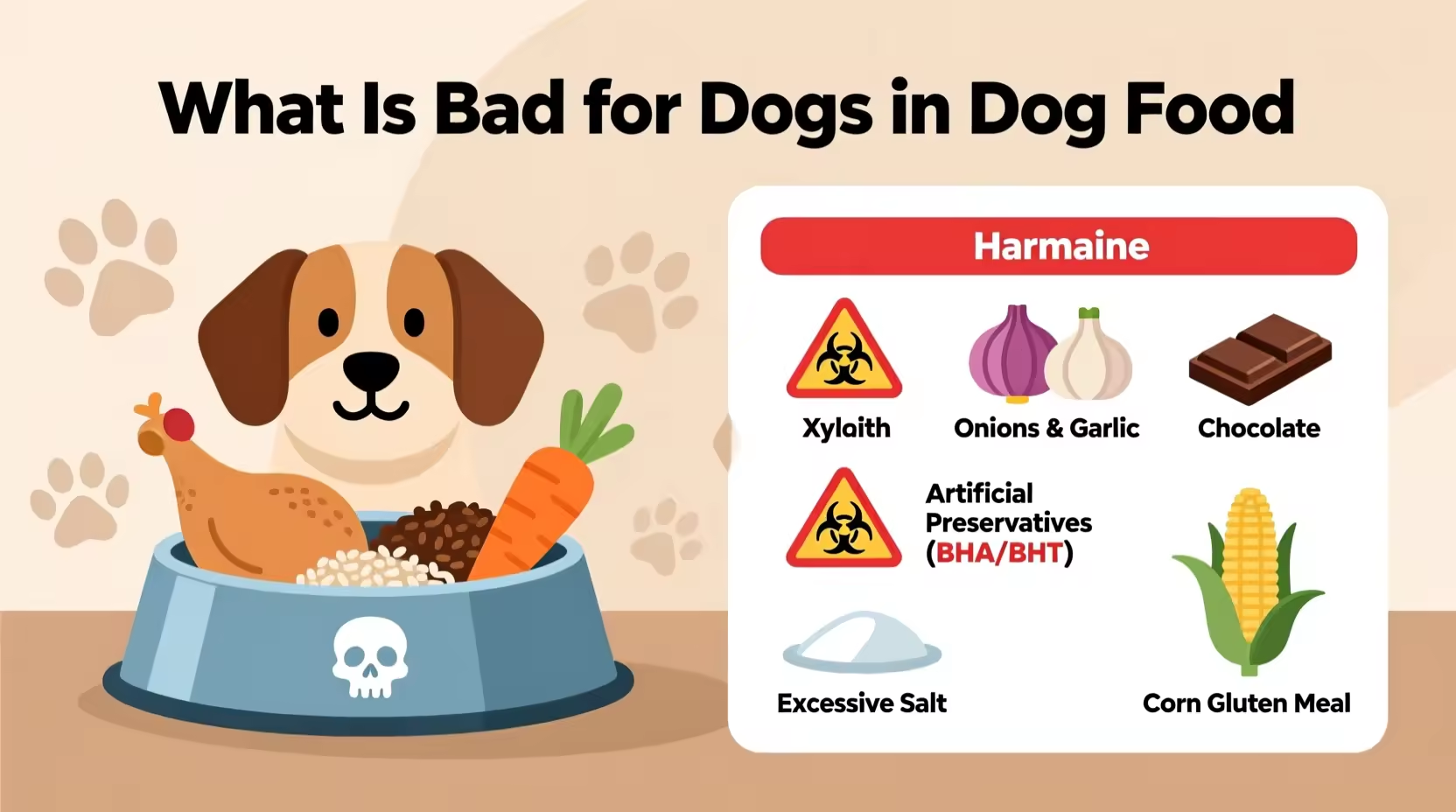
In the United States, some dog food ingredients can be toxic, while others are simply vague, unnecessary, or a poor fit for a specific dog. The most serious ingredients to avoid include xylitol, chocolate or caffeine, grapes and raisins, onions and garlic, alcohol, macadamia nuts, and raw yeast dough.
Other ingredients often called “bad,” such as corn, wheat, soy, animal by-products, meat meals, and approved preservatives, are not automatically unsafe. The right choice depends on the full formula, the dog’s health, and whether the food meets a complete and balanced nutrition standard.

Which Ingredients Are Actually Dangerous to Dogs?
Some food ingredients can cause poisoning or serious illness in dogs. They may appear in treats, human food, supplements, dental products, or mislabeled foods—not only in bags of dog food.
Xylitol
Xylitol is one of the most dangerous ingredients for dogs. It is a sugar alcohol used in some sugar-free foods, gum, candy, toothpaste, baked goods, and supplements.
In dogs, xylitol can cause a fast release of insulin. This may lead to dangerously low blood sugar. Larger amounts may also injure the liver.
Look for these names on a label:
- Xylitol
- Birch sugar
- Wood sugar
- E967
If your dog may have eaten xylitol, contact a veterinarian or animal poison service at once. Do not wait for symptoms.
Chocolate and caffeine
Chocolate contains theobromine and caffeine. Dogs break down these compounds more slowly than people do.
Risk depends on:
- The type of chocolate
- The amount eaten
- The dog’s body weight
- The dog’s age and health
Dark chocolate, baking chocolate, cocoa powder, and some high-cocoa products contain more theobromine than milk chocolate. Signs may include vomiting, restlessness, a fast heart rate, tremors, seizures, or collapse.
Coffee grounds, energy drinks, caffeine pills, and tea can also be dangerous.
Grapes and raisins
Grapes, raisins, sultanas, and foods that contain them can cause sudden kidney injury in some dogs. The exact toxic substance is still not fully understood.
There is no reliable safe dose. A small amount may be serious for one dog and not another. Do not use the absence of symptoms as proof that your dog is safe.
Onions, garlic, and related plants
Onions and garlic can damage red blood cells and cause anemia. This risk applies to raw, cooked, dried, and powdered forms.
Related foods include:
- Chives
- Leeks
- Shallots
- Onion powder
- Garlic powder
Powdered forms deserve special care because they are concentrated. They can appear in seasoning blends, broths, meat products, and some human snacks.
Alcohol
Alcohol can cause vomiting, poor coordination, low blood sugar, breathing problems, coma, and death in dogs.
Keep dogs away from:
- Beer, wine, and spirits
- Alcohol-based drinks
- Raw bread dough
- Some liquid medicines
- Fermenting foods
Raw yeast dough creates an added risk. The dough can expand in the stomach and produce alcohol as it ferments.
Macadamia nuts
Macadamia nuts can cause weakness, vomiting, tremors, fever, and difficulty walking. The cause of the toxicity is not fully known.
Avoid macadamia nuts and foods that contain them. Nuts can also create a choking or intestinal blockage risk.
Excess vitamin D
Vitamin D is needed in small amounts. Too much can raise blood calcium and damage the kidneys.
Excess vitamin D may come from:
- incorrectly formulated food
- Supplements
- Rodent poison
- Some human medicines
- Manufacturing errors
A complete dog food should provide nutrients in controlled amounts. More vitamins do not mean better nutrition.
Mycotoxins and mold
Moldy food can contain toxins called mycotoxins. Some can cause vomiting, tremors, seizures, liver injury, or other serious problems.
Never feed a dog:
- Moldy bread
- Spoiled leftovers
- Damp food with a musty smell
- Grain or treats with visible mold
- Food from a damaged or wet package
Do not remove the mold and serve the rest. Toxins may spread beyond the visible spot.
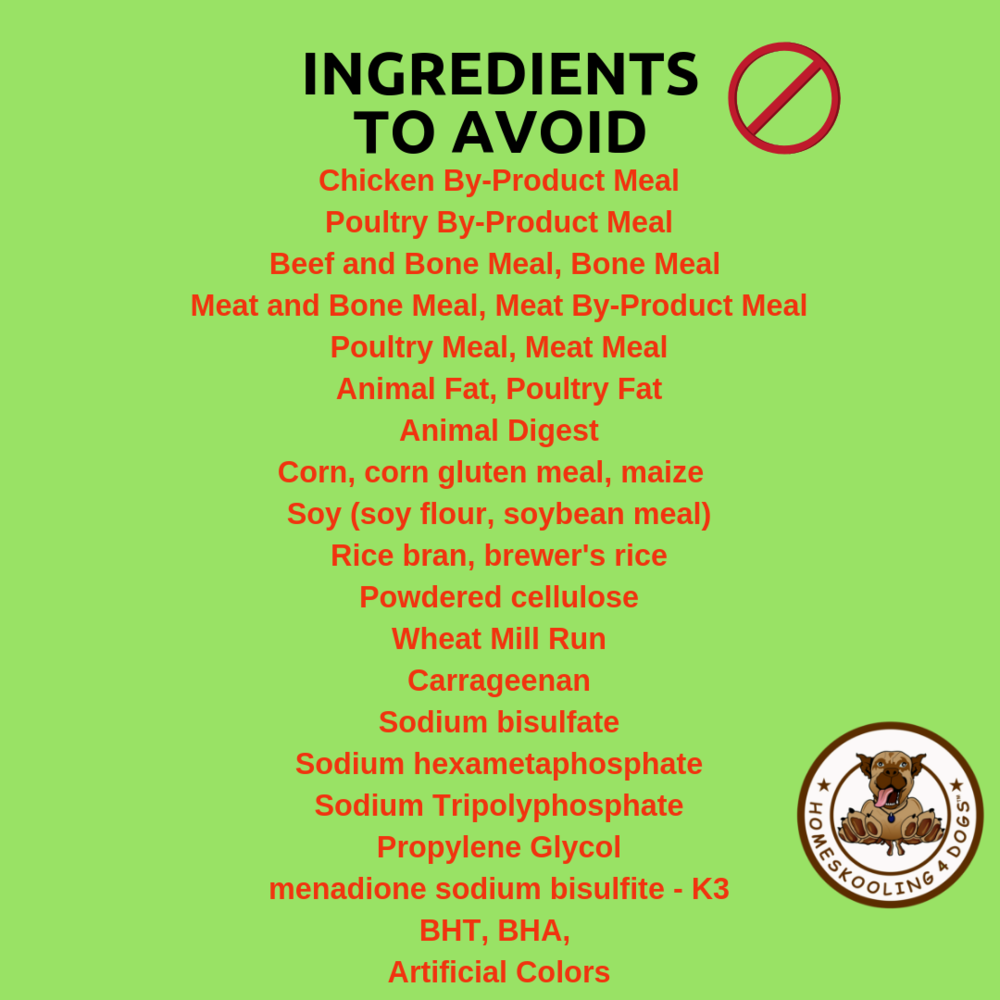
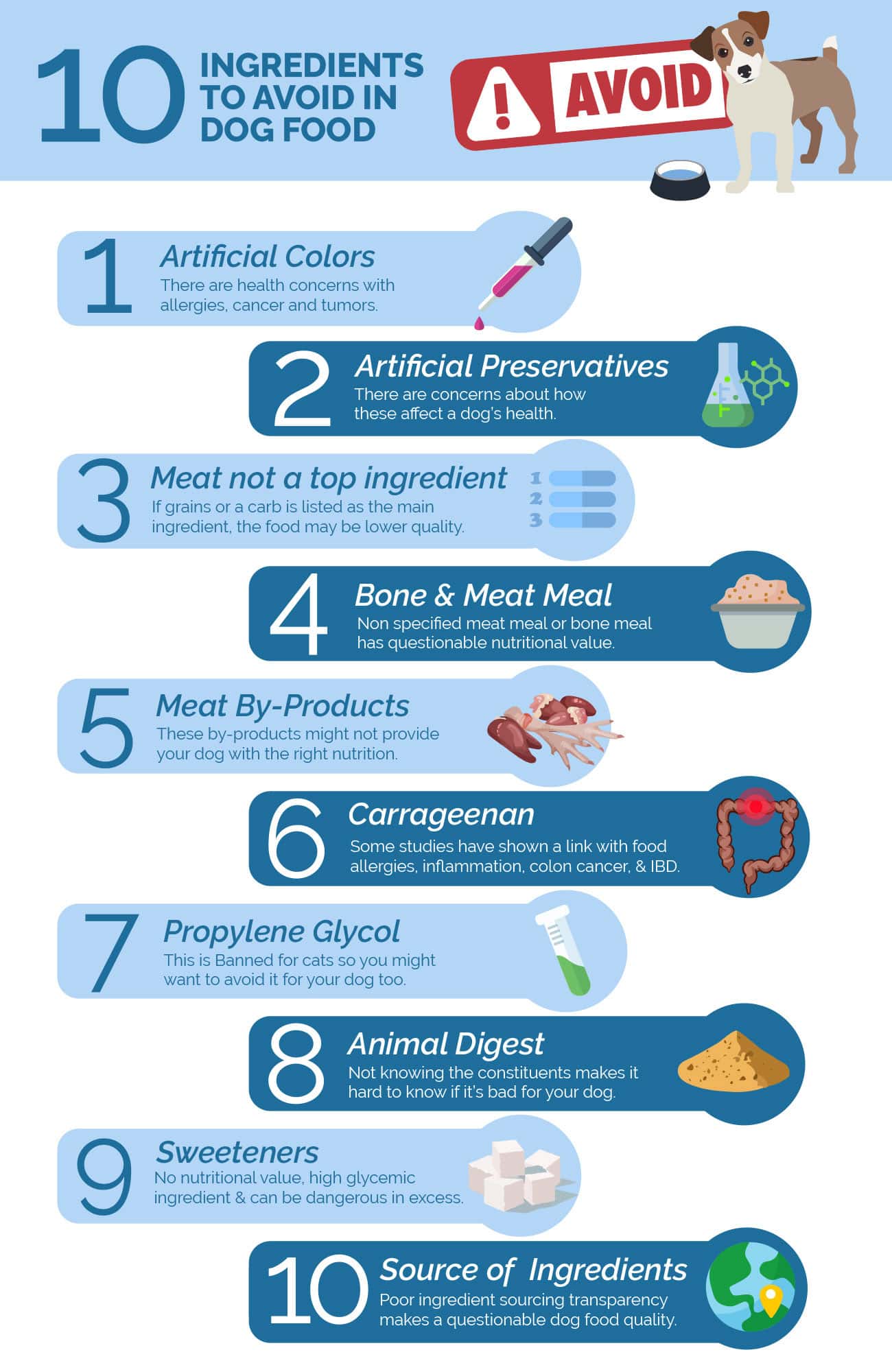
Ingredients That Are Not Automatically Bad
Many online lists treat common ingredients as dangerous without showing good evidence. A label needs context.
Corn, wheat, and soy
Corn, wheat, and soy are not toxic to most dogs. They can provide energy, protein, fiber, vitamins, and minerals.
Some dogs may have an allergy or intolerance to a particular ingredient. However, food allergies are less common than many owners think. Dogs more often react to animal proteins such as beef, dairy, chicken, or lamb than to grains.
A dog with chronic itching, ear infections, vomiting, or diarrhea may need a proper diet trial. A veterinarian can help identify the cause.
Animal by-products
“By-products” are parts of an animal other than the main muscle cuts. They may include organs such as liver, kidney, or heart.
These parts are not automatically low quality. In fact, many organs provide useful nutrients. The word “by-product” describes a category. It does not prove that the ingredient is unsafe or poorly made.
Meat meal
A named meal, such as chicken meal or lamb meal, is a concentrated source of animal protein. Much of the water has been removed before cooking.
For example, fresh meat contains a lot of water. A dry meal may contribute more protein by weight after processing. Meat meal is not the same as spoiled meat.
The label matters:
- Chicken meal names the animal source.
- Meat meal does not name the source.
- Animal digest may provide flavor but gives less detail.
A named ingredient is easier to evaluate, but one vague term alone does not prove that a food is unsafe.
Artificial preservatives
Some approved preservatives are allowed in pet food when used under legal limits. Examples include certain forms of tocopherols, citric acid, and other permitted compounds.
Preservatives help prevent rancid fats and mold. This can improve safety and shelf life.
The useful question is not “Does this food contain a preservative?” Ask instead:
- Is the preservative permitted for use in pet food?
- Is the food from a company with good quality controls?
- Is the package fresh and intact?
- Does the product have a clear nutritional adequacy statement?
Natural does not always mean safer. Natural ingredients can spoil, grow mold, or cause allergies.
Propylene glycol
Propylene glycol is used as a humectant in some animal foods. It is not the same as ethylene glycol, the poisonous ingredient in automotive antifreeze.
Propylene glycol is not safe for cats in the same way, which is one reason dog and cat food formulas must not be treated as interchangeable. A dog food ingredient that is allowed for dogs may not be suitable for cats.
Carrageenan and gums
Gums and thickeners help control texture in canned food. Carrageenan, guar gum, and similar ingredients are not automatically toxic at permitted levels.
Some dogs may have digestive upset from a specific formula. If a food causes loose stools, gas, or vomiting, the whole formula should be reviewed rather than blaming one ingredient without evidence.
How to Read a Dog Food Label
The safest approach is to judge the whole product, not one scary-sounding ingredient.
1. Find the nutritional adequacy statement
Look for a statement saying the food is:
- Complete and balanced for adult maintenance
- Complete and balanced for growth
- Complete and balanced for all life stages
- Intended for a specific condition under veterinary direction
This statement is usually near the guaranteed analysis or feeding directions.
A food labeled for intermittent or supplemental feeding only is not meant to be the sole diet unless a veterinarian gives different instructions.
AAFCO develops nutrient profiles and model rules used by many U.S. states. However, AAFCO does not approve every individual bag of food. The company remains responsible for making a safe, properly labeled product.
2. Match the life stage
Puppies, adult dogs, pregnant dogs, and senior dogs may have different nutrient needs.
Puppies of large breeds need special attention to calcium, phosphorus, calories, and growth rate. An adult maintenance food may not meet the needs of a growing puppy.
Check the label for the intended life stage. When in doubt, ask your veterinarian.
3. Review the calorie information
Two foods can look similar but provide different calories per cup or can.
Use the calorie statement to manage portions. Feeding directions are a starting point, not a fixed rule.
A dog may need less or more food based on:
- Weight
- Age
- Activity
- Breed size
- Neuter status
- Health
- Treat intake
4. Read the ingredient list from start to finish
Ingredients appear by weight before cooking. The first few ingredients can offer useful clues, but they do not tell the entire story.
Look for:
- Named animal proteins
- Suitable fat sources
- Digestible carbohydrates, if included
- Added vitamins and minerals
- A formula that fits the dog’s life stage
Do not judge a food by the first ingredient alone. A food that starts with fresh meat may also contain much more water than a food that starts with a meat meal.
5. Check the manufacturer details
A reliable label should provide:
- A company name
- A U.S. contact address or phone number
- Lot or batch information
- Best-by information
- Clear feeding directions
- Storage instructions
Be cautious when a product gives little information about who makes it or how to contact the company.
6. Check recalls before feeding a new product
Recalls can occur because of contamination, excess or deficient nutrients, foreign objects, labeling errors, or other problems.
The U.S. Food and Drug Administration pet food page provides safety information and recall notices. You can also check the manufacturer’s recall page and keep the product lot number.
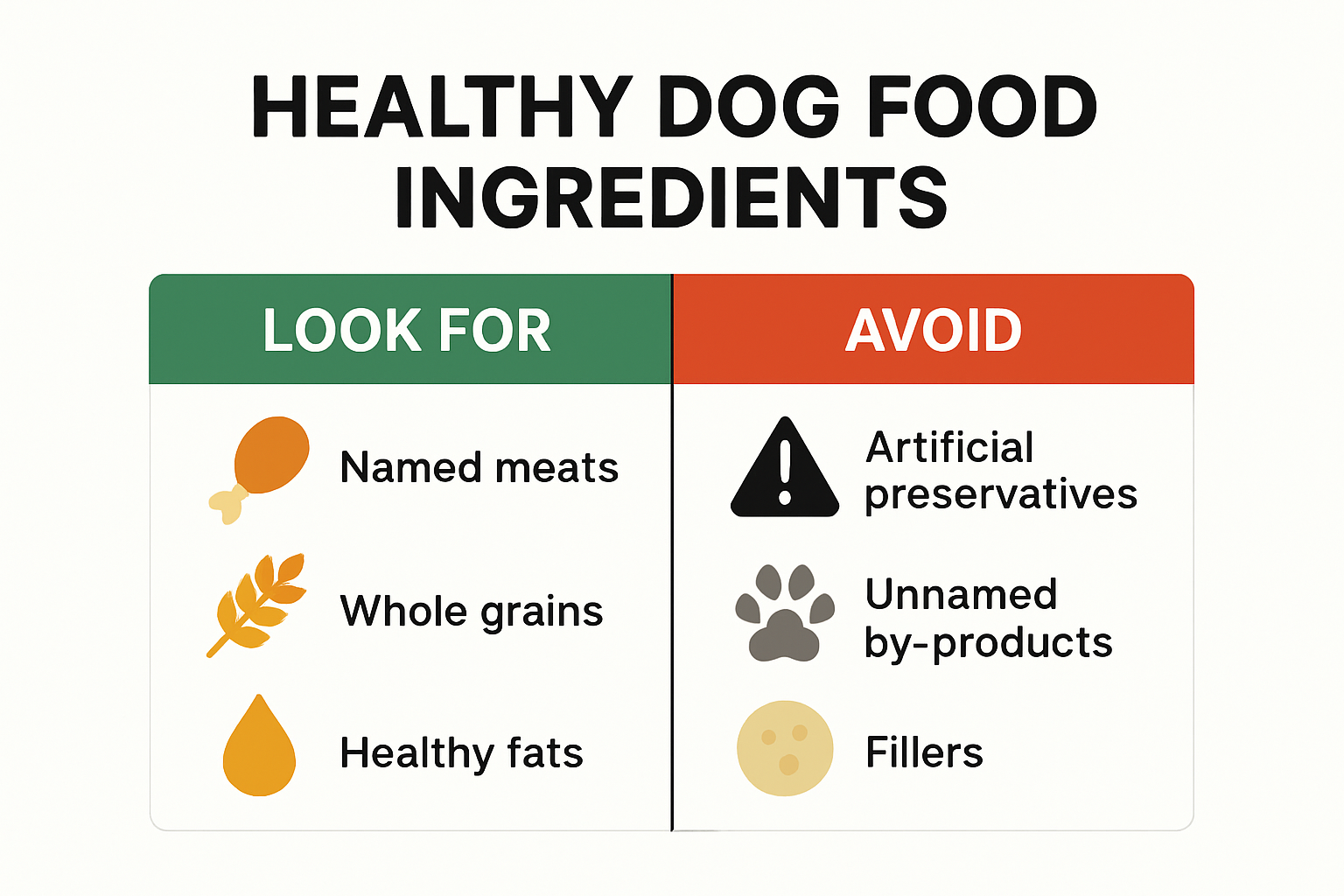
A Simple Dog Food Red-Flag Checklist
A single ingredient does not decide whether a food is good or bad. Use this checklist to spot products that need closer review.
| Label or product issue | Why it matters | What to do |
|---|---|---|
| No complete and balanced statement | The food may not meet all daily nutrient needs | Use only as directed, or choose a complete diet |
| “Intermittent” or “supplemental” feeding only | It may lack key nutrients | Do not use as the main diet without veterinary advice |
| Unclear manufacturer information | You may not be able to ask about testing or report a problem | Choose a product with clear contact details |
| Damaged, swollen, leaking, or wet package | The food may be spoiled or contaminated | Do not feed it |
| Strong rancid smell, mold, or unusual color | The food may have spoiled | Save the package and contact the company |
| Added human-food ingredients | Some may be toxic to dogs | Check for xylitol, onion, garlic, raisins, and other hazards |
| A product marketed with fear-based claims | Marketing may replace useful nutrition details | Read the adequacy statement and full label |
| Food that causes repeated symptoms | The dog may react to the formula or have another illness | Stop guessing and contact a veterinarian |
Warning signs in marketing
Be careful with claims such as:
- “Chemical-free”
- “No fillers”
- “Human-grade” without clear details
- “Detox”
- “Cures allergies”
- “Prevents all disease”
- “Vet approved” without naming the basis
“Fillers” is not a precise nutrition term. Ingredients such as rice, oats, corn, and beet pulp may have useful roles. A food can be poor even if it avoids every ingredient on a popular internet blacklist.
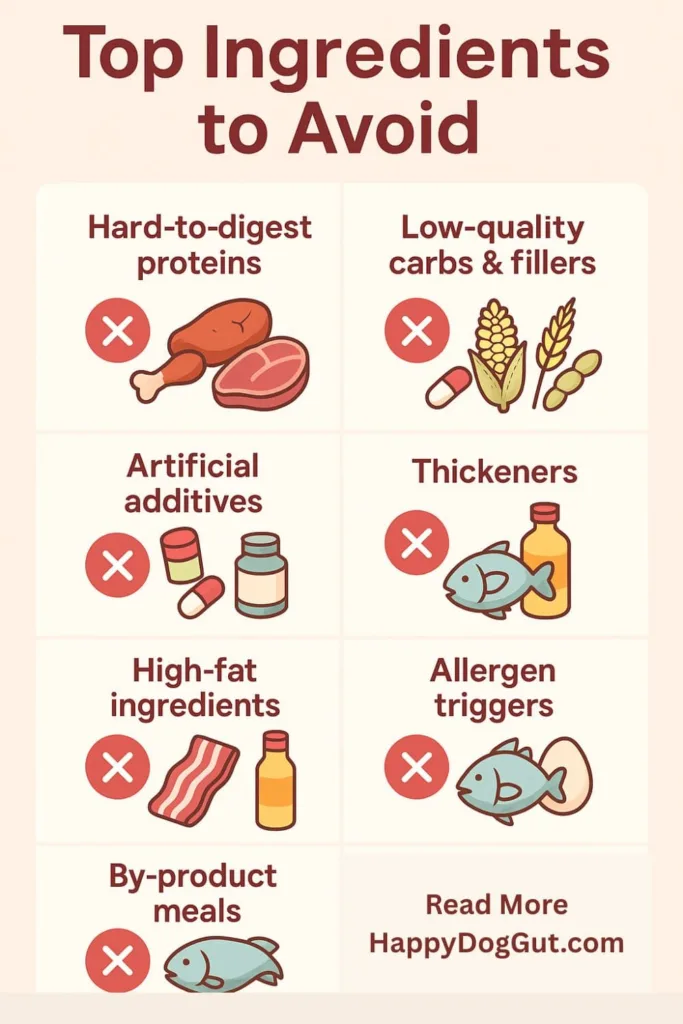
Grain-Free Dog Food and Heart Disease
Grain-free food is not automatically healthier, and grains are not automatically harmful.
The FDA has investigated reports of non-hereditary dilated cardiomyopathy, or DCM, in dogs eating certain diets. Many reported diets had high amounts of peas, lentils, other pulses, or potatoes. Some were grain-free, but the issue was not proven to be caused by the absence of grains alone.
The evidence is complex. Do not change a dog’s diet based only on a marketing claim or social media post.
Speak with your veterinarian before choosing a grain-free diet, especially if your dog has:
- A heart murmur
- Weakness
- Coughing
- Fainting
- Trouble breathing
- A family history of heart disease
The FDA’s diet-associated DCM information explains what the agency has reported and what remains uncertain.
Ingredients to Avoid for Specific Dogs
An ingredient may be safe for most dogs but unsuitable for one dog.
Dogs with food allergies
Food allergies require more than switching between random “limited ingredient” products. A veterinarian may recommend an elimination diet with:
- A novel protein
- A hydrolyzed protein
- Strict control of treats and flavored medicines
- A planned reintroduction period
Over-the-counter limited-ingredient foods may contain trace amounts of other proteins from shared equipment. That can make diagnosis harder.
Dogs with kidney disease
Dogs with kidney disease may need controlled levels of phosphorus, protein, sodium, and calories. Do not select a diet by ingredient list alone.
A therapeutic diet may be appropriate, but it should be chosen with veterinary guidance.
Dogs with pancreatitis
Some dogs with pancreatitis need a lower-fat diet. Fat content can vary widely between products, and the guaranteed analysis may not make direct comparisons easy.
Ask a veterinarian for the right fat target and transition plan.
Puppies and pregnant dogs
Growing dogs need the correct balance of minerals and energy. Homemade diets and supplements can cause serious nutrient errors if they are not formulated by a veterinary nutrition professional.
Dogs with obesity
High-calorie treats can undermine a good main diet. Count treats, chews, table scraps, and food used for training.
A lower-calorie food may help, but portion size and daily activity matter just as much.
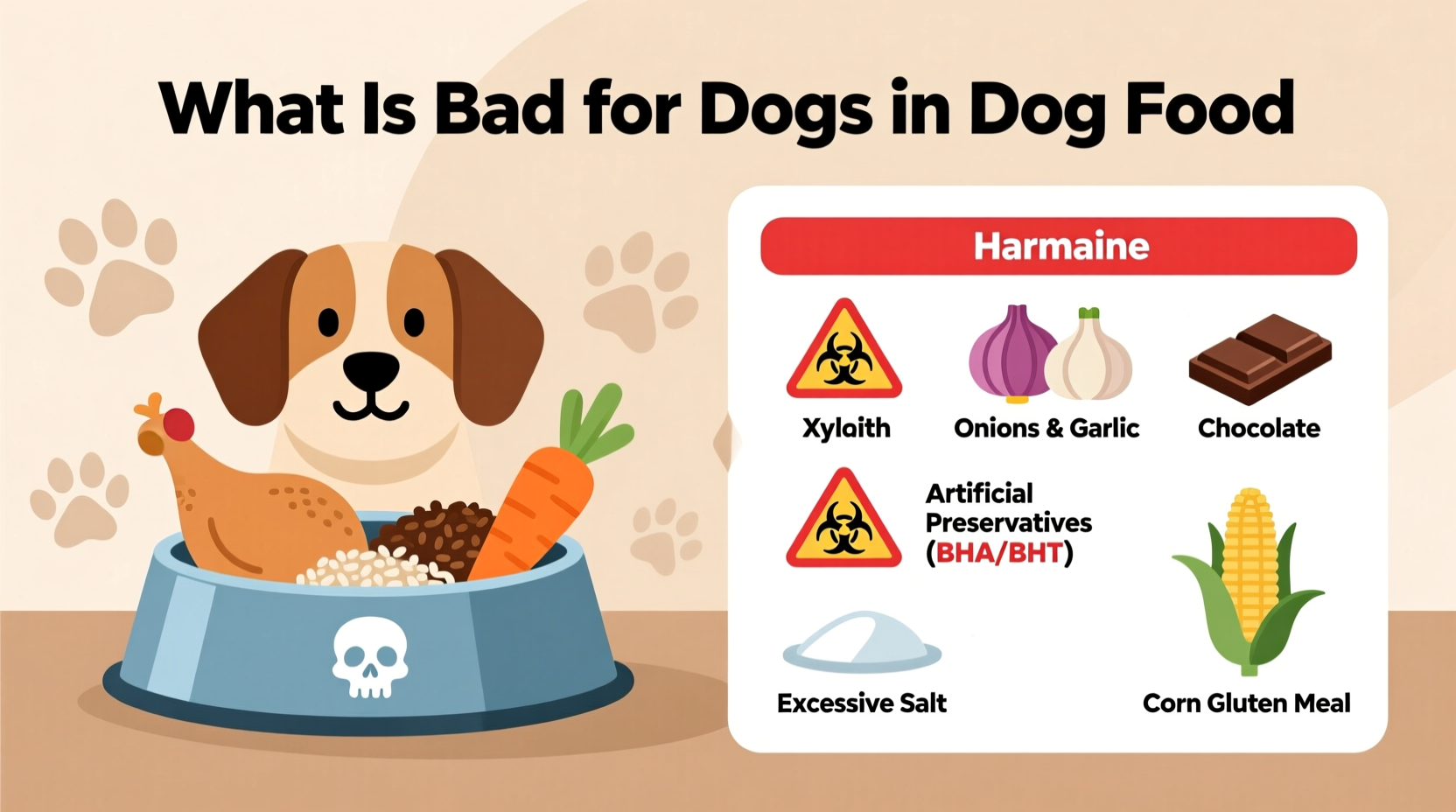
Common Mistakes When Choosing Dog Food
Mistake 1: Judging by the ingredient list alone
The ingredient list cannot show digestibility, nutrient balance, calorie density, manufacturing controls, or feeding-trial results by itself.
Use it with the adequacy statement, calorie information, company details, and your dog’s response.
Mistake 2: Assuming “natural” means safe
Natural foods can include raisins, garlic, onion, mold, excess minerals, or harmful bacteria. Safety depends on the ingredient, dose, processing, storage, and the dog.
Mistake 3: Switching food too fast
A sudden diet change can cause loose stool or vomiting. Unless your veterinarian tells you to change food at once, transition over about seven days:
- Feed mostly the old food at first.
- Add a small amount of the new food.
- Increase the new food gradually.
- Return to the prior step if symptoms appear.
Dogs with severe vomiting, bloody diarrhea, weakness, or dehydration need veterinary care.
Mistake 4: Adding supplements without a reason
Calcium, vitamin D, fish oil, herbs, and other supplements can interact with medicine or create nutrient excesses.
A complete and balanced commercial diet usually does not need extra vitamins unless a veterinarian recommends them.
Mistake 5: Feeding a food after a recall
If a product is recalled, stop feeding the affected lot. Keep the package and receipt if possible. Follow the recall instructions and monitor the dog for symptoms.
What Should You Do If Your Dog Ate a Risky Ingredient?
Act based on the ingredient and amount, not only on symptoms.
- Remove the remaining food or product.
- Save the package, ingredient list, lot number, and receipt.
- Estimate how much your dog ate and when.
- Call your veterinarian, an emergency veterinary clinic, or a U.S. animal poison service.
- Do not induce vomiting unless a veterinary professional tells you to.
Seek urgent care for trouble breathing, collapse, seizures, repeated vomiting, severe weakness, tremors, a swollen abdomen, or suspected xylitol, chocolate, grape, raisin, or medication exposure.
For U.S. pet owners, the ASPCA Animal Poison Control Center and Pet Poison Helpline provide poison guidance. Fees may apply.
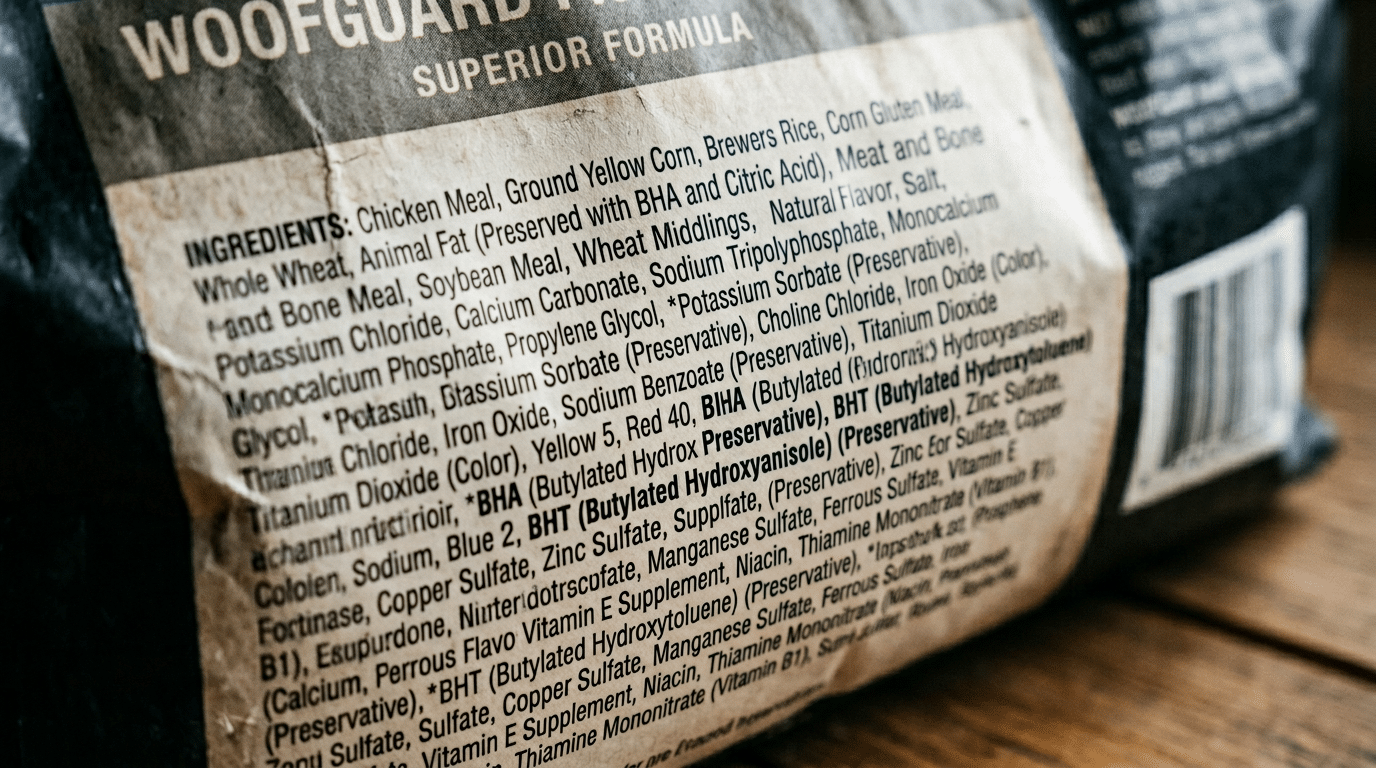
Quick Buying Guide: How to Choose a Safer Dog Food
Before buying a new food, ask these questions:
- Does it have a complete and balanced statement for my dog’s life stage?
- Is the product made for dogs, not cats or another species?
- Can I identify the manufacturer?
- Is the package sealed and undamaged?
- Does the company provide lot information and a way to ask questions?
- Does the food fit my dog’s health needs?
- Does my dog maintain a healthy weight and firm stool on it?
- Can I check recalls if there is a problem?
If your dog has a medical condition, ask the veterinarian before changing diets. For a healthy dog, choose a complete food from a transparent manufacturer, feed the correct portion, and avoid known toxic foods.
FAQs About Bad Ingredients in Dog Food
Is corn a bad ingredient in dog food?
No. Corn is not toxic to dogs and can provide energy, fiber, and nutrients. The concern is whether the full food is complete, balanced, digestible, and suitable for your dog.
Are meat by-products unsafe?
No. Animal by-products may include nutrient-rich organs. “By-product” does not mean waste or spoiled meat. Judge the full formula and the company’s quality controls.
Should dogs avoid preservatives?
Not all preservatives are harmful. Approved preservatives help prevent rancid fats and mold. The food’s safety record, storage, freshness, and nutritional adequacy also matter.
Is grain-free food better for dogs?
Not by default. Grain-free food may be useful for a specific dog, but most dogs do not need to avoid grains. Ask a veterinarian before choosing grain-free food for a long-term diet.
What is the worst ingredient for dogs?
Xylitol is among the most urgent hazards because it can cause rapid low blood sugar and possible liver injury. Chocolate, grapes, raisins, onions, garlic, alcohol, macadamia nuts, and raw yeast dough can also cause serious illness.
Can a dog food ingredient cause itching?
Yes, but food allergy is only one possible cause. Fleas, environmental allergies, infections, and other health problems can also cause itching. A veterinarian can guide a proper diet trial.
Final Takeaway
The worst dog food ingredients are not simply the ones with long or unfamiliar names. The clearest hazards are xylitol, chocolate, caffeine, grapes, raisins, onions, garlic, alcohol, macadamia nuts, raw yeast dough, mold, and excessive vitamin D.
Corn, grains, meat meals, by-products, and approved preservatives are not automatically bad. To choose wisely, check the complete-and-balanced statement, match the food to your dog’s life stage and health, review the manufacturer information, monitor recalls, and seek veterinary advice when symptoms or medical conditions are involved.