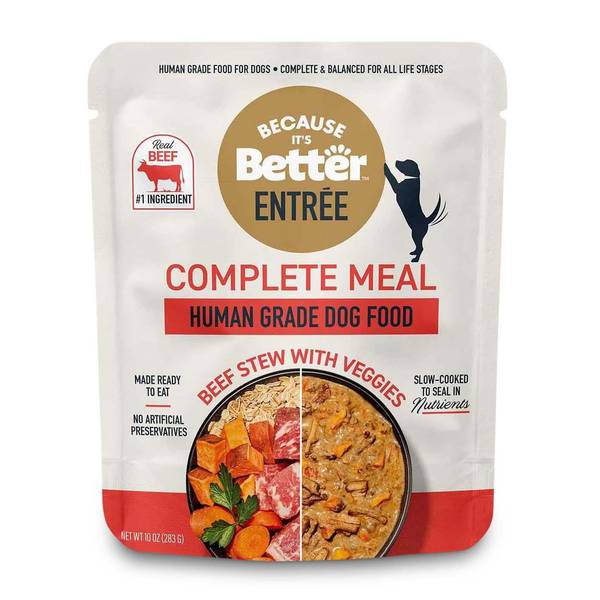
Beef meal is a concentrated ingredient made from beef tissue that has been cooked and ground to remove much of its water and fat. On dog food labels sold in the United States, “beef meal” is a named animal-source ingredient. It is not the same as fresh beef, beef by-product meal, or a vague ingredient such as “meat meal.”
Beef meal can provide protein, amino acids, minerals, and energy. It can also make dry dog food more nutrient-dense because most of the water has already been removed. Still, the ingredient name alone does not tell you whether a food is complete, balanced, or right for your dog.

What Does Beef Meal Mean on a Dog Food Label?
Beef meal means beef tissue that has been rendered. Rendering uses heat to cook the material and separate water and some fat. The remaining solids are dried and ground into a protein-rich meal.
The Association of American Feed Control Officials (AAFCO) defines “beef meal” as the clean parts of slaughtered cattle, excluding blood, hair, hoof, horn, hide trimmings, manure, stomach contents, and other material not normally found in meat. The exact legal wording can vary by state, but U.S. pet food rules commonly use AAFCO ingredient definitions.
The word beef matters. It identifies the animal source. This is different from a general term such as “animal meal” or “meat meal,” which may not name the species on the front of the ingredient list.
Beef meal is not beef by-product meal
These ingredients are not interchangeable:
| Label term | Basic meaning | What it tells you |
|---|---|---|
| Beef | Clean beef tissue with its natural water content | A less processed, water-rich ingredient |
| Beef meal | Rendered, dried beef tissue | A concentrated beef ingredient |
| Beef by-product meal | Rendered parts other than beef muscle, such as organs | A named but broader animal ingredient |
| Meat meal | Rendered mammal tissue without a named species | The animal source is less specific |
| Meat and bone meal | Rendered mammal tissue with bone | Contains minerals from bone, including calcium and phosphorus |
Beef meal does not mean “leftover scraps” in the casual sense. It is a regulated ingredient category when used under the AAFCO definition. However, the label does not provide a full recipe or show the exact ratio of muscle tissue, connective tissue, and other permitted parts.

How Is Beef Meal Made?
Beef meal is made by cooking beef material, removing much of its water and fat, drying the solids, and grinding them into a meal.
A typical rendering process follows these broad steps:
- Raw material is collected. The material must come from permitted animal tissues.
- The material is cooked. Heat helps destroy many microbes and separates solids from water and fat.
- Water and fat are removed. This leaves a more concentrated solid fraction.
- The solids are dried. Lower moisture improves storage stability.
- The dried material is ground. The result is a consistent meal that can be mixed into kibble or other foods.
This process changes the ingredient’s weight and appearance. Fresh beef contains a large amount of water. Beef meal contains far less water, so a smaller amount can supply a meaningful share of the food’s protein.
Rendering is not the same as spoilage. A properly made meal is an intentional ingredient used in animal diets. Problems can occur if raw materials are contaminated, if processing is poorly controlled, or if the finished food is stored badly. That is why manufacturing controls, testing, and proper storage matter.
Why dry-food labels can be misleading
Ingredients appear in descending order by weight before cooking. Fresh beef may appear high on the list because its water adds weight. After cooking, much of that water leaves the food.
Beef meal starts with less water. It may therefore contribute more dry matter than its position on the ingredient list suggests.
Hypothetical example
Imagine two dry foods:
- Food A lists fresh beef first.
- Food B lists beef meal lower on the list.
You cannot conclude that Food A contains more beef protein. Food A may lose a large amount of water during processing. Food B’s meal is already concentrated.
This does not make beef meal automatically better. It means the ingredient list must be read with the guaranteed analysis, the complete formula, and the food’s nutritional adequacy statement.

Is Beef Meal Good for Dogs?
Beef meal can be a useful protein source for dogs when it is part of a complete and balanced diet.
Dogs need amino acids to build and repair tissue, support enzymes, maintain muscles, and perform other body functions. Beef meal can supply many of these amino acids. It may also contribute minerals and energy, depending on the rest of the formula.
The practical question is not simply, “Does this food contain beef meal?” Ask instead:
- Is the food labeled complete and balanced for your dog’s life stage?
- Does the guaranteed analysis fit your dog’s needs?
- Does your dog digest it well?
- Does your dog maintain a healthy body condition?
- Does the formula fit any veterinary diet restrictions?
Under U.S. pet food labeling rules, a complete-and-balanced claim should be supported by an AAFCO nutrient profile or by successful feeding trials using AAFCO procedures. Check the nutritional adequacy statement on the package. It may say the food is for growth, maintenance, all life stages, or a specific use.
Potential benefits
Beef meal may offer these practical advantages:
- Concentrated protein: Less water means more protein-containing solids by weight.
- Named animal source: “Beef” gives more detail than “meat” or “animal.”
- Useful texture for kibble: Meal mixes well into dry formulas.
- Consistent processing: A dried ingredient can be easier to handle than raw meat.
- Amino acid contribution: Beef proteins can support normal body functions.
These benefits depend on the whole diet. A named ingredient cannot compensate for poor nutrient balance, excess calories, weak quality control, or a formula that does not suit the individual dog.
What beef meal does not prove
Beef meal does not prove that:
- The food contains a high percentage of beef muscle.
- The food is suitable for a dog with a beef allergy.
- The food is higher quality than every food without beef meal.
- The food has no plant ingredients.
- The food is safe for every dog.
- The food has passed an AAFCO feeding trial.
Ingredient lists can help you understand a formula, but they cannot answer every nutrition question by themselves.
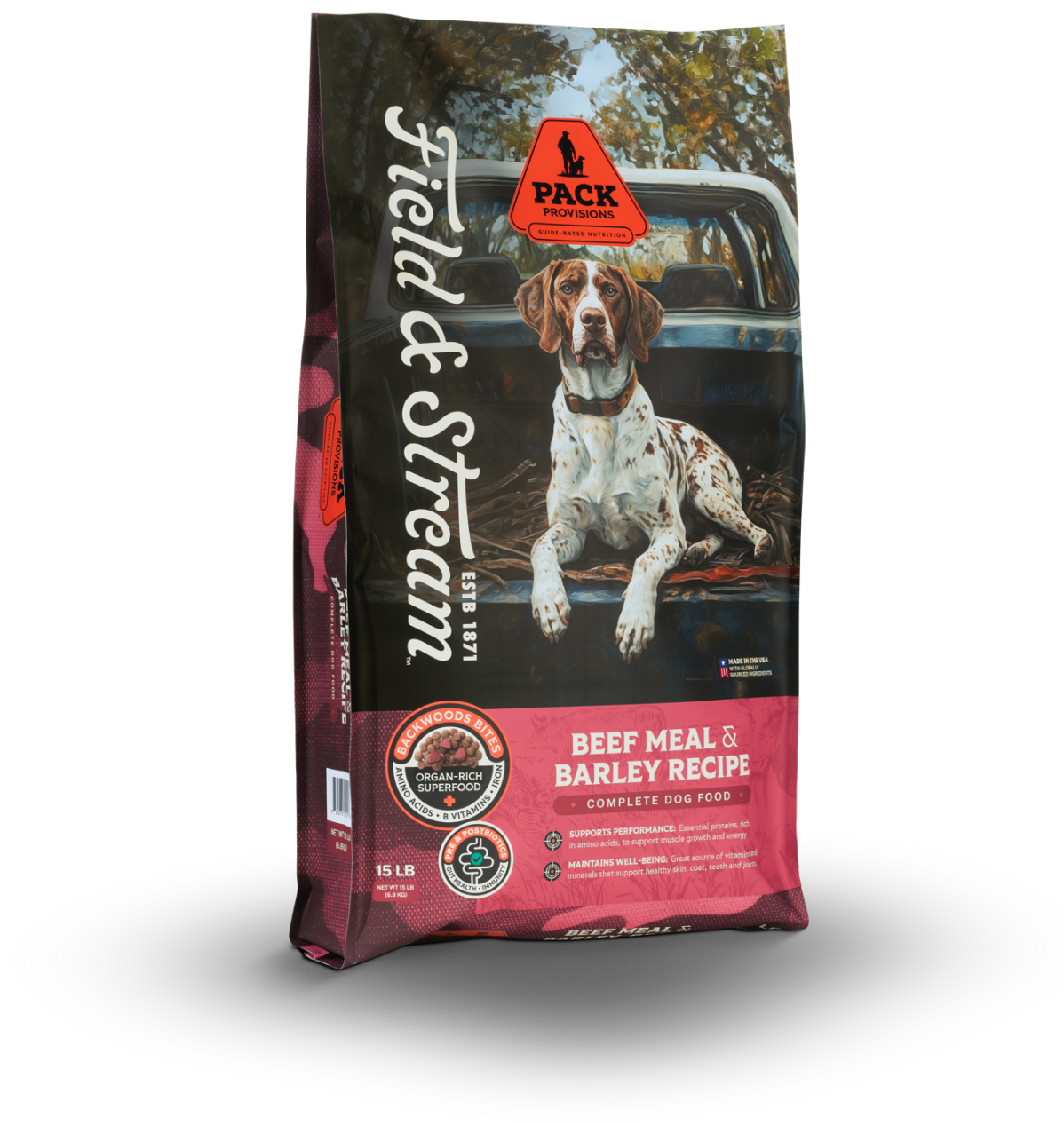
Beef Meal vs. Fresh Beef: Which Is Better?
Neither ingredient is automatically better. Fresh beef provides a recognizable animal ingredient but also contains much more water. Beef meal provides a concentrated source of cooked, dried beef solids.
The better choice depends on the complete recipe and your dog’s response. A food with fresh beef may also contain another concentrated protein source. A food with beef meal may use a carefully balanced blend of animal and plant ingredients.
| Feature | Fresh beef | Beef meal |
|---|---|---|
| Water content | High | Low |
| Protein concentration by weight | Lower before cooking | Higher |
| Processing | Cooked as part of the food | Rendered, dried, then added |
| Label interpretation | Weight includes water | Weight reflects a more concentrated ingredient |
| Species detail | Usually named | Usually named |
| Automatic quality signal? | No | No |
A useful way to compare foods is to look beyond the first ingredient. Review the full ingredient list, guaranteed analysis, calorie content, and adequacy statement. If two foods are both complete and balanced, your dog’s stool quality, appetite, body condition, and overall health can help guide the choice.
Do not compare crude protein percentages without considering moisture. For a fairer comparison, use dry-matter calculations:
Dry-matter protein percentage = crude protein ÷ (100 − moisture) × 100
Hypothetical calculation
If a food has:
- 24% crude protein
- 10% moisture
Then:
24 ÷ (100 − 10) × 100 = 26.7% protein on a dry-matter basis
This calculation helps compare foods with different moisture levels. It does not show protein quality, digestibility, amino acid balance, or whether the food is appropriate for a particular dog.

Is Beef Meal Safe for Dogs?
Beef meal is generally considered a normal dog food ingredient when it is produced under appropriate controls and used in a complete, balanced formula.
Safety depends on more than the ingredient name. The manufacturer’s sourcing, processing, storage, testing, and recall controls all matter. U.S. regulations also require pet food to be safe, properly labeled, and not adulterated.
Watch your dog when changing foods. A sudden switch can cause loose stool or vomiting even when the new food is wholesome. Change diets gradually over about seven days unless your veterinarian gives different instructions.
Contact a veterinarian promptly if your dog has:
- Repeated vomiting
- Bloody diarrhea
- Severe lethargy
- Facial swelling or trouble breathing
- Signs of dehydration
- A refusal to eat that continues
- A known medical condition affected by diet
Beef allergies and food reactions
Beef is one of the animal proteins that can trigger a food reaction in some dogs. A reaction may involve itching, ear problems, paw licking, vomiting, or diarrhea. These signs can have many causes, so they do not prove a beef allergy.
A proper elimination diet is the reliable way to investigate a suspected food allergy. It should be planned with a veterinarian. The dog usually eats a carefully selected diet for a set period, followed by a controlled challenge if symptoms improve.
Do not rely only on “beef meal” wording. If a dog must avoid beef, check the full ingredient list and ask the manufacturer about cross-contact controls. A food labeled “beef-free” should still be evaluated carefully if the reason for avoidance is medical.
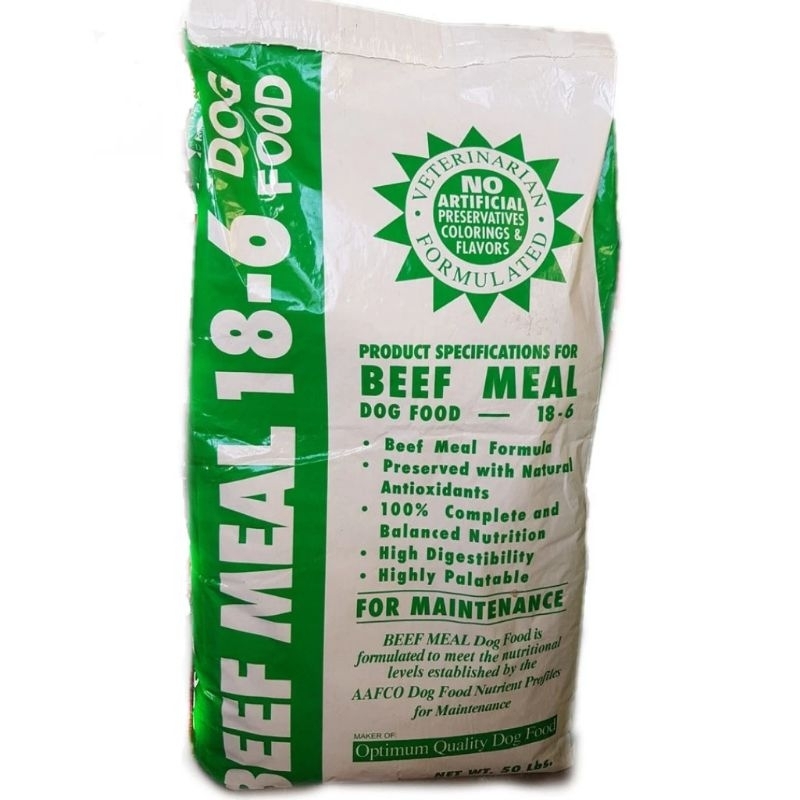
How to Read a Dog Food That Contains Beef Meal
Use this quick review process:
1. Find the nutritional adequacy statement
Look for wording that says the food is complete and balanced for a stated life stage. Puppies, adult dogs, senior dogs, pregnant dogs, and dogs with medical needs may have different requirements.
2. Check the full ingredient list
Beef meal may be only one protein source. Other ingredients may include chicken fat, egg, fish meal, dairy ingredients, or other animal proteins. This matters if you are trying to avoid a specific ingredient.
3. Review protein, fat, fiber, moisture, and calories
The guaranteed analysis gives useful basic information. Calorie content is especially important for dogs that gain weight easily. A food with a moderate protein level can still be appropriate if it meets the dog’s needs and is fed in the right amount.
4. Check whether the food matches the dog
Consider your dog’s:
- Age and growth stage
- Size and activity level
- Body condition
- Digestive history
- Allergies or suspected reactions
- Medical conditions
- Veterinary diet instructions
5. Store the food correctly
Keep dry food in a cool, dry place. Use the original bag when possible, since it carries the lot number and date information. Seal the bag well, and wash food containers between bags rather than continually topping them off.
6. Watch results, not marketing claims
Good signs include steady weight, normal energy, firm stools, a healthy coat, and a good appetite. These signs do not replace veterinary care, but they help you judge whether the food is working for your dog.
Common Mistakes About Beef Meal
Several common claims about beef meal are too simple.
“Beef meal is just filler”
This is not accurate. Beef meal can be a concentrated source of animal protein and other nutrients. Whether it is useful depends on the formula and the dog.
“Fresh beef is always better”
Fresh beef contains more water. It may be a good ingredient, but its place on the label does not reveal how much protein remains after cooking.
“Meal always means low quality”
The word “meal” describes a processed ingredient. It does not, by itself, grade the ingredient as good or bad. Beef meal, chicken meal, and fish meal can all supply concentrated nutrients.
“Beef meal means only muscle meat”
The label term does not guarantee that the ingredient is made only of skeletal muscle. It refers to permitted beef tissue under the relevant ingredient definition.
“A beef recipe is safe for a beef-allergic dog”
It is not. Beef meal still comes from beef. A dog with a confirmed beef reaction should avoid it unless a veterinarian directs otherwise.
“The first ingredient tells the whole story”
It does not. Ingredients are listed by weight, and water can affect the order. The adequacy statement, full recipe, calorie level, and the dog’s response all matter.
Key Takeaways
- Beef meal is rendered, dried, and ground beef tissue.
- It contains less water and is more concentrated than fresh beef.
- Beef meal is different from beef by-product meal, meat meal, and meat-and-bone meal.
- It can provide useful protein and amino acids in dog food.
- Its presence does not prove that a food is complete, balanced, or suitable for every dog.
- Dogs with a suspected beef allergy may need to avoid beef meal.
- Read the full label, check the nutritional adequacy statement, and consider your dog’s health needs.
FAQs About Beef Meal in Dog Food
Is beef meal the same as beef?
No. Fresh beef contains much more water. Beef meal has been cooked, dried, and ground, so it is more concentrated.
Does beef meal contain bones?
Beef meal and meat-and-bone meal are separate ingredient terms. Beef meal is not automatically the same as meat-and-bone meal. Read the exact label wording.
Can puppies eat dog food with beef meal?
Yes, if the food is complete and balanced for growth or all life stages. A puppy should not rely on an adult-maintenance food unless a veterinarian recommends it.
Is beef meal good for dogs with sensitive stomachs?
It may be tolerated by some dogs, but it is not guaranteed to help. Digestive sensitivity can involve fat levels, rapid diet changes, allergies, fiber, or an underlying illness. Make changes gradually and seek veterinary advice for ongoing signs.
Should I avoid dog food with beef meal?
Not unless your dog has a confirmed reason to avoid beef or your veterinarian has recommended another diet. Beef meal is a common, defined animal-source ingredient in U.S. pet food.
Conclusion
Beef meal in dog food is concentrated, rendered beef tissue. It can be a practical source of protein and nutrients, especially in dry food. The ingredient is neither a warning sign nor a guarantee of quality.
For a sound choice, judge the whole product: its U.S. nutritional adequacy statement, complete ingredient list, calorie level, manufacturer controls, and fit for your dog. If your dog has repeated digestive problems, itching, or another health concern, ask a veterinarian before using a restrictive diet or making major food changes.