Introduction
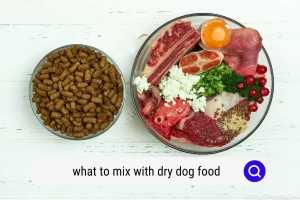
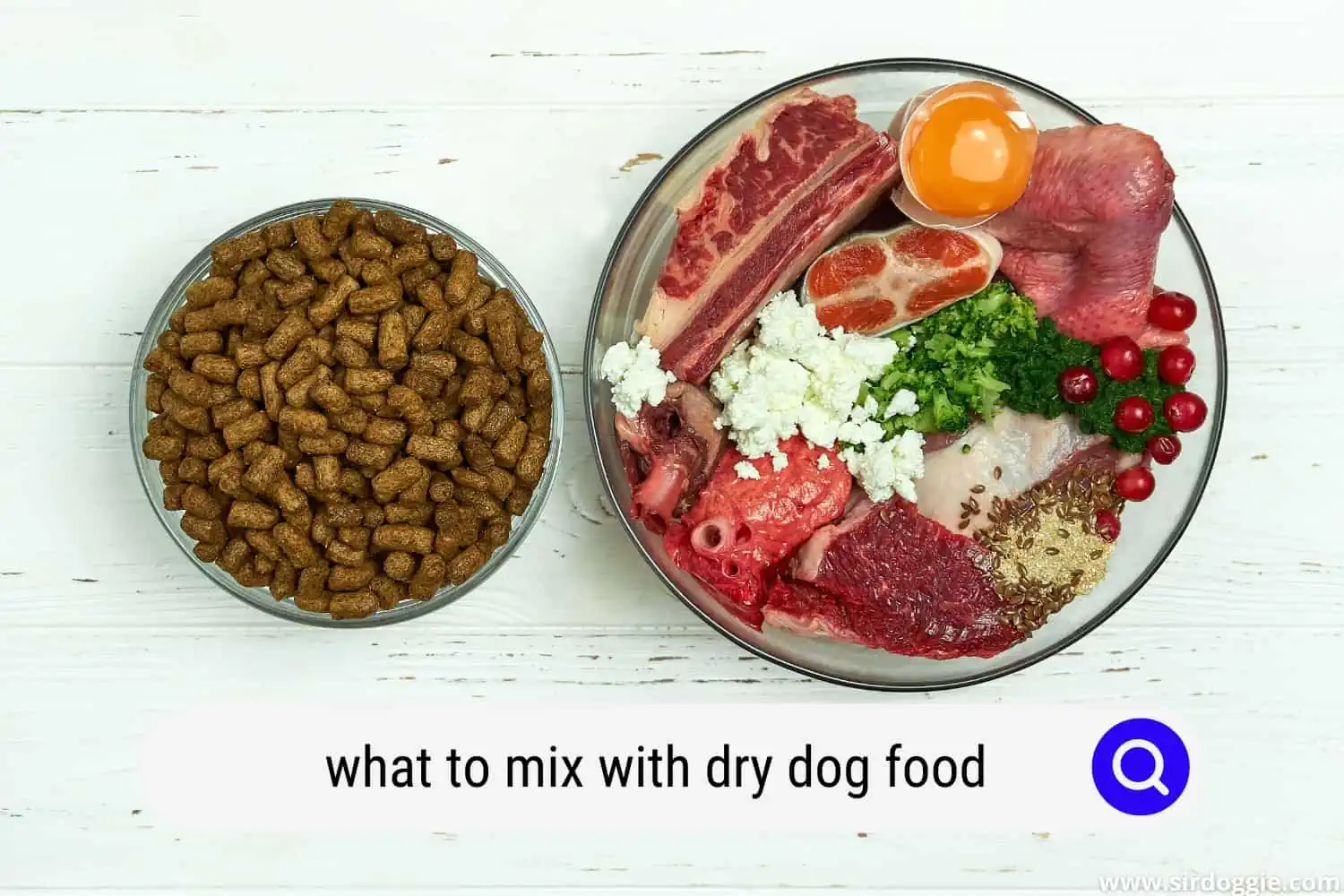
For dog owners in the United States, the safest things to mix with dry dog food are warm water, complete wet dog food, plain cooked meat, plain vegetables, or a small amount of plain pumpkin. The best choice depends on why you want to add a topper: better taste, more moisture, easier chewing, or extra calories.
Keep toppers small. In most cases, treats and extras should provide no more than 10% of your dog’s daily calories. The other 90% should come from a complete and balanced dog food that fits your dog’s life stage.

Safe Foods to Mix With Dry Dog Food
You can mix several simple foods with kibble, but each option has a different use. Start with one new food at a time and use small portions.
Warm water
Warm water is the simplest topper. It adds moisture, softens the kibble, and can make the food smell stronger.
Use plain warm water, not hot water. Let the food sit for a few minutes before serving. This option adds little or no extra calorie content, so it can work well for dogs that need to manage their weight.
Do not leave moistened kibble out for long periods. Wet food can spoil faster than dry kibble. Wash the bowl after each meal.
Complete and balanced wet dog food
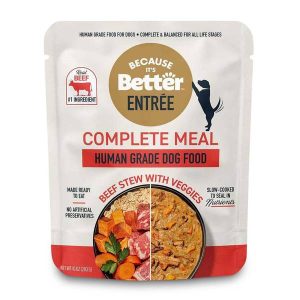
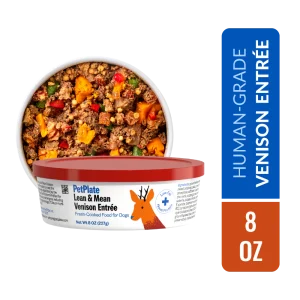
Canned or pouch dog food can add flavor and moisture. Choose a product labeled “complete and balanced” for your dog’s life stage under U.S. Association of American Feed Control Officials, or AAFCO, standards.
You can mix a small amount of wet food into the dry food. If you replace a large part of the meal, reduce the amount of kibble. Wet food often has a different calorie density, so check the feeding guide and calorie statement on both labels.
Plain cooked chicken, turkey, or lean beef
Plain cooked meat can be a useful high-value topper. Remove bones, skin, and excess fat. Do not add salt, garlic, onion, butter, sauces, or seasoning.
Good choices include:
- Plain cooked chicken breast
- Plain turkey
- Lean ground beef, drained after cooking
- Plain pork loin in a small amount
Meat is not a complete diet by itself. It lacks the right balance of calcium, vitamins, minerals, and other nutrients when fed as a large part of a dog’s meals.
Plain cooked egg
A small amount of plain cooked egg may work as an occasional topper for many healthy dogs. Cook the egg fully and serve it without salt, oil, butter, cheese, or seasoning.
Egg adds calories, so count it as part of the daily treat allowance. Some dogs may have an intolerance or allergy. Stop if you see vomiting, diarrhea, itching, or other signs of a reaction.
Plain vegetables
Some dogs enjoy soft, plain vegetables mixed into kibble. Lower-calorie choices include:
- Green beans
- Carrots
- Pumpkin
- Zucchini
- Plain sweet potato
- Peas in small amounts
Cook hard vegetables until soft and cut them into small pieces. Avoid added salt, butter, sauces, and spices. Vegetables should not replace a balanced dog food.
Plain canned pumpkin
Plain pumpkin can add fiber and moisture. Use 100% plain pumpkin puree, not pumpkin pie filling. Pie filling may contain sugar, spices, or other ingredients that are not suitable for dogs.
Pumpkin is not a universal treatment for diarrhea or constipation. If digestive signs last more than a short time, return often, or come with vomiting, blood, weakness, or pain, contact a veterinarian.
Plain unsweetened yogurt
Some dogs can tolerate a small amount of plain yogurt. Choose a product with no added sugar and no xylitol. Xylitol is highly toxic to dogs and may appear under other names, such as birch sugar.
Yogurt contains lactose, which can cause gas or diarrhea in some dogs. It is not a good choice for every dog, especially one with dairy sensitivity or a history of digestive upset.

How Much Should You Mix With Kibble?
Start with a small amount, then watch your dog’s weight, stool, appetite, and behavior. A topper should improve the meal without replacing the nutritional balance of the main food.
A useful starting point is:
| Topper | Starting amount | Main benefit |
|---|---|---|
| Warm water | 1–4 tablespoons | Moisture and smell |
| Wet dog food | 1 teaspoon to 1 tablespoon | Flavor and moisture |
| Cooked meat | 1 teaspoon to 1 tablespoon | Taste and protein |
| Cooked egg | A small piece | Taste and calories |
| Plain vegetables | 1–2 tablespoons | Fiber and texture |
| Plain pumpkin | 1 teaspoon to 1 tablespoon | Moisture and fiber |
These are general starting points, not exact feeding instructions. A small dog may need much less than a large dog. Puppies, senior dogs, working dogs, and dogs with medical conditions may need a different plan.
Use the 10% calorie rule
The 10% rule is a practical safety limit. It means that treats and extras should usually provide no more than 10% of the dog’s daily calories.
For example, if a dog eats about 600 calories per day:
- About 540 calories could come from complete and balanced dog food.
- About 60 calories could come from toppers and treats.
This is only an example. Check the calorie content on the dog food label and ask your veterinarian for a more precise target if your dog is overweight, underweight, diabetic, or has another health problem.
Reduce kibble when the topper adds calories
Do not add meat, egg, wet food, or cheese on top of the usual meal every day without making adjustments. Extra calories can lead to weight gain over time.
A simple approach is:
- Check the calories in the topper.
- Check the calories per cup or gram of kibble.
- Remove roughly the same number of calories from the kibble.
- Monitor body weight and body condition.
For example, if a topper adds 50 calories and the kibble provides 400 calories per cup, remove about one-eighth of a cup of kibble. This is a hypothetical calculation. Food labels may use different serving sizes, so use the calorie values on your specific products.
How to Mix a Topper With Dry Food
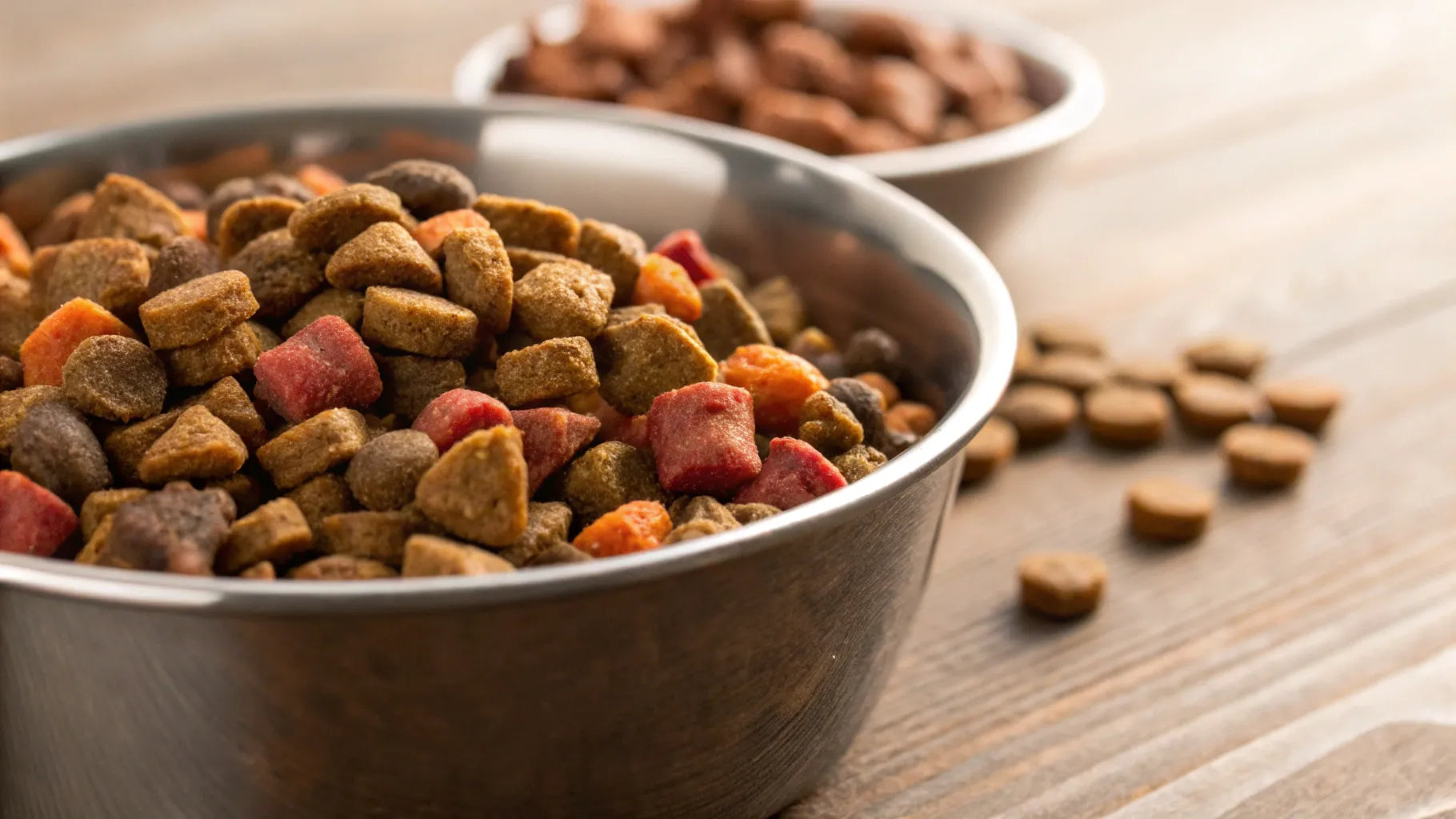
The safest method is slow and simple.
1. Keep the main food the same
Choose one topper while your dog is eating the usual complete and balanced food. Changing the kibble and adding a new topper at the same time makes it harder to find the cause of stomach upset.
2. Add a small amount
Mix in a teaspoon for a small dog or a tablespoon for a larger dog. Use less if your dog has a sensitive stomach.
3. Stir it through the kibble
A thin coating can make the whole meal smell better. Your dog may accept less food than when a large pile of topper sits on top.
4. Watch for changes
For the next day or two, watch for:
- Loose stool
- Vomiting
- Gas
- Itching
- Ear irritation
- Reduced appetite
- Excess weight gain
If these signs appear, stop the new topper. Give your dog access to fresh water and contact your veterinarian if signs are severe, persistent, or unusual for your dog.
5. Store leftovers safely
Refrigerate cooked meat, egg, opened wet food, and pumpkin. Follow the storage directions on the package. Discard food that smells spoiled or has been left out too long.

Choose the Right Mixer for Your Goal
The best topper depends on what you want to fix. A dog that dislikes dry food needs a different solution from a dog that has trouble chewing.
| Your goal | Better first choice | Use caution with |
|---|---|---|
| Add moisture | Warm water or wet dog food | Salty broth |
| Improve smell | Warm water or a small amount of wet food | Large portions of meat |
| Make kibble softer | Warm water | Very hot water |
| Add fiber | Plain pumpkin or vegetables | Sudden large servings |
| Support weight control | Warm water or low-calorie vegetables | Cheese, oils, fatty meat |
| Help a senior chew | Soaked kibble or wet food | Hard bones or large chunks |
| Encourage eating during illness | Call your veterinarian | Covering up serious symptoms |
Low-sodium broth may be used only if the ingredient list contains no onion, garlic, or other unsafe ingredients. Plain water is often the safer and simpler choice.
If your dog suddenly refuses food, do not assume the issue is boredom. Dental pain, nausea, illness, stress, and medication side effects can all reduce appetite.

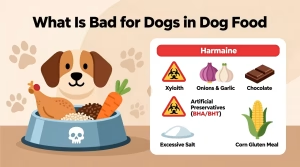
Foods You Should Not Mix With Dog Food
Some common human foods can harm dogs. Keep these away from the bowl:
- Onions, garlic, leeks, and chives
- Grapes and raisins
- Chocolate, coffee, and caffeine
- Xylitol, also called birch sugar
- Alcohol
- Macadamia nuts
- Raw yeast dough
- Cooked bones
- Very salty foods
- Fatty scraps and greasy sauces
- Foods with mold
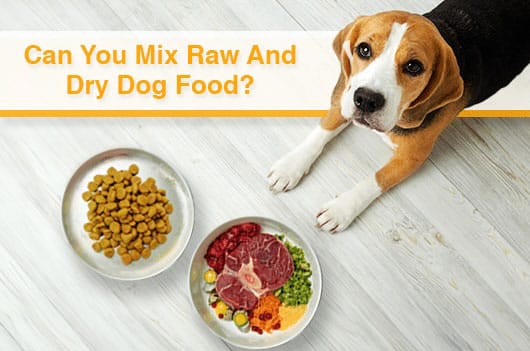
Cooked bones can splinter and cause choking, mouth injuries, or digestive tract damage. Raw animal foods also carry food safety risks, including bacteria that can affect pets and people. The U.S. Food and Drug Administration discusses these concerns in its guidance on raw pet food.
Avoid seasoning meat for your dog. Ingredients that seem small to a person may still create problems when given often or in larger amounts.
When a Topper May Not Be Safe
A topper may be unsuitable when a dog has a medical condition or follows a veterinary diet.
Ask your veterinarian before adding extras if your dog has:
- Kidney disease
- Liver disease
- Pancreatitis
- Diabetes
- Food allergies
- Inflammatory bowel disease
- Heart disease
- Urinary stones
- Obesity
- A prescription diet
Prescription diets are designed with specific nutrient limits. Adding meat, treats, dairy, or other foods may weaken the purpose of the diet.
Puppies also need special care. Growing dogs require the right amounts and ratios of nutrients. Large-breed puppies are especially sensitive to unbalanced calcium and calorie intake. Do not replace part of a puppy’s food with homemade ingredients unless your veterinarian gives you a clear plan.

What to Do If Your Dog Will Not Eat Dry Food
If your dog refuses dry food, first check for a health problem. A sudden change in eating habits can be an early sign of dental disease, pain, nausea, infection, or another illness.
If your dog seems well, try these steps:
- Check that the food is fresh and has been stored in a dry, sealed container.
- Wash the bowl.
- Add a small amount of warm water.
- Offer the meal at a set time.
- Remove uneaten food after a reasonable period.
- Avoid adding more and more toppers after every refusal.
Constantly improving the meal can teach some dogs to wait for a more appealing option. A steady routine often works better than a growing list of ingredients.
Contact a veterinarian promptly if your dog will not eat and also has vomiting, diarrhea, weakness, pain, trouble breathing, a swollen belly, pale gums, or unusual behavior. Puppies, elderly dogs, and dogs with known illness may need help sooner.
Common Mistakes to Avoid
The most common problem is not one dangerous ingredient. It is too much extra food over too long a period.
Avoid these mistakes:
- Adding high-calorie toppers without reducing kibble
- Changing several ingredients at once
- Using gravy, sauces, or seasoned leftovers
- Feeding cooked bones
- Giving raw meat without understanding the risks
- Using pumpkin pie filling instead of plain pumpkin
- Giving yogurt with xylitol or added sugar
- Leaving moistened food out for hours
- Assuming a topper makes an unbalanced diet complete
- Using food to hide a sudden loss of appetite
Measure the topper at first. “Just a little” can become a large calorie increase when repeated every day.

Frequently Asked Questions
Can I mix chicken and rice with my dog’s dry food?
You can mix a small amount of plain, fully cooked chicken with kibble if your dog tolerates it. Rice is also generally mild when plain and cooked. However, chicken and rice alone are not a complete long-term diet. Avoid this mixture as a substitute for veterinary care when your dog is sick.
Is wet food better than dry food?
Neither is automatically better for every dog. Dry food is often easy to measure and store. Wet food adds water and may appeal to picky eaters. The key question is whether the food is complete and balanced and whether it fits your dog’s health, age, and calorie needs.
Can I add milk to dry dog food?
Milk is not the best routine topper. Many dogs do not digest lactose well, and milk can cause gas or diarrhea. Water or a complete wet dog food is usually a safer choice.
Can I mix eggs with kibble every day?
A small amount of fully cooked, plain egg may fit some dogs’ diets, but daily use adds calories. It should not replace a balanced food. Ask your veterinarian before giving egg often to a dog with obesity, pancreatitis, or a special diet.
Can I mix broth with dry dog food?
You may use a small amount of plain, low-sodium broth only when it contains no onion, garlic, chives, or excessive salt. Read the full ingredient list. Warm water is a safer option when you are unsure.
What can I mix with kibble for a picky dog?
Start with warm water or a small amount of complete wet dog food. If your dog’s appetite changed suddenly, investigate health causes rather than relying on toppers. A dog that repeatedly refuses food should be assessed by a veterinarian.
Conclusion
The safest things to mix with dry dog food are warm water, complete wet dog food, plain cooked meat, plain cooked egg, low-calorie vegetables, or plain pumpkin. Add only a small amount, introduce one change at a time, and keep extras within about 10% of daily calories.
Do not use seasoned leftovers, bones, onion, garlic, grapes, raisins, chocolate, xylitol, or fatty foods. If your dog has a medical condition, eats a prescription diet, or suddenly loses interest in food, ask your veterinarian before changing the meal.
A good next step is to choose one simple topper—warm water is the easiest—and watch your dog’s stool, appetite, weight, and comfort for the next few days.