Hi, I’m Zak Fahim. If you’ve ever stood in a pet store staring at endless bags of dog food, you’re not alone. It can feel confusing fast. Dry, wet, grain-free, puppy formula, senior formula… where do you even start?
The truth is, your dog’s food affects their energy, coat, digestion, and long-term health. In this guide, I’ll break everything down in a simple, practical way so you can confidently pick the right food for your dog.

Quick Answer
Choosing the right dog food means matching your dog’s age, size, activity level, and health needs with a balanced, high-quality diet. Look for foods that meet AAFCO nutritional standards and contain real protein as the first ingredient.
Avoid foods with too many fillers, artificial additives, or unclear meat sources. The best dog food is one that keeps your dog energetic, maintains a healthy coat, supports digestion, and fits your budget.
There is no “one best food” for all dogs. The right choice depends on your individual pet’s needs.
What Makes Good Dog Food?
Let me explain simply. Good dog food is all about balance. Dogs need protein, fat, carbohydrates, vitamins, and minerals in the right amounts.
- Protein: Supports muscles and energy (chicken, beef, fish)
- Fats: Healthy skin, coat, and brain function
- Carbohydrates: Energy source (rice, oats, sweet potatoes)
- Vitamins & minerals: Overall body function and immunity
Always check the ingredient list. The first ingredient should ideally be a named animal protein, not “meat by-products” or vague fillers.Alex’s Tip: If you can’t recognize more than half the ingredients, it’s usually not a great sign.
How to Choose the Right Dog Food for Your Dog
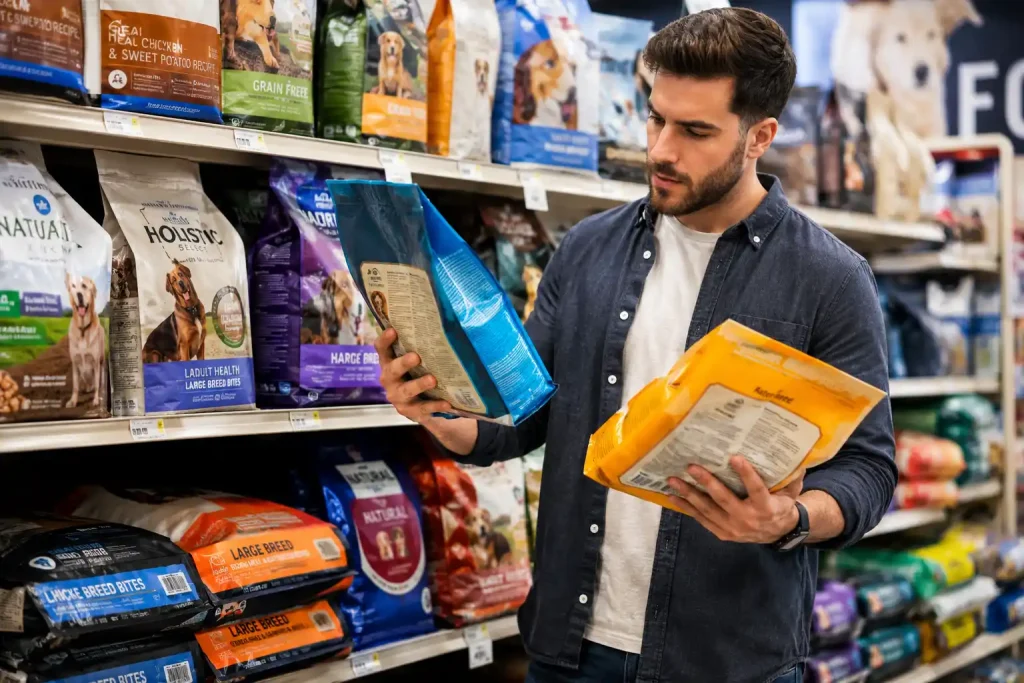
Every dog is different. Here’s how I break it down when helping pet owners:
- Puppies: Need high protein and fat for growth
- Adult dogs: Balanced maintenance diet
- Senior dogs: Lower calories, joint support
- Active dogs: Higher protein and energy levels
| Dog Type | Key Nutritional Need | Food Type Example |
|---|---|---|
| Puppy | High protein, DHA for brain | Puppy formula kibble |
| Adult | Balanced nutrition | Standard dry/wet food |
| Senior | Joint support, low calories | Senior-specific formula |
Also, check guidance from trusted sources like the American Veterinary Medical Association and FDA Animal & Veterinary.
Dry Food vs Wet Food vs Raw Diet
You’ll often see different types of dog food. Each has pros and cons.
- Dry food (kibble): Affordable, easy to store, helps dental health
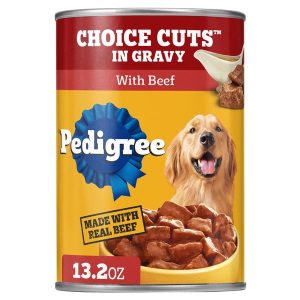
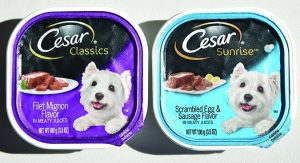
- Wet food: More tasty, higher moisture, good for picky eaters
- Raw diet: Natural but requires careful handling and balance
Warning: Raw diets can be risky if not properly prepared. Always consult a vet or follow trusted guidelines like WSAVA nutrition guidelines.
How to Read Dog Food Labels
Dog food labels can be tricky. But once you know what to look for, it gets easier.
- Check the first 3 ingredients
- Look for named meat sources (like chicken, lamb)
- Avoid artificial colors and flavors
- Check AAFCO statement for nutritional completeness
Zak’s Tip: If a food says “complete and balanced,” it should meet basic nutritional standards—but still check ingredients carefully.
Common Mistakes to Avoid
- Switching food too quickly without transition
- Choosing food only based on price
- Ignoring your dog’s age and size
- Feeding too many treats or table scraps
- Not checking for allergies or sensitivities
Expert Tips from Zak

Start slow when changing food. Mix old and new food over 7 days to avoid stomach issues.
Watch your dog’s stool. It tells you a lot about digestion health.
Don’t follow trends blindly. Grain-free isn’t always better for every dog.
Hydration matters. Always provide clean water alongside dry food.
Talk to your vet. Especially if your dog has allergies or chronic conditions.
Key Takeaways
- Match food to your dog’s age, size, and activity level
- Look for real protein as the first ingredient
- Avoid unnecessary fillers and artificial additives
- Transition food slowly to avoid stomach upset
- When in doubt, consult trusted veterinary sources
Frequently Asked Questions
What is the healthiest dog food?
The healthiest dog food is one that meets AAFCO standards, contains high-quality protein, and matches your dog’s life stage. There is no single best brand for all dogs.
Should I feed my dog dry or wet food?
Both are fine. Dry food is more affordable and helps dental health, while wet food is more hydrating and tasty. Many owners mix both.
How often should I change my dog’s food?
You don’t need to change food often unless your dog has health issues or life stage changes. Stability is usually better for digestion.
Is grain-free dog food better?
Not always. Grain-free is only necessary if your dog has specific allergies. Most dogs do well with grains like rice and oats.
How do I know if my dog food is low quality?
Low-quality food often has vague meat sources, too many fillers, and artificial additives. Poor coat, low energy, and digestive issues can also be signs.
Conclusion
Choosing the right dog food doesn’t have to be complicated. Once you understand your dog’s needs and read labels properly, it becomes much easier.
Take your time, observe your dog, and adjust when needed. Small changes in diet can make a big difference in health and happiness.
You can also explore more pet care guides here: Dog Nutrition Tips & Guides