We have all stood in the pet food aisle, staring blankly at dozens of colorful bags. Reading a pet food label can feel like trying to decode a chemistry textbook. You just want to feed your best friend a healthy meal, but the endless lists of strange ingredients make it confusing.
As a lifelong pet owner, I get it. I used to grab whatever bag had the best picture on the front. But when my own dog started dealing with dry skin and a sensitive stomach, I knew I had to dig deeper into pet food ingredients.
In this guide, I will break down exactly what you should look for on a dog food label. I will cut through the marketing fluff and show you the wholesome, real-food ingredients that actually support your dog’s health, energy, and happiness.

Quick Answer
The best ingredients for dog food are whole, recognizable foods. High-quality dog food should always list a named animal protein (like chicken, beef, or salmon) as the very first ingredient. It should also include easily digestible complex carbohydrates (like sweet potatoes or brown rice), healthy fats (like salmon oil or chicken fat), and natural sources of vitamins from fruits and vegetables (like carrots and blueberries). Avoid any food with unnamed meat meals, artificial colors, and chemical preservatives.
Why Dog Food Ingredients Matter So Much
Here’s the thing. Your dog’s daily diet impacts everything from their energy levels to their lifespan. Just like humans, dogs thrive when they eat nutritious, whole foods.
Proper dog nutrition supports a strong immune system, healthy joints, and a shiny coat. It also plays a massive role in their digestive health. When you feed your dog low-quality ingredients, their body has to work harder to digest and absorb the nutrients. Over time, this can lead to pet allergies, weight gain, and sluggish behavior.
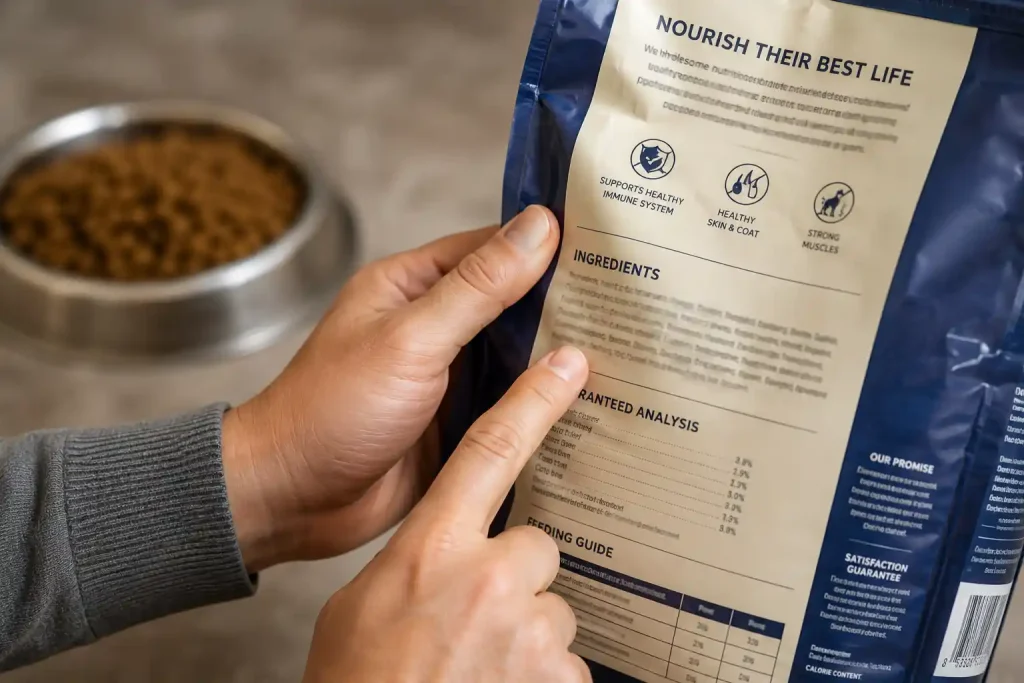
Let me explain how the pet food industry works. Ingredients on a dog food label are listed by weight, starting with the heaviest. Because whole meats contain a lot of water, they often sit at the top of the list. However, you want to make sure the first three to five ingredients are high-quality, nutrient-dense foods, not cheap fillers.
How to Tell If Your Dog’s Food Needs an Upgrade
Before we dive into the specific ingredients, let’s look at your dog. Sometimes, the clearest sign that you need better pet food ingredients comes directly from your pet’s physical health and daily habits.
If you notice dull, flaky skin, your dog might be missing essential fatty acids. If they are constantly scratching their ears or chewing their paws, they could be experiencing food sensitivities to cheap fillers like corn or wheat gluten. Constant stomach upsets are another major red flag.
Here is a quick breakdown of common symptoms and the nutritional gaps that might be causing them.
| Physical Sign | Possible Missing Nutrient | Better Ingredient to Look For |
|---|---|---|
| Dull coat and dry, itchy skin | Omega-3 and Omega-6 fatty acids | Salmon oil, flaxseed, fish meal |
| Low energy or sluggishness | High-quality, easily digestible proteins | Whole chicken, turkey, lamb, or beef |
| Frequent digestive health issues | Healthy dietary fiber and probiotics | Pumpkin, sweet potato, chicory root |
| Stiff joints or slow movement | Joint-supporting nutrients | Glucosamine, chondroitin, green-lipped mussel |
The Absolute Best Ingredients for Dog Food
The good news is that spotting a great dog food is easy once you know what to look for. Let’s break down the best ingredients across the four main nutritional categories.
1. High-Quality Animal Proteins
Dogs are omnivores, but they need a significant amount of animal protein to thrive. Protein provides the amino acids necessary for building strong muscles, repairing tissues, and keeping the immune system sharp. This is especially vital for puppy care and active adult dogs.
- Whole Meats: Look for fresh, deboned chicken, beef, turkey, lamb, or salmon. These should be the very first ingredients on the bag.
- Named Meat Meals: Don’t panic if you see “chicken meal” or “beef meal.” A named meat meal is simply meat that has had the water removed. It is a highly concentrated source of protein.
- Organ Meats: Ingredients like chicken liver or beef heart are incredible sources of natural vitamins and minerals.
2. Healthy Carbohydrates and Fiber
Carbohydrates give your dog sustained energy throughout the day. They also provide fiber, which keeps their digestive health in check. While the grain-free trend has been popular, the FDA has investigated potential links between certain grain-free diets and heart issues in dogs. Unless your vet recommends otherwise, healthy grains are perfectly safe for most dogs.
- Sweet Potatoes: Packed with vitamins A and C, and a great source of gentle fiber.
- Brown Rice and Oatmeal: Complex, whole grains that provide long-lasting energy and digest smoothly.
- Pumpkin: One of the best natural ingredients for regulating a dog’s digestion.
3. Essential Fats and Oils
Fat often gets a bad reputation, but it is entirely necessary for pet wellness. Fats provide a concentrated energy source and are the secret to a thick, glossy coat.
- Salmon Oil: Rich in Omega-3 fatty acids, which reduce inflammation and support brain development in puppies.
- Chicken Fat: A highly digestible animal fat that contains high levels of Omega-6 fatty acids.
- Flaxseed: A great plant-based source of healthy fats and extra fiber.
4. Fruits, Vegetables, and Supplements
The best dog foods include a variety of human foods for pets to boost the vitamin and mineral content naturally, rather than relying solely on synthetic vitamin packs.
- Blueberries and Cranberries: Loaded with antioxidants to fight cellular aging, making them perfect for senior dog care.
- Carrots and Spinach: Great sources of beta-carotene, iron, and essential vitamins.
- Probiotics: Often listed as “dried fermentation products,” these help maintain healthy gut bacteria.
How to Choose the Right Food Step by Step
So what should you do when you are actually standing in the store? Follow these simple steps to evaluate any dog food bag quickly.
- Check the first three ingredients: The first ingredient must be a named meat. The second and third should ideally be a named meat meal or a high-quality carbohydrate.
- Look for the AAFCO statement: Ensure the bag has a label from the Association of American Feed Control Officials (AAFCO) stating the food provides “complete and balanced” nutrition for your dog’s specific life stage.
- Scan for specific fats: Identify exactly where the fat is coming from. You want to see “salmon oil” or “chicken fat,” not a generic term like “animal fat.”
- Check the preservatives: Look toward the end of the ingredient list. You want to see natural preservatives like “mixed tocopherols” (a form of Vitamin E) rather than chemical preservatives.
- Match the food to the dog: A growing puppy needs different calcium and protein levels than a senior dog. Always buy a formula tailored to their age and size.
To make it even easier, here is a quick cheat sheet you can use while shopping.
| Category | Excellent Ingredients (Look For These) | Poor Ingredients (Avoid These) |
|---|---|---|
| Proteins | Chicken, Beef, Salmon, Turkey Meal | Meat and Bone Meal, Poultry By-Product |
| Carbohydrates | Oatmeal, Brown Rice, Sweet Potato | Corn Syrup, Wheat Gluten, Soy Flour |
| Fats | Chicken Fat, Salmon Oil, Flaxseed | Generic Animal Fat, Tallow |
| Preservatives | Mixed Tocopherols, Rosemary Extract | BHA, BHT, Ethoxyquin |
Common Mistakes to Avoid
Even well-meaning pet parents can make mistakes when choosing a dog food. The marketing on the front of the bag is designed to appeal to humans, not necessarily to provide the best pet nutrition. Here are the most common pitfalls to avoid.
- Falling for generic “meat” labels: If the label just says “meat meal” or “animal fat,” put the bag down. You always want to know exactly what animal the ingredient came from.
- Ignoring split ingredients: Sometimes manufacturers use “ingredient splitting” to hide how much of a cheap filler is in the food. For example, they might list “flaked corn,” “corn gluten,” and “corn flour” separately. If you added them all together, corn would actually be the first ingredient.
- Buying based on pretty colors: Dogs do not care what color their kibble is. If you see artificial colors like Red 40, Yellow 5, or Blue 2, avoid that food. These dyes are added entirely for the human buyer.
- Overlooking toxic foods for pets: While rare in commercial foods, be careful when making homemade diets. Never include onions, garlic, grapes, or macadamia nuts, as these are highly toxic to dogs.
- Forgetting to transition slowly: When you find a better food, do not switch overnight. A sudden change can cause major stomach upset.
Warning: Be incredibly cautious about foods containing the chemical preservatives BHA, BHT, and Ethoxyquin. These synthetic preservatives have been linked to various health issues over long-term exposure. Always opt for natural preservatives like Vitamin E (mixed tocopherols).
Expert Tips from Zak
Over the years of raising dogs and writing about pet care, I’ve picked up a few practical habits that go beyond just reading the label. Here is how you can step up your dog feeding routine.
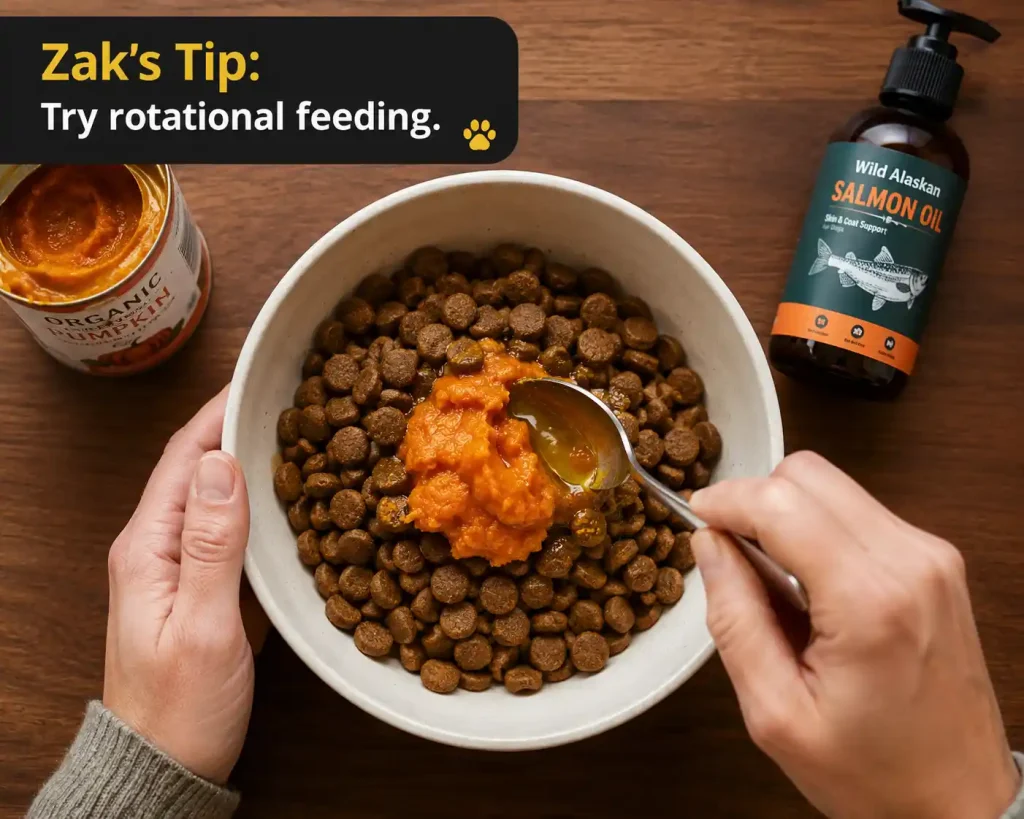
Zak’s Tip: Try rotational feeding.
You don’t want to eat the exact same meal every single day of your life, and neither does your dog. I like to practice rotational feeding. Every few months, I slowly transition my dogs to a new protein source (like switching from a chicken formula to a lamb formula) within the same high-quality brand. This helps prevent food allergies from developing and keeps mealtime exciting.
Zak’s Tip: Add fresh toppers.
You don’t have to buy the most expensive bag of food on the market to give your dog a great diet. If you feed a mid-range, healthy kibble, you can boost its nutritional value by adding fresh, pet-safe toppers. I regularly mix a spoonful of plain, unsweetened canned pumpkin or a few fresh blueberries into my dog’s bowl.
Zak’s Tip: Watch their bathroom habits.
It sounds gross, but your dog’s poop is the ultimate indicator of whether their food is working for them. According to the veterinary nutrition experts at Tufts, healthy digestion results in small, firm, and consistent stools. If your dog has chronic loose stools or massive, frequent bowel movements, their food is likely full of indigestible fillers.
Key Takeaways
- The first ingredient on your dog’s food label should always be a high-quality, named animal protein like chicken, beef, or salmon.
- Look for wholesome, complex carbohydrates like sweet potatoes and brown rice instead of cheap fillers like corn syrup or wheat gluten.
- Healthy fats, particularly those rich in Omega-3s like salmon oil, are essential for your dog’s skin, coat, and brain health.
- Avoid any dog food that uses unnamed “mystery meats,” artificial food dyes, or synthetic chemical preservatives like BHA and BHT.
- Always ensure the food carries an AAFCO statement confirming it is complete and balanced for your dog’s specific life stage.
Frequently Asked Questions
Are grains bad for dogs?
No, grains are not inherently bad for dogs. Unless your dog has a specifically diagnosed grain allergy, healthy whole grains like brown rice and oatmeal provide excellent energy, fiber, and essential nutrients. In fact, veterinary cardiologists recommend grain-inclusive diets for most dogs.
What is meat meal, and is it safe?
Meat meal is very safe and highly nutritious as long as the animal source is named (such as “chicken meal” or “beef meal”). It is simply fresh meat that has been cooked down to remove the water content, leaving a highly concentrated source of protein.
Are chicken by-products bad for my dog?
Not necessarily. High-quality named by-products (like chicken by-product) include nutrient-dense organ meats like the liver, heart, and kidneys, which are great for dogs. However, you should avoid “generic” poultry by-products where the exact bird isn’t specified.
What are the best vegetables to look for in dog food?
The best vegetables for dogs include sweet potatoes, carrots, peas, spinach, and pumpkin. These provide natural sources of vitamins, antioxidants, and gentle dietary fiber to support digestion.
How do I know if a dog food is high quality?
A high-quality dog food will have a named meat as the first ingredient, use natural preservatives, avoid artificial colors, and carry an AAFCO statement of nutritional adequacy. Your dog should also thrive on it, showing good energy, a shiny coat, and healthy digestion.
Should I feed my dog wet or dry food?
Both wet and dry foods can be excellent choices if they contain high-quality ingredients. Dry kibble is convenient, cost-effective, and helps clean teeth. Wet food provides extra hydration and is often more palatable for picky eaters or senior dogs.
Conclusion
Choosing the best dog food doesn’t have to be a stressful experience. Once you know how to read the ingredient list, you have all the power to make a great decision for your pet. Remember to look for named meats, healthy whole grains, and recognizable fruits and vegetables. Avoid the cheap fillers, artificial dyes, and unnamed mystery ingredients.
Every dog is unique, so pay attention to how your pet responds to their meals. A healthy dog will have bright eyes, a soft coat, plenty of energy, and good digestion. If you are looking to upgrade your pet’s routine even further, check out our complete dog feeding guide to learn about portion control and feeding schedules.
Take your time the next time you are in the pet store. Your dog depends on you to make the right choice, and with this knowledge, you are more than ready to do just that.