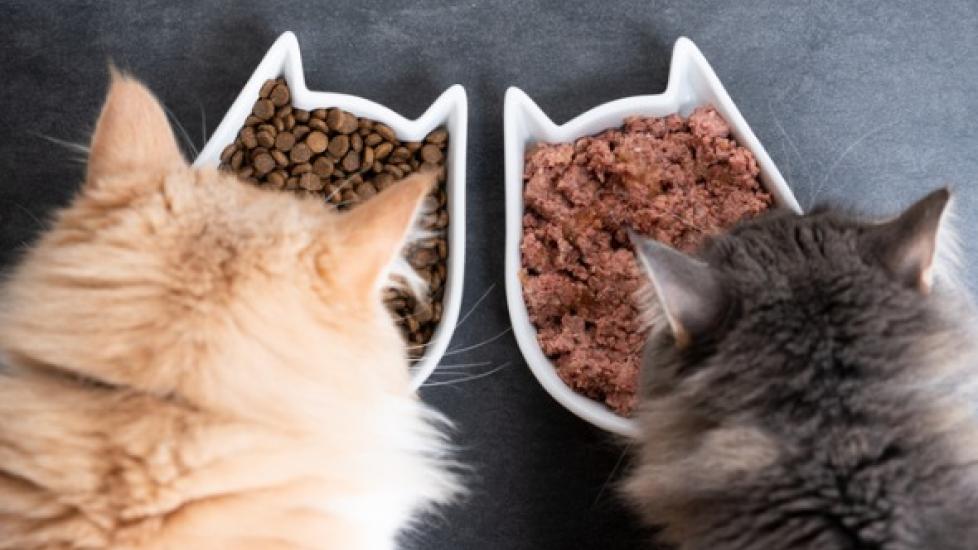
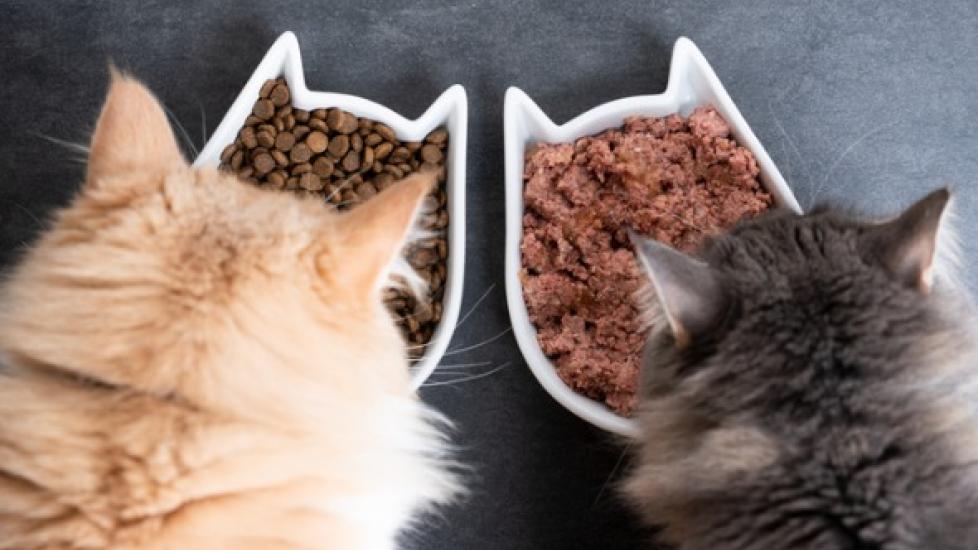
Most dogs are fine after eating dry cat food, but watch for vomiting, diarrhea, or swelling.
If your dog ate dry cat food, take a calm, practical approach. In most cases, a small amount is not an emergency, but it can still upset your dog’s stomach or cause problems if your dog is small, sensitive, or ate a lot. I’ve seen this happen plenty of times in real life, and the key is knowing what to watch for, what to do next, and when to call a vet.
Why dogs eat dry cat food
Dogs usually eat cat food because it smells strong, tastes rich, and is easy to steal. Cat food is often higher in fat and protein than dog food, which makes it extra tempting to many dogs.
In many homes, this happens when:
• The cat bowl is left on the floor
• A dog gets into a feeding area
• The dog is extra food motivated
• The cat food is stored within reach
I once saw a medium-sized dog sneak a whole bowl of cat kibble in less than a minute. The dog acted proud at first, then spent the evening looking uncomfortable. That’s a good reminder that “food raid” does not always mean “big danger,” but it can still lead to tummy trouble.
Is dry cat food bad for dogs?
Dry cat food is not toxic to dogs in most cases. The main issue is that it is made for a different species, so it is not balanced for your dog’s needs.
Compared with dog food, cat food often has:
• More fat
• More protein
• Different vitamin and mineral levels
• A different calorie profile
That difference is why a dog may get an upset stomach after eating it. Over time, repeated eating of cat food can also lead to weight gain or poor nutrition if your dog starts stealing it often.
What to do right after your dog ate dry cat food
First, stay calm. Your next steps depend on how much was eaten, your dog’s size, and whether your dog has any health issues.
Do this right away:
• Remove the cat food so your dog cannot eat more
• Offer fresh water
• Watch your dog for signs of upset stomach
• Check how much was eaten
• Note the time and any symptoms
Do not force your dog to vomit unless a vet tells you to. For many situations, simple monitoring is the safest move.
If your dog only ate a few pieces and seems normal, you can usually observe at home. If your dog ate a large amount, is a puppy, is very small, or has health concerns like pancreatitis, call your vet for guidance.
Symptoms to watch for after eating dry cat food
Most dogs that react to cat food show mild digestive upset. Symptoms can start within a few hours.
Watch for:
• Vomiting
• Loose stool or diarrhea
• Gas
• Bloating
• Lip licking or nausea
• Loss of appetite
• Lethargy
More serious signs include:
• Repeated vomiting
• A swollen belly
• Trouble breathing
• Weakness
• Collapse
• Pain when touched
If your dog seems uncomfortable but is still drinking water and acting mostly normal, the issue may pass in a day. If symptoms get worse, get veterinary help quickly.
When to call the vet
Call your vet if your dog:
• Ate a large amount of dry cat food
• Is a puppy or toy breed
• Has diabetes, pancreatitis, or another chronic condition
• Has repeated vomiting or diarrhea
• Seems bloated, painful, or weak
• Won’t drink water
• Acts very tired or strange
You should also call sooner if the cat food had any unusual ingredients. For example, some pet foods may include flavors, additives, or mix-ins that do not agree with all dogs.
A vet can tell you whether your dog needs an exam, home care, or urgent treatment. In my experience, owners often wait too long because the dog “seems okay.” That can be fine for a mild case, but it is never worth ignoring red flags.
How much dry cat food is too much?
There is no single cut-off for every dog. A few bites may be harmless, while a large bowl can cause vomiting or diarrhea.
The risk depends on:
• Your dog’s size
• Your dog’s age
• Your dog’s health
• How rich the cat food is
• How much was eaten
A large dog may handle a small amount with no trouble. A small dog, on the other hand, may react to much less because the food is denser and harder on the stomach.
If you are unsure, compare the amount eaten to your dog’s normal meal size. If the cat food amount was close to or more than a full dog meal, keep a close eye on your pet.
Home care after your dog ate dry cat food
If your dog is acting normal and only ate a small amount, home care is often enough.
Try these simple steps:
• Give fresh water often
• Feed the next meal a little later if your dog seems mildly upset
• Keep exercise light for the rest of the day
• Monitor stool and appetite
• Watch for vomiting or discomfort
Some vets may suggest a bland diet if your dog has mild stomach upset. That usually means plain boiled chicken and rice or another easy-to-digest meal, but only use this if your vet agrees.
Do not give human medicines unless your vet says so. Some common drugs can be unsafe for dogs.
What not to do
It is easy to panic and overreact, but that can make things worse.
Avoid these mistakes:
• Do not induce vomiting without vet advice
• Do not give your dog human stomach meds on your own
• Do not feed a fatty meal to “settle” the stomach
• Do not ignore repeated vomiting or bloating
• Do not assume all dogs react the same way
One lesson I learned early is that dogs can look fine and then crash later if something is brewing. That is why observation matters. Calm, close monitoring is usually better than guesswork.
How to keep your dog out of the cat food
This is one of those problems that repeats unless you change the setup. Prevention is easier than cleaning up the mess later.
Helpful prevention tips:
• Feed cats in a separate room
• Pick up the cat bowl after meals
• Use a baby gate or cat-only feeding station
• Store pet food in sealed containers
• Feed pets on a schedule
• Train your dog with a strong “leave it” cue
If your dog keeps stealing cat food, think of it like a treasure hunt with a very tasty prize. Blocking access is often more effective than hoping willpower wins.
Why repeated cat food stealing can become a problem
A one-time snack is usually not a major issue. Repeated access is different.
Over time, repeated cat food eating can lead to:
• Weight gain
• Chronic stomach upset
• Poor diet balance
• Bad feeding habits
• More stealing behavior
Some dogs also learn that the cat bowl is a reward station. If that happens, they may become more focused on food guarding or sneaking. That is why setting boundaries early matters.
Frequently Asked Questions of My dog ate dry cat food what should I do
Will dry cat food hurt my dog?
Most of the time, a small amount will not hurt your dog. It may still cause mild vomiting, gas, or diarrhea, especially if your dog has a sensitive stomach.
Should I make my dog throw up after eating cat food?
Usually, no. Dry cat food is not typically something that needs emergency vomiting treatment unless a vet specifically tells you to do it. Call your vet first if you are unsure.
Can puppies eat dry cat food?
Puppies should not regularly eat cat food because it is not made for their needs. A small accidental amount is often not dangerous, but puppies are more likely to get an upset stomach, so watch them closely.
How long should I watch my dog after eating cat food?
Watch your dog for at least 24 hours for vomiting, diarrhea, or low energy. If symptoms appear or get worse, contact your vet right away.
What if my dog ate cat food and now has diarrhea?
Mild diarrhea can happen and may pass on its own. Make sure your dog drinks water, and call a vet if the diarrhea is severe, bloody, or lasts more than a day.
Conclusion
If your dog ate dry cat food, the best move is to stay calm, remove access, and watch for symptoms. A small amount is often not a serious problem, but larger amounts or ongoing signs like vomiting, diarrhea, bloating, or weakness need a vet’s attention.
The good news is that most cases are manageable with quick action and simple monitoring. Keep cat food out of reach, use a separate feeding setup, and you will lower the chances of this happening again. If you are ever unsure, call your vet and get clear advice before the situation grows into something bigger.