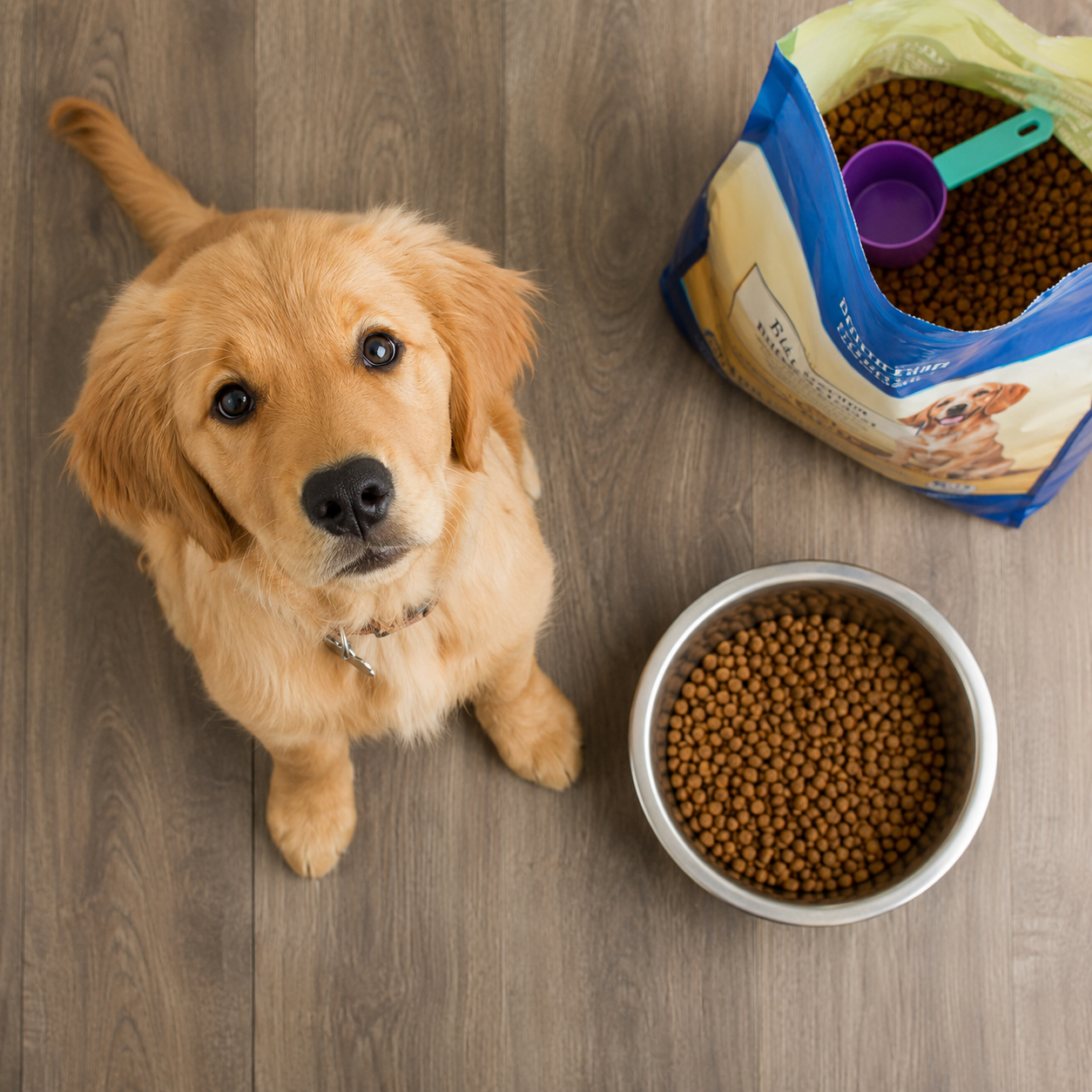
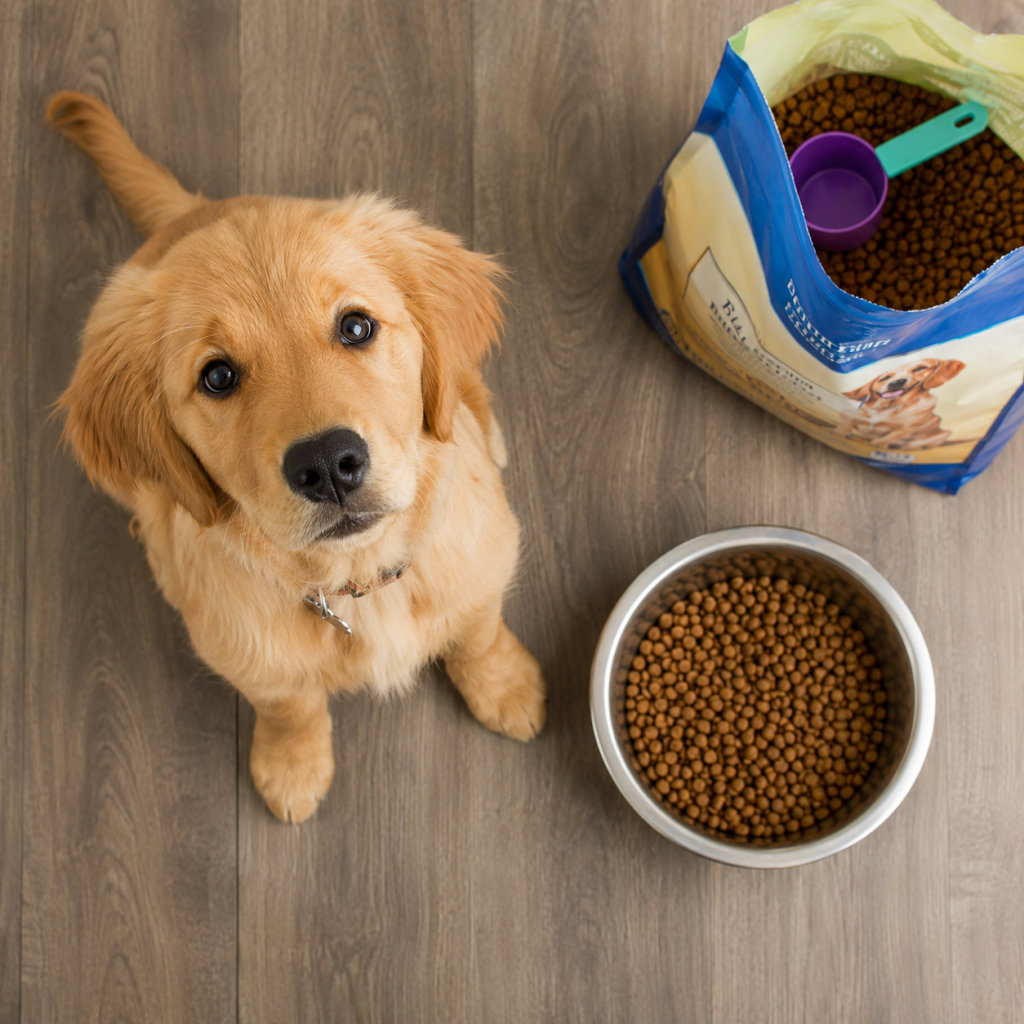
Hey there, I’m Zak Fahim. Bringing a new puppy home is one of the most exciting things you can do. But let’s be honest, mealtime can bring a lot of stress. You stand there holding the scoop, looking at your tiny dog, and wondering if you are feeding them too much or too little.
Here’s the thing: puppies grow incredibly fast, and their nutritional needs change almost weekly. If you overfeed them, they can develop joint issues and unhealthy weight gain. If you underfeed them, they might miss out on the crucial nutrients needed for brain and bone development. It can feel like a guessing game.
The good news is that feeding your puppy doesn’t have to be complicated. By understanding how to measure their food based on their current body weight in pounds, you can keep them on a healthy track. In this guide, I will break down exactly how much to feed a puppy by weight (lb), how to read those confusing pet food labels, and how to adjust their meals as they grow.
Quick Answer
To know exactly how much to feed a puppy by weight (lb), you should start by checking the feeding chart on your specific puppy food bag, as calorie density varies by brand. As a general rule, a 5 lb puppy usually needs ½ to 1 cup of food per day. A 10 lb puppy needs about 1 to 1 ½ cups daily, and a 20 lb puppy needs roughly 2 to 3 cups per day. You must divide this total daily amount into three to four smaller meals to support their fast metabolism and keep their energy levels stable.
Why Feeding by Weight Matters
You might wonder why we focus so much on weight rather than just age. Let me explain. Age is important, but two puppies of the exact same age can have vastly different body sizes. A three-month-old Chihuahua might weigh 3 pounds, while a three-month-old Great Dane could already weigh 30 pounds.
Because their sizes are so different, their calorie needs are completely different. Feeding a puppy based on their current weight in pounds gives you a much more accurate baseline for their daily calorie intake. Puppies burn a massive amount of energy just growing. In fact, a growing puppy needs about twice as many calories per pound of body weight as an adult dog of the same size.
Feeding the right amount ensures:
- Proper bone and joint development, especially in large breeds.
- Healthy brain growth and cognitive function.
- A strong immune system to fight off early illnesses.
- Steady, sustainable growth rather than rapid, unhealthy weight gain.
How to Tell If Your Puppy is at a Healthy Weight
Before you obsess over measuring cups, you need to know how to evaluate your puppy’s current body condition. The scale tells you their weight in pounds, but their body shape tells you if that weight is healthy.
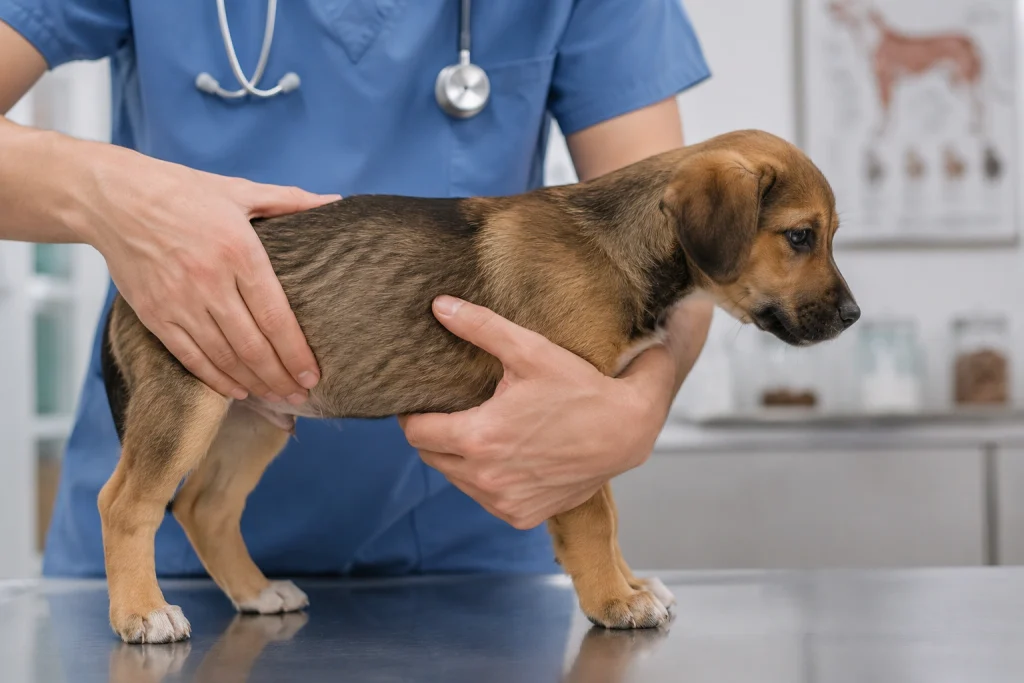
Veterinarians use a Body Condition Score (BCS) to determine if a dog is too thin, overweight, or just right. You can do a simplified version of this at home using your eyes and hands.
- The Rib Test: Place your thumbs on your puppy’s spine and spread your fingers across their ribs. You should be able to feel their ribs easily without pressing hard, much like feeling the bones on the back of your hand. If you can’t feel the ribs, your puppy might be overweight.
- The Waistline Check: Look at your puppy from above. You should see a visible waist tucked in just behind their ribs. They should look somewhat like an hourglass.
- The Side Profile: Look at your puppy from the side. Their abdomen should tuck upward from the bottom of the rib cage to the hind legs, not hang straight down.
Warning: Large breed puppies are especially prone to joint problems like hip dysplasia if they grow too fast. It is much safer to keep a large breed puppy slightly lean rather than letting them get chubby.
General Puppy Feeding Guide by Weight (lb)
So, what do the numbers actually look like? Commercial puppy foods vary in how many calories they pack into a single cup. However, we can look at average feeding amounts for standard dry puppy kibble.
The table below provides a general daily feeding estimate based on your puppy’s current weight. Remember, this is the total amount for the whole day, not per meal!
| Puppy’s Current Weight (lb) | Total Daily Amount (Cups) | Recommended Meals Per Day |
|---|---|---|
| 3 – 5 lbs | 1/3 to 1 cup | 3 – 4 meals |
| 6 – 10 lbs | 1 to 1 ½ cups | 3 – 4 meals |
| 11 – 20 lbs | 1 ½ to 2 ½ cups | 3 meals |
| 21 – 40 lbs | 2 ½ to 4 cups | 3 meals |
| 41 – 60 lbs | 4 to 5 ½ cups | 2 – 3 meals |
| 61 – 80+ lbs | 5 ½ to 7+ cups | 2 meals |
If you are feeding a high-performance or ultra-premium brand, you might need to feed less because the food is richer. Always check the label on the back of the bag. The Association of American Feed Control Officials (AAFCO) sets strict nutritional standards, and any high-quality food will have a clear feeding chart based on weight.
How Often Should You Feed Your Puppy?
Knowing the amount is only half the battle. You also need to know when to feed them. Puppies have tiny stomachs. If you give them their entire daily allowance of food at once, they will likely gorge themselves, get an upset stomach, and then be hungry and cranky later in the day.
Puppies need a consistent feeding schedule to keep their blood sugar stable and help with potty training. When you feed them on a schedule, they go to the bathroom on a schedule.
| Puppy’s Age | Feeding Frequency |
|---|---|
| 8 to 12 weeks | 4 meals a day |
| 3 to 6 months | 3 meals a day |
| 6 to 12 months | 2 meals a day |
| Over 12 months (Adult) | 1 to 2 meals a day |
Toy breeds are an exception. Dogs like Pomeranians and Yorkies can suffer from hypoglycemia (low blood sugar) when they are very young. It is often recommended to feed toy breeds four to five small meals a day until they are at least six months old.
Common Puppy Feeding Mistakes to Avoid
Even well-meaning pet parents make mistakes when it comes to mealtime. Here are a few common traps you should avoid:
- Free-Feeding: Leaving a bowl of kibble out all day is a bad idea. It makes potty training nearly impossible, leads to obesity, and makes it hard to notice if your puppy loses their appetite (which is an early sign of illness).
- Ignoring Treats in the Calorie Count: When you are training a puppy, you use a lot of treats. Those calories add up fast! Treats should never make up more than 10% of your puppy’s daily calorie intake. If you use a lot of treats today, reduce their dinner portion slightly.
- Switching Foods Too Quickly: Puppies have sensitive digestive systems. If you need to change their food, do it slowly over 7 to 10 days by gradually mixing the new food with the old.
- Feeding Adult Food Too Soon: Adult dog food does not have the protein, fat, calcium, and phosphorus levels a growing puppy needs. Stick to a puppy-specific formula until they are fully grown.
- Eyeballing the Portions: Guessing what “a cup” looks like usually results in overfeeding. Use a real kitchen measuring cup.
Expert Tips from Zak on Feeding Your Pup
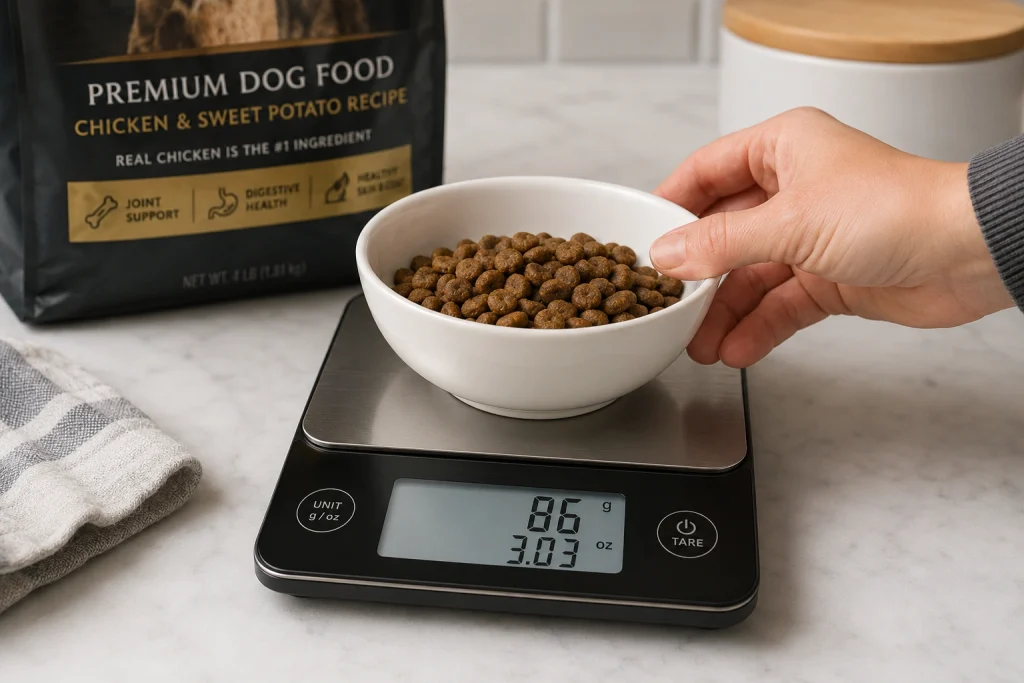
Over the years, I have learned a few tricks that make feeding puppies much easier and safer. Here is what I always suggest to new puppy owners:
Zak’s Tip: Weigh the Food, Don’t Just Scoop It
Measuring cups are great, but a cheap digital kitchen scale is better. Kibble sizes vary, and a “cup” can easily be off by 20%. Weighing the food in grams or ounces is the most accurate way to ensure you are feeding the exact right amount every single day.
Zak’s Tip: Weigh Your Puppy Weekly
Your puppy is growing fast. A portion that was perfect two weeks ago might be too small today. Pick them up, step on your bathroom scale, and then subtract your own weight. Use this new weight to adjust their food portion every week.
Zak’s Tip: Add a Little Warm Water
If you have a very young puppy (around 8 weeks old) who is struggling to chew hard kibble, add a splash of warm water to the bowl. Let it sit for five minutes to soften up. It makes the food easier to eat and helps keep them hydrated.
Also, don’t forget to check out our guide on the best automatic feeders if you struggle to make it home in time for their midday meal.
Key Takeaways
- The amount you feed a puppy depends heavily on their current weight in pounds and the calorie density of the food.
- Always check the feeding chart on the back of your specific puppy food bag for the most accurate starting point.
- Divide your puppy’s total daily food amount into 3 to 4 smaller meals to aid digestion and maintain energy levels.
- Regularly check your puppy’s body condition score to ensure you can easily feel their ribs without pressing hard.
- Treats should account for no more than 10% of your puppy’s daily calorie intake.
- Weigh your puppy weekly and adjust their food portions as they grow.
Frequently Asked Questions
When do I switch from puppy food to adult food?
The right time to switch depends on the breed. Small breeds typically transition to adult food around 9 to 12 months of age. Large and giant breeds should stay on large-breed puppy food until they are 15 to 24 months old, as their bones take longer to fully develop. How much should a 10 lb puppy eat?
On average, a 10 lb puppy will need between 1 and 1 ½ cups of dry puppy food per day. This total amount should be split into three or four separate meals throughout the day. Can I leave food out for my puppy all day?
No, you should avoid free-feeding your puppy. Leaving food out all day makes it difficult to track their calorie intake, can lead to obesity, and makes potty training much harder because their bathroom schedule will be unpredictable. What if my puppy eats too fast?
If your puppy inhales their food, they can choke or swallow too much air, which causes stomach issues. You should use a slow-feeder bowl or a food puzzle toy to force them to eat at a safer, slower pace. Do I need to feed my puppy at night?
You should feed your puppy their last meal about three hours before bedtime. Feeding them right before bed will likely result in them needing a potty break in the middle of the night. Why is my puppy always acting hungry?
Puppies are growing rapidly and naturally have large appetites. If their body condition score is healthy and you are following the recommended weight-based guidelines, they are likely getting enough food. Check with your vet if you are concerned about parasites like worms, which can cause excessive hunger.
Conclusion
Figuring out how much to feed a puppy by weight (lb) doesn’t have to be a daily source of stress. By using the feeding guidelines on your food bag, weighing your puppy regularly, and keeping an eye on their body shape, you will easily keep them on a healthy track. Remember, these charts are just starting points. Every puppy is unique, and their metabolism will dictate exactly what they need.
So what should you do next? Grab your kitchen scale, weigh your puppy, and measure out their next meal precisely. If you need help choosing the right food to put in that bowl, take a look at our complete guide to reading pet food ingredients. If you ever have doubts about your puppy’s weight or growth rate, never hesitate to reach out to a trusted veterinarian for guidance.