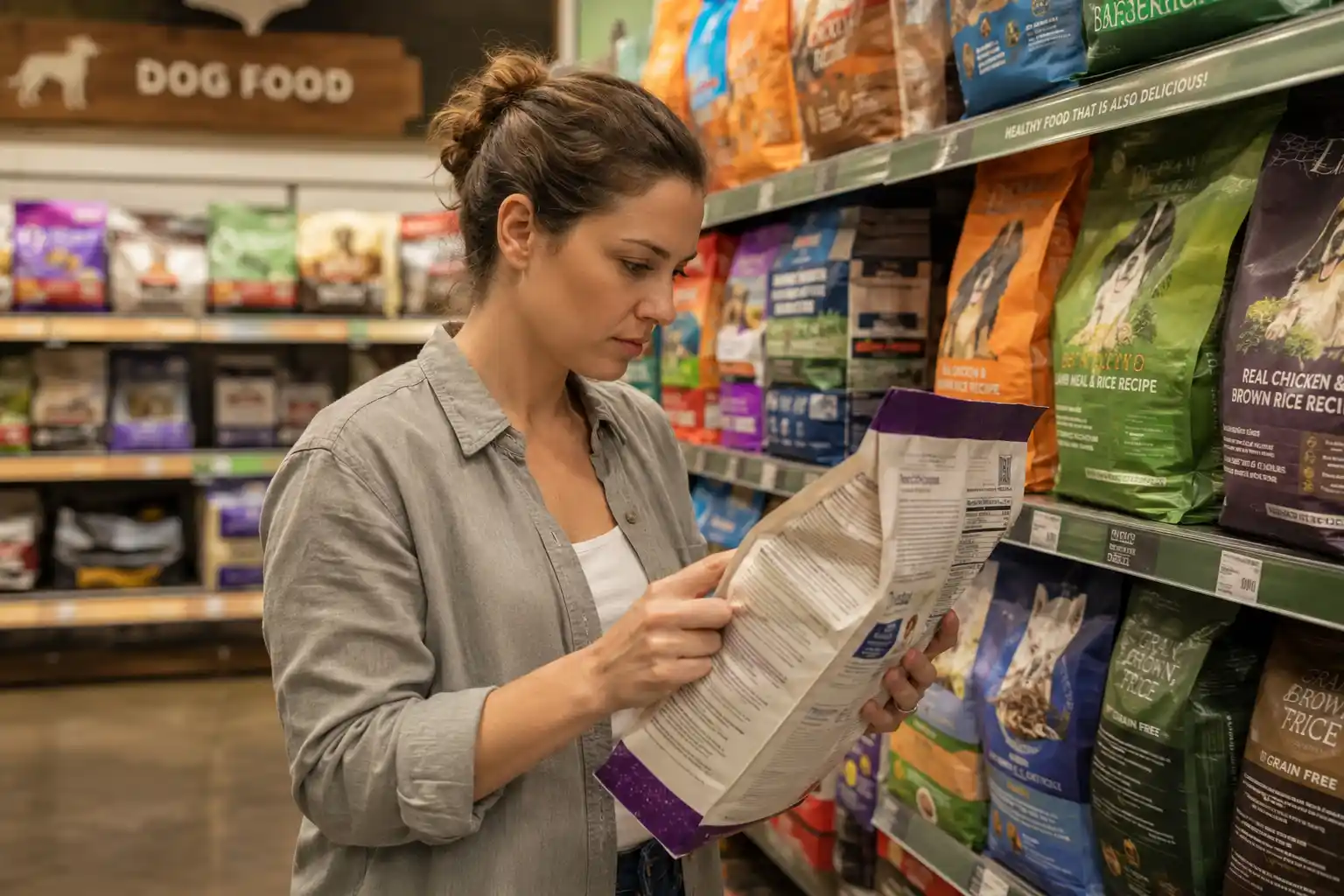
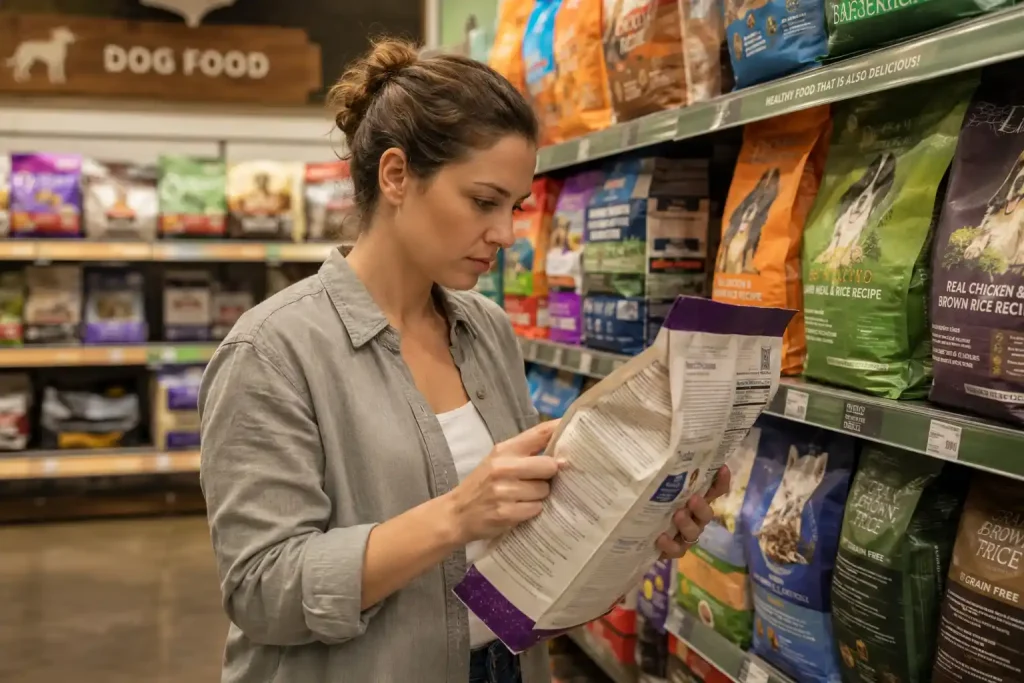
Have you ever stood in the pet food aisle, staring at bags of kibble, wondering if you’re doing right by your dog? I’ve been there more times than I can count. With so many headlines and social media posts claiming kibble is “toxic” or “processed junk,” it’s easy to feel confused or even a little guilty about what’s in your dog’s bowl.
Here’s the thing. Kibble isn’t automatically bad for dogs. But it isn’t perfect either. Some brands cut corners, some formulas don’t match your dog’s needs, and some feeding habits can turn an okay food into a real problem.
In this article, I’ll walk you through what makes some kibble less than ideal, how to spot quality food, and what you can do to keep your dog healthy no matter what’s in the bag. My goal is simple: help you make confident, informed choices for your dog.
Quick Answer
Kibble itself isn’t inherently bad for dogs, but some kibble products have real downsides. Many contain low-quality fillers, excess carbohydrates, and artificial preservatives instead of real nutrition. Low-quality kibble can also be highly processed, calorie-dense, and low in moisture, which may contribute to weight gain, dental issues, or digestive upset over time. The key isn’t avoiding kibble altogether. It’s choosing high-quality kibble and feeding it the right way.
What’s Actually in Kibble, and Why It Matters
Kibble is dry dog food made by mixing ingredients into a dough, then cooking it under high heat and pressure. This process, called extrusion, makes the food shelf-stable and easy to store. But it also changes the food in ways that matter.
High heat can reduce certain natural nutrients, which is why many kibble brands add synthetic vitamins and minerals back in afterward. That’s not necessarily dangerous, but it does mean the food is more processed than something homemade or fresh.
Some lower-quality kibble also relies heavily on cheap fillers like corn, wheat, or soy to bulk up the food without adding much real nutritional value. This can matter more if your dog has allergies, sensitivities, or a tendency to gain weight easily.
- High-heat processing can lower some natural nutrient levels
- Low moisture content means dogs need to drink more water
- Cheap fillers add calories without much nutrition
- Artificial preservatives and dyes appear in some budget brands
Understanding AAFCO’s pet food nutrient standards can help you compare labels and figure out whether a kibble actually meets your dog’s nutritional needs.
Signs Your Dog’s Kibble Might Not Be a Good Fit
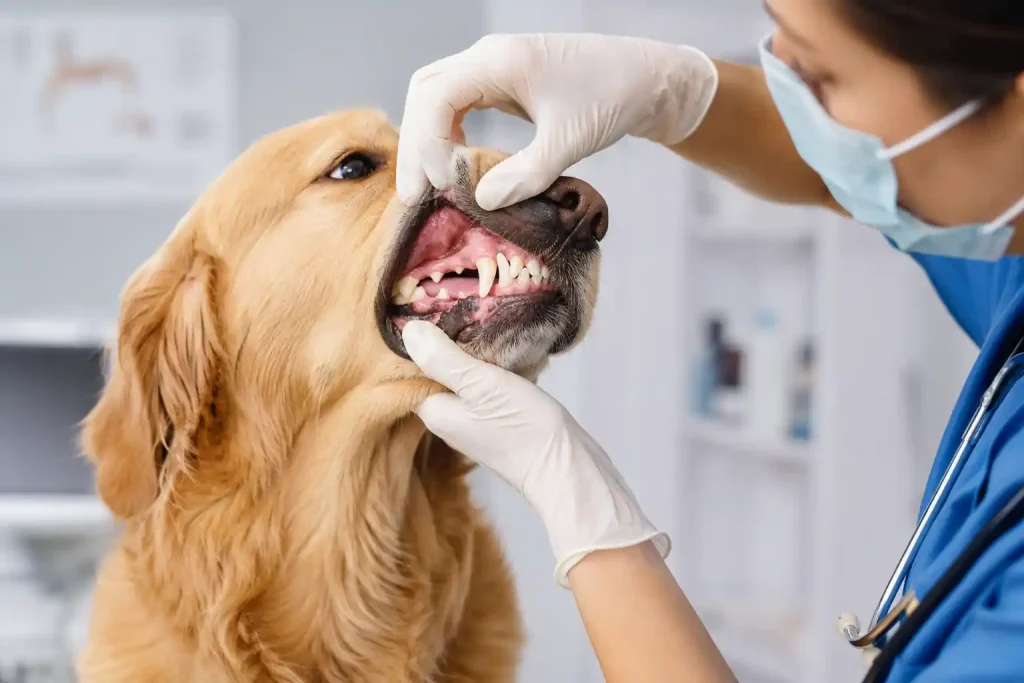
Not every dog reacts the same way to kibble. Some dogs do great on it their whole lives. Others show signs that something’s off. So what should you look for?
| Sign | Possible Cause | What To Do |
|---|---|---|
| Itchy skin or excessive scratching | Food sensitivity or allergy | Ask your vet about an elimination diet |
| Frequent loose stool or gas | Poor digestibility or low-quality ingredients | Try a higher-quality formula gradually |
| Weight gain despite normal portions | Calorie-dense filler ingredients | Check calorie content and feeding guidelines |
| Low energy or dull coat | Nutrient imbalance | Discuss bloodwork and diet with your vet |
| Constant thirst | Normal for dry food, but worth monitoring | Ensure fresh water is always available |
If your dog is showing ongoing symptoms, don’t guess. A conversation with your veterinarian is always worth it before making major diet changes. Groups like the American Veterinary Medical Association recommend involving your vet anytime you suspect a food-related issue.Warning: Never switch your dog’s food suddenly. A fast switch can cause stomach upset even if the new food is higher quality. Always transition gradually over 5 to 7 days.
How to Choose Better Kibble: A Step-by-Step Guide
You don’t need a nutrition degree to pick a solid kibble. You just need to know what to look for.
- Check the first five ingredients. Real meat, poultry, or fish should be near the top of the list, not buried behind fillers.
- Look for an AAFCO statement. This confirms the food meets minimum nutritional standards for your dog’s life stage.
- Match the food to your dog’s life stage. Puppies, adults, and senior dogs have different nutritional needs.
- Avoid vague ingredient names. Terms like “meat by-product” or “animal fat” without a specific source can signal lower quality.
- Watch the calorie count. Compare it to your dog’s ideal weight so you’re not accidentally overfeeding.
- Introduce new food slowly. Mix a little of the new kibble into the old food over about a week.
If you’re unsure where to start, our guide to reading dog food labels breaks this down step by step.
Common Mistakes Dog Owners Make With Kibble
- Choosing food based on price alone instead of ingredient quality
- Free-feeding all day instead of measuring proper portions
- Ignoring the feeding guidelines printed on the bag
- Switching foods too quickly and blaming the new brand for stomach upset
- Assuming “grain-free” automatically means healthier
- Not adjusting portions as a dog ages or becomes less active
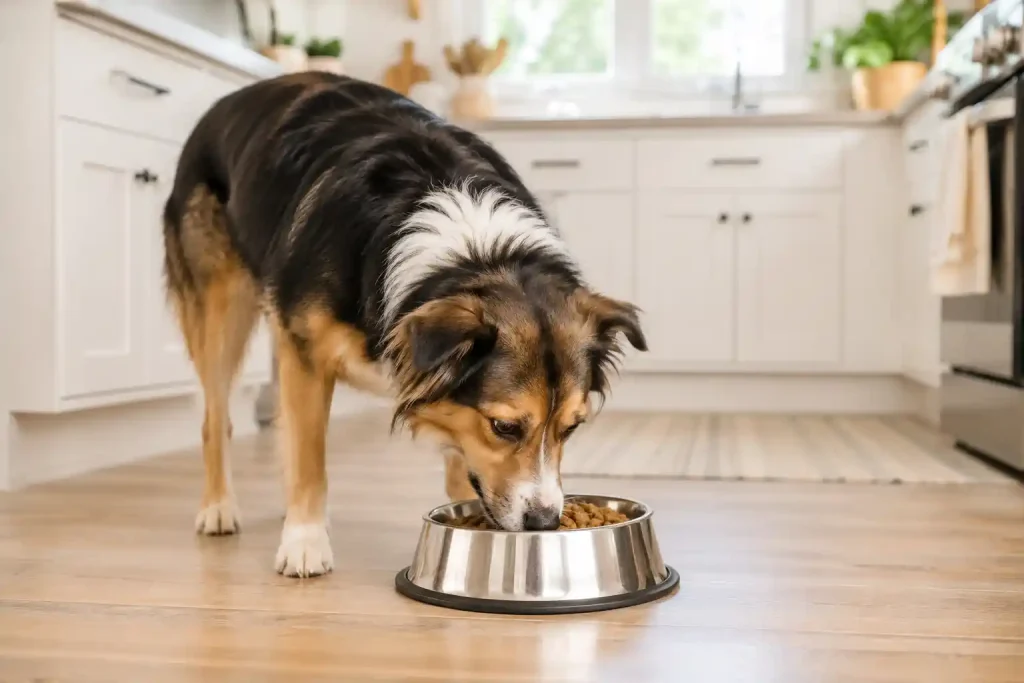
Zak’s Practical Tips for Feeding Kibble the Right Way
Zak’s Tip: Don’t just trust the front of the bag. Marketing words like “natural” or “premium” aren’t regulated the way you’d think. Flip it over and read the actual ingredient list. Zak’s Tip: Add a splash of warm water to dry kibble. It boosts moisture, makes the food more aromatic, and many dogs enjoy it more. Zak’s Tip: Store kibble in its original bag inside an airtight container. This helps preserve freshness and keeps the printed feeding guide and lot number handy in case of a recall. Zak’s Tip: Rotate proteins occasionally, like chicken one bag and fish the next, unless your dog has a diagnosed allergy. It can support a more balanced diet over time. Zak’s Tip: Keep an eye on recall alerts. The FDA’s pet food recall page is a quick way to stay informed about safety issues.
Key Takeaways
- Kibble itself isn’t inherently bad, but ingredient quality varies a lot between brands
- Low-quality kibble often relies on fillers and lacks fresh, real nutrition
- Watch for signs like itchy skin, weight gain, or digestive upset
- Choosing a higher-quality food and feeding proper portions makes a big difference
- Always transition to new food slowly and involve your vet for ongoing issues
Frequently Asked Questions
Is kibble actually bad for dogs?
Not automatically. Kibble can be a perfectly healthy option when it’s made with quality ingredients and fed in the right portions. Problems tend to come from low-quality formulas, poor feeding habits, or ignoring a dog’s individual needs.
What’s wrong with cheap kibble brands?
Cheaper kibble often uses more fillers like corn or wheat instead of real meat as the main protein source. It may also contain fewer nutrients and more artificial additives, which can affect digestion and long-term health.
Should I switch my dog from kibble to wet or raw food?
It depends on your dog’s health, budget, and your vet’s recommendation. Wet food and raw diets have their own pros and cons, and switching should always be done gradually and with veterinary guidance.
Can kibble cause allergies in dogs?
Kibble itself doesn’t cause allergies, but certain ingredients within it can trigger sensitivities in some dogs. Common triggers include specific proteins or grains, which is why an elimination diet is often used to identify the cause.
How do I know if my dog’s kibble is high quality?
Look for real meat listed as the first ingredient, an AAFCO nutritional adequacy statement, and age-appropriate formulas. Avoid vague ingredient names and excessive fillers near the top of the list.
Is grain-free kibble healthier than regular kibble?
Not necessarily. Grain-free doesn’t automatically mean higher quality, and some studies have raised questions about certain grain-free diets and heart health in dogs. It’s best to discuss grain-free options with your veterinarian first.
How much kibble should I feed my dog each day?
This depends on your dog’s weight, age, and activity level. Always start with the feeding guidelines on the bag, then adjust based on your dog’s body condition and your vet’s advice.
Final Thoughts
So is kibble bad for dogs? Not really. The real issue is quality, not the format itself. A well-made kibble with real meat, balanced nutrients, and proper portions can support a long, healthy life for your dog.
The good news is you’re already ahead just by asking these questions. Reading labels, watching for warning signs, and talking to your vet when something feels off puts you in a much better position than most pet owners.
If you want to go deeper on this topic, check out our complete guide to dog nutrition basics for more practical tips you can use right away.