Yes — Taste of the Wild is a generally good, high-protein, grain-free premium dog food option.
I have worked with dogs and tested many brands, so I understand what matters in dog food. This article examines whether is taste of the wild good dog food by breaking down ingredients, nutrition, safety, benefits, and real-world results. Read on for a clear, experience-backed guide to help you decide if Taste of the Wild fits your dog’s needs.

Is Taste of the Wild good dog food? A clear look
Taste of the Wild is a grain-free, meat-first brand that focuses on novel proteins and natural ingredients. The brand offers formulas for puppies, adults, seniors, and special needs dogs. I will evaluate ingredient quality, nutrient balance, safety history, and cost so you can judge whether is taste of the wild good dog food for your dog.
Taste of the Wild tends to score well for protein content and digestible ingredients. It is not perfect for every dog, especially those with specific allergies or vets’ dietary recommendations. Below we break down specifics so you can make an informed choice.

What is Taste of the Wild and how is it formulated?
Taste of the Wild is a commercial pet food line that emphasizes ancestral diet themes. Most recipes list a named meat as the first ingredient and include a mix of fruits, vegetables, and probiotics. The brand offers both grain-free and ancient-grain formulas to fit different owner preferences.
Key product features include:
- High animal-protein focus to support muscle and energy.
- Added probiotics and antioxidants for gut and immune support.
- Multiple protein sources such as bison, venison, salmon, and lamb.
If you ask whether is taste of the wild good dog food in terms of formulation, the brand generally uses quality sources and includes functional ingredients that help digestion and coat health.
Ingredients and nutritional profile — what to expect
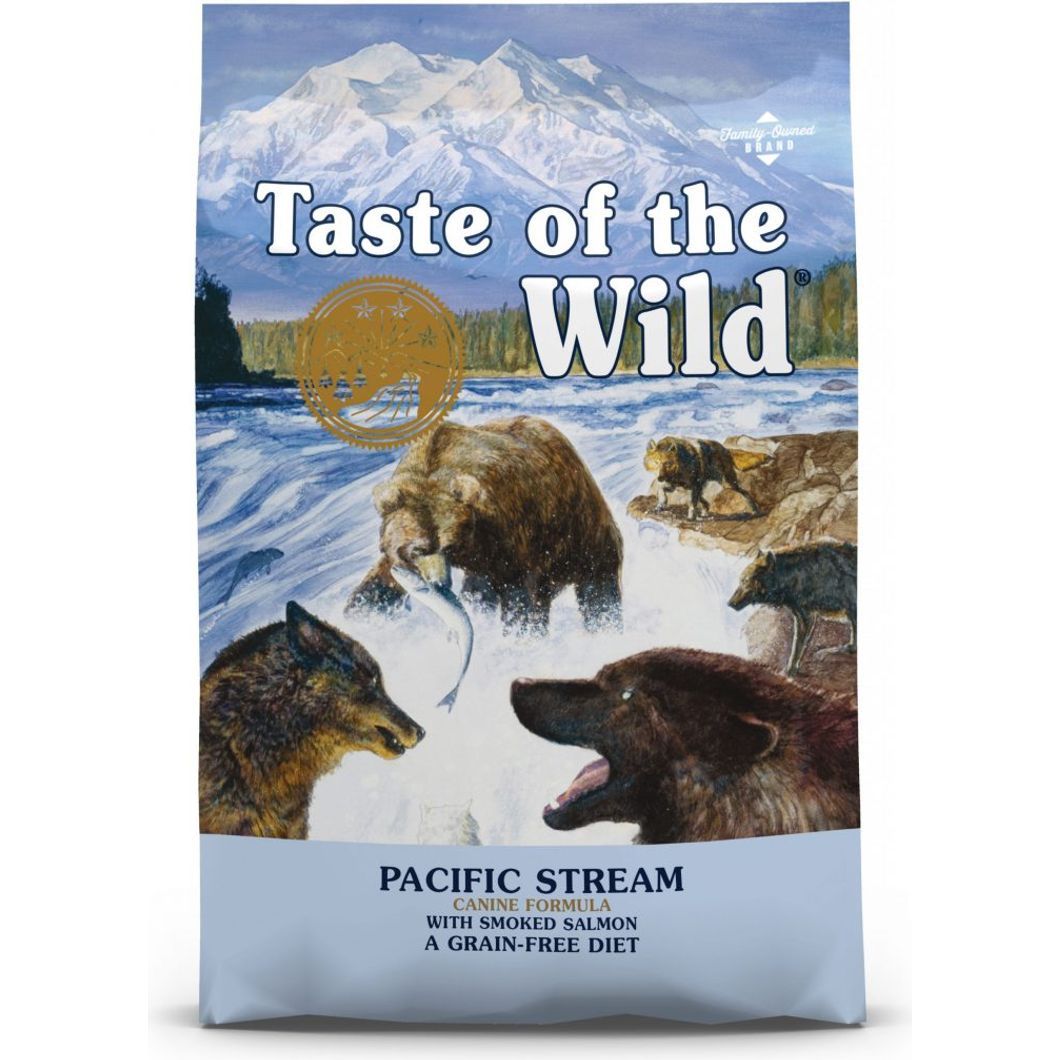
Taste of the Wild recipes are rich in protein and use real meat or meat meals early in the ingredient list. Protein levels vary by formula, but many adult recipes deliver 24–32% crude protein. Fat is moderate to high, helping active dogs maintain condition.
Positive ingredient traits:
- Real named meats listed first for clear protein sourcing.
- No artificial colors or flavors.
- Added fiber from fruits and vegetables to support digestion.
Potential limitations:
- Many lines are grain-free, which may not suit every dog or vet recommendation.
- Plant proteins and byproducts appear in some recipes, which can dilute overall meat percentage.
- Fat content can be high for sedentary or weight-sensitive dogs.
In short, is taste of the wild good dog food nutritionally? For many active dogs, yes — the profile supports energy and lean mass. For dogs with special metabolic needs, consult your vet.
Health benefits and who benefits most
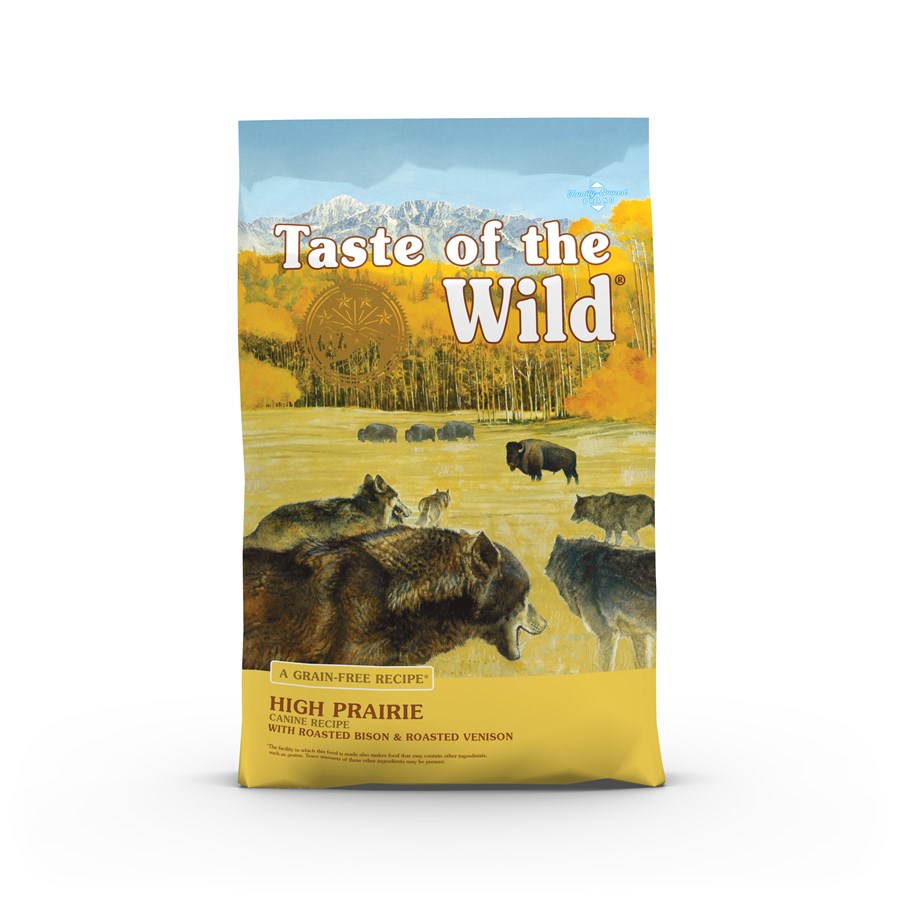
Taste of the Wild can help with coat shine, energy, and digestion in many dogs. The use of probiotics and fermentable fibers is helpful for sensitive tummies. Novel proteins like bison or venison may be useful for dogs suspected of common protein allergies.
Dogs that often do well on this brand:
- Active adult dogs needing higher calories and protein.
- Dogs with intolerances to common proteins when switched to novel protein recipes.
- Owners who prefer grain-free options and clean ingredient lists.
Dogs that may not be ideal candidates:
- Dogs with vet-prescribed low-fat or low-protein diets.
- Dogs with diagnosed cardiac issues where grain-free diets are being evaluated by a vet.
- Dogs with very small appetite preferences for specific kibble texture.
A common question is whether Taste of the Wild causes digestive upset. Short answer: most dogs adapt well, but introduce slowly over 7–10 days to avoid gas or loose stool.

Safety, recalls, and transparency
When evaluating whether is taste of the wild good dog food you should consider safety track record. The brand has had isolated product issues in the past, as all large pet food makers sometimes do. A strong sign of trust is third-party testing and clear company communication.
Safety notes to consider:
- Check for any recent recalls before purchasing.
- Look for lot codes on packaging and register purchases when possible.
- Monitor your dog after switching food and consult a vet for unusual changes.
I recommend keeping a feeding diary for two weeks after any diet change. This helps you spot subtle shifts in stool, energy, and skin condition, which indicate whether the food suits your dog.

Comparing Taste of the Wild to other premium dog foods
Taste of the Wild sits in the mid-to-upper range of the market. It often costs less than boutique brands but more than economy kibble. Compared to similar premium foods, it offers strong protein and good ingredient transparency.
Comparison highlights:
- Better protein-first formulas than many supermarket brands.
- Less expensive than some boutique limited-ingredient brands.
- More variety in novel proteins than many mainstream competitors.
If you are asking is taste of the wild good dog food for value, many owners find it a balanced mix of quality and price. Evaluate on a per-day cost and your dog’s response to determine true value.
Practical tips, feeding guide, and real experience
From my experience, switching to Taste of the Wild works well when done gradually. I’ve used the brand for medium- and large-breed adult dogs with good outcomes in coat condition and energy. A slow transition minimizes tummy upset.
Feeding tips:
- Transition over 7–10 days, mixing increasing amounts of the new food.
- Follow the feeding chart on the bag as a starting point and adjust by body condition.
- Store kibble in a cool, dry place in an airtight container to preserve freshness.
Common mistakes to avoid:
- Switching abruptly and blaming the food for predictable upset.
- Overfeeding based on package recommendations without monitoring body condition.
- Ignoring individual allergies or vet dietary advice.
If you track progress, you’ll see whether is taste of the wild good dog food for your dog within two to four weeks.

Frequently Asked Questions of is taste of the wild good dog food
Is Taste of the Wild grain-free only?
Taste of the Wild offers both grain-free and ancient-grain formulas. You can choose based on your dog’s needs and your vet’s recommendation.
Can Taste of the Wild cause allergies?
Any food can trigger allergies in sensitive dogs. Taste of the Wild’s novel protein recipes can help dogs with common protein sensitivities, but monitor for signs like itching or digestive upset.
Is Taste of the Wild safe regarding recalls?
Taste of the Wild has had isolated incidents like many large brands, but they maintain testing and recall procedures. Always check current recall lists and buy from reputable sellers.
Is Taste of the Wild good for puppies?
Taste of the Wild makes puppy formulas that meet nutrient profiles for growth. Always choose a life-stage appropriate formula and check portion sizes for steady growth.
How should I transition to Taste of the Wild?
Mix increasing amounts of Taste of the Wild with the old food over 7–10 days. Watch stool quality and energy; slow transitions reduce digestive upset.
Will Taste of the Wild help my dog’s coat?
Many owners report improved coat shine and skin health due to quality fats and omega sources in the recipes. Results can take several weeks and depend on overall health.
Conclusion
Taste of the Wild is a solid, widely recommended option for many dogs thanks to its meat-first recipes, probiotics, and variety of protein sources. It is not a one-size-fits-all solution, but for active dogs and owners seeking higher-protein, grain-free or ancient-grain options, is taste of the wild good dog food often proves to be a reliable choice. Try a trial bag, transition slowly, and monitor your dog’s condition to make an informed decision. If you found this helpful, share your experience, ask questions below, or subscribe for more practical reviews and feeding tips.