Can Dogs Eat Popcorn?
It’s a cozy evening at home. You’re watching a movie, and your dog is sitting beside you, eyes wide and tail wagging. As you reach for a handful of popcorn, you wonder: can dogs eat popcorn safely? This question pops up (pun intended) in many homes, especially when those soulful eyes beg for a taste. Popcorn is a popular snack for humans, but what about our furry friends? Is it safe, or could it cause harm?
This article will give you clear, practical answers about dogs and popcorn. You’ll learn which types are okay, which to avoid, possible health risks, and smart ways to share. We’ll also look at what veterinarians say, nutritional facts, and tips for keeping your dog healthy and happy.
By the end, you’ll have everything you need to decide if sharing your popcorn is a good idea—or if it’s better kept to yourself.
What Is Popcorn?
Popcorn comes from a special type of corn called Zea mays everta. When heated, the moisture inside each kernel turns to steam, causing it to burst open and puff up. The result is the light, crunchy snack people love at home, in theaters, and at parties.
There are several ways to make popcorn:
- Air-popped: Made with hot air, no oil added
- Stovetop: Popped in a pan with oil
- Microwave: Comes in bags, often flavored
- Prepackaged: Ready to eat, sometimes with butter, cheese, or caramel
Popcorn is naturally low in calories, but toppings and oils can add fat, salt, and sugar. For dogs, these extras can be dangerous. That’s why understanding the details matters.
Is Plain Popcorn Safe For Dogs?
The short answer: plain, air-popped popcorn in small amounts is generally safe for healthy dogs. The key word here is plain. This means no butter, salt, cheese powder, caramel, or artificial flavors. Just simple, unseasoned popcorn.
Why Plain Popcorn?
Popcorn is a whole grain. It contains:
- Fiber: Helps with digestion
- Small amounts of vitamins: Like B vitamins
- Minerals: Such as magnesium, phosphorus, and zinc
For dogs, these nutrients aren’t essential in tiny popcorn portions, but they don’t harm either. The main benefit is that plain popcorn is low in calories and fat.
How Much Is Safe?
Popcorn should be an occasional treat, not a daily snack. A good rule: treats should be less than 10% of your dog’s daily calories. For a medium dog (about 30 pounds), that means 2-3 cups of plain, air-popped popcorn once in a while is enough. For small dogs, 1 cup or less.
Health Risks Of Popcorn For Dogs
Sharing your snack sounds simple, but there are real risks if you’re not careful.
Choking Hazard
One of the biggest dangers is choking. Unpopped or partially popped kernels are hard and can block a dog’s throat or get stuck in teeth. Even fluffy pieces can cause problems for small breeds or dogs that eat fast.
Digestive Upset
Dogs have sensitive stomachs. If they eat too much popcorn, even plain, they might get:
- Vomiting
- Diarrhea
- Gas
- Bloating
This is more likely if your dog is not used to grains.
Salt And Fat Problems
Most popcorn people eat has butter, oil, or salt. These add-ons can cause:
- Dehydration (from too much salt)
- Obesity (from extra fat and calories)
- Pancreatitis (a painful, serious illness linked to high-fat foods)
Allergic Reactions
It’s rare, but some dogs are allergic to corn. Signs include itching, ear infections, or stomach upset. If you notice these after popcorn, stop giving it and call your vet.
Hidden Ingredients
Microwave and flavored popcorn often contain:
- Artificial flavors
- Preservatives
- Xylitol (sometimes in sweet versions, which is highly toxic to dogs)
Always check the label. If you’re not sure what’s inside, don’t share it.
Table: Popcorn Risks At A Glance
| Type of Popcorn | Main Risk | Safe for Dogs? |
|---|---|---|
| Plain, air-popped | Choking (kernels) | Yes, in moderation |
| Butter-flavored | High fat, salt | No |
| Cheese/caramel-coated | Sugar, artificial flavors | No |
| Microwave popcorn | Preservatives, oils | Usually no |
| Unpopped kernels | Choking, teeth damage | Never |
Nutritional Value Of Popcorn For Dogs
Popcorn is not a superfood for dogs, but it does have some nutrition. Here’s a closer look.
Popcorn Nutrition
One cup of plain, air-popped popcorn (about 8g) contains:
- Calories: 31
- Protein: 1g
- Fat: 0.4g
- Carbohydrates: 6g
- Fiber: 1g
- Sugar: 0g
It also has trace amounts of:
- Magnesium
- Phosphorus
- Zinc
- B vitamins
These are not harmful but aren’t important to dogs on a balanced diet.
Comparison: Popcorn Vs. Common Dog Treats
Popcorn is lower in calories and fat than most store-bought treats. But it’s also lower in protein and contains more carbs.
| Treat | Calories (per 10g) | Fat | Protein | Fiber |
|---|---|---|---|---|
| Plain popcorn | 39 | 0.5g | 1.2g | 1.4g |
| Dog biscuit | 45 | 1.6g | 1.0g | 0.5g |
| Chewy treat | 80 | 2.0g | 3.5g | 0.2g |
Insight: Popcorn is a low-calorie treat, but it doesn’t offer much nutrition compared to high-protein dog treats.

Credit: a-z-animals.com
Types Of Popcorn: Which Are Safe?
Not all popcorn is equal. Here’s how each type stacks up:
Air-popped Popcorn
This is the safest choice for dogs. No oil, salt, or flavorings. It’s light, easy to digest, and the only kind vets usually say is okay.
Stovetop Popcorn
Stovetop popcorn is better than flavored versions, but only if you use little or no oil and skip the salt. Even a small amount of butter or oil adds fat that dogs don’t need.
Microwave Popcorn
Most microwave popcorn is loaded with oil, salt, and artificial flavors. Some even contain diacetyl (a flavor chemical) and preservatives. These can cause stomach upset or worse.
Flavored And Prepackaged Popcorn
Cheese, caramel, ranch, or chocolate popcorn is a big no. Sugar, spices, and xylitol (a sweetener sometimes used in “sugar-free” products) are dangerous for dogs. Chocolate is toxic to dogs, too.
Tip: If you’re not sure what’s in the popcorn, don’t give it to your dog.
How To Safely Share Popcorn With Your Dog
If you want to share, do it the right way.
Step 1: Make Plain, Air-popped Popcorn
Use an air popper or pop kernels on the stove with no oil. If you use the stove, use a nonstick pan and shake it gently to avoid burning.
Step 2: Check For Unpopped Kernels
Pick out all hard, unpopped kernels and throw them away. These can crack teeth or cause choking.
Step 3: No Salt, Butter, Or Flavorings
Keep it plain. No toppings, not even a little. Dogs don’t need salt, and even a bit of butter can add up over time.
Step 4: Serve A Small Portion
Start with a few pieces and see how your dog reacts. If there’s no stomach upset, you can give a little more next time.
Step 5: Watch For Problems
After giving popcorn, watch your dog for:
- Coughing or choking
- Vomiting or diarrhea
- Scratching or signs of allergies
If you see any of these, stop and call your vet.
Example: Serving Popcorn As A Treat
You can use popcorn as a training reward. Toss one piece at a time, or scatter a few on the floor for a “find it” game. It’s a low-calorie way to add fun to your dog’s day.
Non-obvious tip: Popcorn can help slow down dogs that eat too fast. Scatter pieces on a mat or in the yard to make them search for each bite.
When Should You Avoid Giving Popcorn?
Popcorn is not right for every dog or every situation.
Puppies
Puppies have small mouths and sensitive stomachs. Popcorn can cause choking or tummy trouble. Wait until your dog is at least 6 months old before offering a piece.
Senior Dogs
Older dogs may have dental issues. Hard popcorn can crack weak teeth or get stuck in gums.
Dogs With Food Allergies Or Sensitive Stomachs
If your dog is allergic to corn or often has diarrhea, skip popcorn. There are safer treat options.
Overweight Or Diabetic Dogs
Even plain popcorn is a carb. If your dog needs a special diet, ask your vet before sharing.
Dogs Prone To Pancreatitis
This illness is triggered by fatty foods. While plain popcorn is low in fat, any added oil or butter is risky.
What Do Veterinarians Say?
Most vets agree: plain, air-popped popcorn is safe for healthy dogs in small amounts. But they also warn against giving popcorn with:
- Butter, oil, or salt
- Artificial flavors
- Chocolate or xylitol
Vets say to watch your dog for any signs of trouble. If your dog has a health condition (like diabetes or allergies), ask your vet before sharing.
Dr. Jerry Klein, Chief Veterinary Officer for the American Kennel Club, says: “Popcorn itself isn’t bad for dogs. It’s the toppings and unpopped kernels that cause problems.” He suggests no more than a handful at a time.
Common Signs Of Popcorn Problems In Dogs
Most dogs do fine with a little plain popcorn. But sometimes, problems can happen. Watch for these signs:
- Choking or gagging
- Excessive drooling
- Vomiting
- Diarrhea
- Itching or skin rashes
- Lethargy (tiredness)
- Swollen face or paws
If your dog has trouble breathing or keeps vomiting, call your vet right away.
How Popcorn Can Fit Into Dog Training
Popcorn is light, easy to toss, and many dogs love the crunch. It can work as a training reward for dogs that aren’t allergic to corn.
Why Trainers Like Popcorn
- Low calorie: Good for overweight dogs
- Small pieces: Easy to use for repetitions
- Non-greasy: No mess on hands or floors
Best Practices
- Only use plain, air-popped popcorn
- Give one piece at a time
- Mix with other treats for variety
Pro tip: If your dog is on a diet, use popcorn as a “bulk” reward—just check with your vet first.
Popcorn Alternatives For Dogs
If you want to share snacks, but popcorn isn’t right for your dog, try these instead:
- Plain rice cakes: Break into small pieces
- Cooked sweet potato: Small cubes, no seasoning
- Green beans: Fresh or cooked, cut up
- Carrot sticks: Crunchy and low-calorie
- Apple slices: Remove seeds and core
These are safe, low in calories, and offer more nutrition than popcorn.
Dogs And Other Corn Products
Popcorn is just one type of corn product. Others include cornmeal, tortilla chips, and corn syrup. Most vets recommend avoiding these for dogs due to salt, fat, or sugar.
Tip: Always check ingredients before sharing human snacks with dogs.
Is Popcorn Good For All Breeds?
The breed doesn’t matter as much as the size and health of your dog. Small breeds (like Chihuahuas or Yorkies) are at higher risk of choking. Large breeds can usually handle a few pieces, but no dog should eat a lot.
Non-obvious insight: Some breeds with short faces (like Bulldogs or Pugs) have a higher risk of choking. Give very small pieces or avoid popcorn altogether for these dogs.
What If My Dog Eats Popcorn Accidentally?
If your dog grabs a piece of flavored or buttered popcorn, don’t panic. One or two pieces usually won’t cause harm. Watch your dog for signs of upset:
- Vomiting
- Diarrhea
- Coughing
If your dog eats a large amount, especially chocolate or xylitol popcorn, call your vet right away.
Real-life Stories: Popcorn And Dogs
Many dog owners share stories about their pets loving popcorn. Most report no problems if they stick with plain, air-popped pieces and watch for choking. However, there are also cases where dogs needed vet care after eating flavored or unpopped popcorn.
- “My beagle loves popcorn, but one time she choked on a kernel. Now I only give her big, fluffy pieces.” (Owner of a 25lb beagle)
- “I didn’t know cheese popcorn was bad. My poodle got diarrhea for two days.” (Owner of a 15lb toy poodle)
These stories show the importance of being careful and choosing the right type.
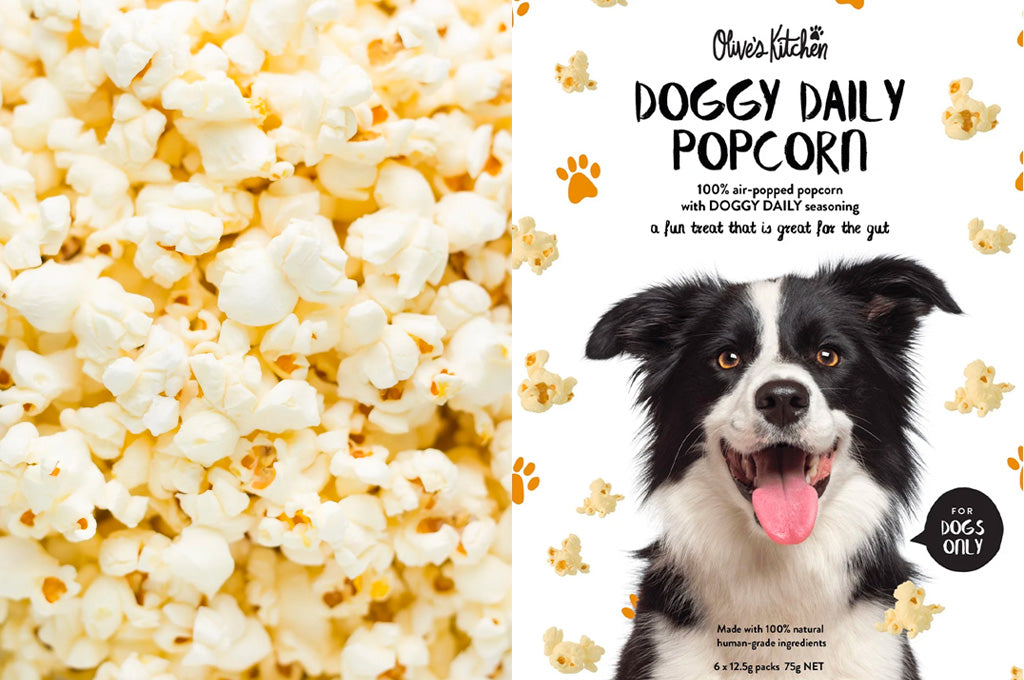
Popcorn And Dental Health
Popcorn is crunchy, which some people think helps clean teeth. But for dogs, the risk is higher than the benefit.
- Hard kernels can crack teeth
- Pieces can get stuck in gums
For dental health, special dog chews or toys are safer.
Credit: www.oliveskitchen.co.nz
Comparing Popcorn To Other Human Snacks
Dogs often want what we eat. How does popcorn compare to other common snacks?
| Snack | Safe for Dogs? | Main Risk |
|---|---|---|
| Popcorn (plain, air-popped) | Yes, small amounts | Choking, unpopped kernels |
| Pretzels | No | High salt |
| Potato chips | No | Fat, salt |
| Cheese puffs | No | Artificial flavors, fat |
| Plain rice cakes | Yes, in moderation | Possible choking |
Insight: Popcorn is one of the few “people snacks” that can be safely shared (in small amounts and only plain).
The Science: Studies And Expert Opinions
So what does research say about dogs and popcorn? There are no large studies on popcorn specifically, but veterinarians agree on a few points:
- Dogs can digest small amounts of plain popcorn
- Butter, salt, and flavors are unhealthy
- Popcorn is not a substitute for a balanced dog diet
The American Kennel Club and the ASPCA both list plain popcorn as “safe in moderation.” For more scientific information, you can visit Wikipedia.
How To Make Dog-friendly Popcorn At Home
If you want to treat your dog, here’s a quick recipe:
Ingredients:
- 1/4 cup plain popcorn kernels
Instructions:
- Place kernels in an air popper (or a brown paper bag if using a microwave)
- Pop kernels without adding oil, butter, or salt
- Let popcorn cool
- Check for and remove any unpopped kernels
- Serve a few pieces as a treat
Tip: Store extra popcorn in a sealed bag for later. Never add toppings before sharing.
Signs Your Dog Should Not Have Popcorn
Some dogs just don’t do well with popcorn. If you see any of these signs, stop giving it:
- Frequent vomiting or diarrhea after eating popcorn
- Scratching, ear infections, or skin problems
- Coughing or gagging
- Loss of interest in food
It’s always better to be safe and choose a different treat if you’re unsure.
Myths About Dogs And Popcorn
There are some common myths:
- “Popcorn cleans dog teeth.” (Not true—can hurt teeth instead.)
- “Popcorn is a healthy snack for dogs.” (Only plain, in tiny amounts.)
- “Dogs can eat any popcorn humans eat.” (False—many flavors are dangerous.)
It’s important to separate facts from fiction for your dog’s safety.
Final Thoughts
So, can dogs eat popcorn? The answer is yes, but only plain, air-popped popcorn and only as an occasional treat. Avoid butter, salt, cheese, caramel, or any added flavors. Always remove unpopped kernels and serve small pieces to reduce choking risk. Watch your dog for any signs of trouble, especially if you’re sharing popcorn for the first time.
Remember: treats are extra, not a replacement for a balanced dog diet. When in doubt, ask your vet. Sharing a snack can be a fun way to bond, but your dog’s health should always come first.

Credit: www.tasteofthewildpetfood.com
Frequently Asked Questions
Can Dogs Eat Buttered Popcorn?
No, buttered popcorn is not safe for dogs. Butter is high in fat, which can cause weight gain and even pancreatitis in dogs. The salt used on buttered popcorn can also be harmful. Always stick to plain, air-popped popcorn for your pet.
How Much Popcorn Can I Give My Dog?
Give only a small amount—a few pieces for small dogs, up to a handful for large dogs. Popcorn should be an occasional treat, not a regular part of your dog’s diet. Too much can upset your dog’s stomach or add unwanted calories.
What Should I Do If My Dog Eats Flavored Popcorn?
If your dog eats popcorn with cheese, caramel, chocolate, or other flavors, watch for signs of illness like vomiting, diarrhea, or lethargy. If your dog eats a lot, or if the popcorn contains xylitol or chocolate, call your vet immediately.
Can Popcorn Cause Allergies In Dogs?
Yes, some dogs are allergic to corn or grains. Signs include itching, ear infections, or digestive upset after eating popcorn. If you notice these symptoms, stop giving popcorn and talk to your vet.
Is Microwave Popcorn Safe For Dogs?
Most microwave popcorn is not safe for dogs. It often contains oils, salt, artificial flavors, and chemicals that can upset your dog’s stomach or cause serious problems. Only plain, air-popped popcorn is recommended for dogs.
Popcorn can be a fun, safe treat for your dog—if you know the facts and follow the right steps. Always put your dog’s health first and enjoy your snacks together, safely.